
St. Louis Metro · Missouri & Illinois
Radon Testing in St. Louis, MO
Radon testing in St. Louis measures how much radon gas has accumulated in your home, and it is the only way to know whether the house sits above the EPA action level of 4.0 pCi/L.
St. Louis is a high-radon region. Roughly 1 in 3 Missouri homes test at or above 4.0 pCi/L, against about 1 in 15 nationally, because the limestone and shale under the metro carry enough uranium to generate significant soil gas.
Air Sense Environmental performs short-term, long-term, and real estate radon testing across the St. Louis metro on both the Missouri and Illinois sides, and handles mitigation if a result comes back high.
Content timestamped, view certificate
What a Test Tells You
Systems are engineered to bring your home below the EPA action level of 4.0 pCi/L.
Certified measurementLocal Risk
Is radon a problem in St. Louis?
Yes. Radon is a significant problem in St. Louis, and Missouri is classified as a high-risk radon state. Roughly one in three Missouri homes tests at or above the EPA action level of 4.0 pCi/L, compared with about one in fifteen homes nationally.
Two things drive that:
- Geology. Much of St. Louis County and St. Charles County sits on limestone and shale carrying enough uranium to generate meaningful soil gas, and karst features give that gas pathways to travel.
- Housing stock. The metro has an unusually high share of full basements, many of them decades old, with settled foundations and floor-wall joints that have opened over time.
Awareness has not kept pace with the risk. A Washington University study found nearly one in four St. Louisans had never heard of radon, and only about 22 percent had ever tested their home.
Cost
How much does radon testing cost in St. Louis?
Professional radon testing in the St. Louis area generally runs from about $140 to a few hundred dollars, depending on the type of test and whether it is being done for a real estate transaction.
- Short-term professional test: the common option for homeowners who want a fast answer
- Real estate transaction test: costs more because it follows stricter protocol, including tamper controls and documented closed-house conditions
- Long-term test: lower device cost but runs over 90 days, giving a more accurate annual average
- Missouri free test kit: the Missouri Department of Health and Senior Services offers one free kit per household while supplies last
Air Sense Environmental quotes testing before scheduling, and if a result comes back above 4.0 pCi/L we can move straight into radon mitigation without a second contractor.
Timing
How long does a radon test take?
A short-term radon test takes 2 to 7 days, and a long-term test runs more than 90 days. Short-term is what nearly every homeowner and real estate transaction uses.
The trade-off is accuracy against speed. Radon levels swing with weather, season, and how the house is being operated, so a two-day snapshot can differ substantially from the home’s true annual average. A long-term test smooths that out.
Timing matters as much as duration. Levels are highest from December through February and elevated from roughly October through April, so the EPA recommends testing during the heating season. A summer test can understate what a house actually does in winter, which is covered in our guide to radon levels in winter versus summer.
Test Types
What is the difference between short-term and long-term radon testing?
Short-term radon testing measures 2 to 7 days and answers whether there is a problem right now. Long-term radon testing runs over 90 days and estimates the home’s true annual average exposure.
- Short-term, continuous monitor: professional-grade device that logs hourly readings and detects tampering. Used for real estate testing.
- Short-term, charcoal kit: inexpensive passive device mailed to a lab. Fine for screening, no tamper detection.
- Long-term, alpha track: sits in the home for 90 days or more and gives the most representative number.
The practical sequence most homeowners follow is a short-term test first, then mitigation if it reads at or above 4.0 pCi/L, then post-mitigation radon testing to confirm the system worked.
DIY vs Professional
Do you need professional radon testing or is a DIY kit enough?
A DIY radon test kit is enough to screen a home you own, but professional radon testing is required in practice for a real estate transaction and is more reliable when the result will drive a spending decision.
Where DIY kits fall short:
- No tamper detection. A charcoal kit cannot tell whether a window was opened during the test, which is why buyers and lenders do not accept them.
- Placement error. Kits placed too close to a wall, a draft, or the floor return misleading numbers.
- Single average. A kit gives one figure, while a continuous monitor logs hourly readings and shows whether the level is stable or spiking.
- No chain of custody. Transaction testing requires documentation a mailed kit cannot provide.
For a homeowner simply wanting to know, the free Missouri state kit is a reasonable start. Our page on DIY radon test kit accuracy goes into the detail.
Placement
Where should a radon test be placed in your home?
A radon test belongs in the lowest lived-in level of the home, roughly 20 inches above the floor, away from drafts, exterior walls, and sources of humidity.
- Lowest lived-in level. A finished basement counts. An unused crawl space does not.
- At least 20 inches off the floor and 12 inches from an exterior wall
- Away from windows, doors, vents, and fans
- Closed-house conditions for at least 12 hours before and throughout a short-term test
Placement drives the result more than most people expect. Levels typically fall by roughly half for each floor above the lowest level, so testing an upstairs bedroom understates the exposure of anyone actually using the basement. There is more in our guide to radon in basements.
Next Step
What happens if your radon test comes back high?
If a radon test comes back at or above 4.0 pCi/L, the EPA recommends fixing the home, and an active sub-slab depressurization system is the standard fix. It is not an emergency and nobody needs to move out, because radon risk accumulates over years rather than acutely.
The sequence:
- Confirm the reading if it came from a screening kit rather than a professional monitor
- Get the system designed around the actual foundation, using a pressure-field test rather than a rule of thumb
- Install, which is usually a single day of work
- Retest to prove the system brought the house down, then retest every two years after
See radon mitigation system installation for what the work involves and what it costs.
Coverage
Radon testing across the St. Louis metro
Air Sense Environmental provides radon testing throughout the St. Louis metro on both sides of the river, including St. Louis City and County, St. Charles County, Jefferson County, and Franklin County in Missouri, and Madison and St. Clair counties in Illinois.
Readings vary far more locally than people expect. Two houses on the same street, built by the same builder in the same year, routinely test differently because of what sits under the individual lot. A neighbor’s result is a useful signal and never a substitute for testing the specific address.
Illinois requires radon measurement professionals to be licensed through IEMA. The Illinois IEMA registry lists Jacob Lusby as Mitigation Professional RNM20232346, with Air Sense Environmental as his employer. See our service area for the communities we cover.
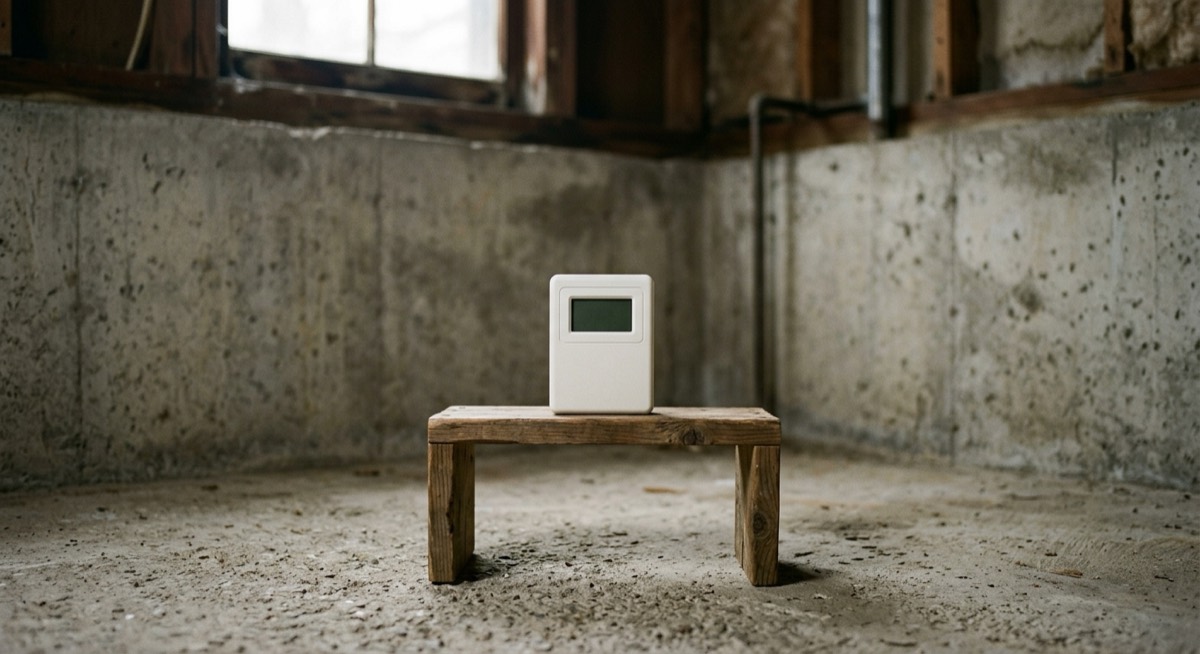
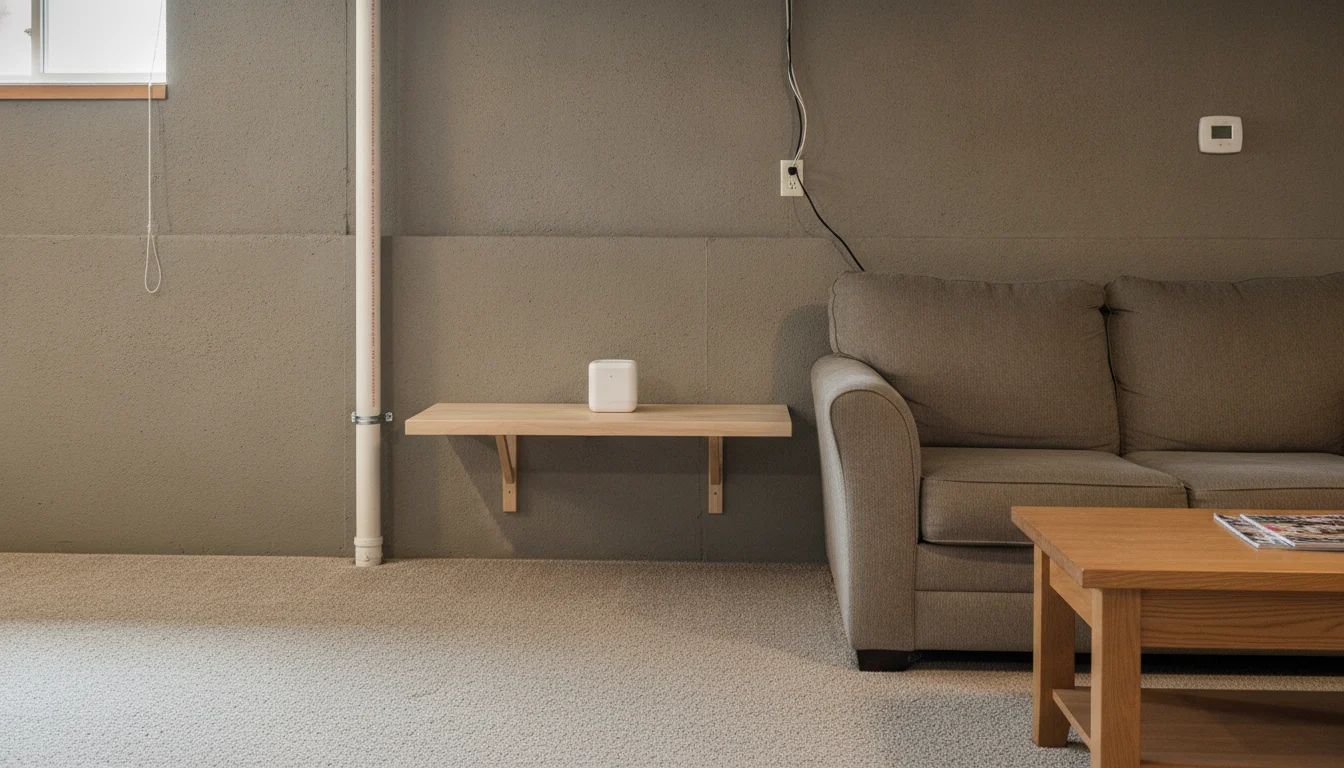
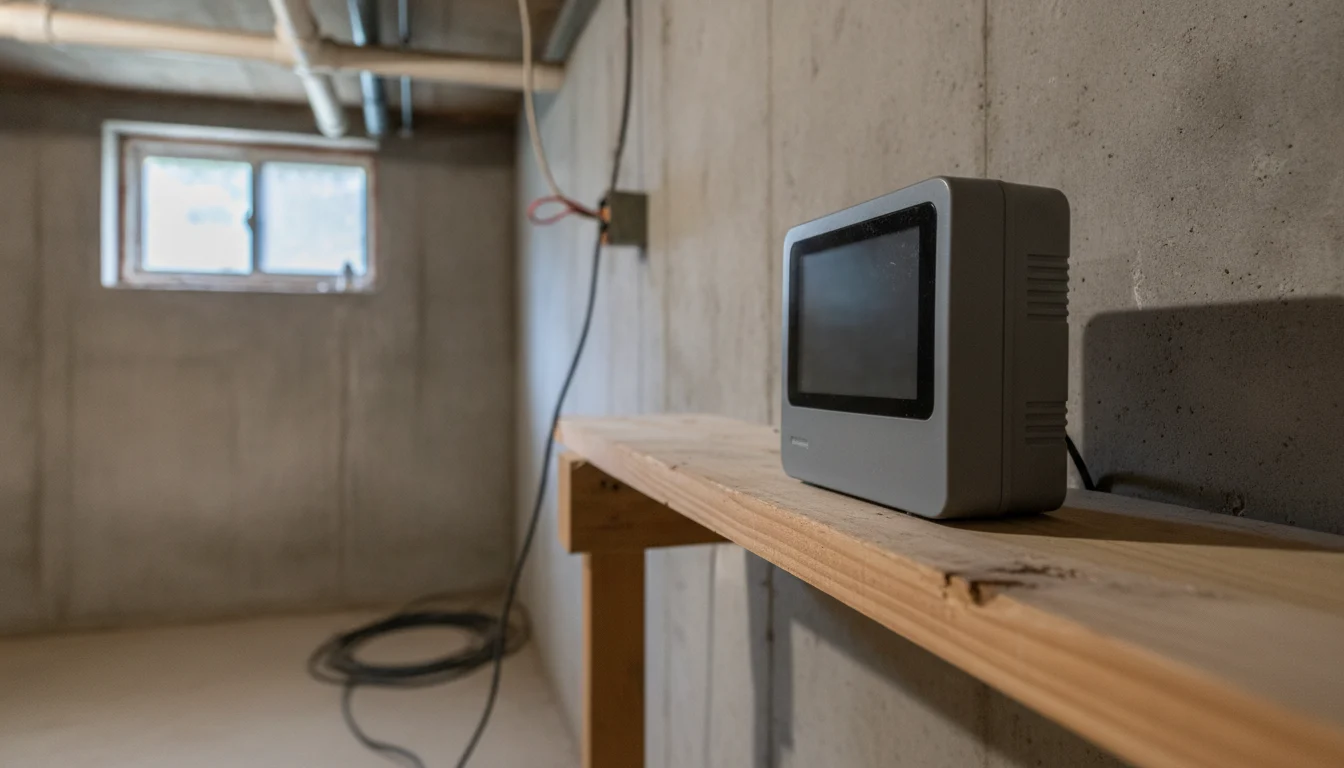
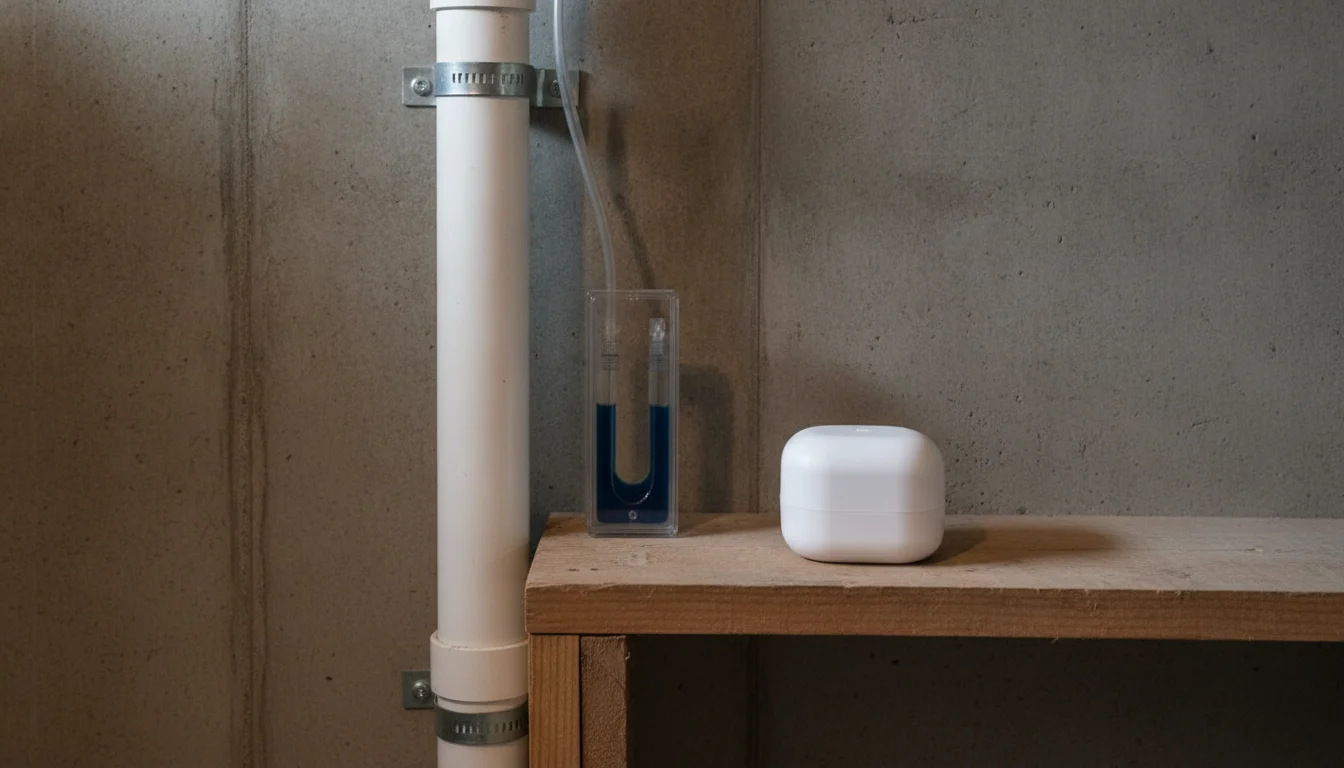
Radon testing in St. Louis homes: monitors in the field
Common Questions
Frequently Asked Questions About Radon Testing in St. Louis
Can you be in the house during a radon test?
Yes, you can and should live in the house normally during a radon test. What matters is maintaining closed-house conditions: keep windows and exterior doors shut except for normal entry and exit, for at least 12 hours before the test starts and throughout a short-term test. Running the HVAC normally is fine; running window fans or leaving windows open is not.
How much does a radon test cost in St. Louis?
Professional radon testing in the St. Louis area generally starts around $140, with real estate transaction testing costing more because it follows stricter protocol and documentation. Missouri residents can also request one free radon test kit per household from the Missouri Department of Health and Senior Services while supplies last.
How often should you test for radon?
Test every two years, and again after any significant change to the house. The EPA recommends retesting every two years generally, and specifically after foundation work, a major renovation, an addition, or a change to the heating and cooling system, because any of those can alter how soil gas enters and moves through the building.
Do you need a radon test to sell a house in Missouri?
Missouri does not require a radon test to sell a house, but buyers commonly request one during the inspection period and the result is frequently negotiated. Illinois requires sellers to provide a radon disclosure to buyers. In practice a transaction test should be a professional continuous-monitor test, since charcoal kits lack the tamper detection buyers and lenders expect.
How accurate are DIY radon test kits?
DIY radon test kits are reasonably accurate for screening when placed and handled correctly, but they are more prone to error than a professional continuous monitor. They cannot detect tampering, are sensitive to placement mistakes, and return a single average rather than hourly readings. For a personal check they are fine; for a real estate transaction or a decision to spend on mitigation, a professional test is the better basis.
References: EPA radon action-level guidance and A Citizen’s Guide to Radon.
Know Your Number
Schedule radon testing in St. Louis
About one in three Missouri homes tests above the EPA action level. A short-term test tells you which side of that line your house is on.