
Radon & Air Quality Insights
-
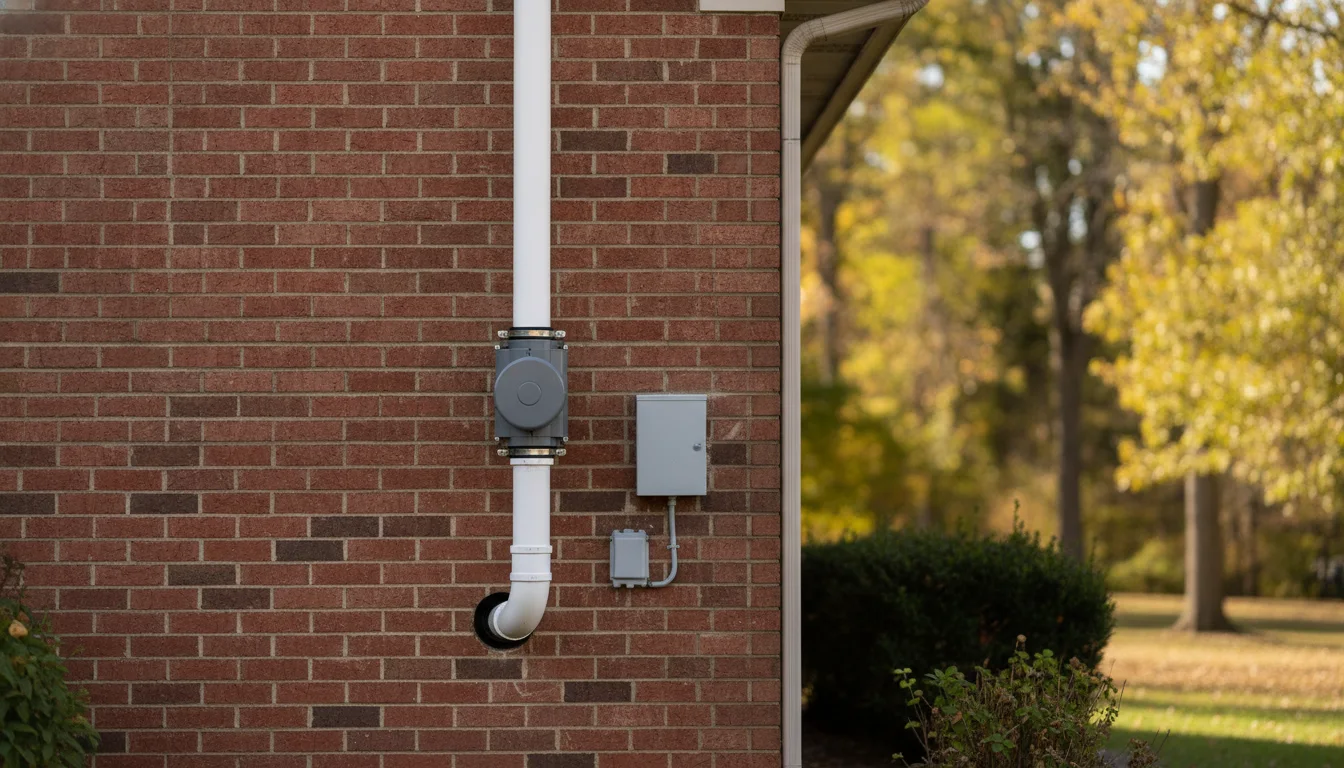
How Much Does Radon Fan Replacement Cost?
Radon fan replacement cost is often $300 to $600 for a standard professional replacement, based on current national estimates. The exact price depends on…
-
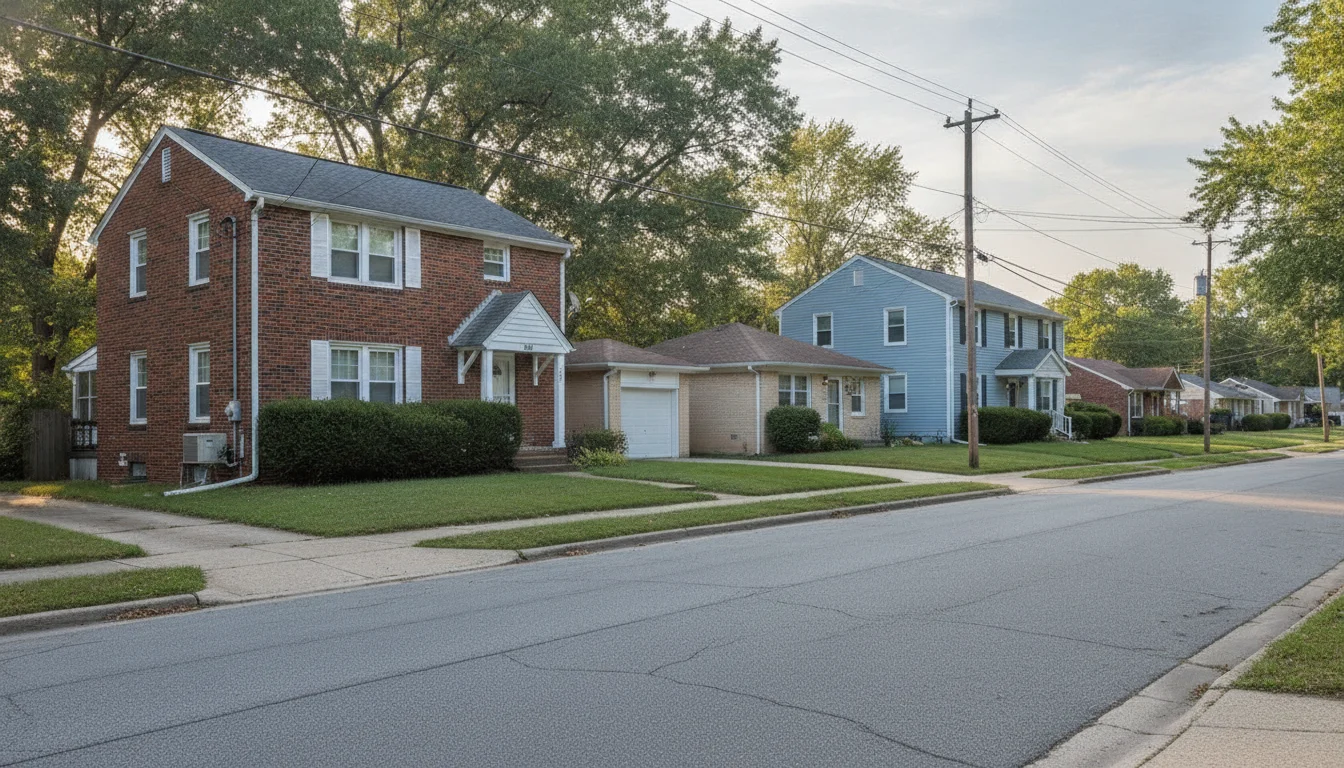
What Types of Homes Are Most Likely to Have Radon?
Which types of homes are more likely to have radon? Homes built over uranium-bearing soil have more radon, regardless of the home’s age, size,…
-
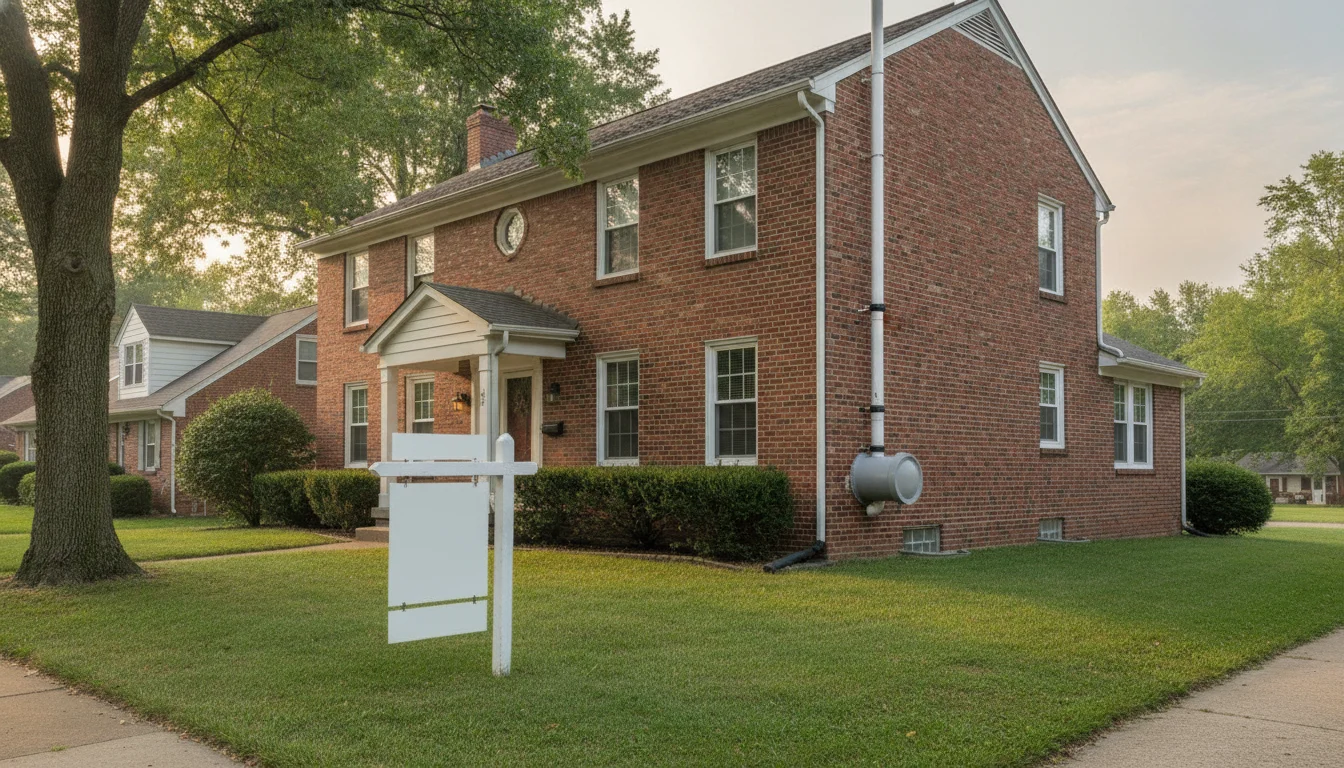
Selling a House With Radon in St. Louis
Can you sell a house with radon? Yes, and selling a house with radon is routine in the St. Louis metro, where roughly 4…
-
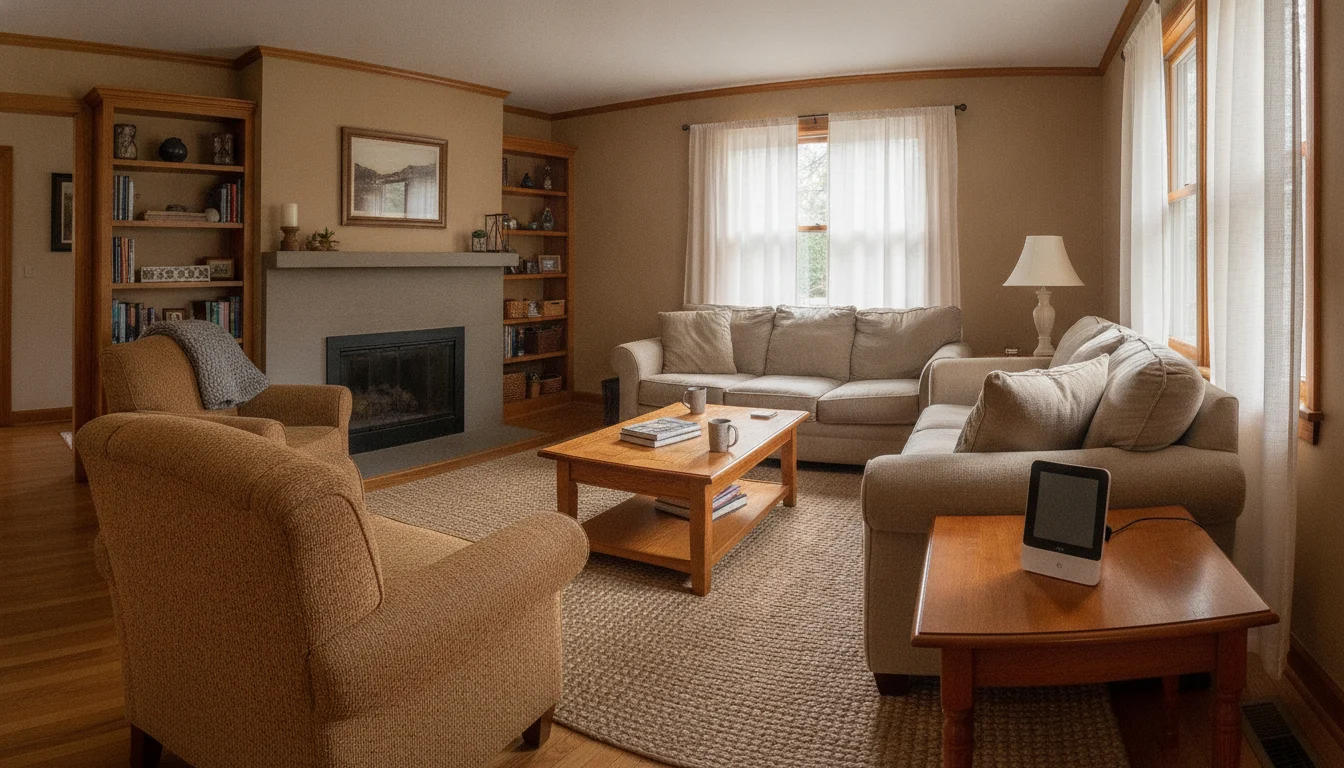
How to Test Indoor Air Quality in Your Home
How to test indoor air quality in a home: indoor air quality testing measures humidity, airborne particulates, carbon monoxide, volatile organic compounds, mold spores,…
-
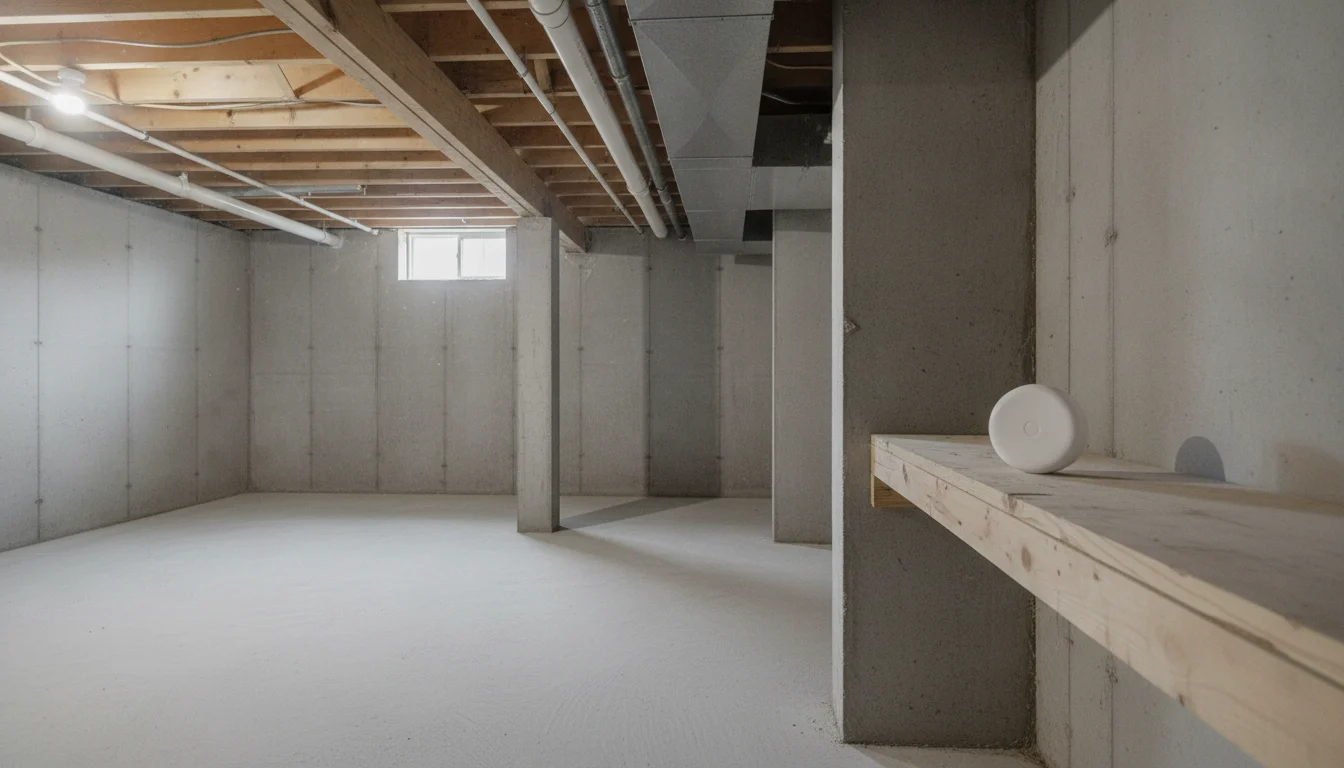
Is Radon Mitigation Necessary?
Is radon mitigation necessary? It is necessary when your home tests at or above 4.0 pCi/L, the EPA action level, and it is not…
-
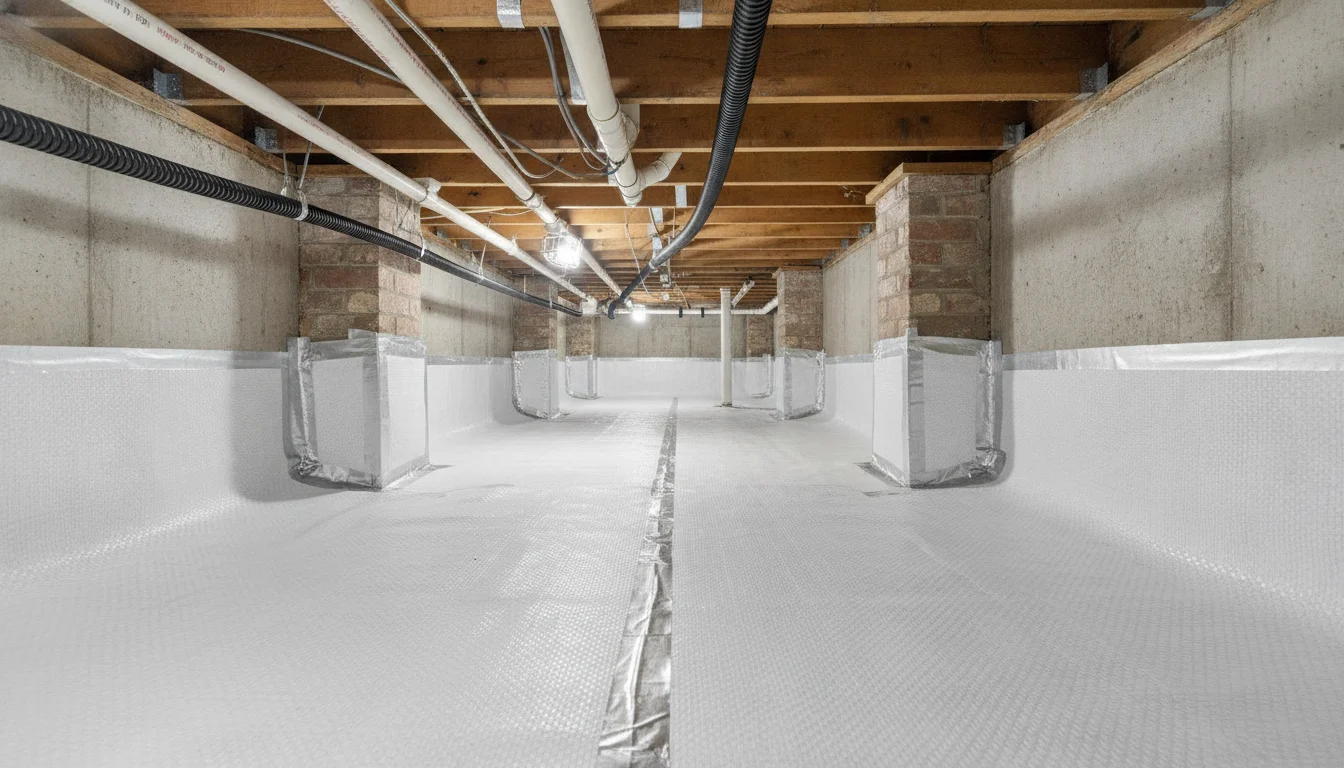
Does Crawl Space Encapsulation Add Value to Your Home?
Does crawl space encapsulation add value to your home? Yes, though usually not as a dollar-for-dollar line item on an appraisal the way a…
-
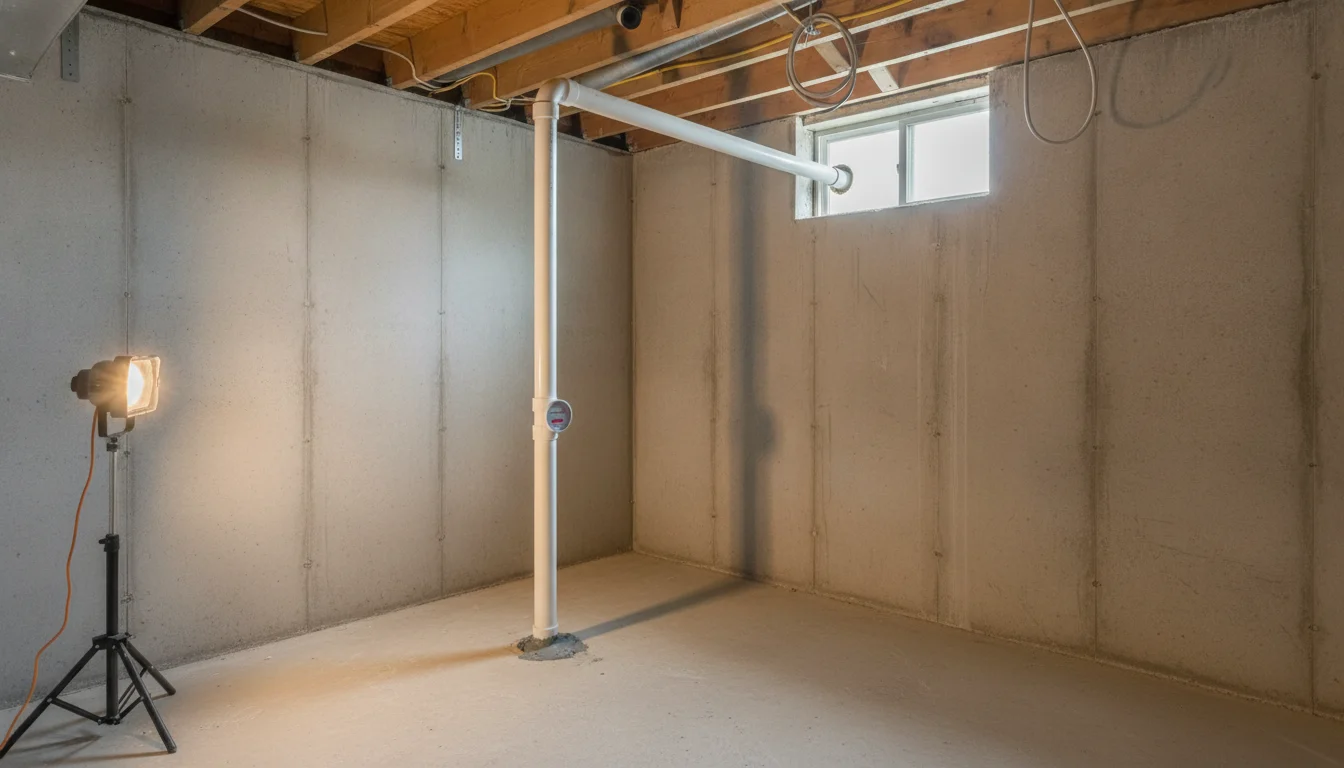
Basement Radon Mitigation Systems
A basement radon mitigation system is a sealed suction point cut into the basement floor, a PVC pipe that carries soil gas up through…
-
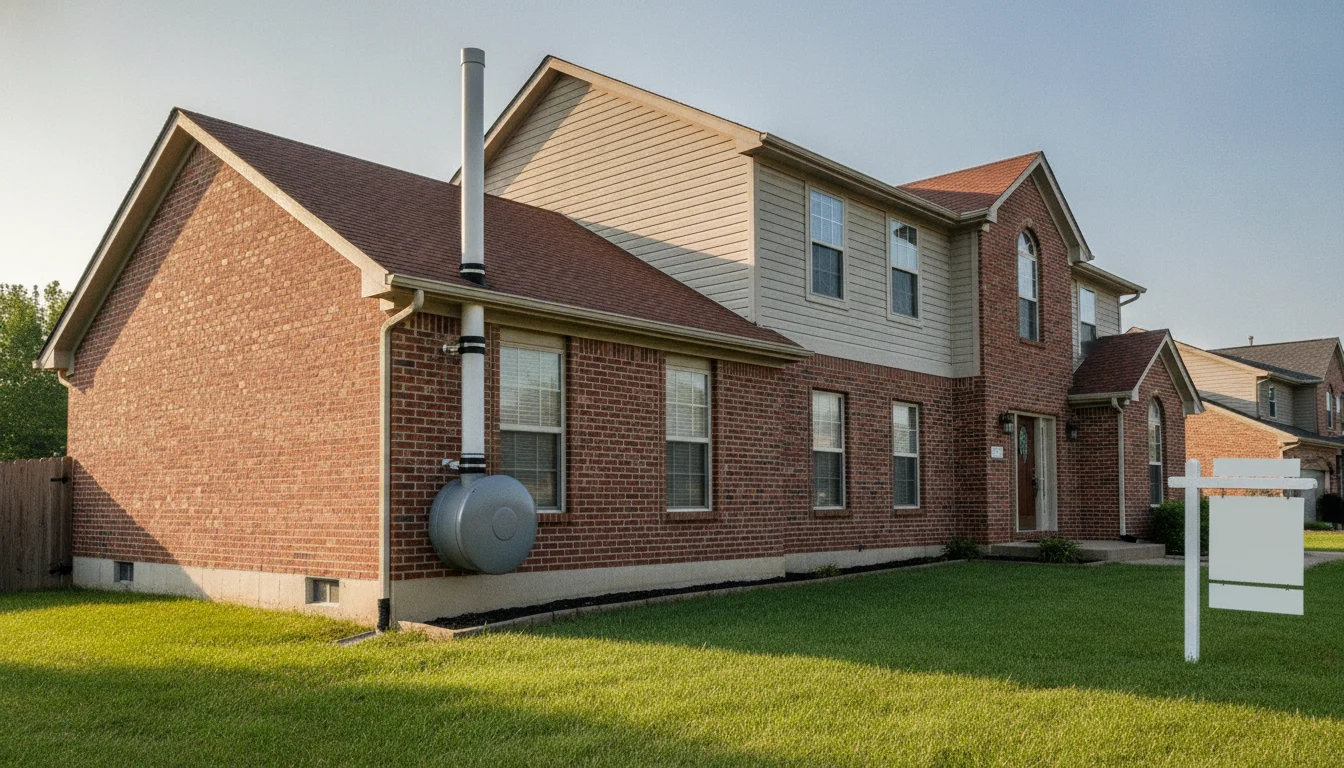
Should I Buy a House With a Radon Mitigation System?
Should I buy a house with a radon mitigation system? Yes, in almost every case: an existing radon mitigation system is a good sign…
-
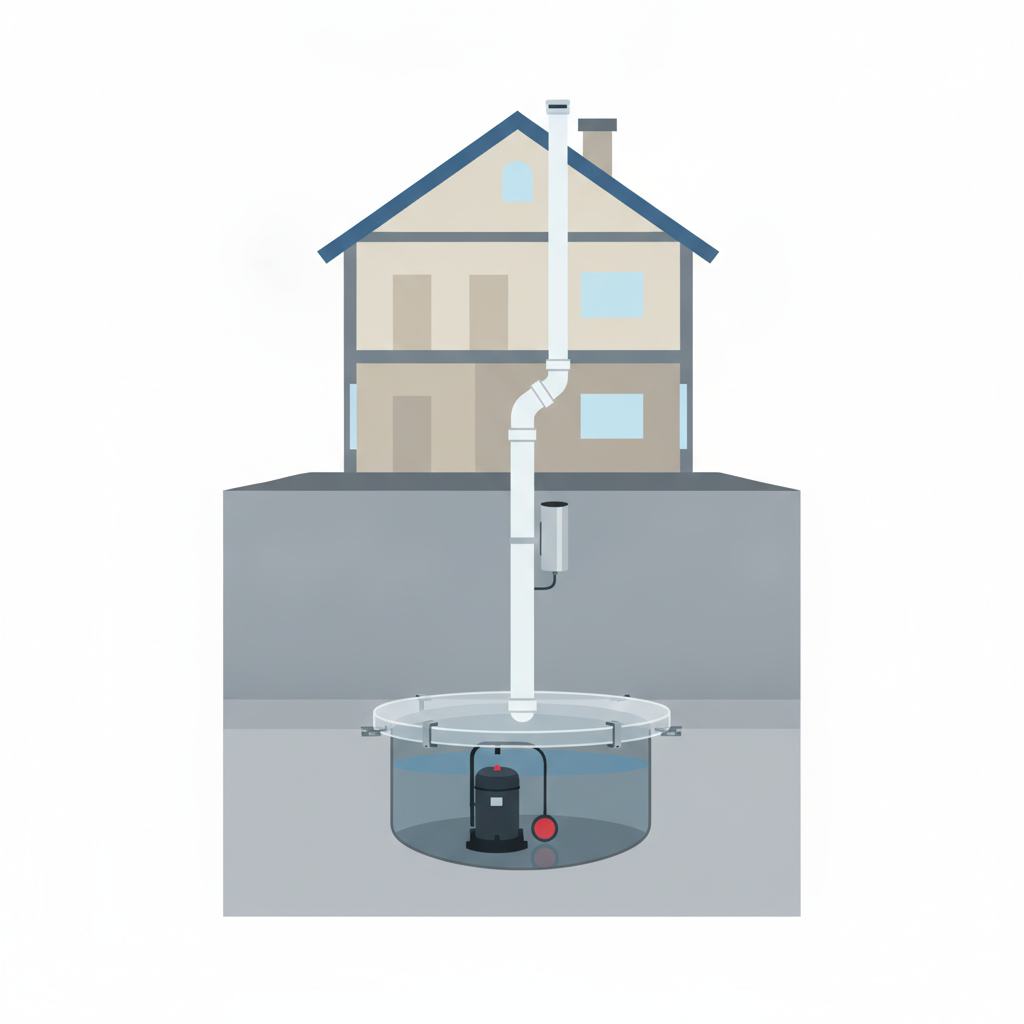
Sump Pump Radon Mitigation
Sump pump radon mitigation uses the sump pit your home already has as the suction point for a radon reduction system. Because the pit…
-
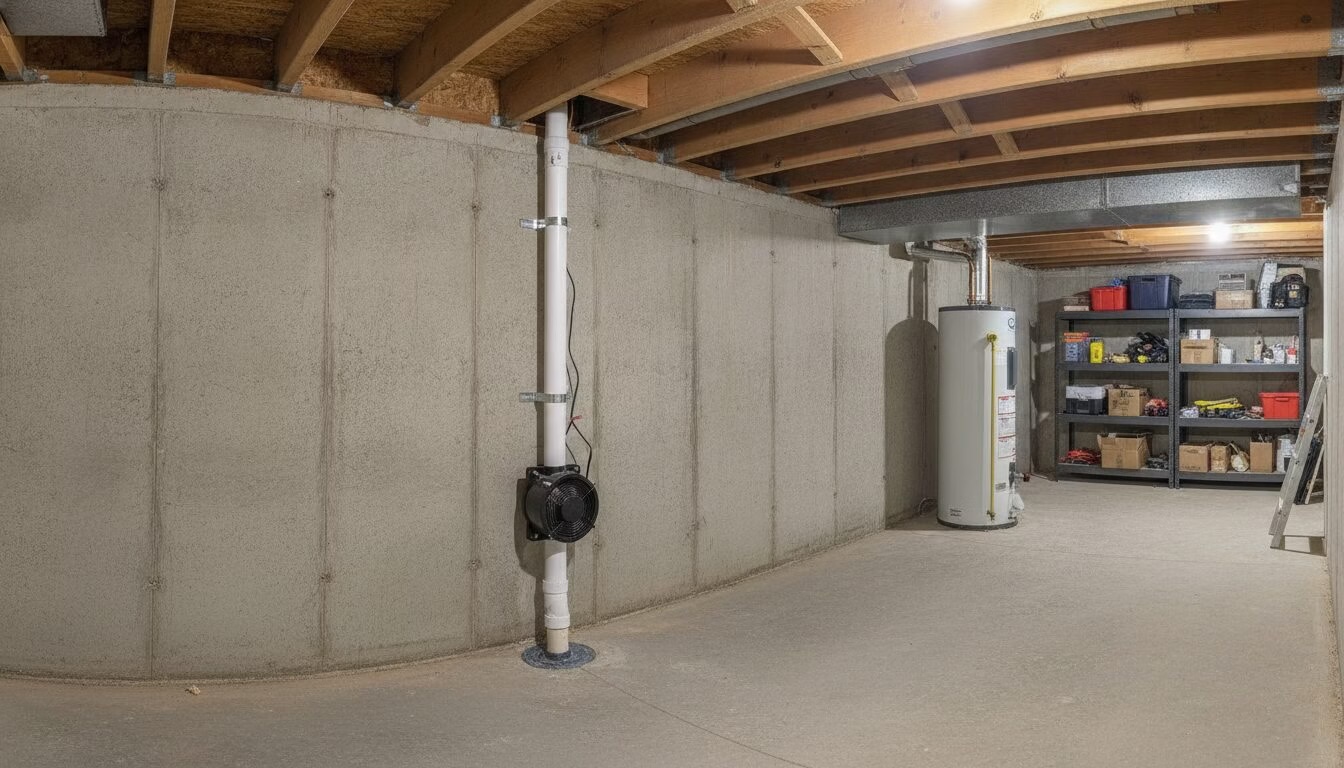
How to Get Rid of Radon in Your House
How to get rid of radon in your home: a radon mitigation system is the only reliable radon removal method. Radon is a radioactive…