Radon is an invisible threat that many homeowners overlook until it’s time to buy or sell a property. However, dealing with high radon levels is about much more than just a real estate transaction; it’s about keeping your family safe. This blog exists to break down the financial aspects of protection, specifically the cost of a radon mitigation system in St. Louis, MO, so that you can make informed decisions without stress.
We want to provide clear, transparent pricing information because budgeting for home repairs is often confusing. You deserve to know exactly what you are paying for and why it matters for your home’s safety. By understanding the factors that influence the price, you can approach the mitigation process with confidence and clarity.
Radon is a naturally occurring, radioactive gas that comes from the breakdown of uranium in soil, rock, and water. It seeps into homes through cracks in the foundation and other openings. You cannot see, smell, or taste it, which makes it particularly dangerous. Prolonged exposure to high levels of radon is the leading cause of lung cancer among non-smokers. Testing your home is the only way to know if you and your family are at risk. If levels are high, installing a mitigation system is the most effective way to reduce them.
The cost of radon mitigation can vary depending on factors such as the building’s size and layout, the severity of the radon problem, the chosen mitigation method, and the region where the building is located. The typical cost of radon mitigation in the United States ranges from $700 to $4,000, with an average cost of $1,300 to $1,600.
However, these figures keep changing due to factors such as inflation, technological advances, and shifts in market demand. For the most accurate information on radon mitigation cost, it is recommended to contact your local radon mitigation professionals for estimates tailored to your specific situation. They can provide you with a more precise cost based on factors relevant to your property and location.
Many homeowners ask, “How much does a radon mitigation system cost based on the type of system I need?” The answer largely depends on your home’s specific construction.
Active Suction Soil Depressurization: ($1,100 – $3,200)
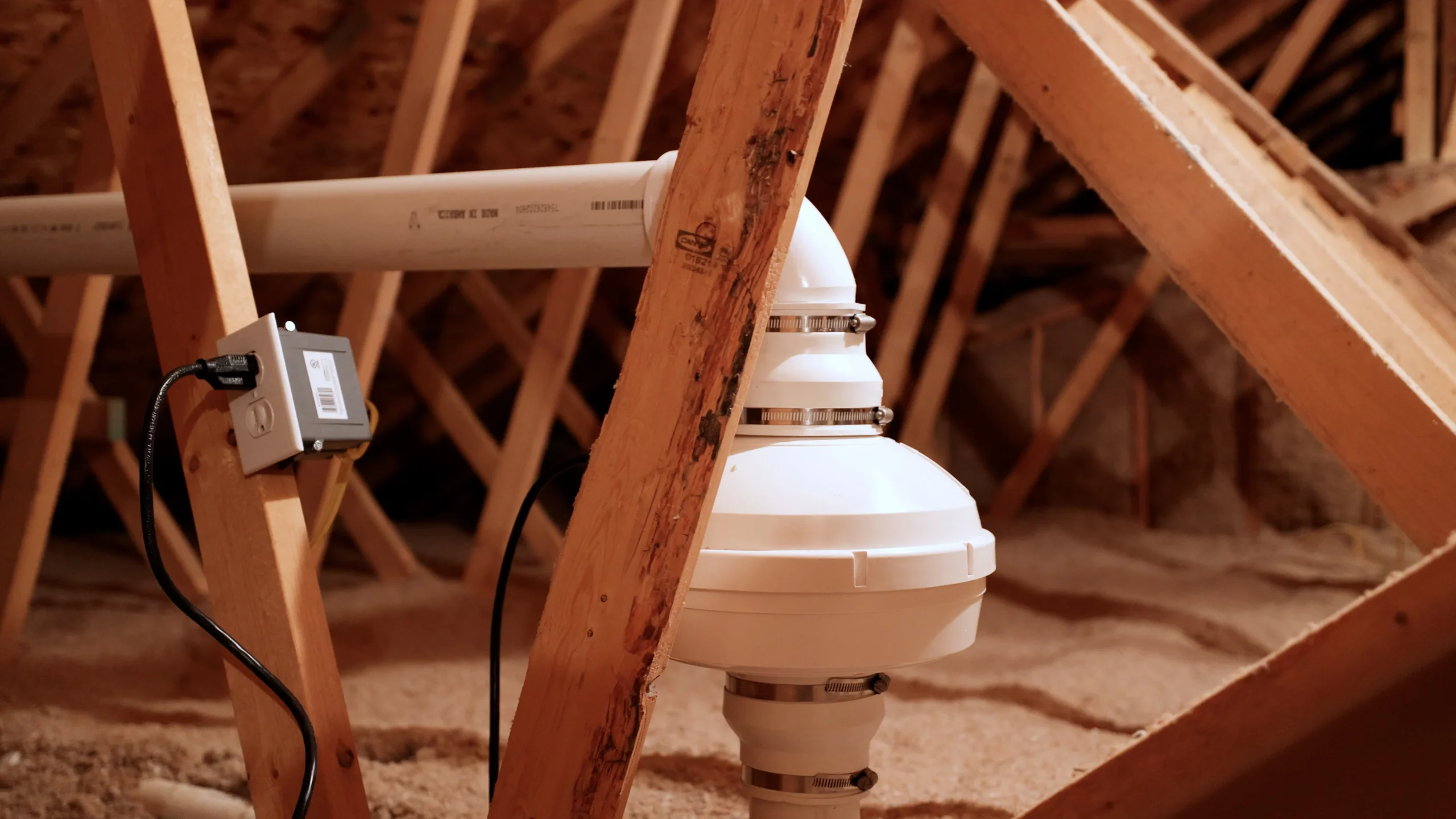
Active suction soil depressurization, also known as sub-slab depressurization, is a highly effective and most common method that involves installing a radon pipe and an active radon fan onto the house. The gases are pulled from beneath the foundation, exhausted to a safe, elevated area above the home, and released into the atmosphere.
Wall-Based Systems: ($500 – $3,000)
Wall-based systems involve installing ventilation or depressurization systems along the building’s walls to prevent radon infiltration. This method is common among older homes with block foundations.
Passive Depressurization: ($500 – $2,500)
Passive depressurization is similar to active suction soil depressurization but does not involve a fan. Instead, it relies on natural pressure differentials to draw radon out of the soil and vent it outside. It is not effective in case of high radon levels and is most common in new construction homes. Illinois law requires a passive system to be installed in all new construction. With a passive system in place, activating it with a powered fan is much better for the radon professional.
Crawl Space Encapsulation: ($500 – $5,000)
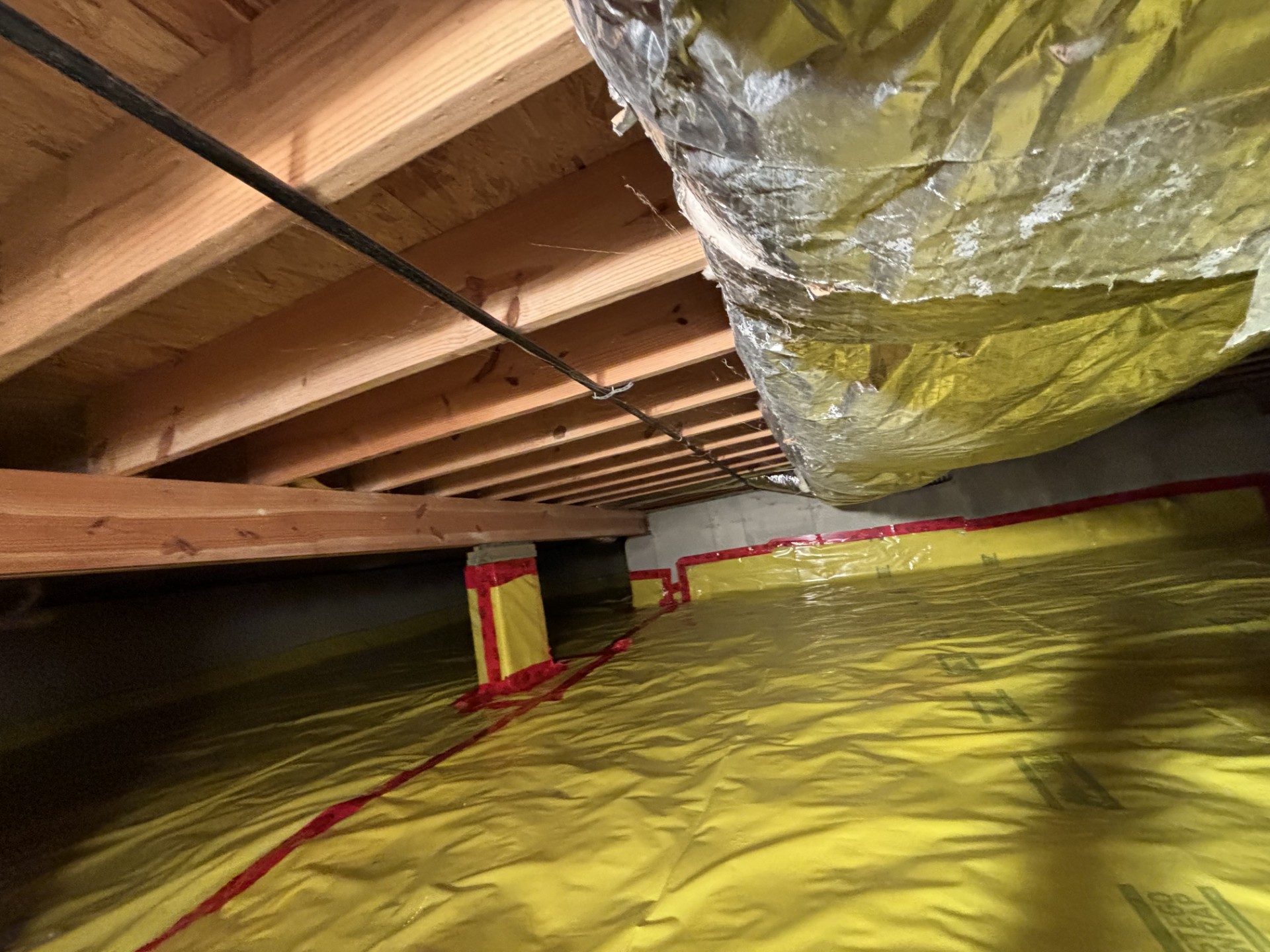
Similar to the active depressurization method listed above, crawl spaces are unique when it comes to mitigating radon. The exposed soil in the crawl space must be encapsulated with a vapor barrier, and at least 12″ of the foundation walls must be encapsulated. Once encapsulated, a radon fan and exhaust pipe are installed to depressurize the encapsulation area and pull radon gas from under the home’s vapor barrier to a safe discharge location outside the residence. The cost of installing this method is higher because it is very labor-intensive and is usually charged by the sq/ft due to the amount of material and time required.
Beyond the basic system type, several other variables can impact the final quote you receive. Here are 10 factors that may influence the cost of the radon mitigation system for your project.
Size and Layout of the Building: Larger buildings or those with complex layouts may require more extensive mitigation systems, thereby increasing overall costs.
Foundation Type: The type of foundation (e.g., slab-on-grade, basement, crawl space) can impact the complexity of the mitigation system needed, thereby influencing costs.
Radon Levels: Higher radon levels may necessitate more advanced mitigation systems, which can affect the overall cost of installation and ongoing maintenance.
Local Labor Rates: Labor costs vary by location, so areas with higher labor rates tend to have higher overall radon mitigation system installation costs.
Type of Mitigation System: Different mitigation techniques (e.g., sub-slab depressurization, crawl space encapsulation, and ventilation) have varying costs associated with equipment, materials, and labor.
Extent of Sealing Required: Sealing cracks and openings in the foundation to prevent radon entry may increase overall costs, especially if extensive sealing is required.
Regulatory Compliance: Compliance with local building codes and regulations may require additional measures or inspections, potentially increasing costs.
Warranty and Maintenance: Opting for systems with longer warranties or ongoing maintenance plans can affect upfront and long-term costs.
Contractor Experience and Reputation: Experienced, reputable contractors may charge higher prices for their services, but they often deliver higher-quality workmanship and greater reliability.
Additional Features: Optional features such as continuous monitoring systems or aesthetic considerations can increase the overall cost of the mitigation system.
To find a radon mitigation contractor, seek referrals, check online directories, and verify certifications from organizations like NRPP or AARST. Ensure the contractor offers a thorough evaluation, a tailored mitigation plan, and fair pricing. Validate their credentials and request references before finalizing your choice.
At Air Sense Environmental, we pride ourselves on delivering expert, safe, and professional service to every client. We understand that your home is your sanctuary, and we treat it with the utmost respect. Our licensed technicians use state-of-the-art diagnostic tools to design custom solutions that effectively lower radon levels without unnecessary disruption to your daily life. We believe in transparency and education, ensuring you understand every step of the process.
Your health is our priority. We don’t just install systems; we provide comprehensive indoor air quality solutions that protect your family from long-term health risks. From the initial consultation to the final cleanup, our team is dedicated to excellence and customer satisfaction. When you choose us, you are choosing a partner committed to making your home a safer place to live.
Typically, standard homeowners’ insurance policies do not cover radon mitigation systems or testing, as it is considered a maintenance issue rather than sudden damage.
Most standard residential radon mitigation systems can be installed in a single day, usually taking between three and five hours to complete fully.
Radon fans are energy-efficient. Running one typically costs about the same as running a standard light bulb, adding very little to your monthly electric bill.
The EPA recommends testing your home every 2 years, even if you have a mitigation system, to ensure levels remain low and the system continues to work.
Modern radon fans are very quiet. You might hear a slight hum or the sound of air moving, but it is generally unobtrusive.