
Air Sense Environmental
Indoor Air Quality Testing in St. Louis, MO
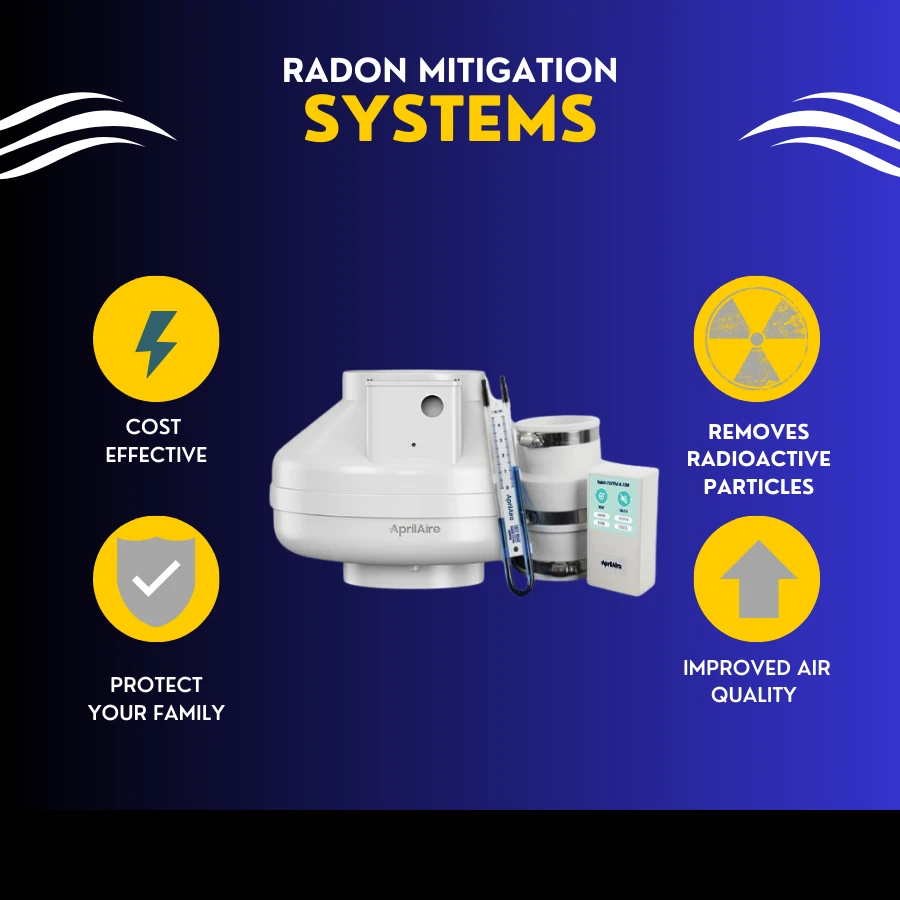
Indoor air quality testing measures the pollutants circulating inside your home, including dust and particulate matter, chemical vapors (VOCs), carbon dioxide, carbon monoxide, humidity, and allergens like mold spores, pet dander, and dust mites. Air Sense Environmental provides professional indoor air quality testing across St. Louis, MO, St. Louis County, St. Charles County, and the Illinois Metro East from our Edwardsville headquarters. The EPA reports that indoor air is often two to five times more polluted than outdoor air, and most of what affects it cannot be seen or smelled. A 48-hour professional test replaces guesswork with data, so you know exactly what is in your air and what to do about it. We are the same IEMA-licensed radon mitigation team (#RNM20232346) St. Louis homeowners trust for radon mitigation, and we arrange radon testing performed by an IEMA-licensed radon measurement professional, backed by a BBB A+ rating and 150+ five-star reviews.
What does an indoor air quality test measure?
An indoor air quality test measures five things in a St. Louis home: particulate matter, chemical vapors (VOCs), carbon dioxide and carbon monoxide, temperature and humidity, and, when you add it, radon. Every test tracks the pollutants that matter most in St. Louis-area homes:
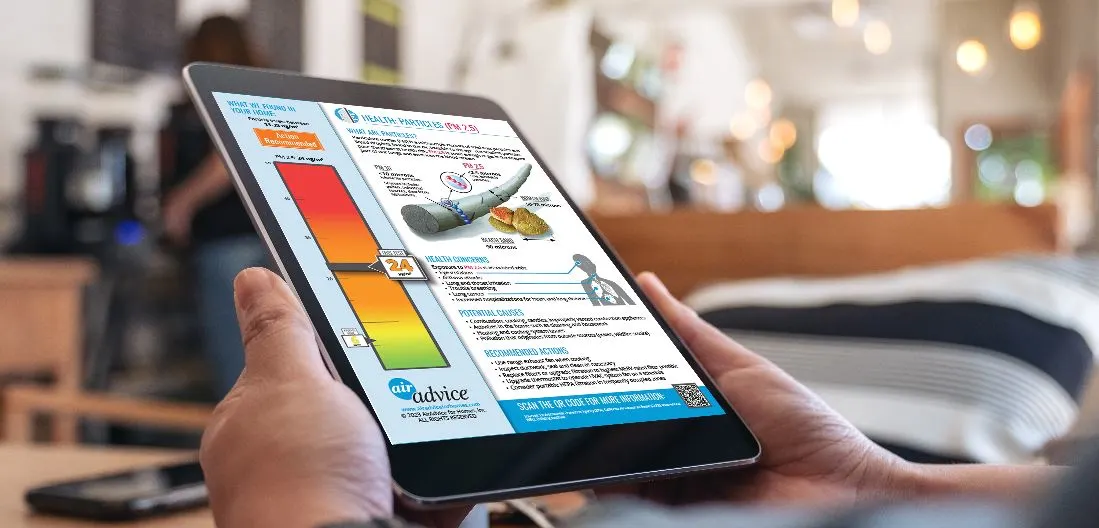
- Dust and particulate matter (PM2.5 / PM10). Fine particles from cooking, candles, wildfire smoke, and HVAC systems that penetrate deep into the lungs.
- Chemical pollutants (VOCs). Vapors released by paints, cleaners, new flooring, and furniture.
- Carbon dioxide and carbon monoxide. CO2 buildup signals poor ventilation. CO is a safety concern from furnaces, water heaters, and attached garages.
- Temperature and relative humidity. St. Louis summers push indoor humidity into the range where mold and dust mites thrive. Sustained readings above 60 percent are a warning sign, especially when crawl space humidity is feeding the problem from below.
- Radon (optional add-on). We can arrange a continuous radon monitor test, performed by an IEMA-licensed radon measurement professional, alongside your air quality test. The EPA action level for radon is 4.0 pCi/L; if your reading comes back at or above it, we handle mitigation too.
Indoor air quality testing in St. Louis homes
When should you test your home’s indoor air quality?
You should test your home’s indoor air quality when anyone in the house has unexplained allergy or respiratory symptoms, after a renovation or new flooring, when humidity stays high, before buying or selling, and any time you want proof rather than a guess. These are the eight reasons St. Louis homeowners book a test:
Health Protection
Indoor air quality testing helps identify harmful pollutants such as mold spores, allergens, bacteria, and viruses that can cause or exacerbate respiratory issues, allergies, and other health problems.
Allergen Reduction
Testing can uncover the presence of common allergens like pet dander and dust mites, allowing you to take steps to reduce their levels and create a more comfortable living environment.
Mold Detection
Mold can grow undetected in hidden areas, leading to health issues and structural damage. Testing identifies mold presence early, enabling timely remediation.
Peace of Mind
Knowing the quality of the air in your home provides peace of mind, especially if you have young children, elderly family members, or individuals with compromised immune systems.
Improved Airflow and Ventilation
Testing can reveal issues with your HVAC system, helping you improve ventilation and airflow, which is crucial for maintaining good air quality.
Radon Awareness
Radon is a colorless, odorless radioactive gas and the second leading cause of lung cancer in the United States per the EPA. Testing detects your level; the EPA recommends action at 4.0 pCi/L or higher. We coordinate radon testing and handle the mitigation.
Enhanced Comfort
By identifying and addressing air quality issues, you can enhance overall comfort in your home, reducing symptoms like headaches, fatigue, and irritation of the eyes, nose, and throat.
Increased Home Value
A home with verified good indoor air quality can be more attractive to potential buyers, increasing its market value and ensuring a healthier environment for future occupants.
How does an indoor air quality assessment work?
An indoor air quality assessment from Air Sense Environmental is a 48-hour continuous monitoring test, not a spot check. A monitor records the air at one-minute intervals, and you receive a written report that shows which readings sit outside healthy ranges and what to do about each one. The process is thorough, non-invasive, and designed to deliver clear, actionable insights.
The three steps of an air quality assessment
- Strategic monitor placement. We place one or more Model 5200 IAQ Monitors in key areas of your home. These devices are quiet, unobtrusive, and begin collecting data immediately.
- Continuous data collection for at least 48 hours. The monitor measures and records key air quality parameters at one-minute intervals, giving a dynamic view of your home’s air through the day and night.
- Analysis and a written report. Once the monitoring period ends, the data is analyzed and compiled into a detailed, easy-to-understand report that shows your home’s air quality levels, identifies the problems, and gives you the insights needed for a healthier home. We walk you through every finding and what it means for your house.
The monitor tracks:
- Dust and particulate matter (PM2.5 and PM10)
- Chemical pollutants (VOCs)
- Carbon dioxide (CO₂) and carbon monoxide (CO)
- Temperature and relative humidity
What happens after your indoor air quality test results?
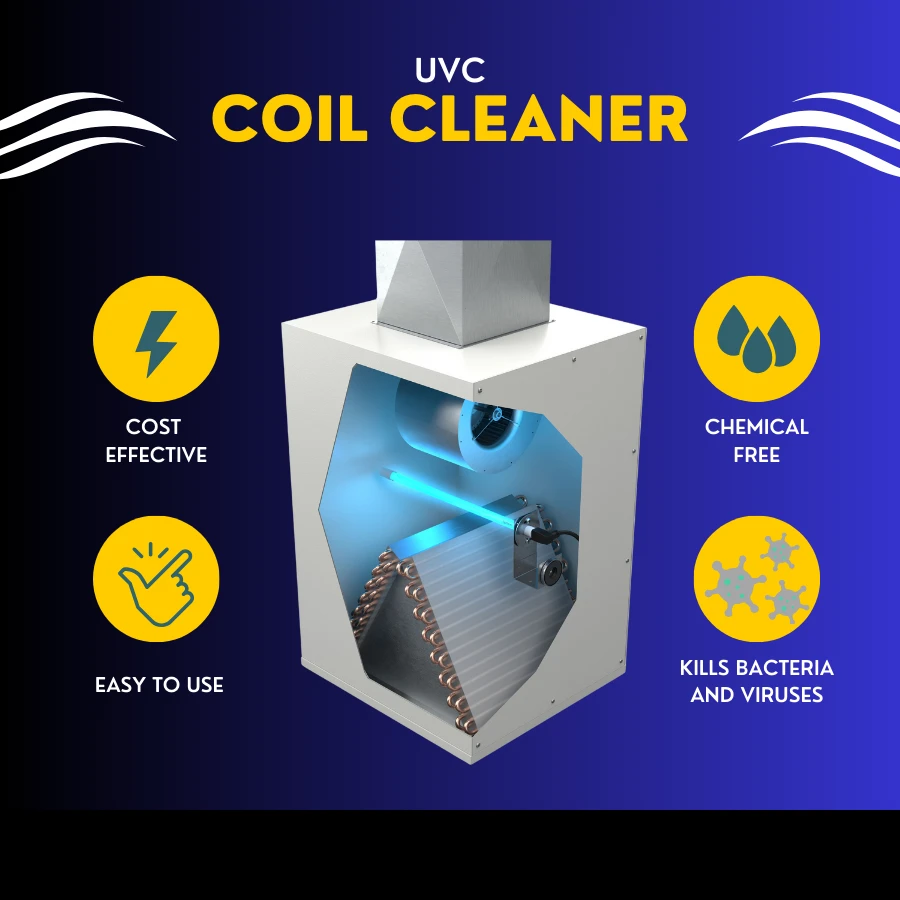
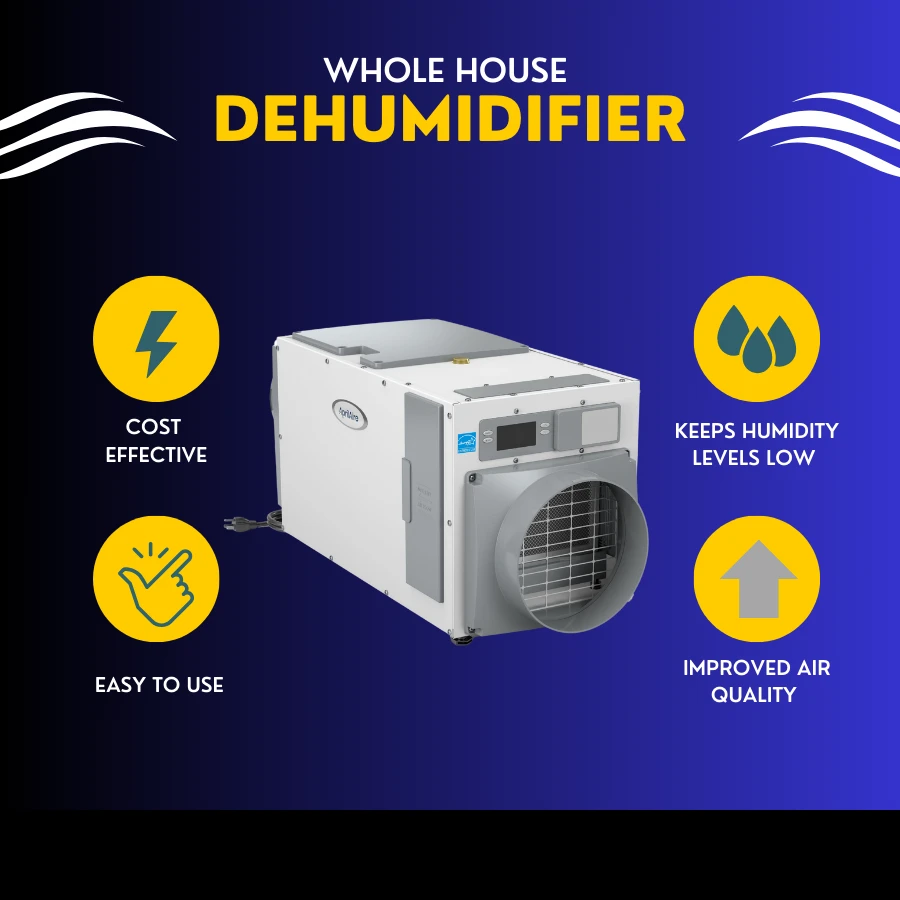
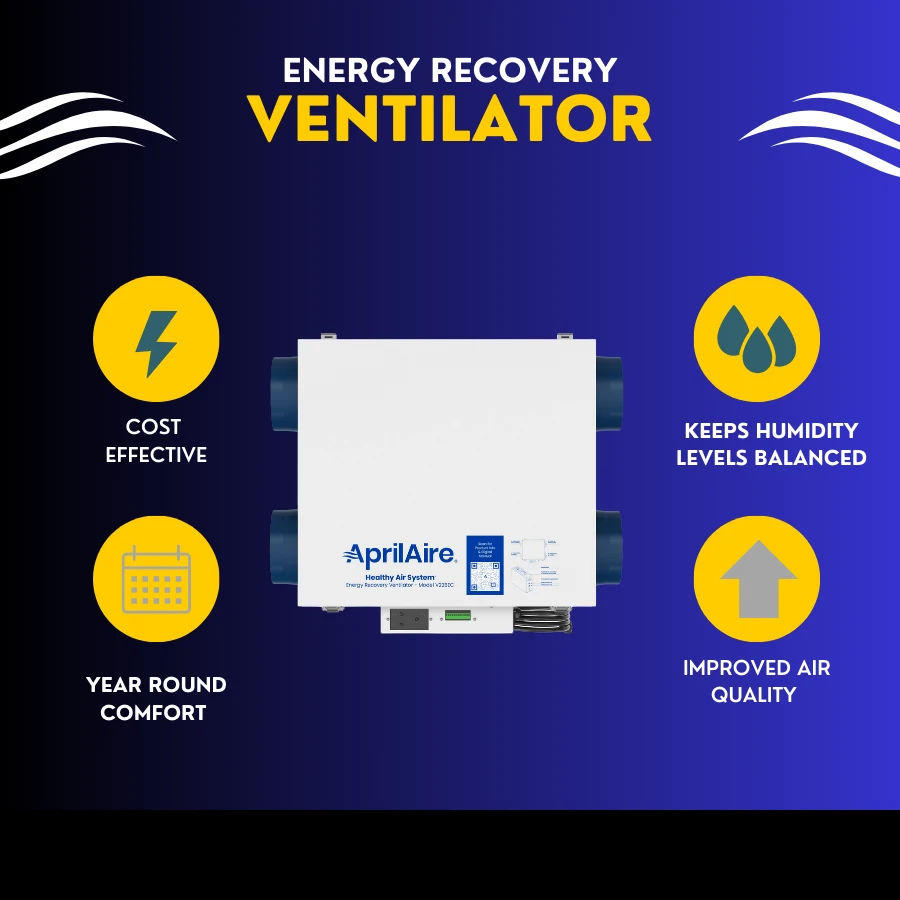
After your indoor air quality test results come back, Air Sense Environmental recommends and installs the specific fix the report calls for: a whole-home dehumidifier for high humidity, an energy recovery ventilator for stale air and rising CO2, a coil cleaning or filtration upgrade for particulates, or a radon mitigation system if radon is at or above the EPA action level of 4.0 pCi/L. Testing tells you what is wrong. We also fix it. Air Sense Environmental installs and maintains AprilAire indoor air quality equipment, including the E100 whole-home dehumidifier and the Model V22BEC energy recovery ventilator, matched to what your report actually shows. No generic upsells, just the fix your data calls for.
We proudly install and trust only AprilAire products. As a leader in indoor air quality since 1938, AprilAire’s innovative and reliable products ensure the highest standards of air purification and climate control. Our expert team handles every aspect of the process, from the initial consultation and installation to ongoing monitoring and maintenance, ensuring your home remains a sanctuary of clean air.
When you choose Air Sense Environmental, you gain a partner dedicated to keeping the air in your home healthy year-round. Experience peace of mind with our comprehensive approach and the proven performance of AprilAire products. Together, we can create a healthier living space for you and your family.
At Air Sense Environmental, our commitment goes beyond merely testing your indoor air quality; we are dedicated partners in your journey to a healthier, safer home. By offering turnkey solutions, including installation and long-term monitoring of top-tier products like the Aprilaire E100 Dehumidifier and the Model V22BEC Energy Recovery Ventilator, we ensure you benefit from improved air quality, enhanced comfort, and significant energy savings. Trust in our expertise and the proven performance of AprilAire, a leader in indoor air quality since 1938. Together, we can create a sanctuary of clean, fresh air, protecting your family and your home for years to come. Breathe easy with Air Sense Environmental, your partner in optimal indoor air quality. Book your free in-home consultation today and take the first step towards a healthier living environment.
Where does Air Sense Environmental provide indoor air quality testing?
Air Sense Environmental provides indoor air quality testing across the St. Louis metro from its Edwardsville, Illinois headquarters: St. Louis City and County, St. Charles County, Jefferson County and Franklin County in Missouri, and Madison and St. Clair counties in Illinois. Local pages cover:
- Indoor Air Quality in Ballwin, MO
- Indoor Air Quality in Belleville, IL
- Indoor Air Quality in Chesterfield, MO
- Indoor Air Quality in Edwardsville, IL
- Indoor Air Quality in Eureka, MO
- Indoor Air Quality in Florissant, MO
- Indoor Air Quality in Kirkwood, MO
- Indoor Air Quality in Maryland Heights, MO
- Indoor Air Quality in O’Fallon, IL
- Indoor Air Quality in O’Fallon, MO
- Indoor Air Quality in St. Charles, MO
- Indoor Air Quality in St. Louis, MO
- Indoor Air Quality in St. Peters, MO
- Indoor Air Quality in Wentzville, MO
- All service areas
Indoor Air Quality Testing FAQs
How much does indoor air quality testing cost in St. Louis?
Pricing depends on home size and how many monitoring locations you need. Most single-family homes need one to two monitors. Call 314-664-9807 for a free consultation and exact quote. There is no charge to talk through whether testing makes sense for your situation.
How long does the test take?
The monitor collects data for at least 48 hours, recording at one-minute intervals. You receive your report shortly after the monitoring period ends.
What happens if my results are bad?
Your report identifies the specific problem: humidity, particulates, VOCs, ventilation, or radon. We recommend the targeted fix, whether that is a dehumidifier, ventilation upgrade, or a radon mitigation system, and we install it ourselves. For radon, the result is confirmed by a follow-up test from an IEMA-licensed radon measurement professional.
Do I need this if I already changed my HVAC filter?
Filters catch some particulates but do nothing for VOCs, CO2, humidity, or radon. Testing shows whether your current setup is actually working.
How do I check indoor air quality?
Start with a consumer monitor for a rough read on carbon dioxide, humidity and particles, but treat it as a screen. A professional indoor air quality test uses calibrated equipment, measures more pollutants and explains the results for your house. Most general air quality monitors do not measure radon, so it needs its own test. Air Sense Environmental offers indoor air quality testing and can arrange radon testing performed by a separately licensed radon measurement professional.
What are signs of poor indoor air quality?
Common signs include stuffy or stale air, lingering odors, condensation on windows, fast dust buildup, and headaches, irritated eyes, coughing or tiredness that ease when you leave the house. Some important pollutants, including radon and carbon monoxide, give no warning sign at all, so feeling fine does not mean the air is clean. Testing is the only way to know what is in your home’s air.
What causes poor indoor air quality?
The EPA names indoor pollution sources and inadequate ventilation as the main causes. Sources include fuel-burning appliances, tobacco smoke, cleaning products, new furnishings and building materials that release volatile organic compounds, and radon from the soil. Tight homes with little fresh air let these pollutants build up, and high temperature and humidity can raise concentrations of some of them.
What are the acceptable limits for indoor air quality?
No single federal limit covers all indoor air. Individual pollutants have their own reference points instead, such as the EPA action level of 4.0 pCi/L for radon, and the EPA recommends keeping indoor humidity below 60 percent, ideally between 30 and 50 percent. A professional indoor air quality test compares each reading in your home with the guideline that applies to that pollutant.
Can bad air quality cause dizziness?
Yes. The EPA lists dizziness, along with headaches, fatigue and eye, nose and throat irritation, among the immediate effects of some indoor air pollutants. Sudden dizziness or headache with nausea can also signal carbon monoxide, which is an emergency: get everyone outside and call 911. For ongoing symptoms, see a doctor, and consider an indoor air quality test to look for a source in the home.
Ready to know what you are breathing? Book your free in-home consultation today. Call 314-664-9807.
Get Your Number
Radon under control. Air you can trust.
Free in-home estimate, custom-designed system, 24-hour availability.