
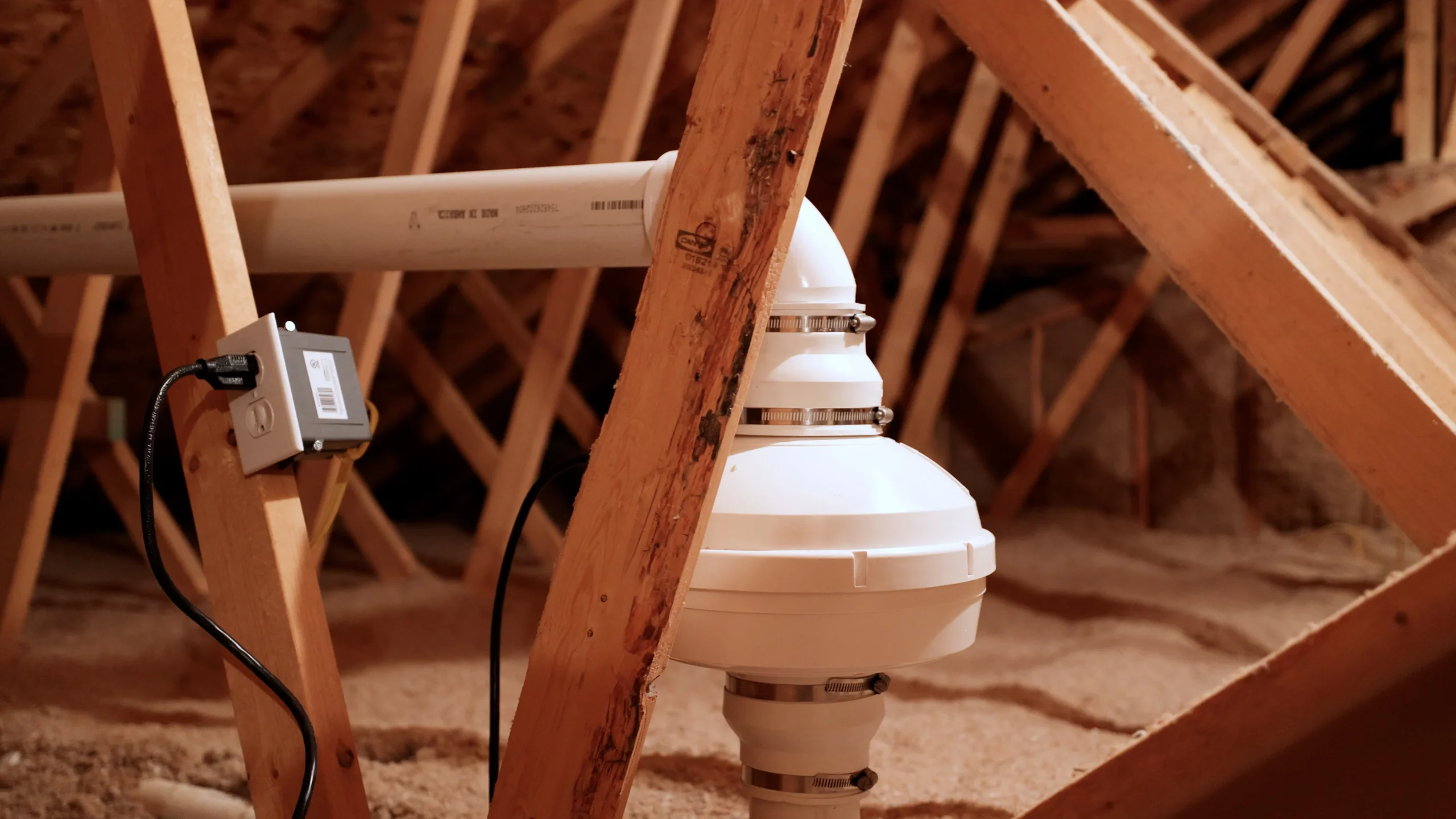
Radon is one of the issues that needs to be addressed seriously before it’s too late. Many people only think about radon after hearing about it during a home sale or seeing it come up in routine testing. Taking action early is always better when it comes to this hidden danger. In this blog, we’ll explain how radon mitigation works so you know what’s involved and why every step matters.
This guide simplifies radon reduction and explains why hiring professionals is essential. You’ll learn how these systems protect your family from invisible, odorless dangers. By the end, you’ll understand what to expect and how each part keeps your home’s air safe.
Radon is a radioactive gas that forms naturally when uranium decays in soil, rock, and water. It moves up through the ground and enters buildings through cracks in foundations, gaps around service pipes, and construction joints. Because you cannot see, smell, or taste it, it often goes undetected without proper testing. The Environmental Protection Agency EPA warns that prolonged exposure to high levels of radon is the leading cause of lung cancer among non-smokers. Testing is the only way to know if your home has elevated levels, measured in picocuries per liter (pCi/L). If your results are high, taking action is critical for your health.
The most common method for reducing radon is Active Soil Depressurization (ASD). This system works by altering the air pressure relationship between the soil beneath your home and the interior of your house. A radon mitigation system pulls air from underneath the foundation before it can enter your living space.
Technicians install a pipe into the soil beneath the slab or a membrane in a crawl space. A specialized fan creates a vacuum (suction) in the pipe, drawing radon-laden soil gas up through it. The system then vents this gas safely outside, above the roofline, where it dissipates harmlessly into the atmosphere. This method effectively prevents radon from accumulating inside, keeping your indoor air safe for you and your family.
There are two main types of radon mitigation systems: active and passive.
Active radon mitigation is used when a home is already built, and radon has been detected. A professional installs a system that pulls radon out from under the foundation and safely vents it outside. The vent must reach the right height and spot so radon doesn’t re-enter the house.
Passive radon mitigation occurs during home construction. Builders use special materials and design features to help prevent radon from entering in the first place. While this helps lower the risk, it doesn’t guarantee complete protection. It’s always smart to test any home—even new ones—before moving in.
The method used depends on the home’s foundation. For basements or slab-on-grade foundations, sub-slab suction is standard. This method involves inserting suction pipes through the floor slab into the material underneath. A fan then draws the radon gas out from below the concrete.
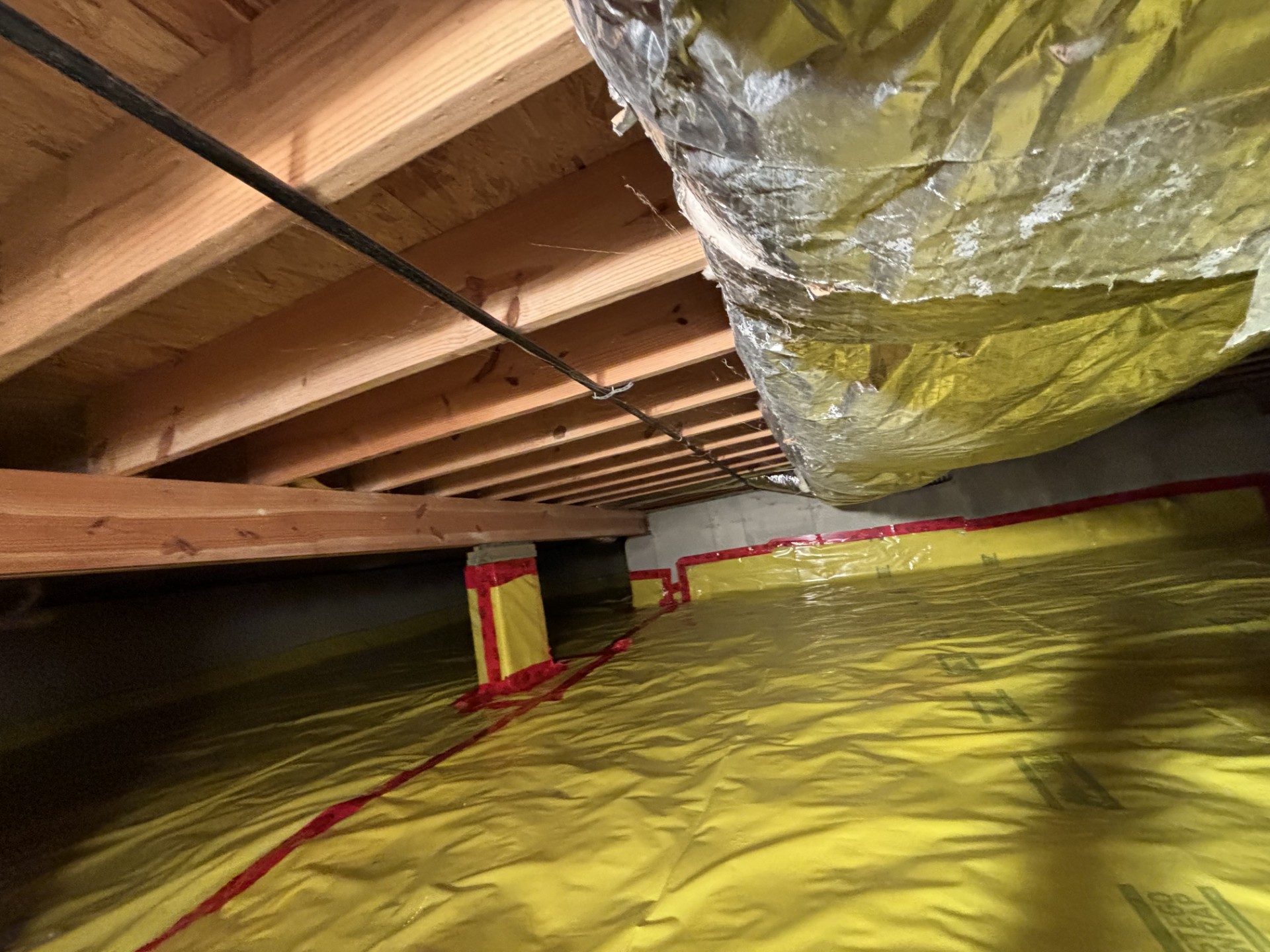
For homes with crawl spaces, radon mitigation services often use sub-membrane suction. This technique involves covering the earth floor with a high-density plastic sheet, and then a vent pipe and fan draw the radon from under the sheet to the outdoors. Each system is designed to create a vacuum effect, capturing and removing radon before it can spread indoors.
A professional installation involves several critical components that work together to ensure efficiency and safety. Here are five key elements of a successful mitigation project.
Before installation, professionals often perform pressure field extension testing. This determines how easily air moves under your foundation, helping technicians decide the best location for suction points and the appropriate fan size for the job.
Technicians seal accessible cracks in the foundation, gaps around pipes, and the slab perimeter. This sealing improves the system’s vacuum effect and prevents conditioned air from being sucked out of your home.
The heart of the system is the fan, which runs continuously to maintain suction. These fans are designed to run quietly and efficiently for years, ensuring that the system operates without needing constant attention.
Every system includes a U-tube manometer, a simple gauge on the pipe. It shows you at a glance that the fan is creating a vacuum. If the fluid levels are even, the system needs service.
After the system runs for at least 24 hours, a follow-up test ensures the system is working correctly. This confirms that the levels have dropped below the EPA action level of 4.0 pCi/L.
At Air Sense Environmental, we are dedicated to providing top-tier indoor air quality solutions. Our team consists of certified professionals who follow the strict standards set by the National Radon Proficiency Program. We combine technical expertise with a genuine commitment to your safety, ensuring that every installation is tailored to your home’s unique needs. We explain the process clearly, so you understand exactly how radon mitigation works in your specific situation.
We prioritize your health and satisfaction above all else. Our client-centric approach means we treat your home with respect, leaving it cleaner and safer than we found it. From the initial consultation to the final test, we stand by our work with reliable warranties and ongoing support. Choose us as a partner who cares deeply about protecting your family from environmental hazards.
Yes, the fan must run continuously to maintain the vacuum beneath your home. Turning it off allows radon levels to return to pre-mitigation concentrations.
Most high-quality radon fans last 5 to 10 years. Air Sense Environmental uses durable fans designed for long-term performance and reliability.
The impact is minimal. A standard radon fan uses about the same amount of electricity as a 60-watt light bulb, adding very little to monthly costs.
It is not recommended. Proper design and installation require specialized diagnostic tools and training to ensure the system effectively lowers radon levels and meets safety codes.
Once vented above the roofline, radon mixes with outdoor air and dilutes to harmless levels almost immediately, posing no risk to you or your neighbors.