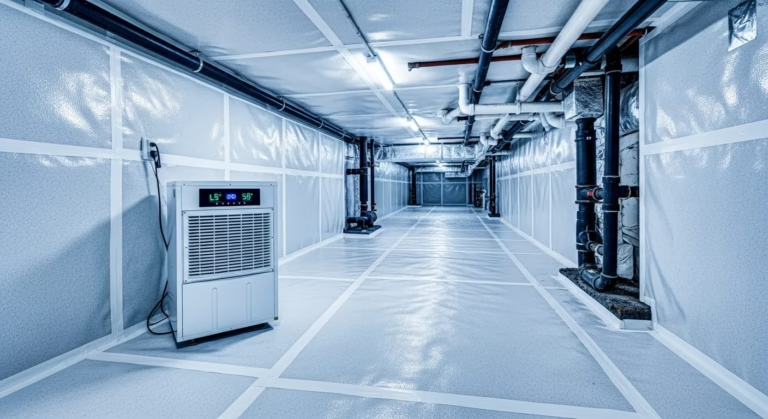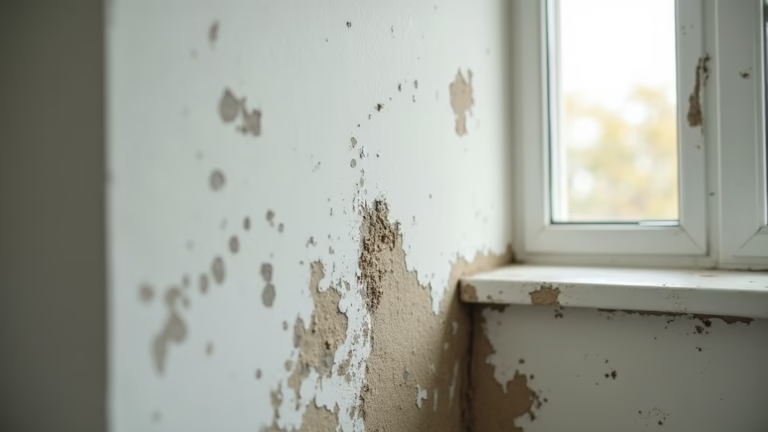
Understanding and controlling moisture beneath your St. Louis home is vital, as unchecked dampness degrades structural materials and compromises indoor air quality. This guide illuminates the subtle indicators of crawl space trouble, helping you distinguish between simple high humidity and serious systemic issues like wood rot or mold growth. You will learn the crucial differences between applying a standard vapor barrier and committing to a full encapsulation system, evaluating the long-term costs against the immediate benefits of healthier air and reduced energy bills. Furthermore, we examine the necessary equipment, such as specialized dehumidifiers and sump pumps, that forms the backbone of any sustainable moisture defense strategy. By mastering these concepts, you gain the knowledge needed to secure the health of your structure and the comfort of your living space against the region’s demanding climate conditions.
Identifying Crawl Space Moisture Problems in Your Home
Recognizing the early warning signs of excessive moisture is the first step in effective crawl space moisture control. Because this area is tucked away beneath your floors, many homeowners fail to notice a problem until it has caused significant damage to the structure or air quality.
Common Signs of Moisture and Humidity Issues
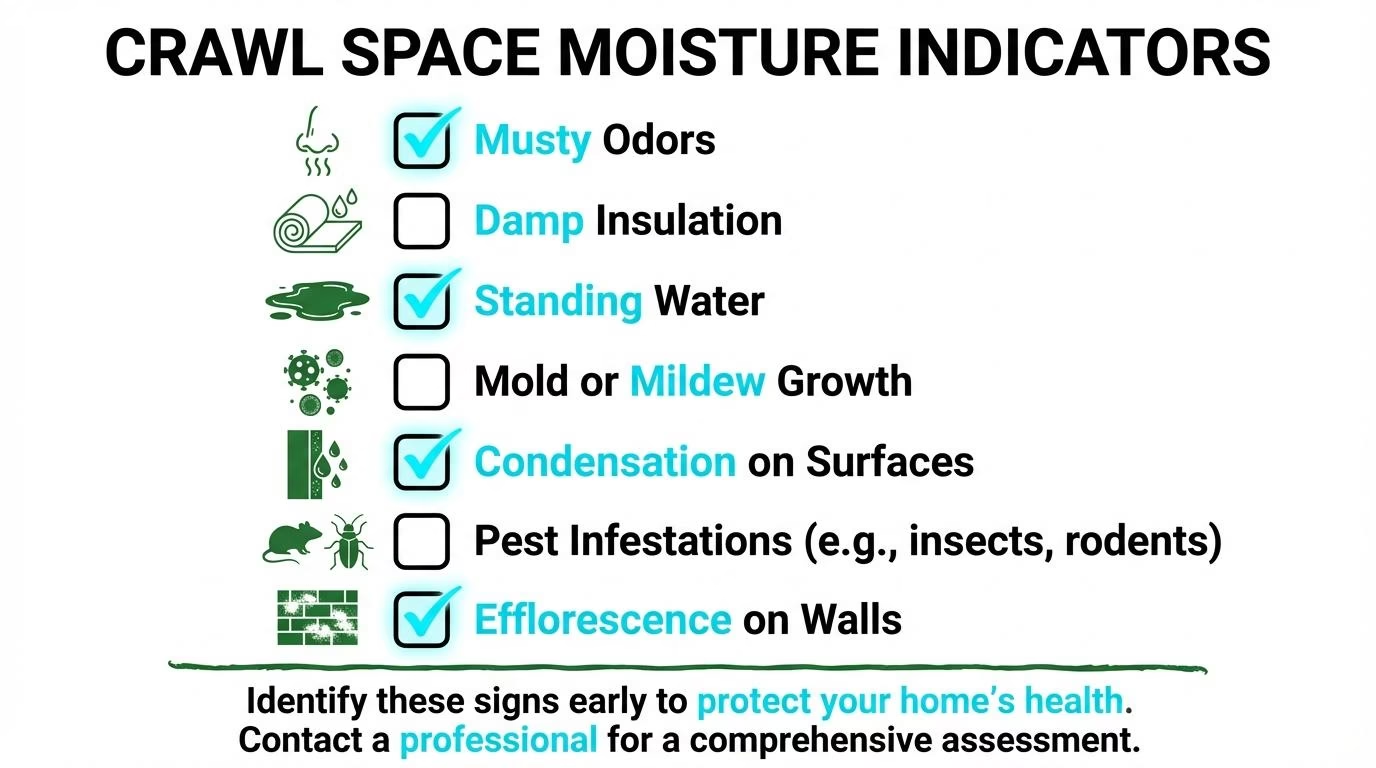
Detecting moisture issues doesn’t always require a professional inspection. You can often identify a problem by keeping an eye (and nose) out for these common red flags:
- Musty Odors: A persistent "damp basement" smell often indicates active mold or mildew growth.
- Standing Water: Puddles on the dirt floor or vapor barrier suggest poor drainage or foundation leaks.
- Sagging or Soft Floors: Excessive moisture weakens wooden floor joists and subflooring over time.
- Wet Insulation: Fiberglass batts that are heavy, drooping, or water-stained lose their R-value and trap moisture.
- Visible Mold: Discoloration on wooden beams or floor joists is a clear sign of high humidity.
- Condensation on Pipes: Water droplets forming on cold water lines or HVAC ducts.
- Pest Infestations: Termites, cockroaches, and silverfish are naturally drawn to damp, dark environments.
In the St. Louis area, these issues are particularly common during the summer. When warm, humid outdoor air enters a relatively cool crawl space through vents, it reaches its dew point, causing immediate condensation on surfaces.
Monitoring Crawl Space Humidity Levels
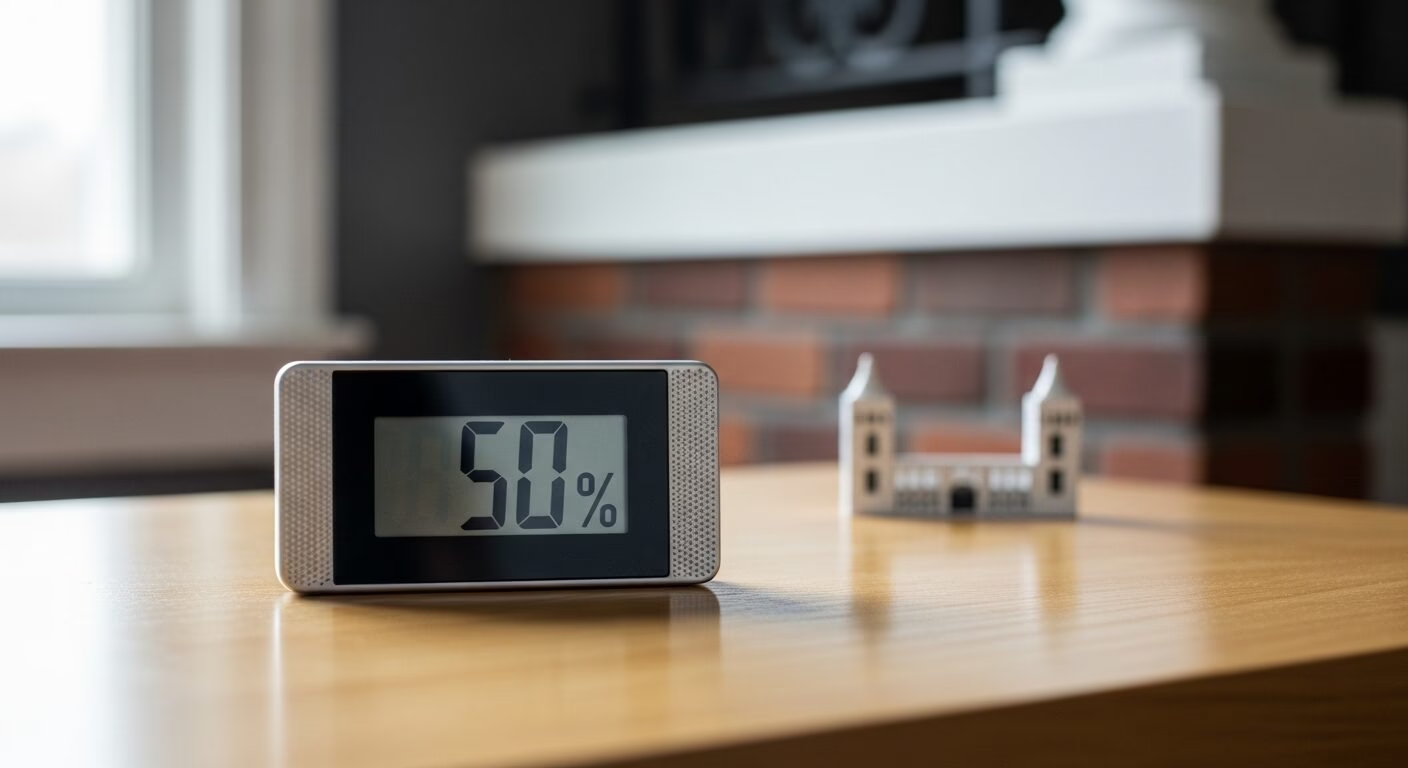
The most accurate way to assess your crawl space health is by monitoring the relative humidity (RH). For a healthy home environment, the humidity in your crawl space should ideally remain between 45% and 55%.
If the RH consistently exceeds 60%, the environment becomes a breeding ground for mold growth and wood-destroying fungi. Conversely, levels that are too low can cause wood to shrink and crack, though this is rare in Missouri’s climate.
To keep a close eye on these levels, we recommend installing a wireless hygrometer. This device allows you to monitor the conditions beneath your home from the comfort of your living room.
Managing these levels is essential not just for the structure, but for your health. High humidity in the crawl space significantly impacts your indoor air quality through the "stack effect," drawing allergens and moisture upward into your living areas.
Vapor Barrier vs. Full Encapsulation: Choosing the Right Solution
When addressing crawl space moisture control, homeowners must decide between a standard ground cover and a comprehensive sealing strategy. While both aim to reduce humidity, their effectiveness in protecting your home’s structural integrity and air quality differs significantly.
What is a Crawl Space Vapor Barrier?
A vapor barrier is a high-density polyethylene sheet spread across the dirt floor of a crawl space. Its primary function is to prevent "ground moisture" from evaporating into the air under your home. However, a vapor barrier alone does not address moisture entering through foundation walls or open vents.
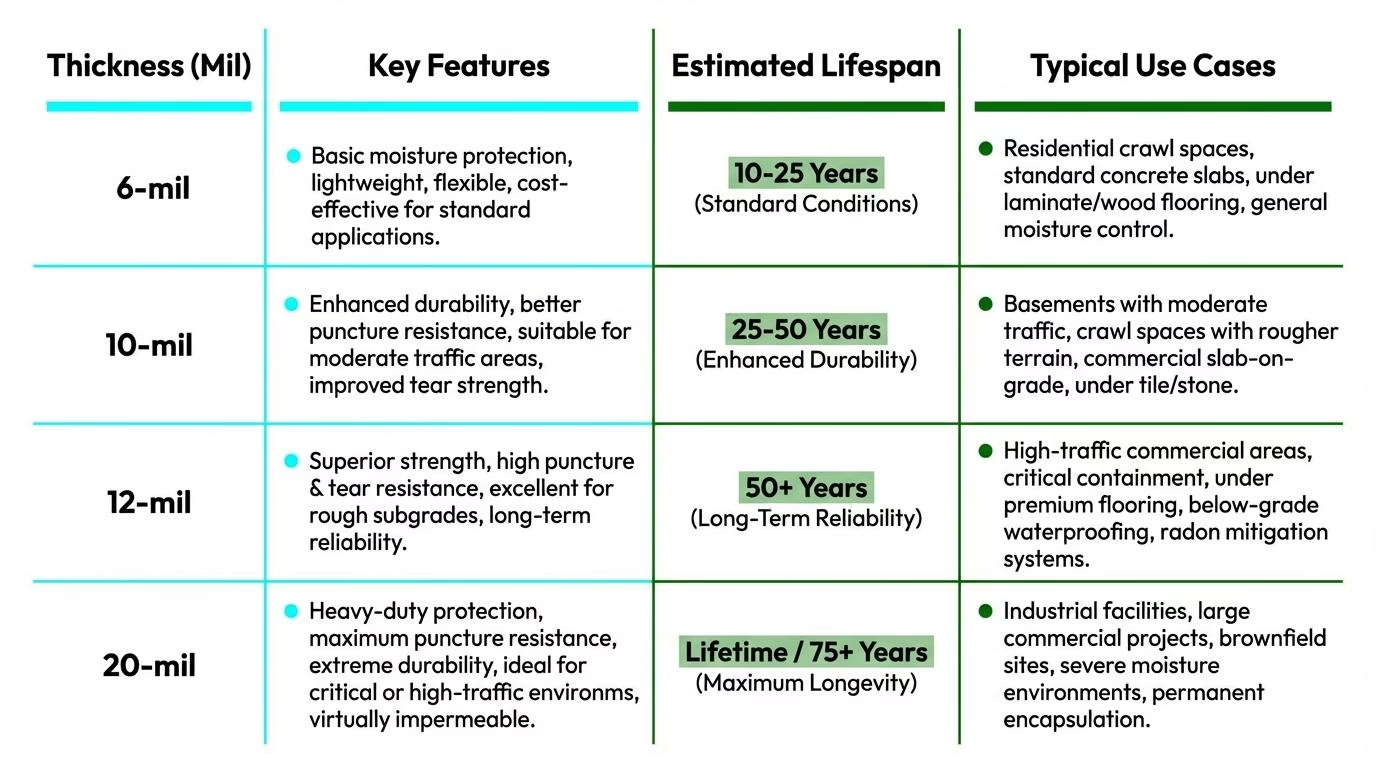
The effectiveness and longevity of a vapor barrier are largely determined by its thickness, measured in "mils." Thinner materials are prone to tearing during routine maintenance or storage, which can compromise the entire moisture-control system.
| Liner Thickness | Durability Level | Recommended Application |
| :— | :— | :— |
| 6-mil | Low | Minimum building code requirement; susceptible to punctures and easy tearing. |
| 10-mil | Moderate | Entry-level protection for crawl spaces with very infrequent foot traffic. |
| 12-mil | High | Standard for reliable moisture control; provides good puncture resistance. |
| 20-mil | Maximum | Heavy-duty, reinforced liner; ideal for storage use and lifetime durability. |
The Benefits of Full Crawl Space Encapsulation
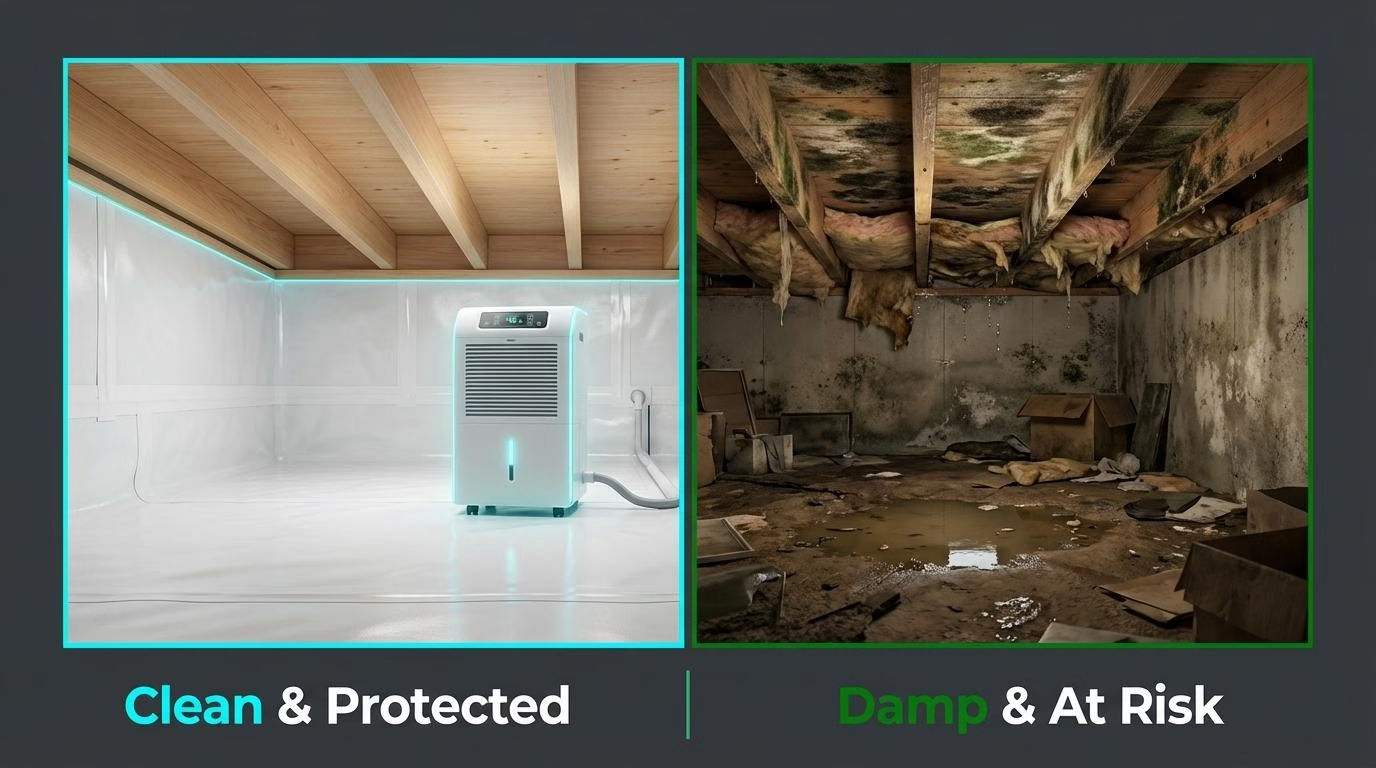
Crawl space encapsulation goes a step beyond a simple ground cover. It involves sealing the floor, foundation walls, and all exterior vents to create a conditioned, "envelope-sealed" space. This process essentially turns your crawl space into a clean, dry area that mirrors the environment of your living space.
Key advantages of full encapsulation include:
- Radon Mitigation Support: In St. Louis, where radon is a common concern, a fully sealed crawl space is a critical component of a radon mitigation system.
- Elimination of Wood Rot: By keeping humidity levels below 50–60%, you prevent the conditions required for wood-decaying fungi to thrive.
- Improved HVAC Efficiency: Encapsulation prevents your HVAC system from having to "fight" the humid or freezing air from the crawl space, significantly lowering energy costs.
This approach is supported by (https://buildingscience.com/), which highlights how unvented, conditioned crawl spaces perform superiorly in almost all climate zones compared to traditional vented systems.
To Vent or Not to Vent?
Historically, building codes required vents in crawl spaces under the assumption that "cross-ventilation" would dry out the area. However, modern building science has proven this logic flawed, especially in humid regions like Missouri.
The problem arises during the summer months:
- Humid Outdoor Air: Warm, moisture-laden air enters the crawl space through the vents.
- Condensation: As this warm air hits the cooler surfaces of your floor joists and subflooring, it reaches its "dew point" and condenses into liquid water.
- Biological Growth: This localized moisture leads to mold growth, musty odors, and eventual structural decay.
Sealing the vents is now considered the best practice for effective crawl space moisture control. By transforming the crawl space into a sealed, unvented environment, you gain total control over the humidity and air quality beneath your home.
Essential Equipment for Long-Term Moisture Management
While a vapor barrier is the foundation of crawl space moisture control, specialized equipment is often required to maintain ideal humidity levels and manage groundwater intrusion. Professional-grade systems work in tandem to ensure your crawl space remains dry, which is a critical component of effective (https://airsenseenvironmental.com/radon-mitigation/).
Do I Need a Crawl Space Dehumidifier?
Standard residential dehumidifiers are rarely sufficient for the unique environment of a crawl space. Crawl space dehumidifiers are engineered to operate in cooler temperatures and high-moisture conditions, pulling gallons of water from the air every day to prevent mold growth.
These units are typically high-capacity and energy-efficient. By maintaining relative humidity below 50-55%, you eliminate the conditions necessary for wood-destroying fungi and dust mites to thrive, protecting both your home’s structure and your indoor air quality.
Unlike portable units, professional models are designed for "set it and forget it" operation. They feature automatic restarts after power outages and can be ducted to ensure balanced air circulation throughout the entire crawl space footprint.
The Role of Sump Pumps and Drainage Systems
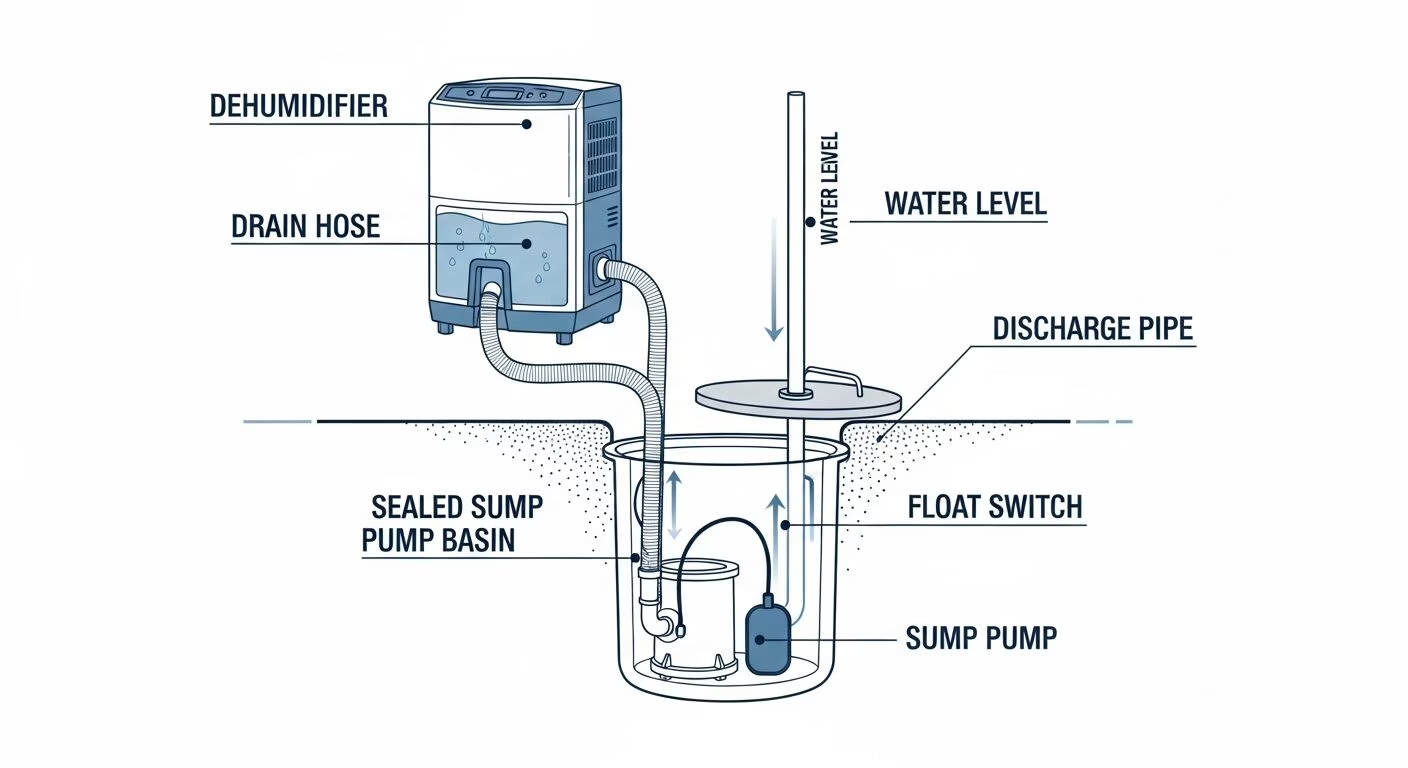
A (https://airsenseenvironmental.com/crawl-space-encapsulation-a-key-element-in-radon-mitigation/) is necessary if your crawl space is prone to flooding or standing water. It acts as the primary discharge point for groundwater that collects in a perimeter drainage tile or "French drain" installed along the interior footer.
The sump pump basin must be airtight and securely sealed, especially in areas where radon gas is a concern. A sealed basin prevents humid air and soil gases from escaping into the crawl space, maintaining the integrity of your encapsulation system.
To ensure maintenance-free operation, your dehumidifier should be plumbed directly into the sump pump basin. This clear drainage path allows the dehumidifier to discharge collected condensate automatically, removing the need for manual emptying and ensuring the system runs continuously.
Sealing Utility Penetrations and Air Leaks
Air sealing is just as important as moisture barriers. Utility penetrations—the small gaps where plumbing pipes, electrical wires, and HVAC lines pass through walls and floors—are often overlooked sources of moisture and air infiltration.
These openings act as small chimneys, pulling humid air and (https://airsenseenvironmental.com/regional-radon-risks-how-to-understand-and-safeguard-your-home/) from the soil into your living areas via the "stack effect." Using professional-grade expansion foam or caulk to seal these penetrations is a mandatory step in any moisture control project.
By sealing these leaks, you reduce the workload on your dehumidifier and prevent unconditioned air from entering your home. This process not only stabilizes soil moisture levels but also significantly improves the energy efficiency of your heating and cooling systems.
How Crawl Space Moisture Affects Your Home’s Health and Safety
Ignoring crawl space moisture control can lead to a domino effect of issues that compromise your entire house. Your home functions as a single, interconnected system where conditions in the lowest levels inevitably migrate upward.
When humidity levels remain high, the structural integrity of your foundation and the indoor air quality of your living spaces are at significant risk. Understanding these impacts is the first step toward creating a safer environment.
Moisture, Mold, and Indoor Air Quality
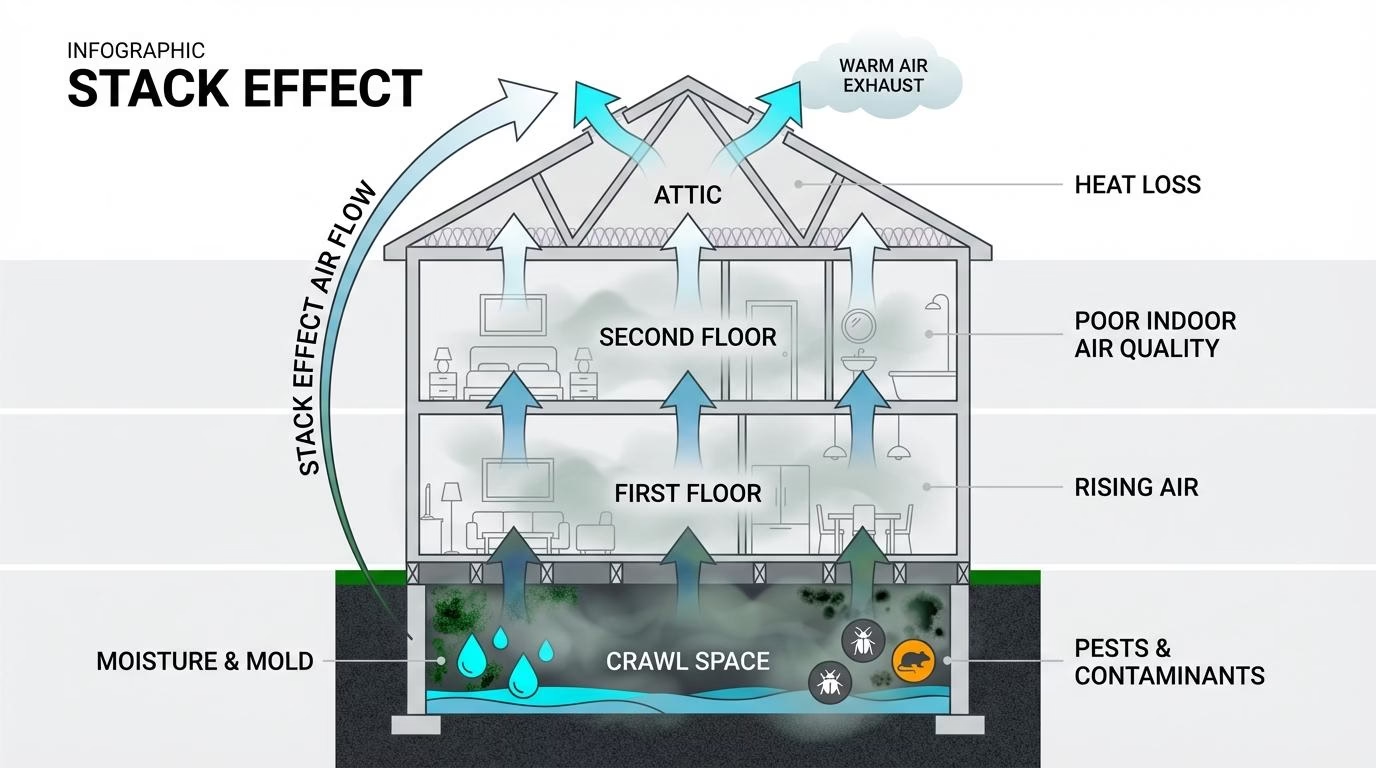
Most homeowners don’t realize that up to 50% of the air they breathe on the first floor originates in the crawl space. This occurs due to the "stack effect," a process where warm air rises and exits through the attic, creating a vacuum.
This vacuum pulls cool, damp, and potentially contaminated air from the crawl space into your living areas. If that air is filled with mold spores or allergens, it can trigger respiratory issues and asthma for your family.
To keep your family safe, it is vital to follow the EPA’s Guide to Mold and Moisture. Effectively managing humidity prevents the growth of common household molds that thrive in dark, damp voids.
Properly addressing these concerns significantly impacts your indoor air quality, reducing the presence of musty odors and airborne triggers. Professional moisture control is the most reliable way to break the cycle of the stack effect.
Wood Rot and Structural Integrity
It is crucial to differentiate between superficial mold and wood-destroying fungi (rot). While mold is a health concern, it typically lives on the surface of organic materials without consuming the structural fibers of the wood.
In contrast, wood rot involves fungi that actually digest the cellulose within your floor joists and support beams. This process causes the wood to become soft, brittle, and eventually incapable of supporting the weight of your home.
Signs of advanced rot include sagging floors, doors that stick in their frames, and visible fungal growth that looks like "shelf mushrooms." Without intervention, this leads to expensive and dangerous structural failures.
By implementing crawl space moisture control, you keep the wood moisture content below the threshold required for these fungi to survive. Protecting your wooden supports ensures the long-term stability of your home’s foundation.
Insulation and Energy Efficiency
Excess moisture is a primary enemy of your home’s energy efficiency. Most crawl spaces utilize fiberglass batt insulation, which acts like a sponge when exposed to high humidity or standing water.
Once insulation becomes wet, it loses its R-value (thermal resistance), meaning it can no longer prevent heat transfer. This forces your HVAC system to work much harder to maintain a comfortable temperature in your living spaces.
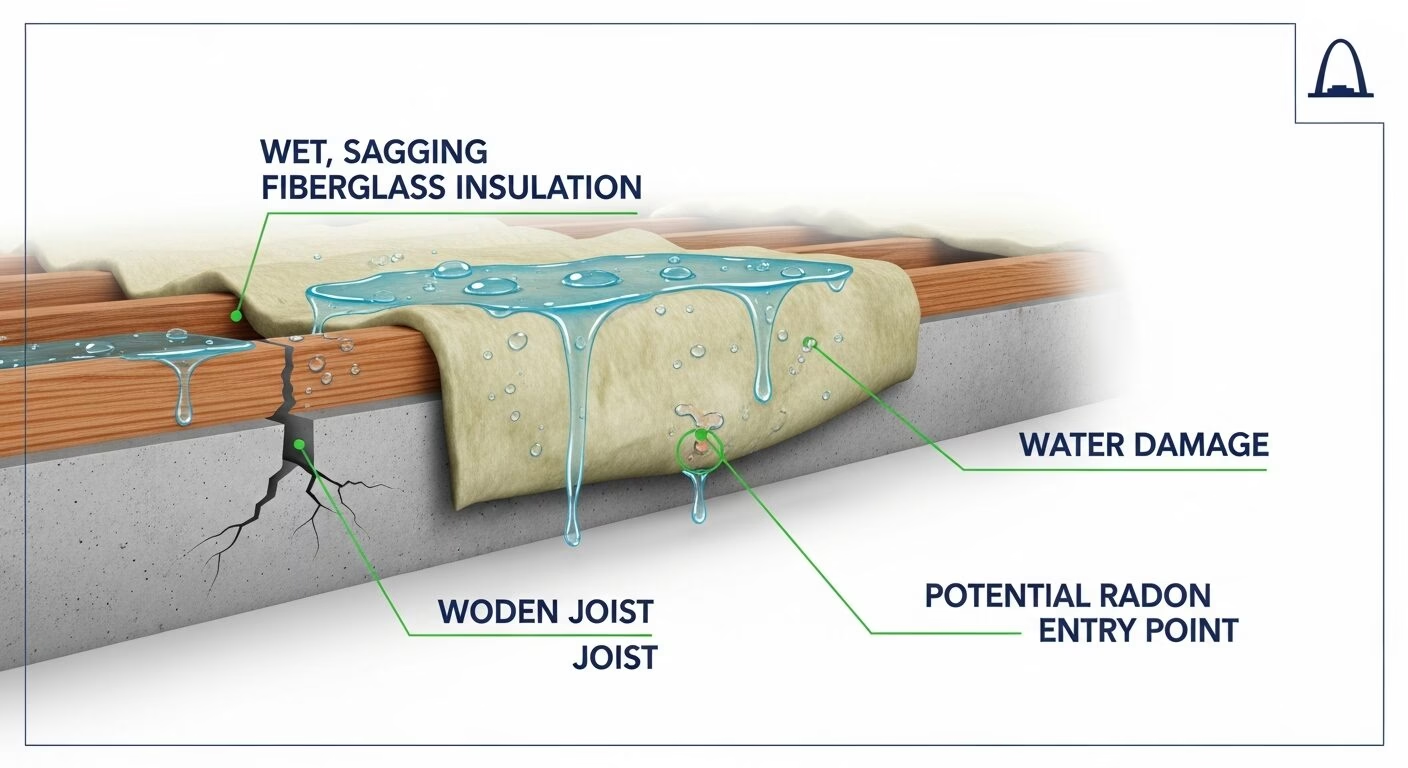
Furthermore, damp air is harder to heat and cool than dry air. High humidity levels in the crawl space increase the load on your air conditioner, leading to higher utility bills and premature equipment failure.
Investing in a dry, controlled crawl space environment preserves your insulation and lowers your monthly energy costs. It also prevents the common issue of "sweating" ducts, which can lead to even more moisture problems inside your floor system.
Investment and Professional Installation Considerations
Addressing crawl space moisture control is a significant investment in your home’s structural integrity and indoor air quality. While homeowners often look for the most "affordable" option, the true value lies in a solution that provides long-term protection against wood rot, mold, and soil gases like radon.
Estimated Costs for Encapsulation and Mitigation
The cost of crawl space mitigation varies significantly based on the size of the space and the severity of existing issues. On average, homeowners can expect to invest between $3,000 and $15,000 for a comprehensive professional solution.
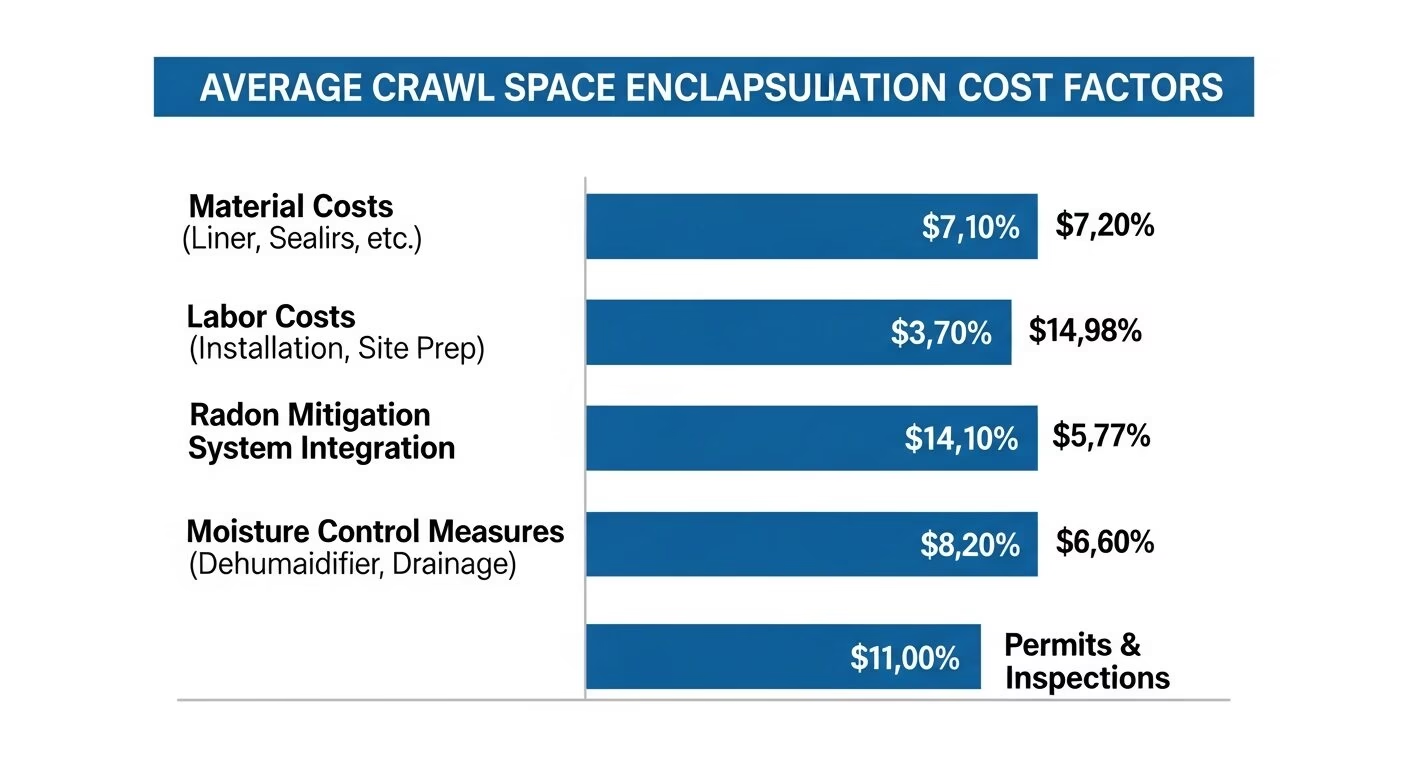
Several key factors influence the final project estimate:
- Square Footage: Larger crawl spaces require more materials (vapor barriers, sealing tape) and increased labor hours.
- Current Condition: If the space already has standing water, active mold growth, or structural damage, these issues must be remediated before encapsulation begins.
- Height and Accessibility: Limited clearance or difficult access points can increase labor costs.
- Support Systems: High-performance crawl space moisture control often requires the addition of a heavy-duty dehumidifier (typically $1,200–$2,500) or a sump pump system to manage groundwater.
DIY vs. Professional Crawl Space Mitigation
Many homeowners consider a DIY approach to save on labor costs. However, improper installation in a crawl space carries high stakes, particularly concerning soil gas intrusion.
The Risks of Improper Sealing
Professional mitigation is not just about laying down plastic; it is about creating a gastight seal. If a vapor barrier is improperly installed or if the seams are not hermetically sealed, it can actually create a "chimney effect." This traps moisture and radon beneath the plastic, eventually forcing these harmful elements into your living spaces through small gaps in the subfloor.
| Feature | DIY Installation | Professional Mitigation |
| :— | :— | :— |
| Material Quality | Often limited to thin, 6-mil plastic | Industrial-grade, 12-mil to 20-mil reinforced barriers |
| Radon Sealing | High risk of gaps and poor penetration sealing | Verified gastight seals around piers and plumbing |
| Warranty | None; homeowner assumes all risk | Multi-year or lifetime transferrable warranties |
| Equipment | Standard retail dehumidifiers | Commercial-grade, low-maintenance AprilAire systems |
Improper DIY sealing can lead to hidden mold growth beneath the barrier, which can go unnoticed for years while damaging your home’s foundation.
What to Look for in a Crawl Space Contractor
When selecting a partner for your project, it is essential to choose a contractor who understands the specific environmental challenges of the Midwest. In Missouri, high humidity and varying radon levels make specialized knowledge a requirement, not an option.
Ensure your contractor meets the following criteria:
- Licensed and Insured: Protects you from liability and ensures the company meets state standards.
- Radon Expertise: Since crawl spaces are a primary entry point for radon, your contractor should understand how moisture control and radon mitigation work together.
- Local Experience: Familiarity with local soil types and water tables is vital for designing effective drainage solutions.
For homeowners in the Greater St. Louis area, working with a specialist ensures that your system is designed to handle local climate extremes. You can learn more about tailored solutions on our St. Louis Crawl Space Services page.
Take the first step toward a drier, safer home. Contact AirSense Environmental today for a professional crawl space evaluation and a detailed, transparent estimate.
Moisture Management and Radon Reduction Strategies
In many crawl spaces, moisture and radon gas are two sides of the same coin. Both originate in the soil and migrate into your home through the same physical pathways. Effectively managing one often requires addressing the other, creating a high-performance environment that protects both your home’s structure and your family’s respiratory health.
The Interaction Between Soil Gas and Moisture
Soil is naturally porous, containing tiny pockets of air, water vapor, and soil gases. Among these is radon, a radioactive gas produced by the natural decay of uranium in the earth. Because radon and moisture share the same source, they often enter a home simultaneously.
The primary driver of this movement is the stack effect. As warm air rises through your home and escapes through the upper levels, it creates a vacuum at the lowest point—the crawl space. This negative pressure pulls damp, radon-laden air out of the soil and into your living areas. If the soil is saturated with water, the gas can become trapped or concentrated, eventually forcing its way through cracks in the foundation or gaps in the floorboards.
Enhancing Radon Mitigation Systems with Encapsulation
The most effective way to address the intersection of moisture and soil gas is through sub-membrane depressurization (SMD). This process integrates a high-quality Radon Mitigation System with a professional encapsulation project.
When a crawl space is left unsealed, a radon suction fan must work incredibly hard to create a vacuum because it is constantly pulling air from the entire crawl space. However, by installing a 20-mil vapor barrier and sealing it to the foundation walls, we create an airtight "gasket" over the earth.
This sealed floor significantly improves system efficiency in two ways:
- Targeted Suction: The radon fan can focus its entire vacuum pressure on the small space underneath the plastic membrane. This creates a high-pressure differential that draws radon and moisture vapor directly from the soil into the mitigation pipes before they ever reach your crawl space air.
- Reduced Energy Loads: A sealed floor prevents the fan from "stealing" conditioned air from your home. This ensures that your Radon Mitigation System operates at peak performance without increasing your utility costs or overworking your HVAC system.
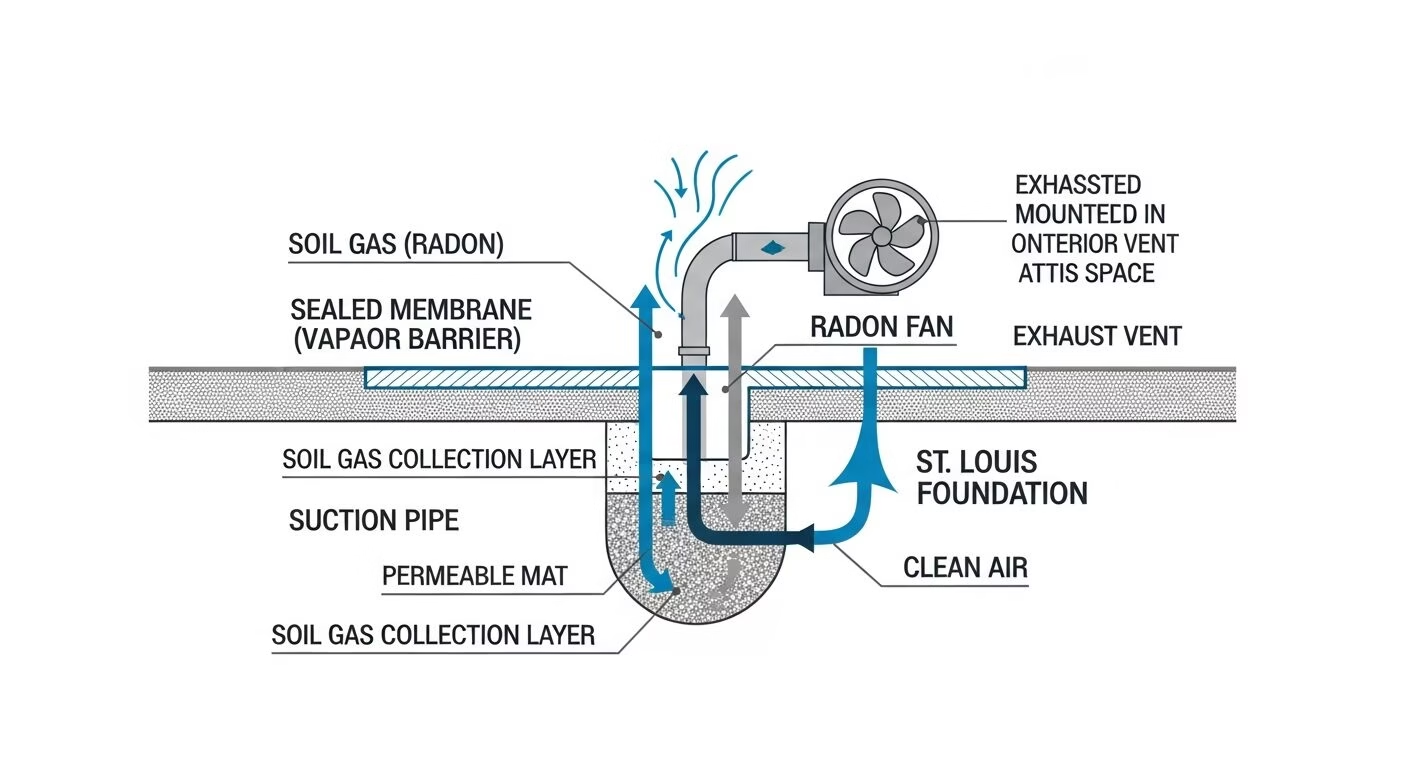
By combining moisture control with gas reduction, you transform a damp, hazardous crawl space into a dry, controlled environment that serves as a permanent barrier against environmental threats.
Frequently Asked Questions About Crawl Space Moisture Control
How long does crawl space encapsulation typically last?
When high quality materials like a 20 mil vapor barrier are used and professional installation standards are followed, crawl space encapsulation can last 20 years or more. The longevity of the system depends heavily on maintaining the auxiliary components, such as the dehumidifier and sump pump, which manage the active removal of moisture and groundwater. Regularly checking for punctures or seal failures ensures the barrier continues to block soil gases and humidity effectively for decades.
Does homeowner’s insurance cover crawl space moisture damage?
Standard homeowners insurance policies generally do not cover damage caused by gradual moisture accumulation, humidity, or mold. Insurance is typically designed to address sudden and accidental events, such as a pipe bursting or a localized flood. Because crawl space moisture is often viewed as a maintenance issue or a result of long term environmental conditions, proactive encapsulation is the most reliable way to prevent costly structural repairs that would otherwise be paid out of pocket.
Can a crawl space dehumidifier drain directly into a sump pump?
Integrating a dehumidifier with a sump pump is a highly effective way to automate water removal from the crawl space. By routing the dehumidifier condensate line directly into the sump pit, you eliminate the need to manually empty water collection buckets. This setup ensures that both ambient humidity and liquid groundwater are funneled to a single exit point and pumped safely away from the foundation.
How often should a crawl space vapor barrier be inspected?
Property owners should perform a visual inspection of their crawl space vapor barrier at least once a year to look for signs of shifting, tearing, or pest activity. In the St. Louis area, it is particularly helpful to check the system after periods of heavy rainfall or significant seasonal temperature shifts to confirm that no standing water has bypassed the drainage system. Consistent monitoring allows you to identify minor issues before they impact the health of your home.
Protect Your Home With Professional Moisture Control
Contact our St. Louis crawl space specialists today for a professional moisture assessment and custom encapsulation plan to protect your home foundation and air quality. Our professional water mitigation and remediation services identify and resolve hidden humidity issues to preserve the long term value and safety of your property.