Safeguarding your home against invisible radon gas requires an investment, and understanding the associated costs is crucial for budgeting your property’s health. This guide breaks down the typical financial landscape for radon mitigation in the St. Louis area, detailing everything from initial installation expenses to long-term operational upkeep.
You will see how foundation type, system complexity, and house characteristics directly shape the final quote, moving beyond simple averages. We will cover the value proposition of professional installation versus attempting a DIY solution, and explain how to evaluate contractor bids to ensure you receive transparent pricing.
Even after installation, you must account for predictable long-term expenses, such as system electricity use and necessary retesting—for example, post-mitigation testing confirms efficacy, often conducted within 3 to 12 months of system activation.
Equip yourself with the knowledge to budget accurately and secure a reliable, long-term solution that protects your family’s air quality.
Average Radon Mitigation System Costs in St. Louis
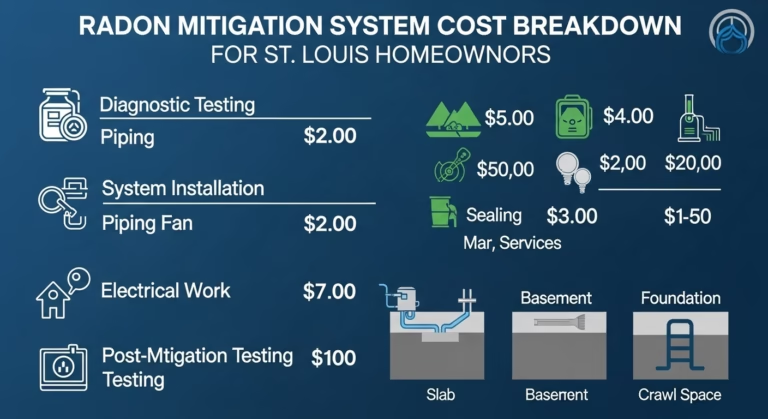
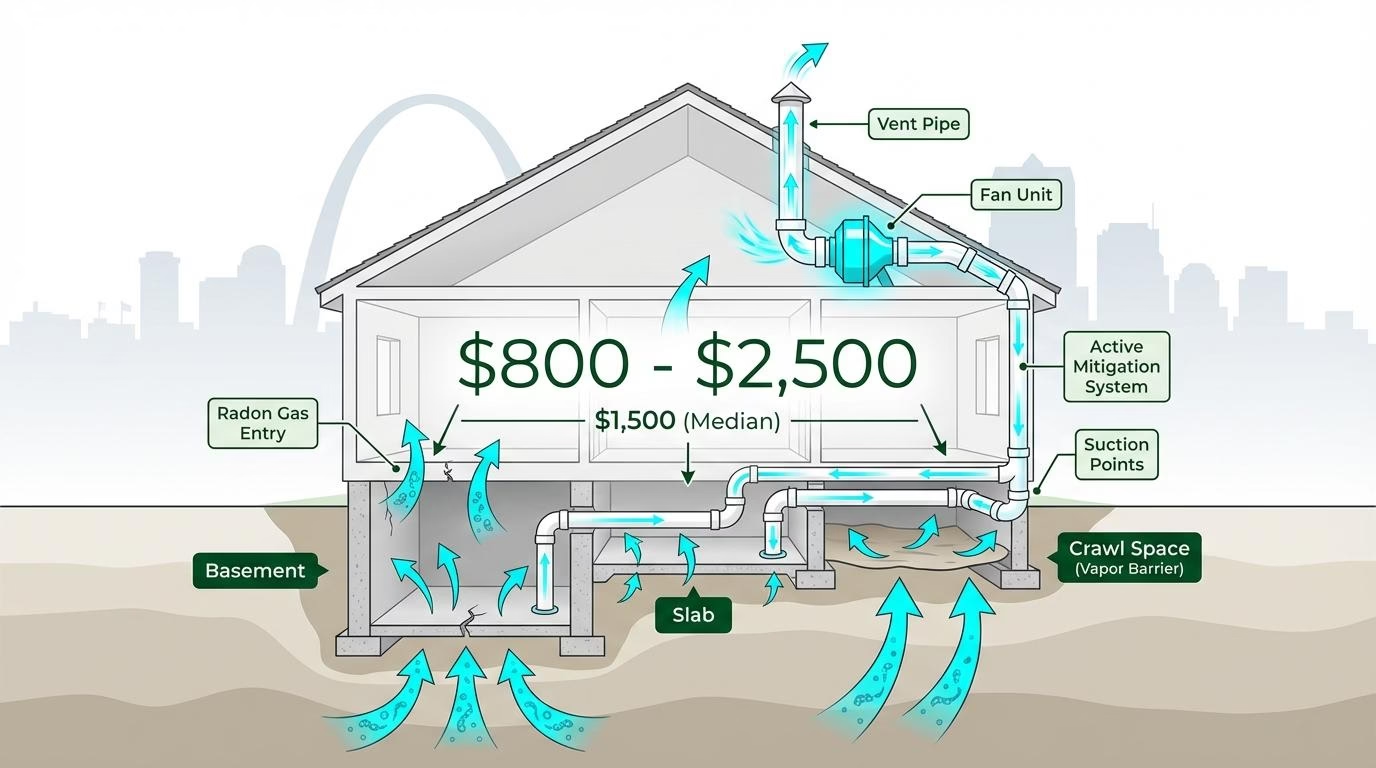
For homeowners in the Gateway City, a professional radon mitigation system cost typically falls between $800 and $2,500. Most residential projects in the St. Louis metro area settle at a median price of $1,500, covering the essential components like high-suction fans, PVC venting, and professional diagnostic pressure field testing.
| Foundation Type | Average St. Louis Price Range |
| :— | :— |
| Slab-on-Grade | $800 – $1,500 |
| Full Basement | $1,000 – $2,000 |
| Crawl Space | $1,500 – $2,500+ |
Source: (https://airsenseenvironmental.com/step-by-step-guide-to-radon-mitigation-what-to-expect/)
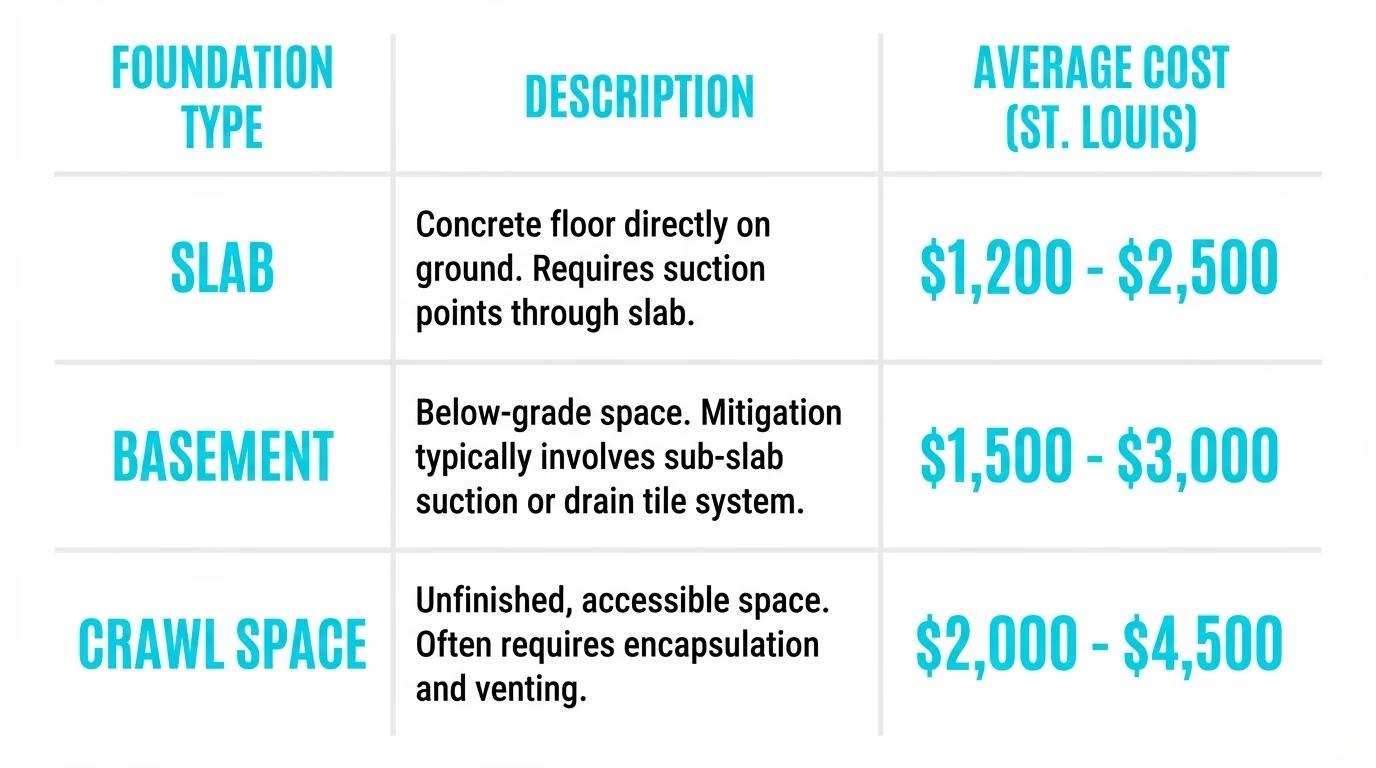
Typical Price Range and Median Costs
While the standard entry-level installation for a small, single-slab home starts near $800, costs can scale up to $2,500 for larger properties or those with unique architectural challenges. The $1,500 median cost reflects the most common scenario: a single-family home with a poured concrete basement requiring a sub-slab depressurization system. Choosing a professional installation ensures that the system is sized correctly for your home’s specific footprint, preventing the common mistake of under-powering the suction fan which can leave radon levels dangerously high.
Local Market Variables
In St. Louis, several regional factors influence where your quote will land within the average range. The age of the home is a significant driver; historic homes in South City often have thicker or multi-layered foundations that require specialized drilling, whereas newer builds in areas like Chesterfield may have pre-installed “passive” pipes that reduce labor costs.
Geology also plays a role. St. Louis sits on varied soil and rock compositions that affect soil communication—the ease with which air moves beneath your slab. If your home is built on tight clay or heavy rock, a technician may need to install multiple suction points to achieve safe radon levels, increasing the total investment. Furthermore, homes with crawl spaces require an “adhered membrane” or encapsulation to be effective, which adds both material costs and labor time compared to a standard basement install.
Key Factors That Impact Radon Mitigation Pricing
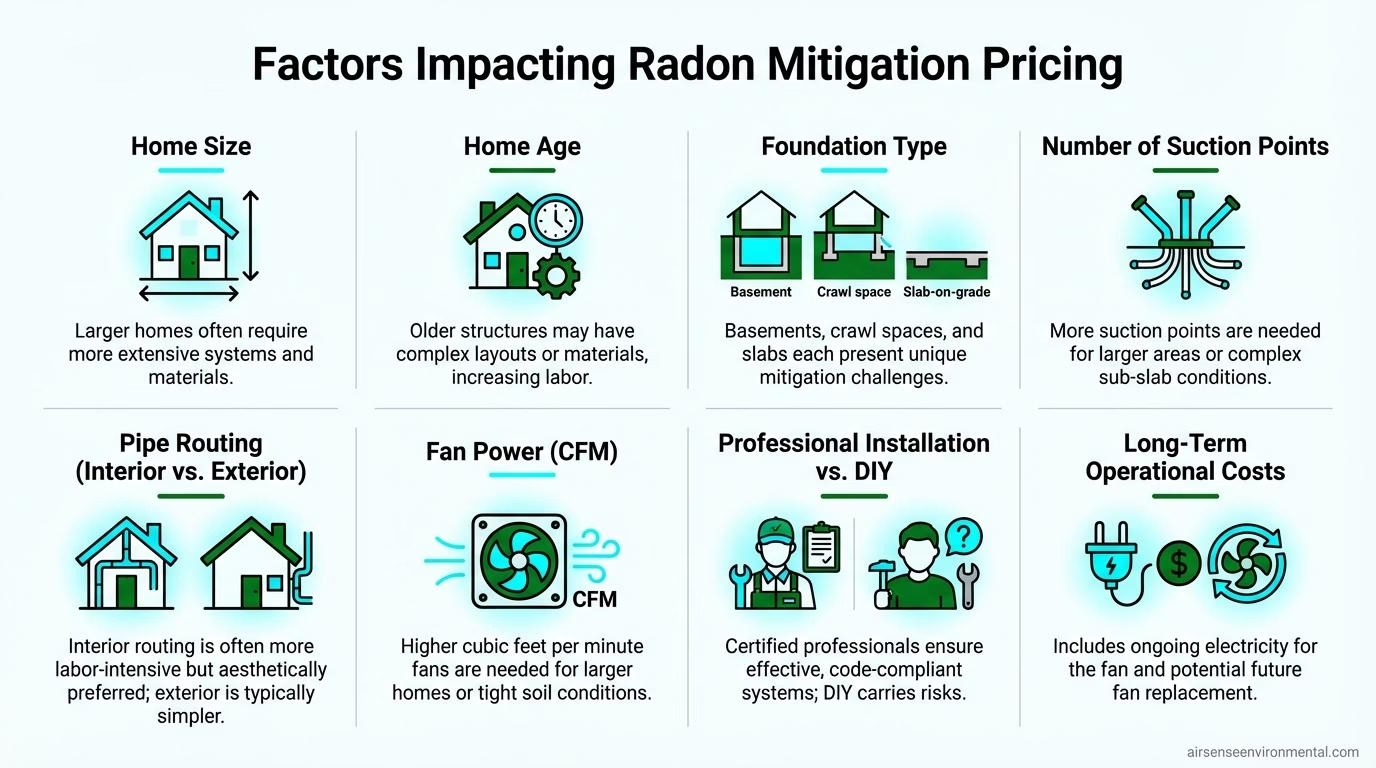
While the average radon mitigation system cost in St. Louis typically falls within a predictable range, several specific home characteristics can push the final price higher or lower. Understanding these variables helps homeowners prioritize the right solution for their property.
Structural and Technical Variables
The physical layout and construction of your home are the primary drivers of installation complexity. Factors that influence the final quote include:
- Foundation Type: Homes with multiple foundation types (e.g., a combination of slab-on-grade, crawl space, and basement) often require more complex, interconnected systems.
- Soil Permeability: Dense soil like clay prevents air from moving easily, requiring more vacuum pressure to achieve effective radon mitigation.
- Age of the Home: Older homes may have fragmented footings or “compacted” fill under the slab, which obstructs airflow and increases labor time during the “pit” excavation process.
- Crawl Space Condition: If a crawl space is present, it often requires a high-density vapor barrier (encapsulation) to allow the system to create a vacuum, which adds significantly to both material and labor costs.
Suction Points and Fan Power
The most common residential solution is sub-slab depressurization, a method that creates a negative pressure zone beneath the foundation to pull radon gas out before it enters your home. The cost depends heavily on the following:
- Multiple Suction Points: If the sub-slab material is too dense for air to move freely, a technician must drill multiple “suction pits” through the concrete. Each additional point requires more PVC piping and increased labor.
- Fan Performance: A home with “high static pressure” (poor airflow beneath the slab) requires a specialized, high-wattage fan. These high-performance fans are more expensive than standard models but are necessary for effective gas removal in difficult environments.
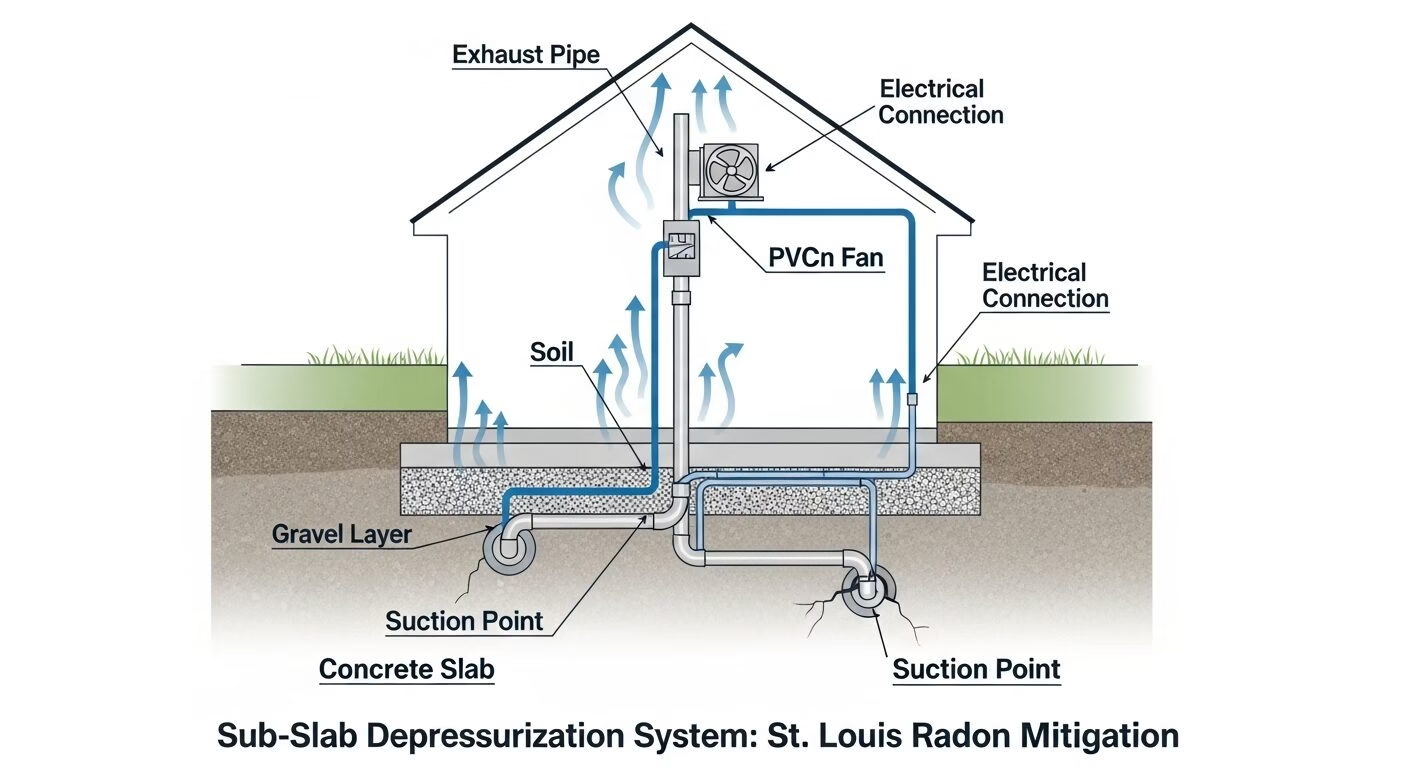
Pipe Routing: Interior vs. Exterior
Where the PVC pipe travels from the foundation to the exhaust point above the roofline significantly impacts the total price.
- Exterior Routing: This is the most common and cost-effective method. The pipe exits the foundation wall and runs up the exterior of the home. While faster to install, it is visible on the home’s facade and exposes the fan to Missouri’s temperature fluctuations.
- Interior Routing: For a cleaner aesthetic, pipes can be routed through closets and utility rooms to exit through the roof via the attic. This protects the system from the elements and hides the hardware, but it requires significantly more labor and expertise for a professional installation.
Foundation Impacts: Basements vs. Crawl Spaces
The layout of your home’s foundation is one of the most significant variables in determining your total radon mitigation system cost. Because radon enters a home through the soil-to-foundation interface, the method we use to intercept that gas changes based on whether you have a solid concrete slab or an open earth floor.
Standard Basement and Slab-on-Grade Installations
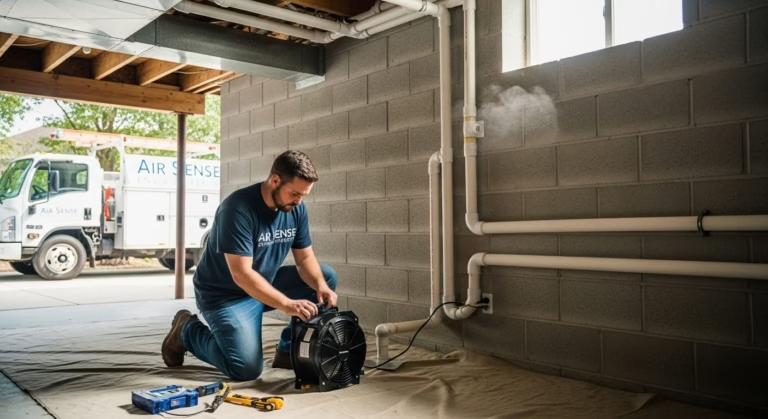
In homes with a full basement or a slab-on-grade foundation, the mitigation process is typically straightforward. We utilize sub-slab depressurization, which involves drilling a suction pit through the concrete floor to reach the aggregate or soil beneath.
Because the concrete slab acts as a natural air-tight barrier, we only need to create a vacuum under that “lid.” Most standard basements require only a single suction point and a relatively simple PVC pipe run, making these the most cost-effective installations.
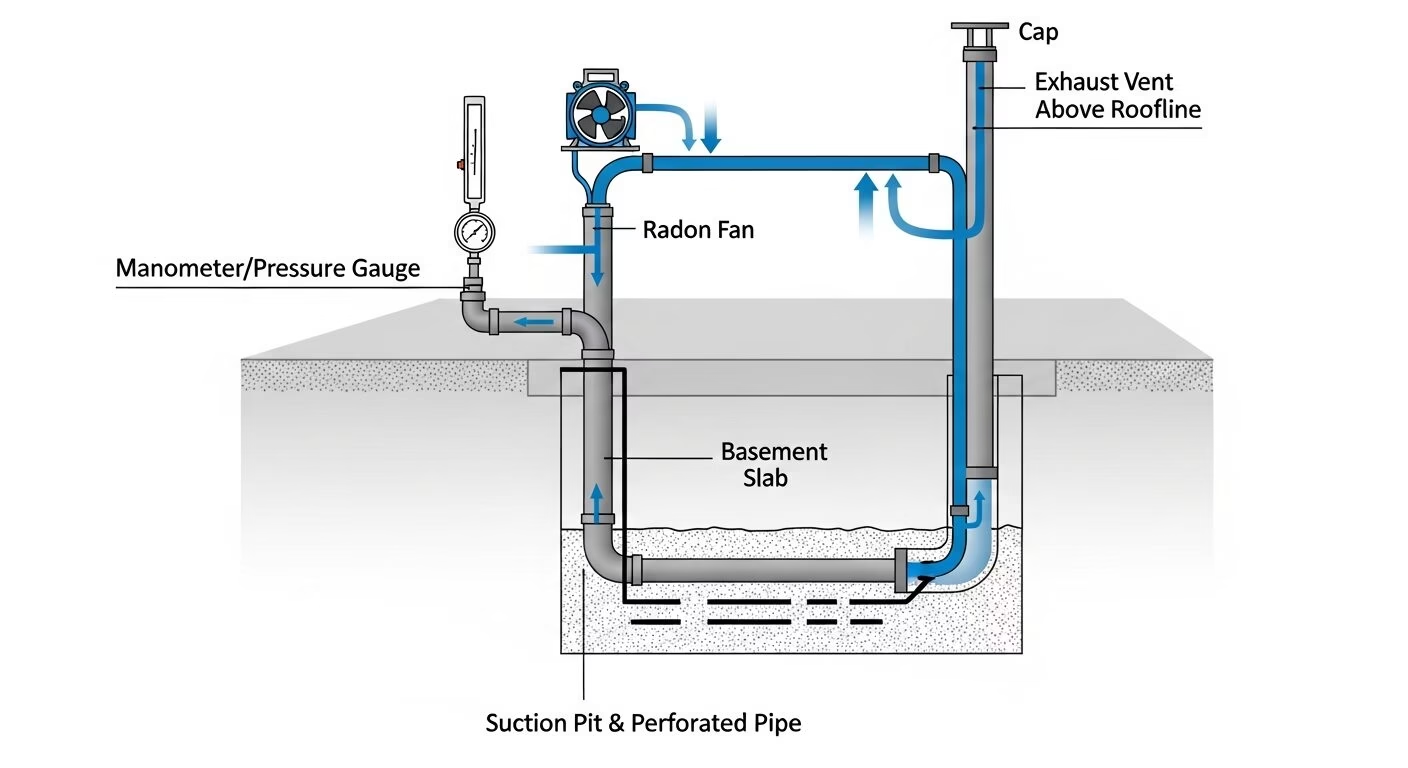
The Crawl Space Cost Premium
If your home has a crawl space with an exposed dirt or gravel floor, you will likely encounter a Crawl Space Cost Premium. Unlike a concrete basement, an open crawl space has no “lid” to hold a vacuum. To mitigate radon in these areas, we must perform crawl space encapsulation to create a synthetic seal.
The increased cost is driven by two factors:
- Material Costs: We must install a high-density vapor barrier (typically 6-mil to 20-mil reinforced polyethylene). This specialized plastic is designed to withstand foot traffic and effectively block soil gases.
- Labor Intensity: Encapsulation is highly labor-intensive. Our technicians must meticulously crawl into tight spaces to roll out the barrier, seal it to the foundation walls with professional-grade mastic or tape, and ensure every seam is airtight.
Without this membrane, a radon fan would simply pull air from inside the crawl space rather than the soil gas beneath it, rendering the system useless.
Multi-Foundation Homes
Homes with “mixed” foundations—such as a split-level house or an original structure with a newer addition—pose the greatest challenge for radon mitigation system cost. These homes often have separate foundation footprints that are not connected underneath the soil.
Warning: Multi-foundation homes almost always require multiple suction points. If one part of your home is a basement and the other is a crawl space, we must install a system that addresses both. This often means:
- Doubling the amount of PVC piping.
- Complex routing to connect different suction points to a single fan (or installing multiple fans).
- Significantly higher labor costs to navigate separate areas of the home.
When requesting a quote, always clarify if your home has an addition or a combination of slab and crawl space, as this will necessitate a more complex and expensive design.
Long-Term Operational and Maintenance Expenses
While the initial installation represents the largest portion of your investment, a radon mitigation system is a permanent mechanical addition to your home. To ensure the system continues to protect your family from lung cancer risks, you must account for minor ongoing energy usage and the eventual replacement of mechanical components.
Below is the typical breakdown of annual and long-term operating costs:
- Annual Electricity Consumption: ~$50–$150 per year.
- Fan Replacement: ~$300–$600 (required every 10–15 years).
- Periodic Performance Testing: ~$150–$300 (recommended every 2 years).
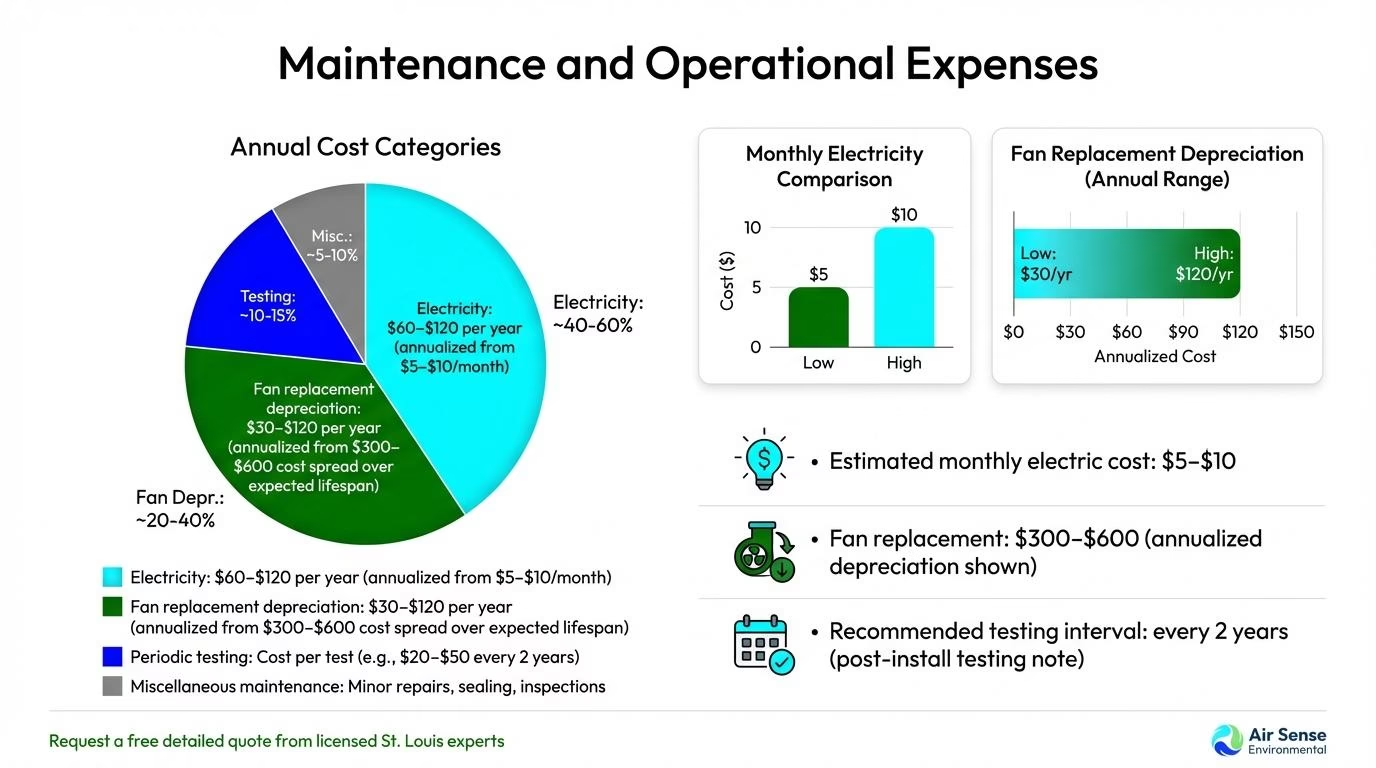
Monthly Electricity Consumption
Active suction systems require a specialized radon fan to run 24 hours a day, 365 days a year. Because these fans are designed for continuous duty and high efficiency, they typically draw about as much power as a standard 60-watt light bulb. In the St. Louis area, homeowners can expect to see a modest increase in their utility bills, usually ranging from $4 to $12 per month depending on the specific fan model and local kilowatt-hour rates.
Fan Lifespan and Replacement Costs
The radon fan is the only moving part in a standard mitigation system. Most high-quality fans are engineered to last between 10 and 15 years. Over time, bearing wear or environmental stress may cause the fan to become noisy or fail entirely.
When a fan reaches the end of its lifespan, a licensed professional must swap the unit and ensure the seals remain airtight. Budgeting for a $300 to $600 replacement fee every decade ensures your system remains operational without a lapse in protection.
Post-Installation and Periodic Testing
The presence of a running fan is not a guarantee that radon levels are being successfully mitigated. Mechanical issues, changes in soil composition, or structural settling can all impact system performance.
To verify that your system is functioning correctly, the EPA recommends re-testing your home every two years. Utilizing professional radon testing services is the only definitive way to confirm that your indoor air quality remains within safe limits. You should also conduct a new test if you perform significant renovations, such as finishing a basement or adding an extension to your home.
Professional Installation vs. DIY Mitigation Efforts
When considering the radon mitigation system cost, many homeowners wonder if they can save money by installing a system themselves. While DIY kits exist, the complexity of soil suction and pressure field extension often makes professional installation the more cost-effective choice in the long run.
The Real Cost of DIY Radon Kits
A DIY radon mitigation kit typically costs between $500 and $700, which seems like a significant saving compared to professional services. However, these kits often lack the specific components needed for a home’s unique footprint. Without professional diagnostic tools, such as digital micromanometers to measure sub-slab pressure, a DIYer may install a fan that is either too weak to pull gas effectively or so powerful that it pulls conditioned air from the home, spiking energy bills.
The EPA (Environmental Protection Agency) warns that improper installation can lead to backdrafting, where combustion gases from water heaters or furnaces are pulled back into the living space. Correcting a failed DIY attempt often requires a complete system overhaul, effectively doubling your initial investment.
Missouri Licensing and Real Estate Transactions
Missouri is fundamentally a “buyer beware” state regarding home inspections and environmental remediation. According to the Missouri Department of Health and Senior Services, the state does not have mandatory licensing requirements for all radon contractors. This lack of regulation means anyone can legally claim to be a “radon expert” without oversight.
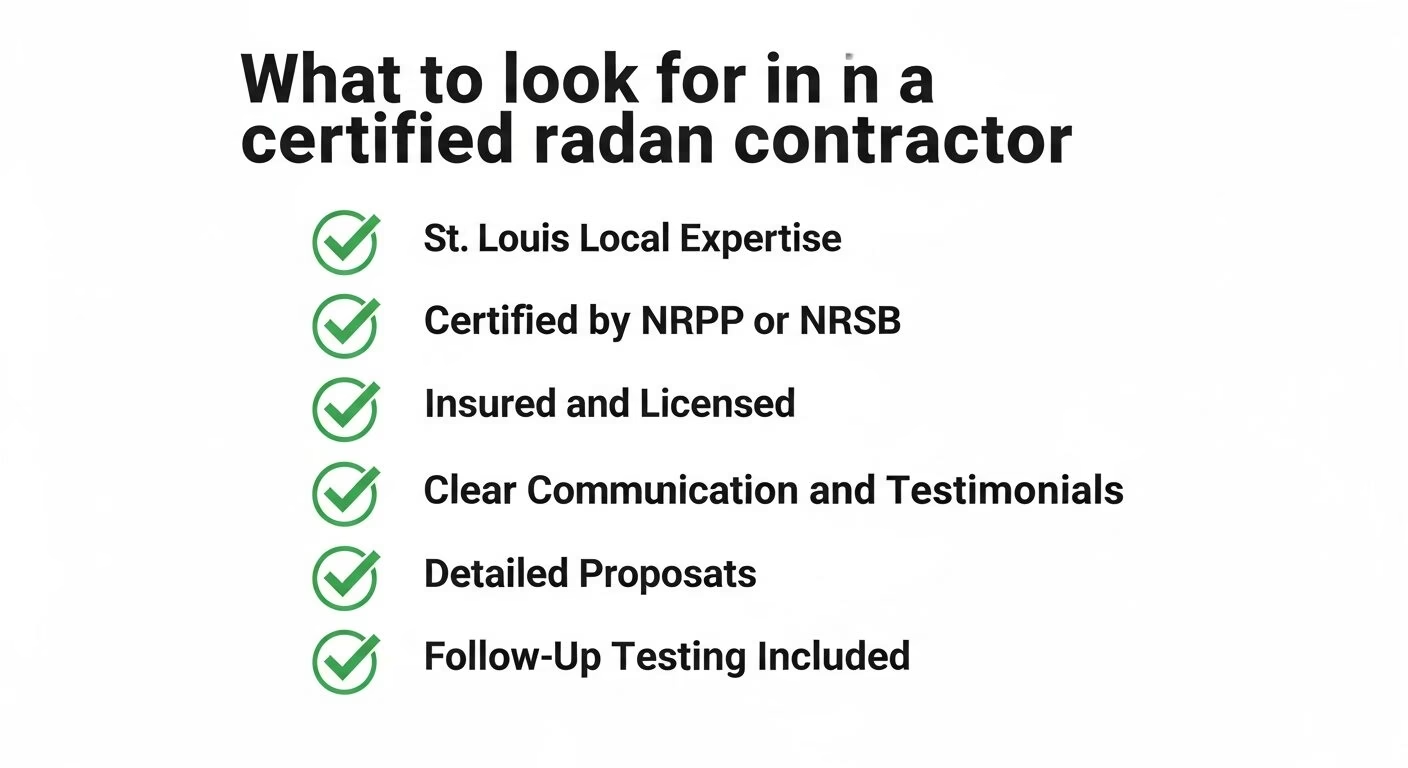
However, for a real estate transaction to proceed smoothly, professional certification is vital. Most relocation companies and mortgage lenders in the St. Louis area require proof that a system was installed by a technician certified by the National Radon Proficiency Program (NRPP) or the National Radon Safety Board (NRSB). Using an uncertified contractor—or doing it yourself—may result in a system that a buyer’s inspector will not recognize, potentially stalling or killing a home sale.
Long-Term Value and Liability
Investing in professional mitigation provides a layer of liability protection that DIY efforts cannot offer. A certified professional provides a transferrable warranty and, more importantly, a post-mitigation clearance test to prove the system’s efficacy.
- System Longevity: Professionals use schedule 40 PVC and specialized radon fans designed for continuous 24/7 operation, often lasting 10–15 years.
- Resale Value: A professionally installed system with a clear “as-built” diagram and certification sticker on the vent pipe acts as a point of value during a home inspection.
- Safety Guarantee: If radon levels spike after a professional installation, the contractor is responsible for the labor and equipment needed to bring the home back into compliance.
While the upfront radon mitigation system cost is higher with a professional, the reduction in real estate liability and the guarantee of a healthy home environment provide a much higher return on investment.
How to Evaluate and Compare Mitigation Quotes
Choosing the right professional for your home’s safety is about more than just finding the lowest radon mitigation system cost. A thorough evaluation ensures the system is effective, durable, and compliant with national safety standards.
Essential Quote Components
When reviewing a proposal from a professional radon mitigation service, ensure the following details are explicitly listed in the written document:
- Scope of Work: A clear description of the system type—such as sub-slab depressurization—and the planned installation route.
- Equipment Specifications: The specific fan model to be used and the type of piping (industry standard is typically Schedule 40 PVC).
- Electrical Requirements: Clarification on whether a licensed electrician is included to provide a dedicated power source for the fan.
- Permit Fees: Confirmation of who is responsible for obtaining and paying for local municipal permits.
- Post-Mitigation Testing: Provision for a follow-up radon test to verify that the system is operating as intended.
- Performance Guarantee: A written guarantee to lower radon levels below 4.0 pCi/L (the EPA’s recommended action level).
Verifying Contractor Credentials
A cut-rate price often comes at the expense of professional oversight. Before signing a contract, verify that the contractor meets these non-negotiable standards:
- Professional Certification: The contractor should be certified by the NRPP (National Radon Proficiency Program) or NRSB (National Radon Safety Board).
- Licensing: Ensure they hold the appropriate state or local licenses required for environmental mitigation work.
- Insurance Coverage: Confirm the company carries both general liability and workers’ compensation insurance to protect you from liability during the installation process.
Red Flags in Low-Ball Bids
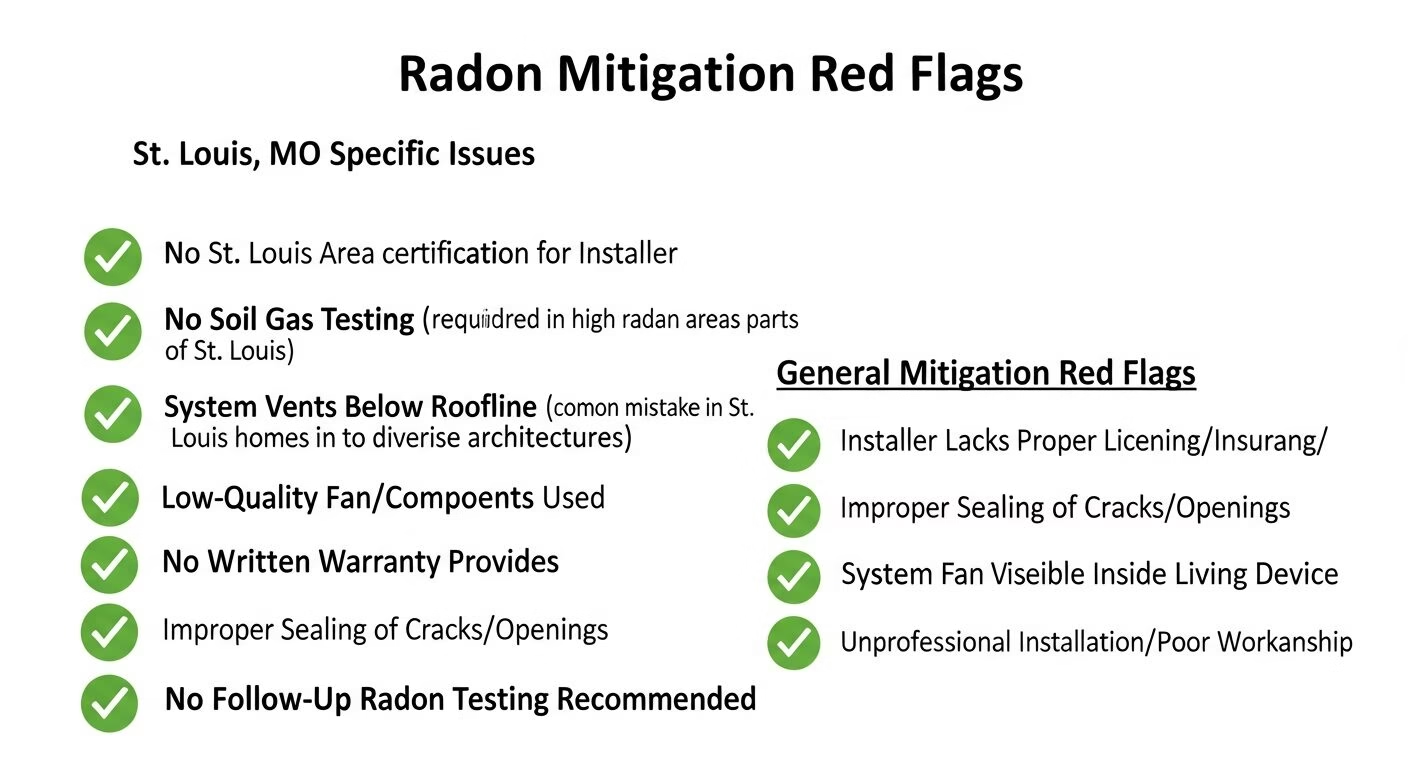
If a quote seems significantly lower than the competition, use this checklist to spot potential “shortcuts” that could compromise your family’s safety or lead to future repairs:
- Missing Permits: The bid omits the cost or the administrative responsibility of obtaining necessary building permits.
- Vague Materials: The quote fails to specify the fan brand or uses “thin-wall” piping not rated for long-term use.
- No Performance Guarantee: There is no written commitment to reach levels below 4.0 pCi/L, leaving you with a system that might not solve the problem.
- Exclusion of Post-Testing: The contractor makes the homeowner responsible for proving the system actually works.
- Lack of Sealing: The bid skips the essential (and labor-intensive) step of sealing foundation cracks and sump pits.
- Substandard Aesthetics: The plan installs the system in the most convenient location for the builder, rather than the most discreet location for the homeowner.
Insurance Coverage and Impact on Home Value
Investing in a radon mitigation system is a proactive step toward protecting your family’s health, but many homeowners wonder if their insurance provider will offset the radon mitigation system cost. Understanding the financial landscape of insurance and real estate value can help you plan your budget effectively.
Homeowner’s Insurance and Radon
When it comes to the question of whether insurance will cover the cost of a radon mitigation system, the industry standard is clear:
Does Homeowner’s Insurance Cover Radon Mitigation?
Answer: Usually No.
Standard homeowner’s insurance policies are designed to cover sudden and accidental damage—such as fire, theft, or storm damage—rather than naturally occurring environmental hazards or maintenance issues. Because radon is a naturally occurring gas found in the soil, insurers categorize mitigation as a preventative home improvement or a maintenance responsibility rather than a claimable loss.
While you should always verify your specific policy terms with your agent, you should expect to pay for the installation out-of-pocket. However, viewing this as a long-term investment in the property’s safety and marketability is the most accurate way to frame the expense.
Resale Value and Buyer Perception
A radon mitigation system is one of the few home improvements that provides a direct return on safety and structural integrity. In the current real estate market, radon testing is a standard part of the due diligence process.
If you are selling a home in the St. Louis area, having a professionally installed system already in place is a significant advantage.
- Eliminates Contingencies: A pre-existing system prevents last-minute negotiations or “credits” to the buyer during the closing process.
- Boosts Buyer Confidence: It signals to potential buyers that the home has been well-maintained and that the air quality is monitored and safe.
- Competitive Edge: In neighborhoods where radon is a known issue, a house with a system is often preferred over one without, as it removes a future project from the buyer’s to-do list.
System Warranties
One of the most valuable components of your investment is the system warranty. When comparing quotes for a radon mitigation system cost, it is essential to look beyond the initial price tag and evaluate the long-term protection provided.
Most professional installers provide a warranty on the radon fan (typically 3 to 5 years) and a performance guarantee on the reduction of radon levels. For homeowners planning to sell, transferable warranties are a major selling point. A warranty that transfers to the new owner provides them with immediate peace of mind, knowing that the system’s performance is guaranteed and that any mechanical failures are covered.
If you are considering a system, ensure your contractor provides a written agreement detailing the duration of the warranty and the process for transferring it to a future buyer. This documentation should be kept in your home maintenance records alongside your latest radon test results.
The Relationship Between Soil Gases and Home Health
In the St. Louis region, the health of your home is often determined by what lies beneath its foundation. While radon gas is the primary concern for many homeowners, it is rarely the only environmental factor at play. The same geological conditions that allow radon to accumulate—porous soil and foundation cracks—also contribute to humidity and air quality problems.
Radon and Moisture: A Dual Challenge
St. Louis basements are notoriously susceptible to high humidity and dampness due to the area’s clay-heavy soil. There is a significant synergy between radon mitigation and the management of moisture control issues.
When we install an active sub-slab depressurization system, we use a specialized radon fan to create a vacuum beneath the concrete floor. While the primary goal is to vent radon gas safely outside, this constant airflow also pulls a significant amount of moisture-laden soil gas out from under the home before it can enter the living space. By reducing the “stack effect”—the process where warm air rising in the home pulls cool, damp air up from the ground—a radon system often provides the added benefit of a drier, fresher-smelling basement.
Comprehensive Environmental Protection
Investing in a radon mitigation system is a critical step toward Comprehensive Environmental Protection. Radon is the leading cause of lung cancer among non-smokers, but the presence of excess moisture can lead to secondary health hazards like mold growth and dust mites, which exacerbate asthma and allergies.
By addressing soil gases holistically, homeowners can achieve several key benefits:
- Improved Indoor Air Quality (IAQ): Reducing the concentration of both radioactive soil gases and organic allergens.
- Structural Integrity: Keeping foundation soils drier can help minimize the expansion and contraction of clay soils, potentially protecting the foundation over time.
- Enhanced Comfort: Lowering basement humidity makes the lower levels of your home more habitable and reduces the load on your HVAC system’s dehumidification components.
Understanding the radon mitigation system cost involves looking beyond just the pipe and fan; it is an investment in a multi-layered defense system that protects your family’s respiratory health and your home’s structural longevity.
Frequently Asked Questions About Radon Mitigation
How much does a radon system cost to run monthly?
Running a radon mitigation system is relatively inexpensive, with most homeowners seeing an increase of only $3 to $5 on their monthly electric bill. The fan operates continuously to maintain the vacuum under the slab, consuming roughly the same amount of power as a single standard light bulb.
Does homeowner’s insurance ever cover any portion of radon mitigation costs?
Standard homeowner insurance policies rarely cover radon mitigation costs because radon is classified as a naturally occurring pollutant. While some specialized environmental policies might provide coverage, most residents should expect to pay for the installation as a home safety improvement.
What is the typical warranty provided on a professionally installed radon mitigation system?
Most professional installations come with a manufacturer warranty on the fan, typically ranging from three to five years. Reputable contractors also provide a performance warranty, guaranteeing that the system will keep radon levels below the EPA action level for a specific period, often between one and five years.
Is it hard to sell a house with a radon mitigation system installed?
Having a radon system installed can actually make a home easier to sell by removing a common point of contention during the inspection process. Buyers generally view a functioning system as a proactive safety measure that eliminates the need for them to negotiate repairs or manage the installation after closing. Ensuring your home is safe for future residents starts with understanding the unique requirements of your property.
Get a Professional Mitigation Estimate
Every home in the St. Louis area features unique structural characteristics that influence the final price of a reduction system. Whether you are dealing with a complex crawl space or a standard basement slab, our team provides radon mitigation services tailored to your specific foundation type. Request a free, detailed radon mitigation quote from our licensed St. Louis experts to get a precise cost for your specific home foundation.