Spring storms hit Hazelwood, Missouri harder than most St. Louis suburbs due to its location in the Missouri River floodplain and proximity to Lambert Field’s wind corridors. When water enters homes in neighborhoods like Spanish Village, Florissant Valley, or along Lindbergh Boulevard, homeowners face contamination categories that range from clean supply line breaks to dangerous sewage backups carrying E. coli and hepatitis A. Air Sense Environmental’s Jake Lusby has seen how quickly clean water damage transforms into black water contamination in Hazelwood’s older ranch homes, where 1960s-era plumbing systems and slab foundations create unique challenges for water removal and drying.
What to Do After Water Damage Hazelwood MO
- Document everything immediately – photograph all damaged areas, furniture, and belongings before moving anything for insurance claims
- Stop the water source – locate your main water shutoff valve (typically near the street or basement) and turn off electricity to affected areas at the circuit breaker
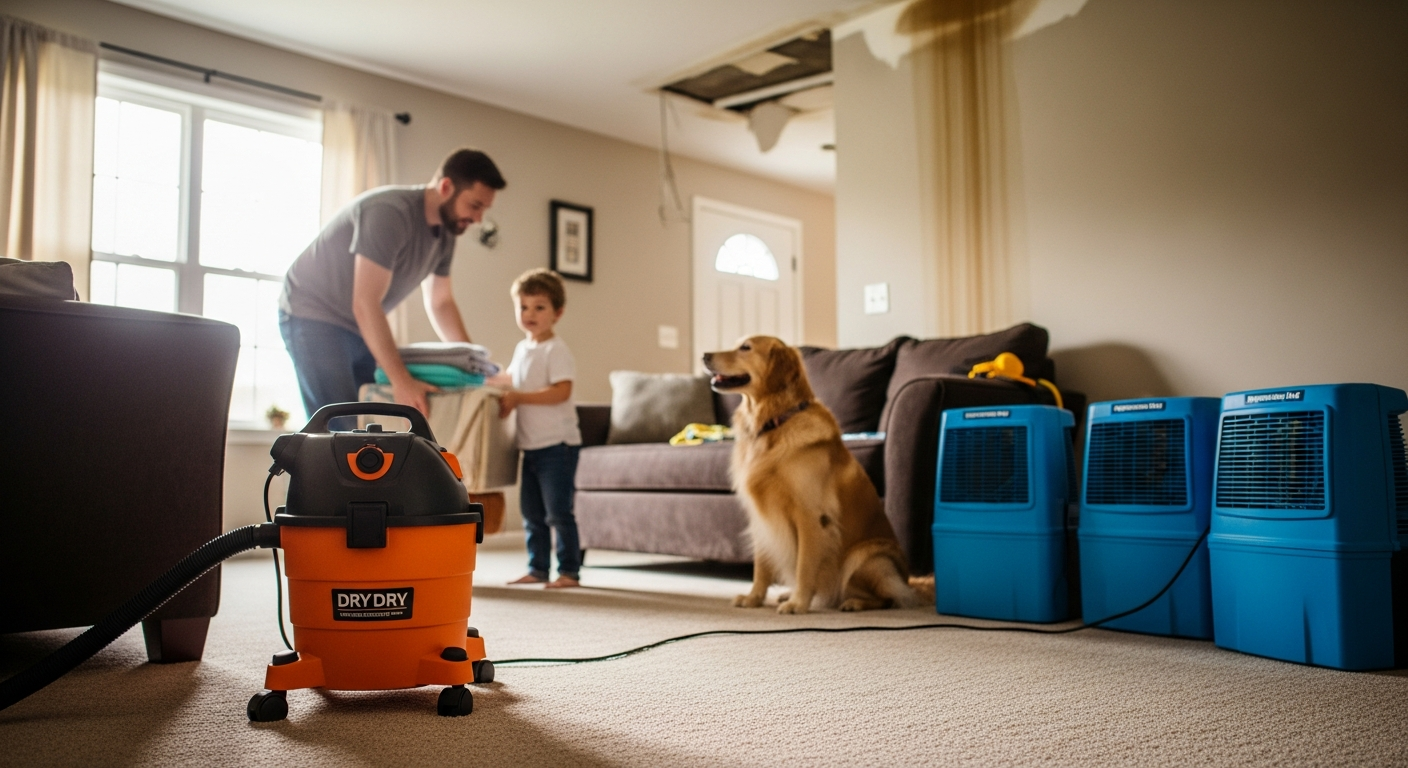
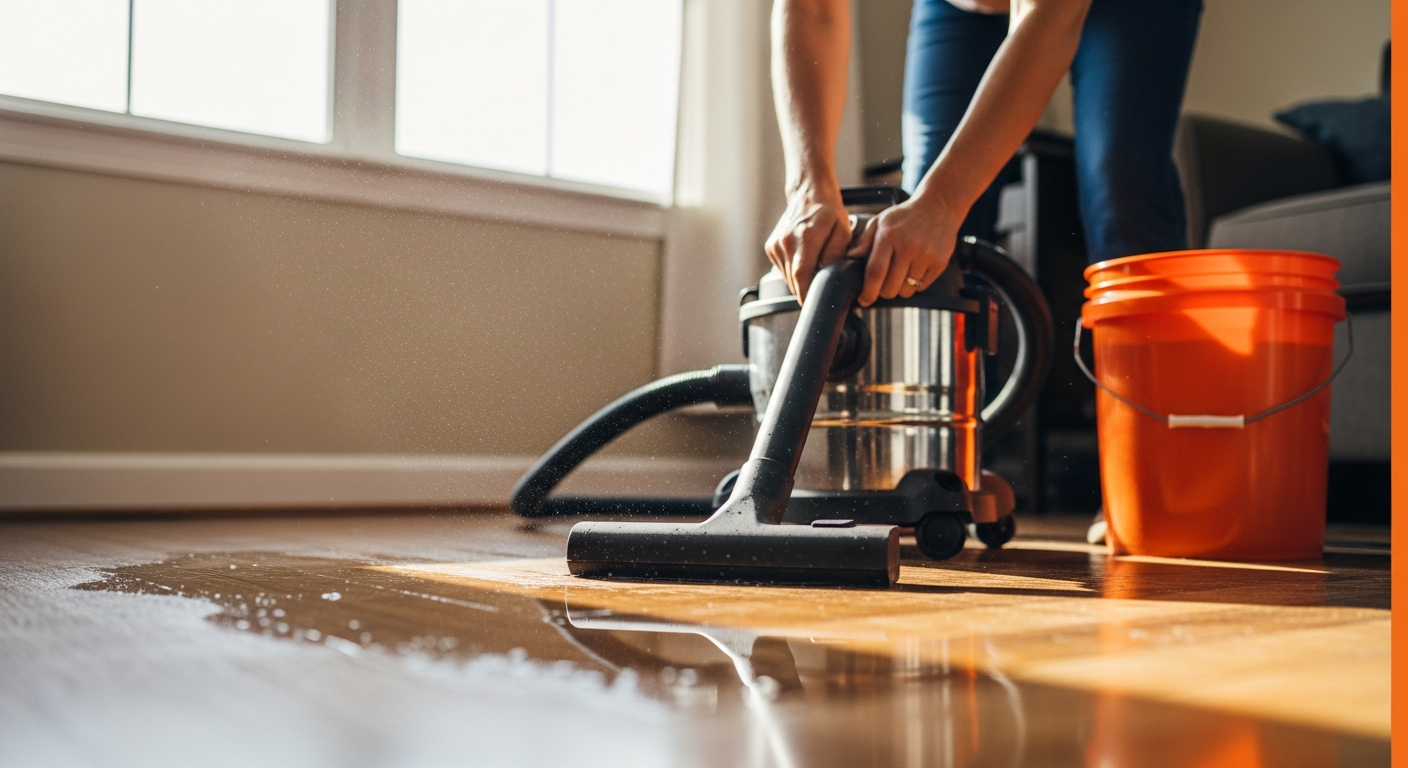
- Remove standing water safely – use wet vacuums or pumps for clean water only; avoid contact with gray or black water without protective equipment
- Move salvageable items to dry areas – prioritize electronics, documents, and furniture that can be restored within 24-48 hours
- Start air circulation – open windows if weather permits and position fans to promote evaporation, but avoid spreading contaminated air to clean areas
- Contact your insurance company within 24 hours – Missouri law requires prompt notification, and delays can complicate claims processing
Understanding Water Damage Categories in Hazelwood Homes
Water damage gets classified into three categories that determine both health risks and restoration approaches. Category 1 (clean water) comes from supply lines, appliance leaks, or rainwater that hasn’t contacted contaminated surfaces. Category 2 (gray water) contains moderate contamination from washing machines, dishwashers, or toilet overflows without feces. Category 3 (black water) includes sewage, flooding from rivers or creeks, and any water that’s been stagnant for over 48 hours.
In Hazelwood’s Florissant Valley neighborhood, where many homes sit near Coldwater Creek, spring storms often create Category 3 situations within hours. The Missouri Department of Health and Senior Services reports that floodwater contains an average of 100 million bacteria per milliliter, including dangerous pathogens like Clostridium perfringens and norovirus. Black water exposure requires professional remediation because standard household cleaning cannot eliminate these health hazards.
Category 2 water becomes Category 3 after 48 hours due to bacterial multiplication. What starts as a washing machine overflow in a Hazelwood ranch home can become a serious health hazard if not properly dried and disinfected. The temperature and humidity during Missouri’s spring months (average 70°F with 65% humidity in April) accelerate this contamination process.
Emergency Water Damage Cleanup Hazelwood: Health and Safety Risks
Beyond visible mold growth, water damage introduces respiratory hazards that most homeowners don’t recognize. Wet building materials release volatile organic compounds (VOCs) including formaldehyde from subflooring adhesives and toluene from carpet padding. These chemicals cause headaches, dizziness, and respiratory irritation even before mold appears.
Gray and black water contain disease-causing organisms that survive on surfaces for weeks. Centers for Disease Control data shows that post-flood illness rates spike 3-5 times normal levels, with gastroenteritis, skin infections, and respiratory problems being most common. In Hazelwood’s Spanish Village area, where many homes have finished basements with carpet and drywall, these contaminants get absorbed into porous materials and continue releasing toxins during the drying process.
Children and elderly residents face higher risks from water damage exposure. Aspergillus and Penicillium mold species, which colonize wet drywall within 24-72 hours, produce mycotoxins linked to neurological symptoms and immune system suppression. The combination of Missouri’s spring humidity (averaging 68% in May) and Hazelwood’s dense housing creates ideal conditions for rapid mold amplification in water-damaged homes.
Prevent Mold After Basement Flood St Louis: The Science of Drying
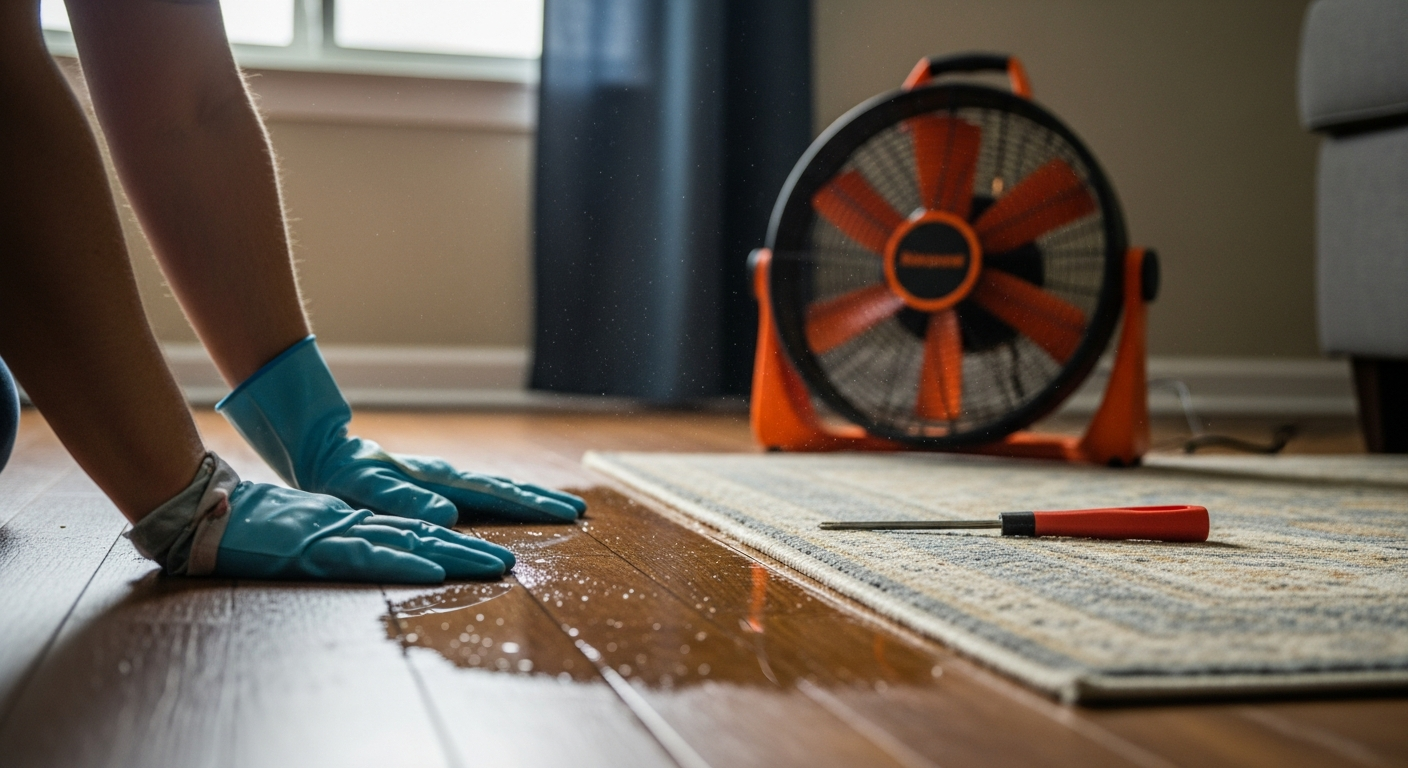
Effective water damage restoration requires understanding psychrometrics – the relationship between temperature, humidity, and moisture content in materials. Professional drying aims for specific vapor pressure differentials that pull moisture from saturated building materials into the air, where dehumidifiers can capture it. This process typically requires maintaining indoor relative humidity below 50% while raising air temperature to 75-80°F.
Hazelwood homes built in the 1960s-1980s often have concrete slab foundations that complicate moisture removal. Concrete absorbs water like a sponge and releases it slowly over weeks or months. Without proper sub-slab ventilation, moisture wicks up through the foundation into flooring and wall systems. Air Sense Environmental uses thermal imaging cameras to detect these hidden moisture pockets that standard moisture meters miss.
The drying timeline depends on material density and saturation levels. Drywall typically dries in 3-5 days with proper equipment, but hardwood flooring can take 2-3 weeks. Insulation rarely dries completely and usually requires replacement to prevent long-term mold problems. In Hazelwood’s ranch-style homes with their typical fiberglass batt insulation, water damage often necessitates removing drywall to access and replace saturated insulation materials.
Storm Damage Response Hazelwood Homes: Local Risk Factors
Hazelwood’s location between the Missouri and Mississippi Rivers creates unique flooding patterns during spring storm seasons. The area receives an average of 4.2 inches of precipitation in May, with storms often producing 2-3 inches in short periods that overwhelm aging storm water systems. Neighborhoods near Coldwater Creek, including areas around Hazelwood East High School and the municipal complex, face additional risks from creek overflow during heavy rainfall events.
The city’s housing stock presents specific vulnerabilities to water damage. Most homes in Spanish Village and the residential areas along Lindbergh Boulevard were built between 1955-1975 with concrete slab foundations and minimal vapor barriers. These foundations lack the moisture protection found in newer construction, allowing groundwater intrusion during wet periods. Many homes have original galvanized steel supply lines that are prone to burst during freeze-thaw cycles.
Hazelwood’s proximity to Lambert-St. Louis International Airport affects local storm patterns. The large paved surfaces and buildings create heat islands that intensify thunderstorm development, while wind shear from aircraft operations can direct storms toward residential areas. National Weather Service data shows that Hazelwood experiences severe thunderstorms 8-12 times per spring season, with hail damage occurring in 60% of these events.
Soil conditions in Hazelwood compound water damage risks. The area sits on Mississippi River alluvial deposits – primarily clay and silt that drain poorly and expand when saturated. During wet springs, this soil pushes against foundation walls and can cause basement seepage even without direct flooding. The high clay content also prevents rapid groundwater absorption, leading to surface ponding that increases the likelihood of water entering homes through door thresholds and foundation cracks.
Water Damage Insurance Claim Tips Missouri: Documentation and Coverage

Missouri follows comparative fault rules for insurance claims, meaning coverage depends on demonstrating that damage resulted from covered perils rather than maintenance neglect. Most homeowner policies cover sudden water damage from burst pipes or storm-related roof leaks but exclude flood damage requiring separate NFIP coverage. The key distinction lies in water source and entry method – water entering from above (roof leaks) typically gets covered, while water entering from below (groundwater seepage) often doesn’t.
Successful claims require immediate documentation showing the progression of damage. Take photographs every few hours during the first 48 hours, capturing water levels, affected materials, and any emergency measures taken. Create detailed written logs noting time stamps, weather conditions, and actions taken to mitigate damage. Missouri’s Department of Insurance recommends homeowners maintain these records for at least three years, as some damage effects (like mold growth) may not appear immediately.
Insurance adjusters look for evidence that homeowners took reasonable steps to prevent additional damage. This includes stopping water sources, removing standing water, and starting the drying process within 24-48 hours. Failure to act quickly can result in claim denials for secondary damage like mold growth or structural deterioration. In Hazelwood, where spring storms can cause widespread damage leading to adjuster delays, homeowners who document their immediate response efforts typically receive faster claim processing and better settlements.
24 Hour Water Removal St Louis: Professional Assessment and Equipment
Air Sense Environmental’s approach to water damage restoration begins with comprehensive indoor air quality testing using their Model 5200 IAQ Monitor, which provides real-time data on particulates, chemical pollutants, carbon dioxide, and humidity levels. This scientific approach allows Jake Lusby and his team to identify contamination that standard visual inspections miss, particularly important in Hazelwood homes where water damage often affects HVAC systems and creates airborne health hazards.
The company’s restoration process addresses the connection between water damage and radon levels – a concern unique to their IEMA-licensed expertise. Wet basements and crawl spaces can actually increase radon concentrations by altering soil gas pressure and creating new entry points through foundation cracks. After completing water remediation in Hazelwood homes, Air Sense Environmental often recommends radon testing since the restoration process may have affected existing mitigation systems or created new pathways for radon entry.
A recent project in Spanish Village involved a ranch home where a burst water heater flooded the finished basement. Jake’s team used thermal imaging to locate moisture trapped behind finished walls and discovered that water had saturated the home’s existing radon mitigation system foundation seal. The restoration required not only drying and rebuilding the basement but also repairing the radon system to maintain its effectiveness. This integrated approach to indoor air quality sets Air Sense Environmental apart from restoration companies that only address visible water damage.
The company’s crawl space encapsulation services become particularly relevant after water damage in Hazelwood’s older homes. Many properties built before 1980 have minimal moisture barriers in crawl spaces, making them susceptible to ongoing humidity problems after flooding. Air Sense Environmental installs vapor barriers, sealed access panels, and properly sized dehumidification systems that prevent future moisture problems while improving overall indoor air quality.
Knowing when to call professionals versus attempting DIY cleanup can save thousands in additional damage costs. Category 1 water damage affecting less than 10 square feet might be manageable with proper equipment and knowledge, but Category 2 or 3 water always requires professional remediation. In Hazelwood’s typical ranch homes, water damage often affects HVAC systems, electrical components, and insulation that homeowners cannot safely access or properly restore.
Air Sense Environmental maintains 24-hour response capability for water emergencies throughout the greater St. Louis area, including emergency water damage cleanup Hazelwood situations that require immediate professional intervention. Their NRPP-certified technicians understand how water damage affects overall indoor air quality and can address both immediate restoration needs and long-term air quality concerns. For comprehensive guidance on water damage restoration processes, homeowners can reference their detailed water damage restoration guide that covers both emergency response and prevention strategies.
Frequently Asked Questions
How quickly does mold start growing after water damage in Hazelwood homes?
Mold spores begin germinating within 24-48 hours in Missouri’s spring humidity conditions, but visible growth typically appears after 3-5 days. Hazelwood’s average May humidity of 68% accelerates this timeline, especially in basements and crawl spaces where air circulation is limited. The combination of warm temperatures (70-75°F) and moisture creates ideal conditions for Aspergillus and Penicillium species that commonly affect water-damaged drywall and insulation in local ranch-style homes.
Does homeowner insurance cover water damage from spring storms in Missouri?
Coverage depends on the water source and entry method. Storm-related roof leaks and burst pipes typically receive coverage under standard homeowner policies, but groundwater flooding requires separate NFIP flood insurance. In Hazelwood’s flood-prone areas near Coldwater Creek, many claims get denied because water enters through foundations rather than from above. Missouri law requires insurers to explain coverage decisions within 30 days, and homeowners have appeal rights through the state Department of Insurance.
What’s the difference between professional water removal and DIY cleanup methods?
Professional restoration uses industrial dehumidifiers, air movers, and moisture detection equipment that removes water from building materials, not just surfaces. DIY methods like household fans and dehumidifiers cannot generate the vapor pressure differentials needed to dry saturated drywall, insulation, and subflooring completely. Air Sense Environmental’s thermal imaging cameras detect hidden moisture pockets that lead to mold growth weeks later, while their Model 5200 IAQ Monitor identifies airborne contaminants that standard cleanup methods miss.