If your radon test came back high, the most important first step is also the calmest one: do not panic, and do not rush. A single elevated reading is a signal to confirm the result with a follow-up test, not a reason to assume your family is in immediate danger. Radon exposure is a long-term risk that builds over years, so the short time it takes to confirm the number and schedule professional mitigation will not change your situation. Across the St. Louis, MO metro, including St. Louis County and St. Charles County, the EPA recommends taking action once a home tests at or above 4.0 pCi/L. This guide walks you through exactly what to do after a high radon test: how to confirm the reading, when to schedule mitigation, what happens during the work, and how long it takes to reach safe levels.
Your Radon Test Came Back High: What Should You Do First?
The first thing to do after a high radon test is confirm it with a follow-up test before you commit to any work. A radon reading reflects the conditions in your home during the testing window, and levels can shift with the weather, the season, and how the house was closed up. Confirming the number protects you from installing a system on the strength of one unusual result.
Here is the short version of the response, in order:
- Do not panic. Radon is a long-term exposure risk, not an emergency.
- Confirm the result with a second test, matched to how high the first reading was.
- Schedule professional mitigation once the result is confirmed at or above the action level.
- Verify the fix with a post-mitigation test before you consider the job finished.
The rest of this guide takes each step in turn so you know what to expect at every stage.
Should You Panic About a High Radon Reading?
No, a high radon reading is not cause for panic, and treating it calmly leads to better decisions. Radon is a naturally occurring gas, and the health risk comes from breathing elevated levels over many years, not from a single day or week of exposure. That is why the EPA frames its guidance around long-term averages rather than emergency response.
It is still worth taking seriously. The EPA estimates that radon is responsible for about 21,000 lung cancer deaths in the United States each year, which makes it the leading cause of lung cancer among people who have never smoked. That statistic is a reason to act in an orderly way, not a reason to lose sleep over one reading. Reducing a confirmed high level brings your long-term exposure back down, and the steps to get there are well established and routine.
How Do You Confirm a High Radon Result?
You confirm a high radon result with a follow-up test, and the type of follow-up depends on how high the first reading was. The EPA’s Consumer’s Guide to Radon Reduction lays out a simple decision path that any homeowner can follow.
| Your first short-term result | Recommended follow-up | Why |
|---|---|---|
| 4.0 to 10 pCi/L | A second short-term test, or a long-term test | Confirms the average before committing to mitigation |
| 10 pCi/L or higher | A second short-term test under closed-building conditions | A higher reading warrants a faster confirmation |
A few practical notes on confirming the number:
- Average the two short-term tests. If the average of your first and second short-term results is 4.0 pCi/L or higher, the EPA recommends mitigation.
- Test the lowest lived-in level. Place the test in the lowest area of the home you regularly occupy, and keep windows and exterior doors closed during a short-term test.
- A long-term test gives the truest picture. A test longer than 90 days reflects the year-round average, though many homeowners with a clearly high reading move ahead on confirmed short-term results.
If the confirmed average lands below 4.0 pCi/L, you may not need a system at all, which is exactly why confirming the result first matters.
What Happens After You Confirm a High Reading?
Once your follow-up test confirms a level at or above 4.0 pCi/L, the next step is to schedule a professional radon mitigation assessment. This is the point where a certified contractor takes over, and it is the most reliable path to a lasting fix. A do-it-yourself approach rarely matches the performance of a properly designed system.
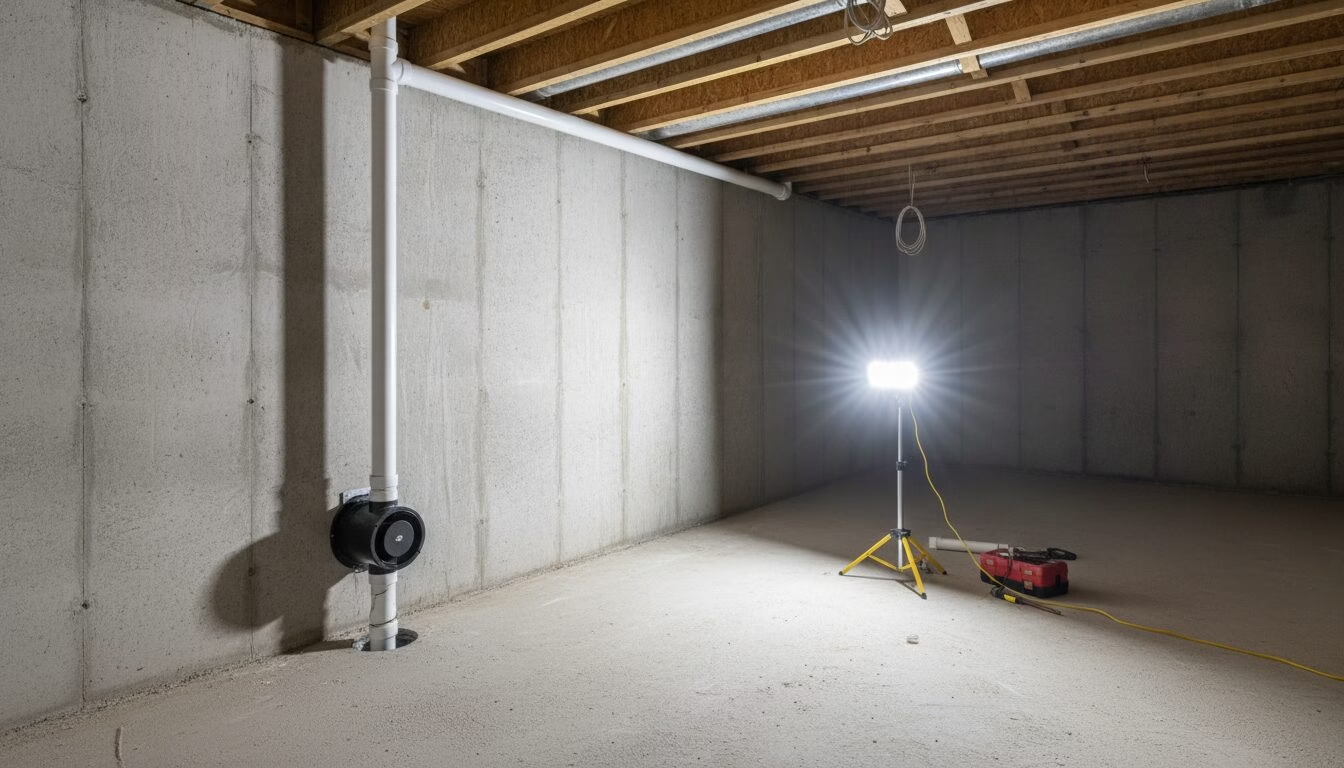
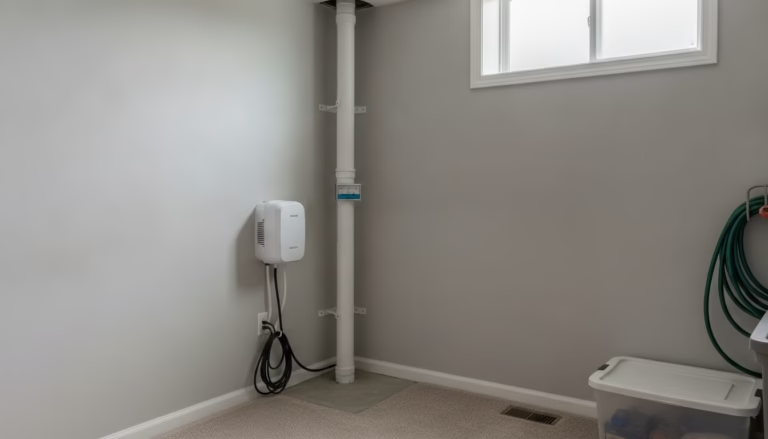
During an on-site assessment, a contractor evaluates your foundation type, locates the best suction points, and designs a system sized to your home. For most St. Louis-area homes, that means an active sub-slab depressurization system: a sealed pipe and an inline fan that draw soil gas from beneath the foundation and vent it safely above the roofline. You can review the options and the full process on our page covering radon mitigation services in St. Louis.
Scheduling promptly is sensible, but there is no need to treat it as an emergency. Most homeowners book their installation within a few weeks of confirming a high result, and a higher confirmed reading is simply a reason to move toward the earlier end of that window.
What Is the Timeline to Safe Radon Levels?
The timeline to safe radon levels is short once a system is installed. A standard residential radon mitigation system is typically installed in a single day, and it begins lowering the radon concentration in your home within about 24 hours of being switched on.
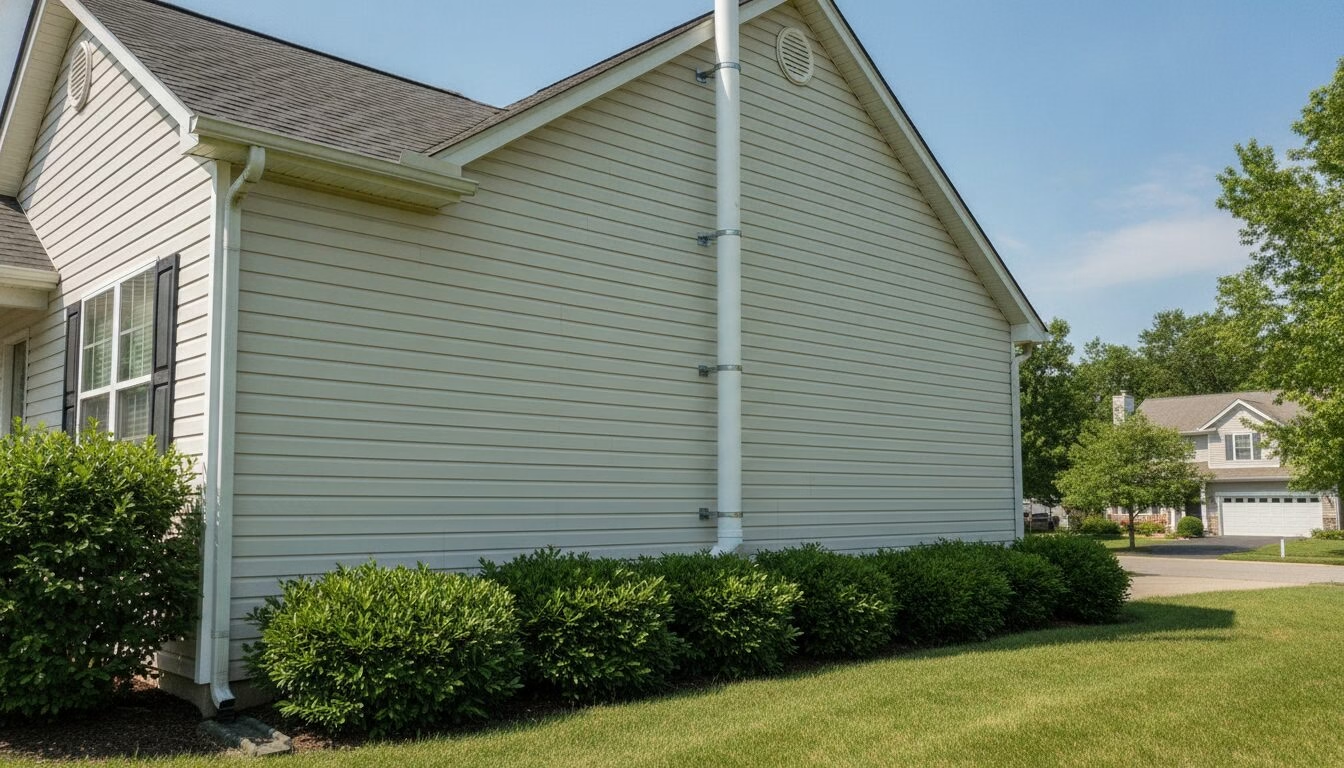
Here is what the process and timeline usually look like from confirmation to verified safety:
- Installation day: A technician installs the suction point, vent pipe, and fan, usually in about four to six hours for a typical home.
- First 24 hours: The fan pulls soil gas out from under the foundation, and indoor levels drop quickly.
- Post-mitigation test: A follow-up radon test, run after the system has operated under normal closed conditions, confirms the home is below 4.0 pCi/L. A good contractor treats this verification as part of the job.
- Ongoing: The EPA recommends retesting every two years to be sure levels stay low, while the system’s fan runs continuously and quietly in the background.
The EPA’s Consumer’s Guide to Radon Reduction reports that soil-suction systems can reduce indoor radon by up to 99 percent when they are designed and installed correctly. That is why post-mitigation verification, rather than assumption, is how you know the job actually worked.
Why Choose Air Sense Environmental for St. Louis Radon Mitigation?
Air Sense Environmental designs each system around the individual home and confirms the result with post-mitigation verification testing, so a homeowner knows the installed system actually brought levels below the EPA action level of 4.0 pCi/L rather than assuming it did. The company is licensed in Illinois under IEMA #RNM20232346 and is NRPP-certified, and from its base in Edwardsville, Illinois it installs and services systems across the metro, including St. Louis County, St. Charles County, Jefferson County, and Franklin County, along with O’Fallon, Illinois and O’Fallon, Missouri.
A high radon test is a manageable problem with a clear, proven response. Confirm the reading, schedule a qualified contractor, and verify the fix. Handled in that order, a high result becomes a solved one.
Frequently Asked Questions About a High Radon Test
My radon test came back high. Do I need to leave my house?
No, you do not need to leave your house because of a high radon test. Radon is a long-term exposure risk that builds over years, so a confirmed high reading calls for an orderly plan, not evacuation. Confirm the result with a follow-up test and schedule mitigation, and your long-term exposure starts dropping as soon as a system is running.
How high is too high for a radon test?
The EPA recommends fixing your home when a confirmed radon level reaches 4.0 pCi/L or higher. The agency also suggests considering a system for levels between 2.0 and 4.0 pCi/L, because there is no known completely safe level of radon. A confirmed reading at or above 4.0 pCi/L is the clear signal to act.
Do I need a second radon test before mitigation?
In most cases, yes. The EPA recommends confirming an elevated short-term result with a follow-up test before installing a system. If your first reading was between 4.0 and 10 pCi/L, the follow-up can be a short-term or a long-term test, and if it was 10 pCi/L or higher, a second short-term test under closed conditions confirms it faster.
How long does it take to lower radon after mitigation?
A radon mitigation system begins lowering levels within about 24 hours of being turned on, and the installation itself usually takes a single day. A post-mitigation test, run a few days after the system starts, confirms the home is below the 4.0 pCi/L action level.
Can I fix high radon myself?
A professional system is strongly recommended for a confirmed high reading. Sealing foundation cracks helps but does not reliably lower radon on its own, and a correctly designed sub-slab system vented above the roofline is what consistently brings levels down. A certified contractor also verifies the outcome with a post-mitigation test.
Get a Free In-Home Radon Mitigation Estimate
A high radon test is the start of a straightforward process, not a crisis. Air Sense Environmental will confirm your situation, design a system that fits your home, and verify the result with post-mitigation testing so you know your air is safe. Schedule your free in-home estimate and get a clear, no-pressure plan for bringing your radon levels down.