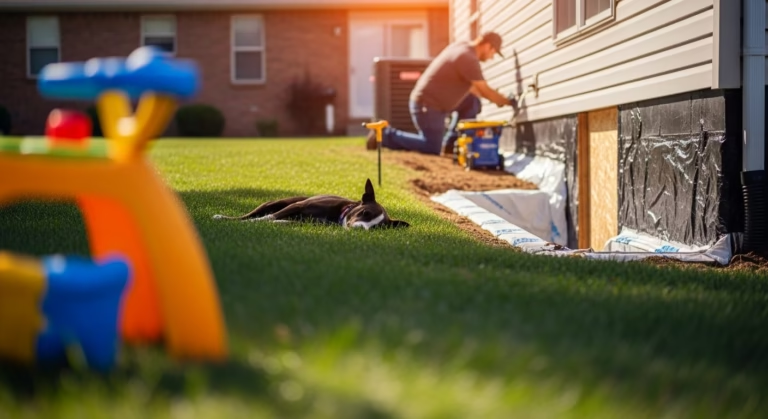
Ballwin homeowners in neighborhoods like Huntleigh Woods and Kehrs Mill discover hidden mold problems most often during routine home maintenance or after water intrusion events. Air Sense Environmental’s Jake Lusby, who holds IEMA Radon License #RNM20232346, regularly encounters mold issues during comprehensive indoor air quality assessments throughout St. Louis County. Understanding when to get mold testing in your Ballwin home requires recognizing the specific environmental conditions that make West County particularly susceptible to mold growth. ## What to Do About Mold Testing in Ballwin – Schedule professional testing immediately after any water damage from burst pipes, roof leaks, or basement flooding
- Test before purchasing a home, especially properties built before 1980 in neighborhoods like Claymont or Manchester Manor
- Arrange testing if family members experience unexplained respiratory symptoms that improve when away from home
- Get air quality testing during seasonal humidity spikes between March and May when St. Louis receives over 10 inches of rainfall
- Test crawl spaces and basements annually in homes with known moisture issues or poor ventilation
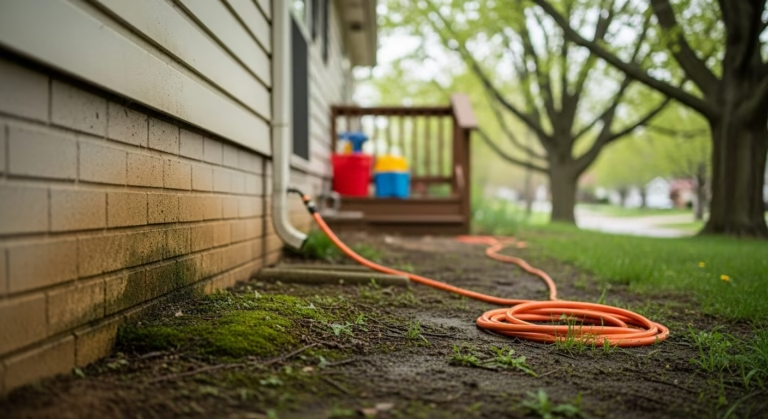
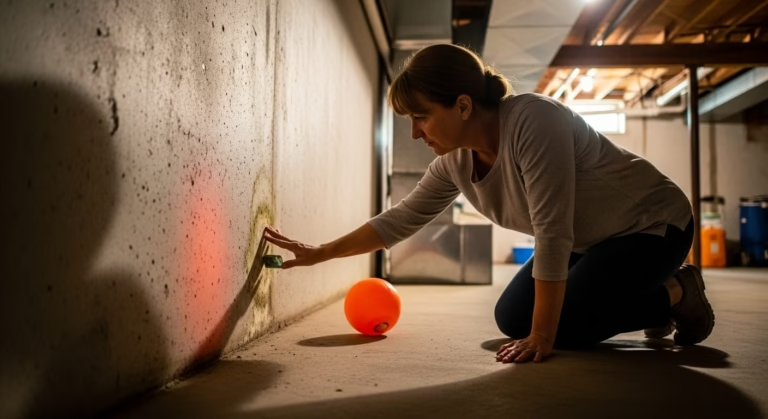
- Schedule comprehensive indoor air quality monitoring if you detect musty odors that persist after thorough cleaning ## Signs of Hidden Mold in Ballwin Homes Mold grows in Ballwin’s climate when indoor humidity exceeds 60% for extended periods. The Missouri Department of Health reports that Aspergillus, Cladosporium, and Stachybotrys are the most common species found in Missouri homes, with each presenting distinct health risks and growth patterns. Hidden mold typically develops in areas homeowners rarely inspect: behind drywall around plumbing fixtures, inside HVAC ductwork, and within wall cavities where minor leaks go undetected. Unlike visible surface mold on bathroom tiles, hidden colonies can spread extensively before producing noticeable odors or health symptoms. Air Sense Environmental’s advanced moisture detection equipment identifies these problem areas by measuring humidity levels within wall assemblies and detecting temperature differentials that indicate moisture intrusion. St. Louis County’s dominant silt loam soil composition, with 61.7% silt content, creates drainage challenges during heavy spring rains. This soil type has moderate-to-high runoff potential, meaning water often pools near foundations rather than draining away efficiently. Homes in Ballwin’s Pond Creek and Wild Horse Creek watersheds experience particular moisture pressure during the region’s 40-50 annual thunderstorms. ## Indoor Air Quality Effects in West County Ballwin’s location in western St. Louis County creates specific mold challenges due to elevation changes and creek proximity. Neighborhoods like Highlands of Ballwin and Westchester sit in natural drainage areas where groundwater naturally flows toward the Meramec River watershed. The area’s hard water, averaging 12.8 grains per gallon according to Missouri American Water, contributes to mineral buildup in plumbing that can mask early leak detection. Homes built between 1960-1990 in subdivisions like Kiefer Creek and Ballwin Meadows often feature original plumbing and HVAC systems that develop leaks as copper pipes age and ductwork settles. The region’s limestone bedrock creates natural humidity as groundwater evaporates through foundation materials. Temperature fluctuations between St. Louis’s hot, humid summers and brisk winters stress building materials. Homes with poor vapor barriers experience condensation cycles that create ideal mold growth conditions. Air Sense Environmental’s continuous monitors track these humidity fluctuations over 48-hour periods, providing data on exactly when and where moisture levels exceed safe thresholds. Local building practices in Ballwin evolved before modern moisture management techniques. Many homes lack proper crawl space encapsulation or have inadequate ventilation systems that fail to control humidity effectively. The 2018 International Residential Code adopted by St. Louis County now requires improved moisture barriers, but existing homes often need retrofitting to meet current standards. ## Mold Inspection Costs in St. Louis County Professional mold testing in St. Louis County ranges from $300-$800 depending on home size and testing scope. Basic visual inspections cost $300-$450 and include moisture meter readings and surface sampling of suspected problem areas. Comprehensive whole-home testing with air sampling throughout multiple rooms costs $600-$800 and provides detailed analysis of airborne spore concentrations. Air Sense Environmental’s approach differs from standard testing by incorporating indoor air quality monitoring that measures multiple environmental factors simultaneously. Their testing identifies not just mold presence but also humidity sources, air circulation patterns, and other factors affecting overall air quality. ## When Ballwin Homeowners Need Professional Testing Professional mold testing becomes necessary when DIY moisture meters detect elevated readings above 16% in wood materials or when family members experience symptoms that correlate with time spent in specific rooms. Air Sense Environmental’s Jake Lusby frequently encounters situations where homeowners notice musty odors in finished basements or experience allergy symptoms that worsen during humid weather. Recent customer Gary Lubbes experienced persistent indoor air quality issues in his St. Louis County home before Air Sense Environmental’s comprehensive testing identified multiple moisture sources. The team’s systematic approach reduced his environmental concerns and provided specific recommendations for preventing future mold growth through improved ventilation and humidity control. ## Air Sense Environmental’s Testing Methods Air Sense Environmental uses advanced moisture detection technology that goes beyond basic visual inspections to identify hidden mold growth patterns. Their testing protocol includes thermal imaging to locate temperature differentials indicating moisture intrusion, continuous air monitoring to track spore concentrations over time, and comprehensive humidity mapping throughout the home’s living spaces and mechanical areas. The team’s partnership with AprilAire allows them to recommend specific solutions like the E100 Dehumidifier for basement moisture control or the Model V22BEC Energy Recovery Ventilator for improved whole-house air circulation. These targeted recommendations address the root causes of mold growth rather than just treating visible symptoms. Jason Jackson’s team emphasizes customer education throughout the testing process, explaining how Ballwin’s specific climate conditions contribute to mold risks and providing practical prevention strategies. Their quick response scheduling accommodates urgent situations like water damage events where immediate testing prevents extensive mold development. Ballwin homeowners benefit from understanding that mold testing serves as an early warning system for broader indoor air quality issues. Professional testing provides the detailed information needed to make informed decisions about remediation, prevention, and long-term home maintenance strategies. Air Sense Environmental offers comprehensive indoor air quality solutions that address mold alongside other environmental concerns like radon and allergens. Their crawl space encapsulation services directly target one of the most common mold growth areas in St. Louis County homes. Contact their licensed team for a free consultation to assess your home’s specific mold risk factors and develop a customized testing plan. ## Frequently Asked Questions #### How accurate are DIY mold test kits compared to professional testing in Ballwin? DIY mold test kits typically cost $10-$50 but only identify mold presence, not species type or concentration levels. Professional testing uses calibrated air sampling equipment that measures spore counts per cubic meter and identifies specific mold species through laboratory analysis. St. Louis County’s variable humidity levels require continuous monitoring over 24-48 hours to capture accurate readings, which DIY kits cannot provide. Professional testing also includes moisture source identification and remediation recommendations that DIY kits lack. #### What mold species are most common in St. Louis County homes? Aspergillus, Cladosporium, and Penicillium are the most frequently identified mold species in Missouri homes according to state health department data. Stachybotrys (black mold) occurs less frequently but requires immediate professional remediation due to its toxin production. Each species thrives in different moisture conditions and building materials, making professional identification important for effective remediation strategies. Air Sense Environmental’s testing identifies specific species to determine appropriate remediation approaches and health risk levels. #### Does homeowner’s insurance cover mold testing costs in Missouri? Most Missouri homeowner’s insurance policies exclude mold damage unless it results from a covered peril like burst pipes or storm damage. Preventive mold testing typically requires out-of-pocket payment, but testing after covered water damage events may qualify for insurance reimbursement. Insurance companies often require professional documentation of mold presence before approving remediation coverage. Air Sense Environmental provides detailed testing reports that meet insurance documentation requirements and can help homeowners navigate coverage questions.