
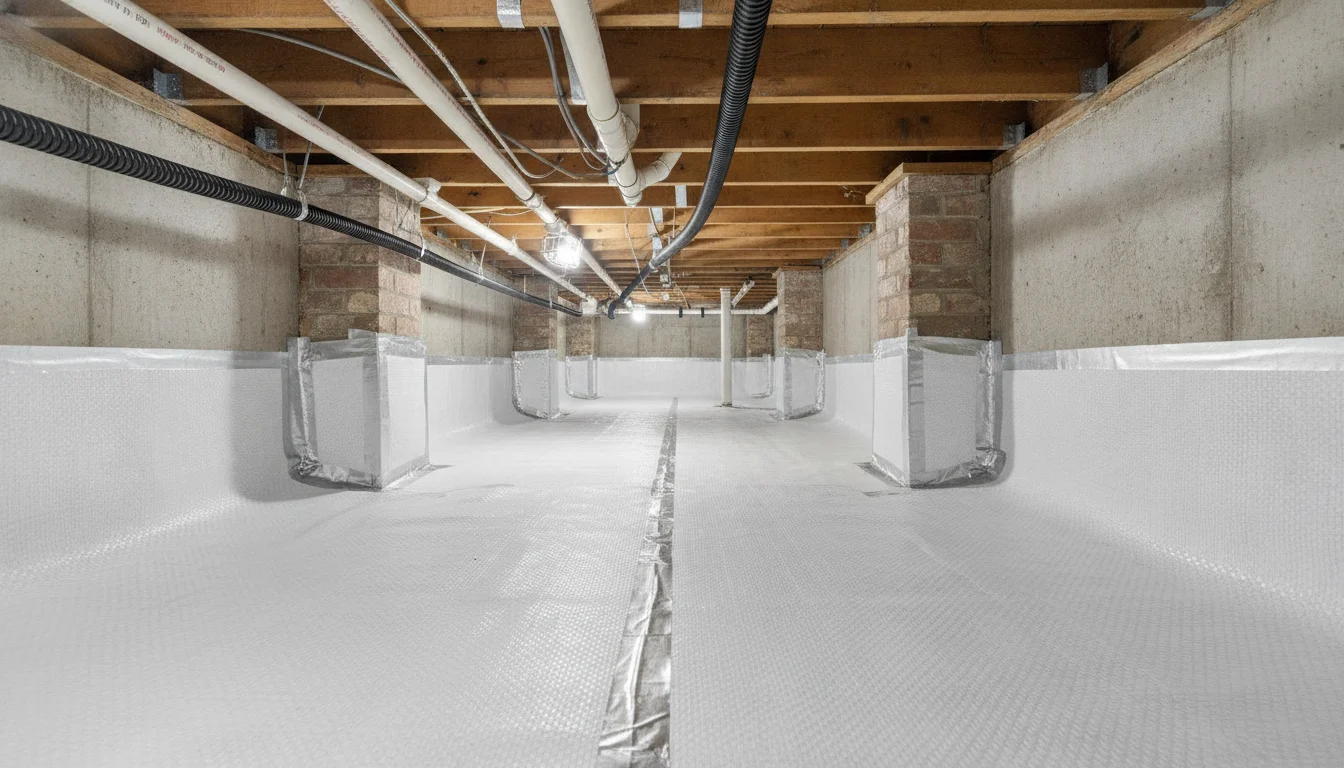
Does crawl space encapsulation add value to your home? Yes, though usually not as a dollar-for-dollar line item on an appraisal the way a kitchen remodel might. The honest picture is that crawl space encapsulation mostly protects the value you already have: it stops the moisture problems that lead to rot, mold, and expensive structural repairs, and it removes a red flag inspectors routinely note during a sale. Crawl space encapsulation also delivers benefits you collect while you live there, including lower energy bills and cleaner indoor air. If you are looking purely at return at closing, treat it as insurance rather than an upgrade.
Does Crawl Space Encapsulation Directly Increase My Appraised Value?
Not reliably, and any contractor who promises a specific appraisal bump is guessing. Appraisers work from comparable sales, and a sealed crawl space is not a standard line item the way square footage, bedroom count, or a finished basement is.
What actually happens is subtler. A dry, clean, well-lit crawl space signals a maintained house, and buyers price maintained houses differently than they price question marks.
Encapsulation can also unlock usable square footage for storage, which has practical value to a buyer even if it never shows up in the appraisal math. We cover that in our guide to transforming crawl spaces into usable storage.
How Does Crawl Space Encapsulation Protect the Value I Already Have?
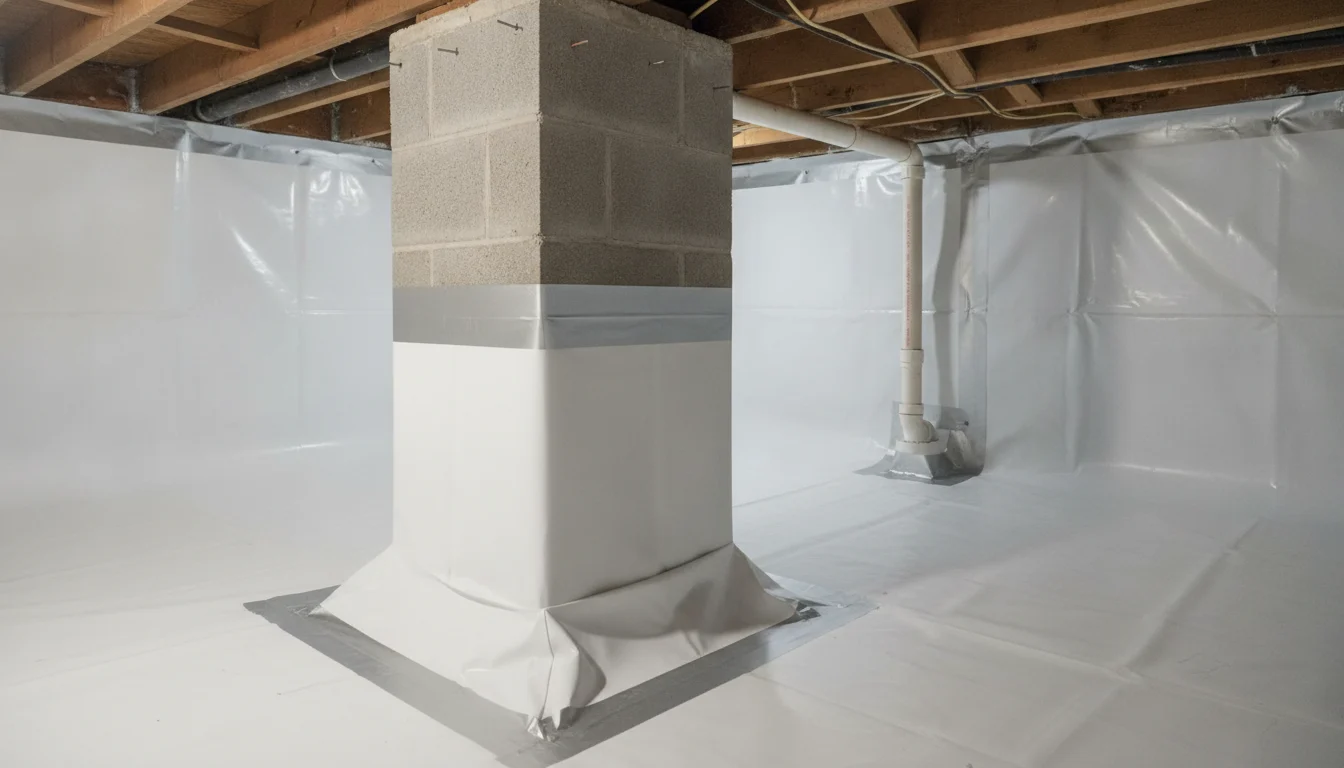
It protects value by keeping ground moisture out of the structure that holds your house up. Encapsulation means sealing the crawl space with a heavy vapor barrier across the soil and up the walls, sealing the vents, and controlling humidity in the sealed space.
Left unsealed, a damp crawl space slowly works on the wood above it. The typical progression looks like this:
- Moisture evaporates out of bare soil and raises humidity in the crawl space.
- Joists, subfloor, and insulation absorb that moisture.
- Mold and wood-decay fungus get the conditions they need to grow.
- Insulation sags and stops working, floors feel soft or cold, and repair costs climb.
St. Louis area conditions make this a recurring regional problem. Heavy clay soil holds water against foundations and summer humidity keeps crawl spaces damp for months, which is why preventing mold growth is one of the most common reasons homeowners here call us.
Does an Encapsulated Crawl Space Help During a Home Inspection?
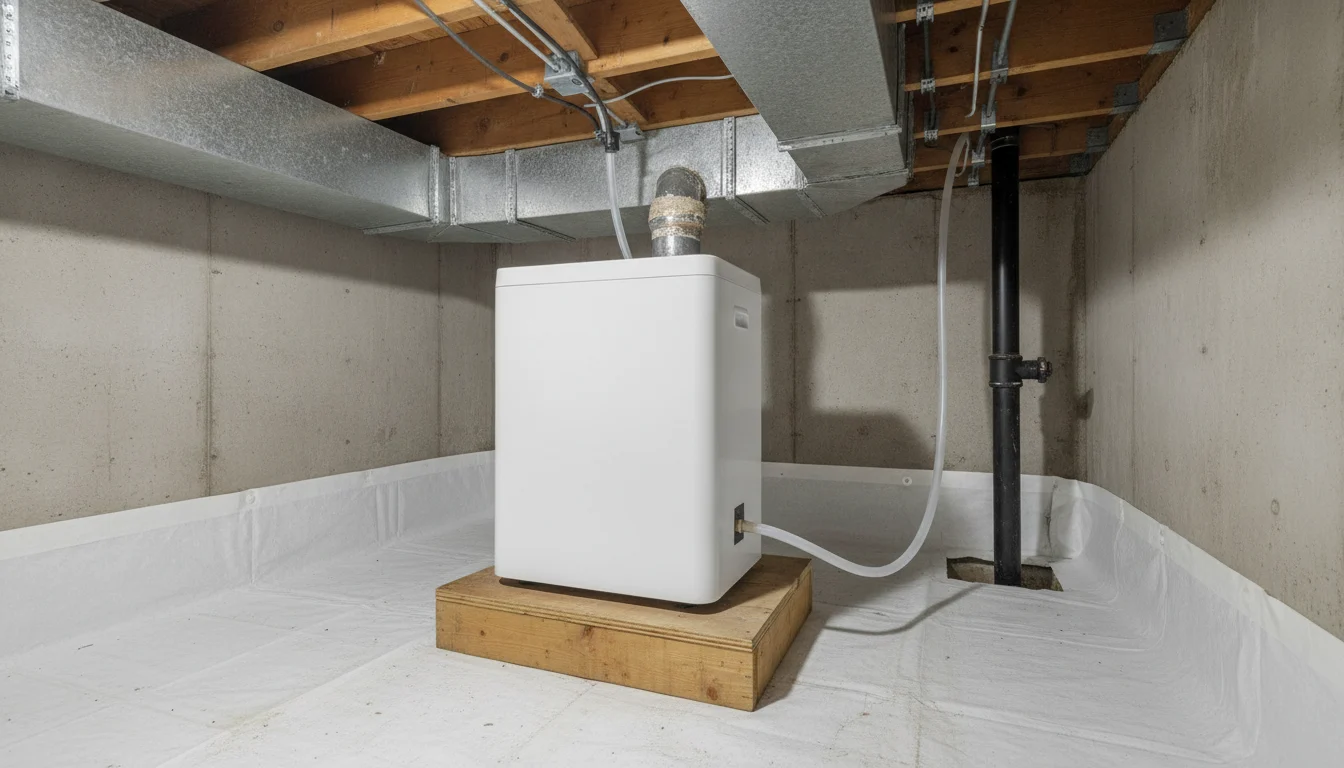
Yes, and this is where encapsulation most often pays for itself. Crawl space moisture, visible mold, standing water, and fallen insulation are among the most common findings in inspection reports on older homes.
Encapsulation removes the findings that most often show up in that section of the report:
- Standing water or persistently damp soil under the house
- Visible mold on joists and subfloor
- Sagging or fallen insulation
- A musty odor reaching the living space
- Evidence of pests getting in through the crawl space
An inspection finding like that rarely kills a deal outright, but it hands the buyer a reason to renegotiate, and the credit they ask for is rarely the actual repair cost.
Encapsulating before you list turns a vague problem into a documented improvement. You hand over a receipt instead of absorbing a price reduction.
Will Crawl Space Encapsulation Lower My Energy Bills?
It typically reduces heating and cooling costs, though the savings alone rarely pay back the full project quickly. A vented crawl space pulls humid outside air in directly under your floor, and your HVAC system spends energy conditioning it.
The savings come from a few specific places:
- Ductwork running through a dry sealed space instead of humid outside air
- Less moisture for the air conditioner to pull back out of the house
- Warmer floors in winter, so the heating system cycles less often
- A smaller temperature gap between the crawl space and the rooms above
Sealing the crawl space brings it inside the building envelope. Ductwork running through a sealed, dry space loses less energy than ductwork running through a humid, vented one, which is the mechanism behind improved HVAC efficiency and home comfort.
Homeowners also tend to notice comfort improvements before they notice bill improvements: fewer cold floors in winter, less clammy air in summer, and an HVAC system that cycles less. If you want to weigh those savings against project cost, our cost-benefit analysis of encapsulation walks through the tradeoffs.
What Does Encapsulation Do for Indoor Air Quality?
It improves the air upstairs, because crawl space air does not stay in the crawl space. Air rises, so a share of what you breathe in your living room started out under your floor.
That means mold spores, musty odors, and soil gases from a damp crawl space end up in your living space. Sealing the soil cuts off the source rather than filtering the symptom.
Radon is part of this picture too. Sealing the crawl space soil is the foundation of a crawl space radon system, which is why encapsulation is a key element in radon mitigation, and why homeowners often combine the two projects. If you are unsure what is actually in your air, indoor air quality testing gives you a baseline before you spend anything.
Is Crawl Space Encapsulation Worth It If I Am Not Planning to Sell?
Crawl space encapsulation is worth it even if you are not planning to sell, and arguably more so. If you plan to stay several more years you collect the energy savings, the comfort, and the air quality benefits every year you own the home, and you avoid the structural repair bill a neglected crawl space eventually produces.
The case is weakest if you are selling in a few months and your crawl space is already dry, with no history of moisture. In that case the money may do more for you elsewhere.
Here is an honest breakdown of where the value actually comes from:
| Type of Value | Honest Assessment |
|---|---|
| Direct resale value | Weak as a standalone line item. Appraisers do not have a standard adjustment for it, and you should not expect dollar-for-dollar return at closing. |
| Protected value and avoided repair | Strong. Preventing rot, failed insulation, and structural repair is where most of the financial case lives, especially in clay soil and humid summers. |
| Inspection and negotiation leverage | Strong. Removing a documented moisture or mold finding closes off a common source of price reductions and repair credits. |
| Energy savings | Moderate. Real and ongoing, but slow to repay the full project on its own. Treat it as a contributor, not the whole justification. |
| Health and comfort | Strong for the people living there, though difficult to price. Matters most in homes with allergy concerns, musty odors, or elevated radon. |
Frequently Asked Questions About Crawl Space Encapsulation and Home Value
These are the questions homeowners ask most often about crawl space encapsulation and home value, covering buyer reaction, pre-sale timing, cost, and radon.
Do buyers actually care about an encapsulated crawl space?
Most buyers do not shop for encapsulation, but they react strongly to what an unsealed crawl space looks like when the inspector opens it. A clean, dry, sealed space removes a source of doubt during the inspection period, and that is where it influences the transaction.
Should I encapsulate before listing my home?
It depends on the condition of your crawl space. If there is visible moisture, mold, or sagging insulation, addressing it before listing generally costs less than the credit a buyer will ask for after their inspection. If the space is already dry and clean, the case for doing it purely to sell is much weaker.
How much does crawl space encapsulation cost in the St. Louis area?
Cost depends on the square footage of the crawl space, its current condition, access, and whether drainage or a dehumidifier is needed. We break down the variables in our guide to crawl space encapsulation cost in St. Louis, and we provide free in-home estimates so you get a real number for your house rather than a range.
Does encapsulation fix a radon problem by itself?
Not by itself. Sealing the soil is the foundation of a crawl space radon system, but a complete system also needs a vent pipe and fan to draw soil gas out from under the barrier. If your levels are elevated, plan the encapsulation and the radon mitigation together so the barrier is installed correctly for both purposes.
Get an Honest Assessment of Your Crawl Space
An honest assessment of your crawl space is the only way to know whether crawl space encapsulation is worth it for your home. Air Sense Environmental will look at your crawl space, tell you plainly if it does not need the work, and price it if it does. Schedule a free in-home estimate or call 314-664-9807.