Effectively managing radon gas involves installing a specialized mitigation system, a crucial step for safeguarding your indoor air quality and long-term health.
This guide walks you through what these systems are, detailing the common configurations like sub-slab suction, the precise steps professionals take during installation, and what you should expect regarding project timelines and overall investment. You will also learn the critical factors for vetting a licensed contractor in Missouri and how these systems integrate with your home’s maintenance plan. For example, professional fan installation and sealing typically require less than one full day.
Understanding this process empowers you to take immediate, informed action to protect your property and family.
What is Radon Mitigation and How Does the System Work?
Radon mitigation is the specialized process of reducing indoor radon gas concentrations to safe, breathable levels. According to EPA Radon Standards, homeowners should take immediate action if testing reveals levels at or above 4.0 pCi/L to prevent long-term health risks.
A professional radon mitigation system installation stops this radioactive gas from accumulating in your living space. By creating a dedicated, airtight pathway for soil gases to escape, these systems protect your family by redirecting radon safely away from your home’s foundation.
The most effective systems consist of several core components designed for durability and performance:
- PVC Piping: This airtight conduit serves as the highway for radon gas, running from beneath the foundation to a vent point above the roof.
- Radon Fan: A specialized, weather-resistant centrifugal fan that runs continuously to provide the suction needed to move soil gases.
- U-Tube Manometer: A pressure gauge installed on the piping that allows you to verify the system is maintaining active suction at a glance.
The system operates using the principle of Active Soil Depressurization (ASD), which centers on creating negative pressure. Under normal conditions, your home acts like a vacuum, pulling soil gases inward because the air pressure inside your basement or crawl space is lower than the pressure in the ground.
The radon fan reverses this dynamic by creating a stronger vacuum under the foundation than the one created by the house. This “negative pressure zone” ensures that radon gas follows the path of least resistance,up through the PVC pipe and out into the atmosphere,rather than seeping through foundation cracks. You can learn more about the specific steps involved in our radon mitigation services to see how this technology is tailored to different home designs.
Common Types of Radon Mitigation Systems for Residential Homes
The effectiveness of a radon mitigation system installation depends largely on your home’s foundation type. Because radon gas enters through the soil, our experts at Air Sense Environmental tailor the suction method to create a permanent vacuum that intercepts gas before it ever reaches your living space.
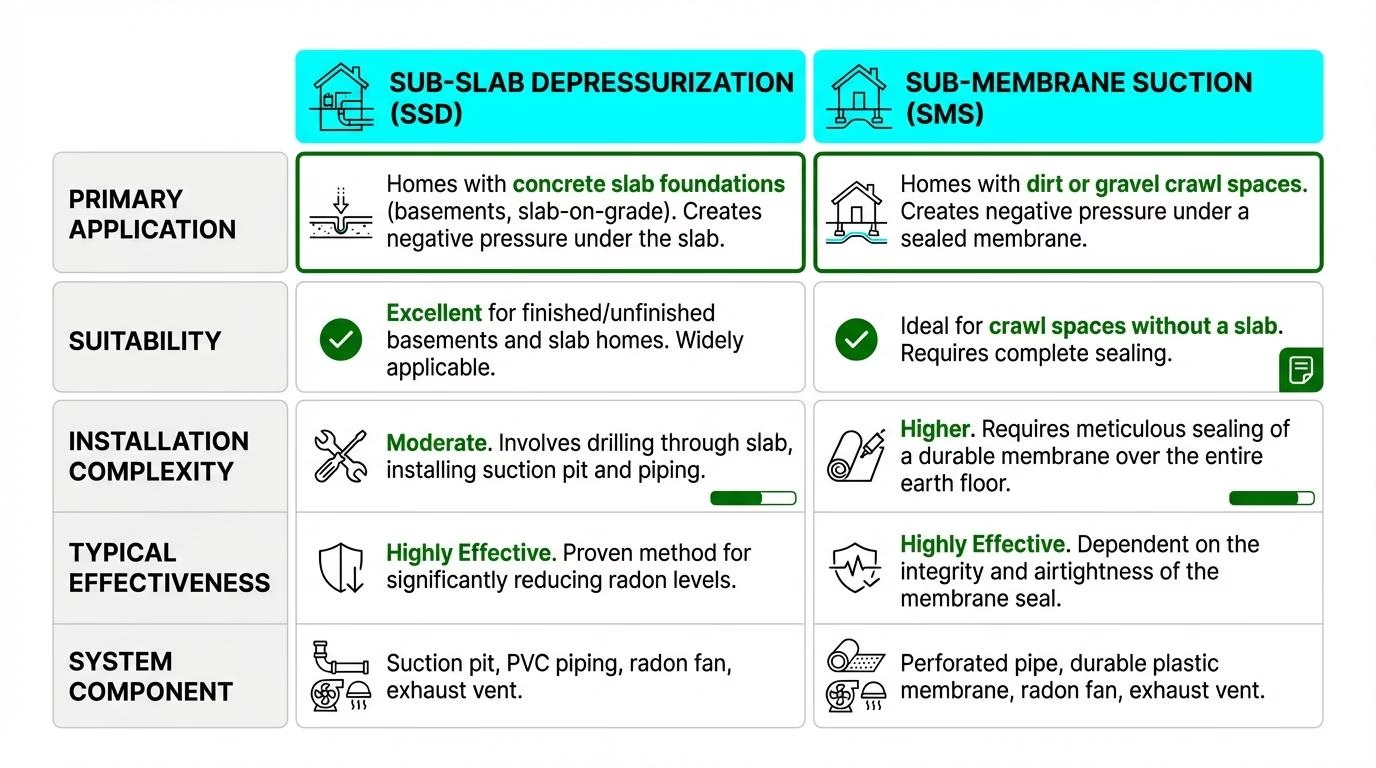
Sub-Slab Depressurization (SSD)
Sub-Slab Depressurization is the most common and effective method for homes built on a concrete slab or with a basement. During installation, a professional drills a “suction pit” through the concrete floor. A PVC pipe is inserted into this pit, and a specialized radon fan is used to create a constant vacuum under the slab. This negative pressure pulls radon gas out from beneath the home and vents it safely above the roofline. In many cases, SSD can reduce radon levels by up to 99%.
Sub-Membrane Depressurization (SMD)
For homes with a crawl space, Sub-Membrane Depressurization is the gold standard. Instead of a concrete slab, these homes have exposed earth that allows gas to seep upward freely. We install a high-density plastic sheet (vapor barrier) over the entire crawl space floor, sealing it tightly to the walls and piers. A suction pipe is then placed beneath this membrane to draw out the radon. This method is exceptionally effective at preventing gas migration while also offering significant moisture control benefits.
System Comparison: SSD vs. SMD
| Feature | Sub-Slab Depressurization (SSD) | Sub-Membrane Depressurization (SMD) |
| :— | :— | :— |
| Foundation Type | Basement or Concrete Slab | Crawl Space (Dirt/Gravel Floor) |
| Primary Mechanism | Suction pit created through concrete | High-density plastic vapor barrier |
| Installation Complexity | Moderate (requires drilling concrete) | Higher (requires sealing membrane) |
| Typical Effectiveness | 90% to 99% reduction | 80% to 95% reduction |
| Primary Goal | Create vacuum under the slab | Seal soil and vent trapped gas |
Routing Options: Interior vs. Exterior
When planning your radon mitigation system installation, you must decide how the exhaust piping will be routed. Both options are effective, but they differ in aesthetics and maintenance requirements.
Interior Routing (Through the Attic)
- Pros: The fan and piping are hidden within the home (usually through a garage or closet), preserving the home’s exterior curb appeal. The fan is protected from extreme St. Louis weather, which can extend its lifespan.
- Cons: More labor-intensive to install in finished homes and may require additional drywall repairs or “boxing in” the pipe.
Exterior Routing (Side of the House)
- Pros: Faster and often more affordable to install. It requires minimal disruption to the interior of the home since the pipe exits through the rim joist.
- Cons: The system is visible on the exterior of the house. The fan is exposed to the elements, and the pipe may require a “trash guard” or aesthetic cover to blend with the siding.
Additional Benefits: Moisture and Humidity Control
Beyond life-saving gas reduction, a properly installed radon system acts as a high-powered, whole-house ventilation tool for your foundation. By constantly pulling air from beneath your home, these systems effectively remove ground moisture before it can evaporate into your basement or crawl space. Many homeowners find that their radon mitigation system significantly reduces “musty” odors and lowers overall humidity levels, which helps prevent mold growth and protects the structural integrity of your home’s framing.
The Step-by-Step Radon Mitigation Installation Process
Installing a radon mitigation system requires a precise, technical approach to ensure gas is effectively diverted from the home’s interior. At AirSense Environmental, our licensed experts follow a standardized protocol to guarantee maximum pressure field extension and long-term safety.
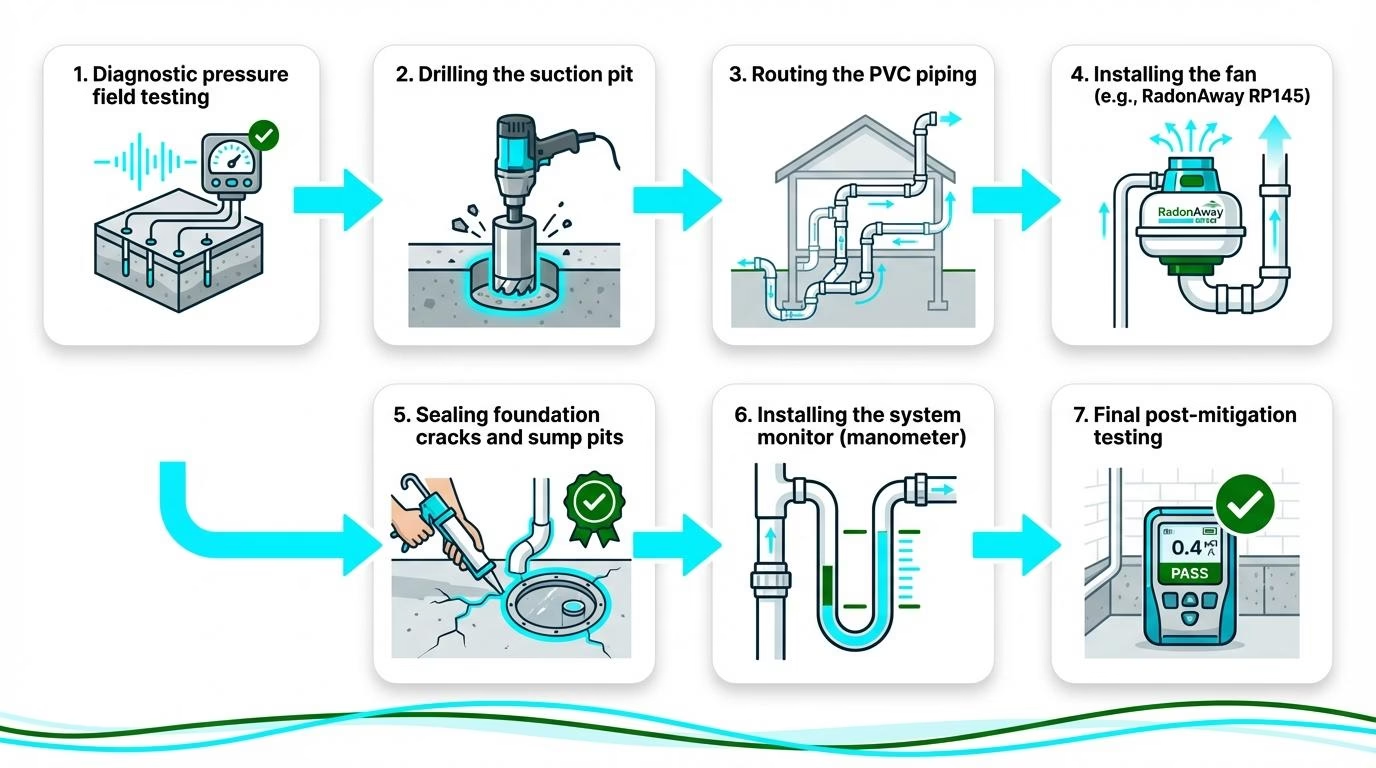
- Diagnostic Testing and Site Evaluation: We begin by inspecting the home’s foundation and layout. This step often includes communication testing (PFE) to determine how easily air moves beneath the slab, which dictates the size of the fan and the placement of suction points.
- Selecting the Suction Point: Based on the diagnostic results, we identify the most effective location for the extraction hole. This is typically in a utility room, basement, or crawlspace where it can best access the soil beneath the foundation.
- Creating the Extraction Point: Our team drills a 3-to-5-inch hole through the concrete slab. We then excavate a small “suction pit” (roughly 5-10 gallons of soil) from beneath the hole to create a localized area of low pressure.
- Piping Installation: We install schedule 40 PVC piping from the suction pit. The pipe is routed vertically through the house,either through a closet, a garage, or along the exterior,to a point where it can safely exhaust above the roofline.
- Radon Fan Installation: A specialized radon mitigation fan is mounted to the piping. To prevent gas leaks back into the home, fans are always installed in non-living spaces, such as the attic or the exterior of the house, in accordance with EPA standards.
- Sealing and Caulking: To ensure the system creates a strong vacuum under the house, we seal all visible cracks, floor drains, and sump pump basins. This sealing process prevents “short-circuiting,” where the fan pulls conditioned indoor air instead of the radon gas from the soil.
- Post-Mitigation Testing: Once the system is operational, a U-tube manometer is installed on the pipe to monitor system pressure. We then facilitate professional radon testing services to verify that radon levels have dropped below the EPA’s action level of 4.0 pCi/L.
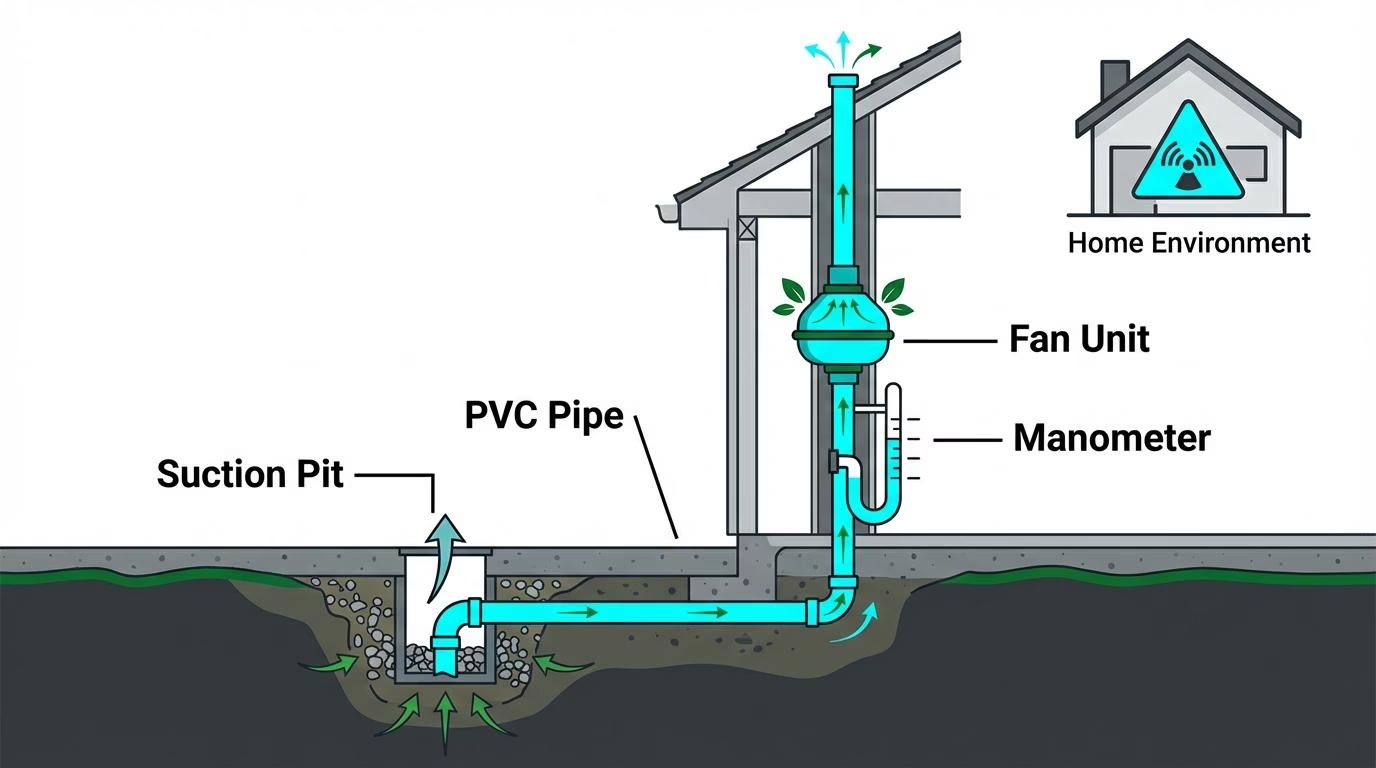
Our installation protocols strictly adhere to AARST/ANSI standards and local St. Louis building codes. By combining high-output fans with meticulous sealing techniques, we ensure every system provides a permanent solution to indoor air quality concerns. After the initial 24-hour run time, we confirm the system’s performance to provide homeowners with absolute peace of mind.
Average Costs and Installation Timelines for Homeowners
Most professional radon mitigation system installations are completed in a single day, typically taking between 3 to 6 hours. While complex home footprints or finished basements may slightly extend this timeline, our team prioritizes a streamlined process to minimize disruption to your home.
Several variables influence the overall cost of radon mitigation:
- Foundation Type: Homes with crawl spaces or multiple foundation levels often require more intricate piping and sealing work.
- System Placement: Routing PVC pipe through an attic or interior closet for better aesthetics may increase labor and material costs.
- Electrical Requirements: The installation of a dedicated electrical circuit for the fan by a licensed electrician can add to the initial investment.
- Radon Levels: Extremely high concentrations may necessitate specialized high-suction fans or additional suction points to reach safe levels.
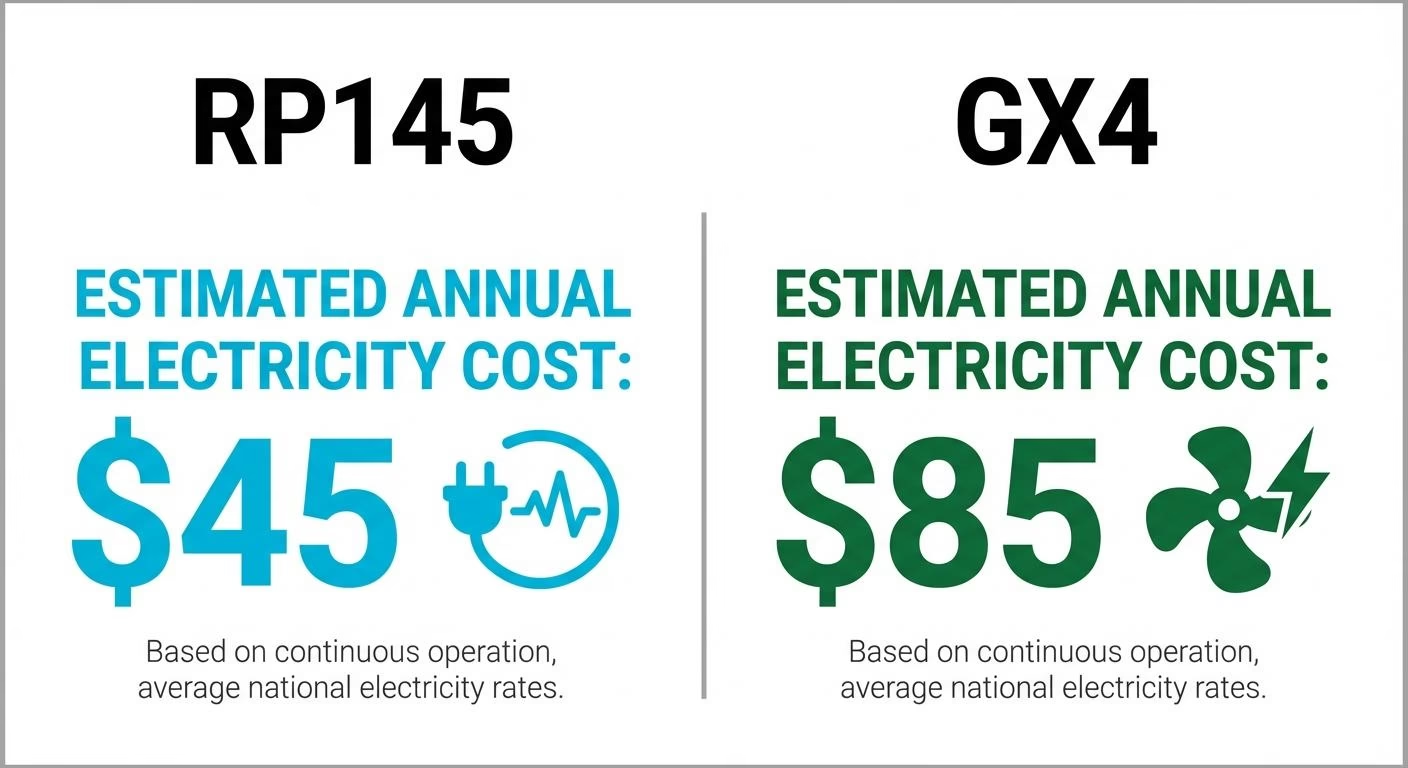
Estimated annual electricity cost breakdown for common radon fans (RP145 vs GX4):
- RadonAway RP145: Consumes approximately 37-71 watts of power. At average utility rates, this costs homeowners between $50 and $90 per year to operate continuously.
- Fantech GX4: This high-performance model typically consumes between 48 and 65 watts. Expect an annual electricity expenditure of roughly $65 to $85 for 24/7 operation.
How to Choose a Licensed Radon Mitigation Company
Selecting the right professional for radon mitigation system installation is critical for ensuring your home remains a safe environment. Use the following checklist to vet potential contractors and ensure they meet industry standards:
- [ ] Does the contractor hold a current radon mitigation certification?
- [ ] Can the company provide proof of liability insurance and worker’s compensation?
- [ ] Will the contractor provide a detailed, written scope of work and a firm price estimate?
- [ ] Does the company follow the ANSI/AARST national standards for mitigation?
- [ ] Will the contractor perform a post-mitigation test to ensure the system is working?
- [ ] Does the company offer a guarantee to reduce radon levels below the EPA action level of 4.0 pCi/L?
In the state of Missouri, it is vital to ensure your contractor is properly registered and trained. You should always verify the credentials of any professional you consider hiring by visiting the Missouri Radon Program website. This resource provided by the Missouri Department of Health and Senior Services lists certified professionals who are qualified to perform residential mitigation, helping you avoid uncertified or fly-by-night operations that may not follow essential safety protocols.
Beyond licensing, evaluate the scope of the project and the guarantees provided. A reputable mitigation company will conduct a thorough inspection of your home’s foundation and structure before proposing a design. They should explain the placement of the suction pit, the routing of the PVC piping, and the location of the radon fan. Most importantly, the agreement should include a performance guarantee that specifically states the system will lower radon concentrations to safe levels, typically below 4.0 pCi/L, with many experts aiming for levels below 2.0 pCi/L. Ensure that all system components, including the fan, come with a manufacturer’s warranty to protect your investment for years to come.
Integrating Radon Control into St. Louis Home Maintenance
St. Louis sits atop a complex geological landscape characterized primarily by karst topography. This regional geology is rich in limestone and shale, sedimentary rocks that naturally contain trace amounts of uranium. As this uranium decays over time, it produces radon gas that migrates easily through the porous, fractured bedrock and loosely packed soil common in the area. Because many St. Louis homes are built with foundations directly into or above these formations, the gas finds a direct path upward. It infiltrates living spaces through foundation cracks, construction joints, and sump pump pits, often reaching dangerous concentrations. Professional radon mitigation system installation is essential for local homeowners because it addresses these specific geological vulnerabilities, effectively intercepting gas before it enters the home’s envelope.
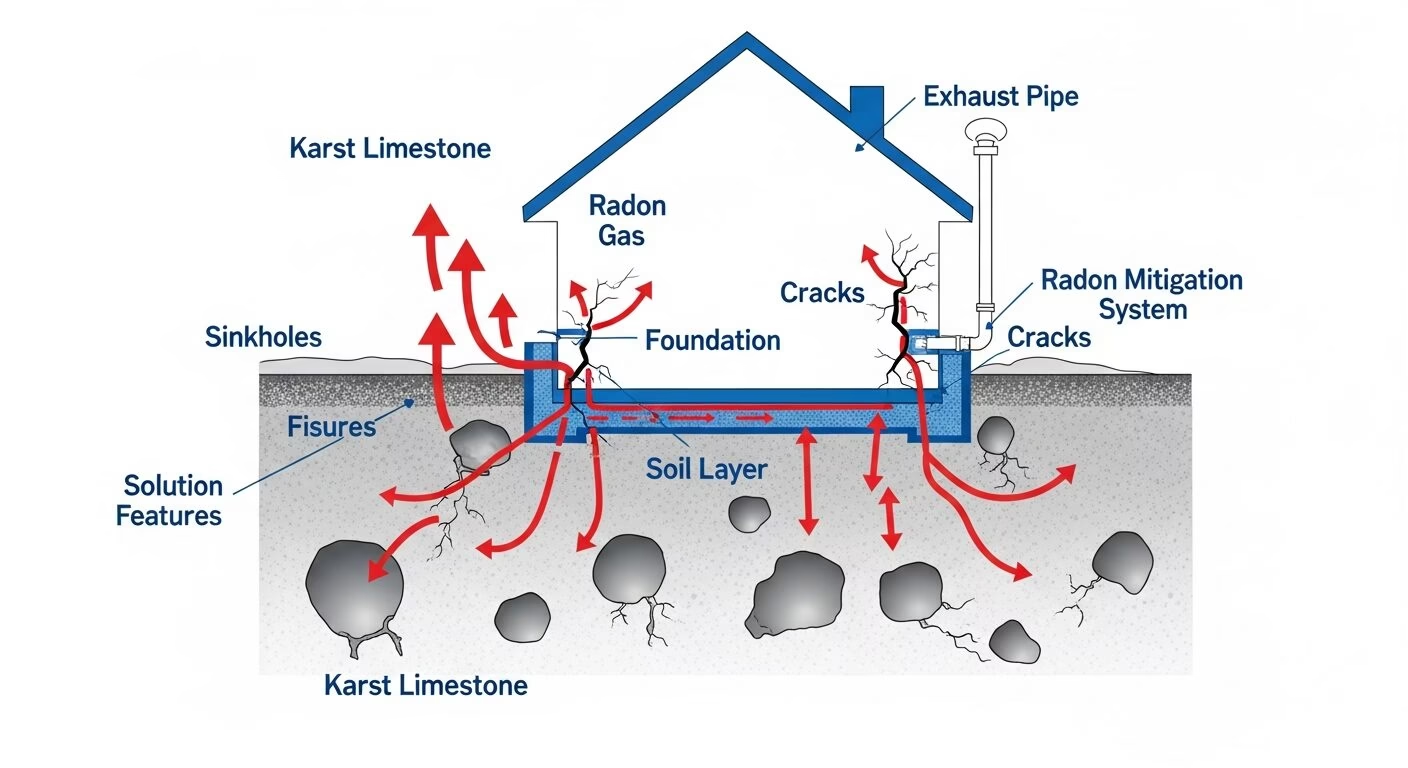
Incorporating radon control into your regular home maintenance schedule is a vital step for ensuring long-term indoor air quality. Beyond the immediate health protections, a certified mitigation system is a significant asset for property value. In the competitive St. Louis real estate market, documented low radon levels and a professionally installed system are major selling points that provide peace of mind to potential buyers. To understand the full scope of protecting your home, homeowners should review the importance of radon mitigation to see how it integrates with other environmental safeguards. High-quality radon mitigation system installation ensures your residence remains a healthy environment, effectively managing the unique radioactive risks posed by the very ground St. Louis is built upon.
Frequently Asked Questions About Radon Mitigation
Do radon levels change with the seasons?
Yes, radon levels often fluctuate seasonally, typically peaking during the winter months when homes are sealed tight and the “stack effect” pulls more soil gas into the structure.
Should I buy a house that already has a radon mitigation system?
Buying a house with an existing system is a positive, as it shows the home is proactively managed. Ensure the system is functional and request a recent radon test to confirm levels are below 4.0 pCi/L.
Where is the fan located, and how long does it last?
Radon fans are installed outside the living space, typically in the attic or on an exterior wall. These fans are designed for continuous operation and generally have a lifespan of 10 to 15 years.
Can I turn off my radon mitigation system to save energy?
No, you should never turn off your system. It must run 24/7 to maintain the pressure vacuum required to keep radon from entering your home; turning it off allows gas to accumulate quickly.
How much electricity does a radon system use?
A standard radon mitigation system installation is very energy-efficient. The fan uses roughly the same amount of electricity as a 60-to-90-watt light bulb, costing only a few dollars per month to operate.
Radon Mitigation FAQs
In what month are radon levels typically the highest?
Radon concentrations typically peak during the winter months of January and February. This seasonal spike occurs because the temperature difference between the warm indoor air and cold outdoor air creates a stack effect, which pulls soil gases upward into the home. Additionally, houses remain tightly sealed during the winter, preventing natural ventilation from diluting the gas accumulation.
Should I avoid buying a house that already has a radon mitigation system?
An existing radon mitigation system should be viewed as a positive feature rather than a reason for concern. Its presence indicates that radon levels were previously identified and proactively addressed by the owner. You should request recent test results and system maintenance records to ensure the equipment is functioning correctly and maintaining levels below the EPA action threshold.
Where is the radon fan usually located, and how long does it last?
To prevent leaked radon from re-entering the living space, fans are typically installed in unoccupied areas such as an attic, a garage, or on the exterior of the house. These fans are built for durability and generally have an operational lifespan of five to ten years. Regular monitoring of the system manometer will indicate if the fan is still pulling the necessary vacuum to keep your home safe.
How do I turn off my radon mitigation system?
You should generally avoid turning off a radon mitigation system because the gas begins to re-accumulate as soon as the airflow stops. If maintenance is required, the system can be deactivated via a dedicated shutoff switch located near the fan or by flipping the corresponding breaker in your electrical panel. Always restart the system immediately after servicing to restore the pressure barrier between your home and the soil.
Does the radon fan run all the time, and how much electricity does it use?
A radon fan must run continuously to prevent gas from seeping through your foundation. These units are highly efficient, typically consuming between 60 and 90 watts of electricity, which is comparable to a standard incandescent light bulb. This constant operation ensures that the sub-slab pressure remains lower than the pressure inside your home, effectively diverting radioactive gases away from your family.
Protect Your Home With Professional Radon Mitigation
Maintaining a healthy living environment requires more than just initial installation; it demands ongoing vigilance and expert oversight. Our team provides comprehensive radon mitigation services designed to address the specific geological challenges found in Missouri soil. Schedule a free on-site diagnostic assessment with our Missouri-licensed radon specialists today to secure your home’s air quality.