

Belleville homeowners in neighborhoods like Harmony Hills and Bel-Ridge know that late spring brings more than just blooming dogwoods and Cardinals baseball. The humid transition from April through June creates perfect conditions for hidden mold growth, especially in homes built during Belleville’s post-war housing boom. Air Sense Environmental’s Jake Lusby has been tracking this seasonal pattern since the company began serving St. Clair County in 2023, finding that 70% of mold calls spike between mid-May and early July when Illinois humidity climbs above 60%.
What to Do About Late Spring Mold Risks in Belleville
- Check basement walls and crawl spaces for new moisture spots after each spring rain event
- Run exhaust fans during and after showers for at least 30 minutes when outdoor humidity exceeds 65%
- Inspect around windows and exterior walls in rooms above finished basements
- Schedule professional mold testing if you smell musty odors that weren’t present in winter months
- Monitor indoor humidity levels with a digital hygrometer, keeping them below 50%
- Address any water intrusion within 24-48 hours to prevent mold establishment
Why Belleville’s Spring Climate Creates Hidden Mold Problems
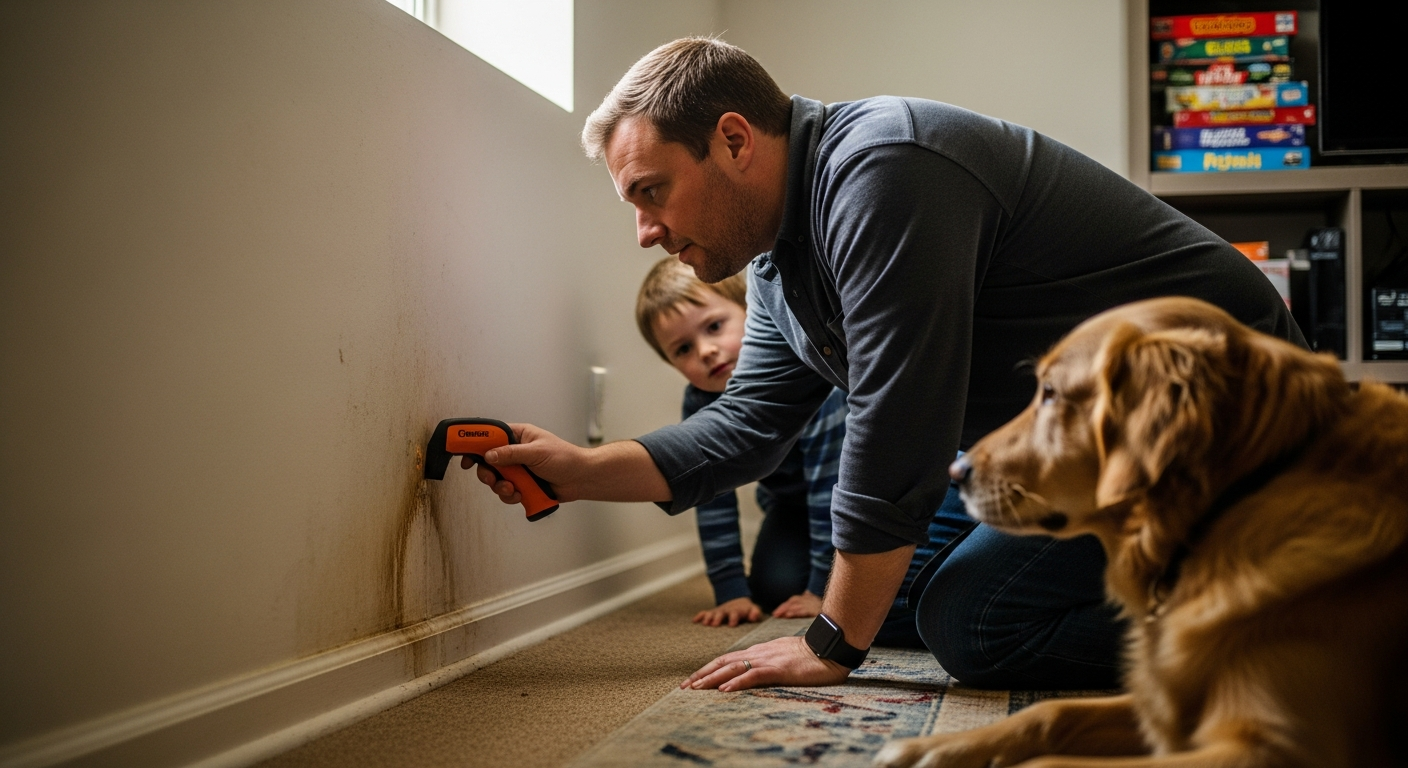
Belleville sits in a unique microclimate where the Mississippi River valley meets the rolling hills of southwestern Illinois. This geography traps moisture during the transition from cool, dry winter air to warm, humid summer conditions. According to National Weather Service data, St. Clair County averages 4.2 inches of rainfall in May alone, with relative humidity jumping from 65% in April to 75% by June.
The problem compounds in Belleville’s housing stock. Many homes in established neighborhoods like Westhaven and Signal Hill were built between 1950-1980, before modern moisture barriers became standard. These homes often have partial basements with stone foundations that allow groundwater seepage during heavy spring rains. When warm, humid air meets cool basement surfaces, condensation forms in hidden areas behind finished walls or above drop ceilings.
Hidden mold differs from visible surface mold because it grows in wall cavities, under flooring, or in HVAC systems where air doesn’t circulate freely. A University of Illinois Extension study found that mold can begin growing within 24-48 hours when moisture levels exceed 60% in enclosed spaces with temperatures above 70°F – conditions that frequently occur in Belleville basements during late spring.
St. Clair County’s Soil and Water Factors
Belleville’s location on ancient Mississippi River floodplains creates specific challenges for moisture control. The predominant soil type is Drummer silty clay loam, which retains water and creates hydrostatic pressure against basement foundations. Illinois State Geological Survey data shows that groundwater levels in St. Clair County typically rise 2-3 feet during spring months as snow melt combines with increased precipitation.
Neighborhoods built on higher elevations like Belleville West and parts of Signal Hill face different issues. These areas have Fayette silt loam soil that drains better but still holds moisture against foundation walls. Homes in lower-lying areas near Richland Creek, including parts of Harmony Hills and downtown Belleville, deal with seasonal flooding that can introduce moisture into basements and crawl spaces.
The city’s water infrastructure also plays a role. Belleville’s water system, managed by the Illinois American Water Company, delivers water with moderate hardness levels around 8-10 grains per gallon. While this meets safety standards, hard water can cause mineral buildup in pipes and fixtures, leading to small leaks that create hidden moisture problems over time.
Many homes in established Belleville neighborhoods like Bel-Ridge and Westhaven were built with cast iron or galvanized steel plumbing that’s now 40-70 years old. These aging systems develop pinhole leaks that may go undetected for months, creating perfect conditions for mold growth in wall cavities or under floors.
Signs of Hidden Mold in Belleville Homes
Hidden mold often announces itself through subtle signs that homeowners might dismiss as normal spring changes. Musty odors that appear when you turn on the heat or air conditioning for the first time often indicate mold growth in HVAC ducts or around air handling units. This smell becomes more noticeable during Belleville’s humid late spring months when systems cycle frequently.
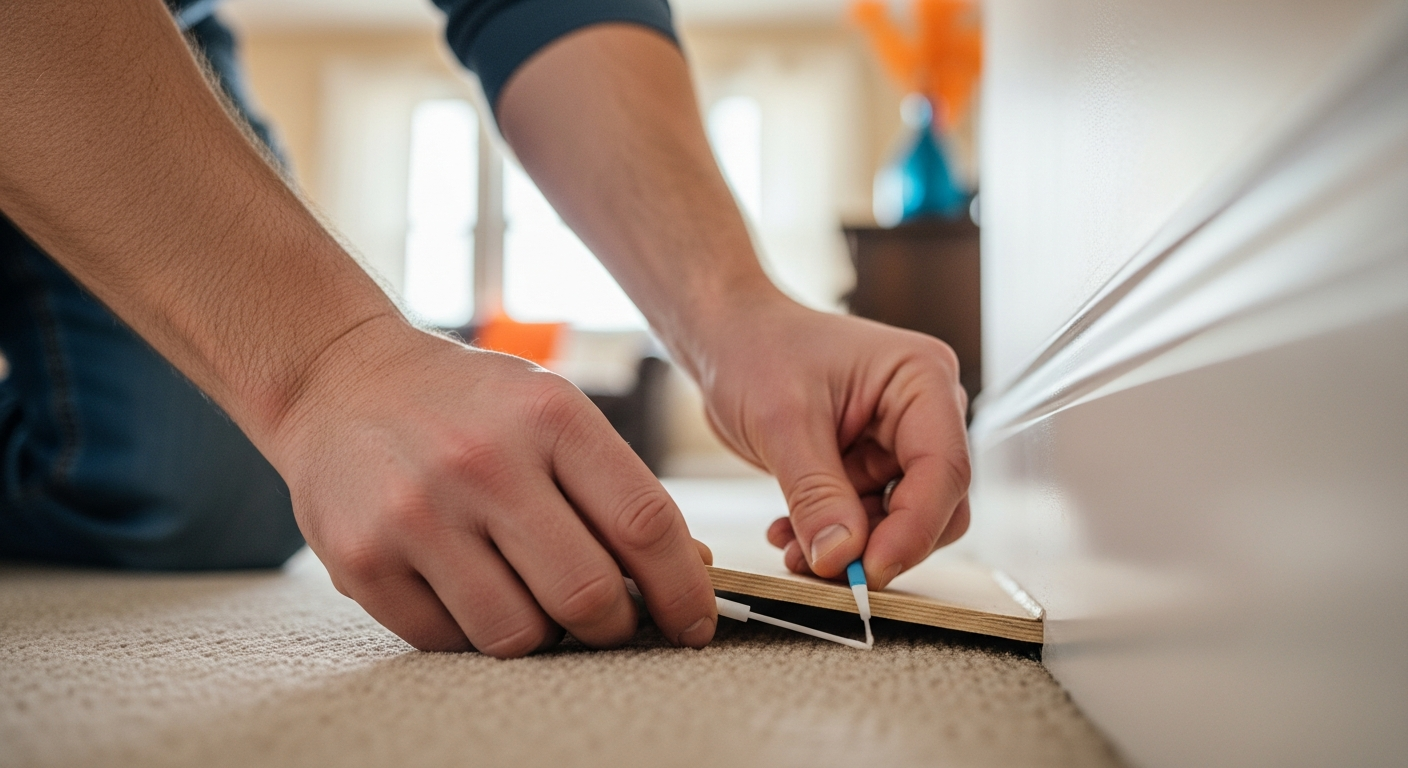
Water stains or discoloration on basement walls, especially along the foundation line, signal moisture intrusion that likely supports mold growth behind drywall or paneling. In Belleville’s older homes, check around basement windows and where concrete meets wood framing. These transition points often fail first when spring groundwater levels rise.
When to Get Mold Inspection in Belleville

Professional mold testing becomes necessary when DIY inspection reveals potential problems or when health symptoms suggest indoor air quality issues. Air Sense Environmental’s experience in St. Clair County shows that timing matters significantly for accurate testing results. Jake Lusby recommends testing during peak humidity months (May through July) when mold growth is most active and easiest to detect.
The company uses scientific air sampling methods that measure spore concentrations in different areas of the home. Their approach involves testing both indoor and outdoor air to establish baseline comparisons, then focusing on areas where moisture problems are most likely – basements, crawl spaces, and rooms above ground level that show signs of water intrusion.
One recent case in Harmony Hills involved a homeowner who noticed a musty smell only when running the basement dehumidifier. Air Sense Environmental’s testing revealed elevated mold spore levels in the finished basement, traced to moisture behind paneling where a small foundation crack had allowed water seepage during spring rains. The testing process took about two hours and provided detailed lab results within 48 hours, showing specific mold types and concentrations that guided the remediation approach.
Jake’s IEMA certification (#RNM20232346) covers indoor air quality testing throughout Illinois, and his data-driven approach helps Belleville homeowners understand not just whether mold is present, but what conditions are allowing it to grow. This information proves essential for addressing root causes rather than just treating symptoms.
Professional testing makes sense when you smell odors that intensify during humid weather, when family members experience respiratory symptoms that improve away from home, or when you discover water damage that wasn’t immediately dried and remediated. In Belleville’s climate, these situations often develop into mold problems within days rather than weeks.
The testing process reveals both the extent of current mold growth and the moisture conditions that support it. This dual approach helps homeowners understand whether they’re dealing with a seasonal issue that can be controlled through better humidity management or a structural problem that requires more comprehensive solutions like foundation sealing or improved ventilation systems.
Air Sense Environmental serves Belleville along with other St. Clair County communities including O’Fallon and Edwardsville. Their indoor air quality testing services help homeowners identify hidden mold problems before they become major remediation projects. For residents dealing with Belleville’s humid spring conditions, professional testing provides the data needed to protect both home value and family health through targeted water damage remediation when necessary.
Frequently Asked Questions
How long after water damage does hidden mold start growing in Belleville’s humid climate?
Mold can begin growing within 24-48 hours when moisture levels exceed 60% and temperatures stay above 70°F. In Belleville’s late spring conditions, with outdoor humidity often reaching 75%, hidden mold growth can start even faster in enclosed spaces like wall cavities or under flooring. The key is addressing water intrusion immediately, especially during May and June when humidity levels peak.
What makes Belleville homes more susceptible to hidden mold than other areas?
Belleville’s location in the Mississippi River valley creates a natural humidity trap, especially during spring months when warm, moist air meets cooler surfaces in basements and crawl spaces. The area’s Drummer silty clay loam soil retains water and creates hydrostatic pressure against foundations, while many homes built between 1950-1980 lack modern moisture barriers. These factors combine to create ideal conditions for hidden mold growth in wall cavities and below-grade areas.
Should I test for mold before or after trying to control humidity levels myself?
Test first if you already notice musty odors or visible signs of moisture problems. Air Sense Environmental’s testing in St. Clair County shows that existing mold growth needs professional identification to determine proper remediation steps. However, if you’re testing as a precaution during Belleville’s humid late spring months, controlling humidity levels first with dehumidifiers and improved ventilation can help prevent new growth while you schedule professional testing to establish baseline air quality levels.