
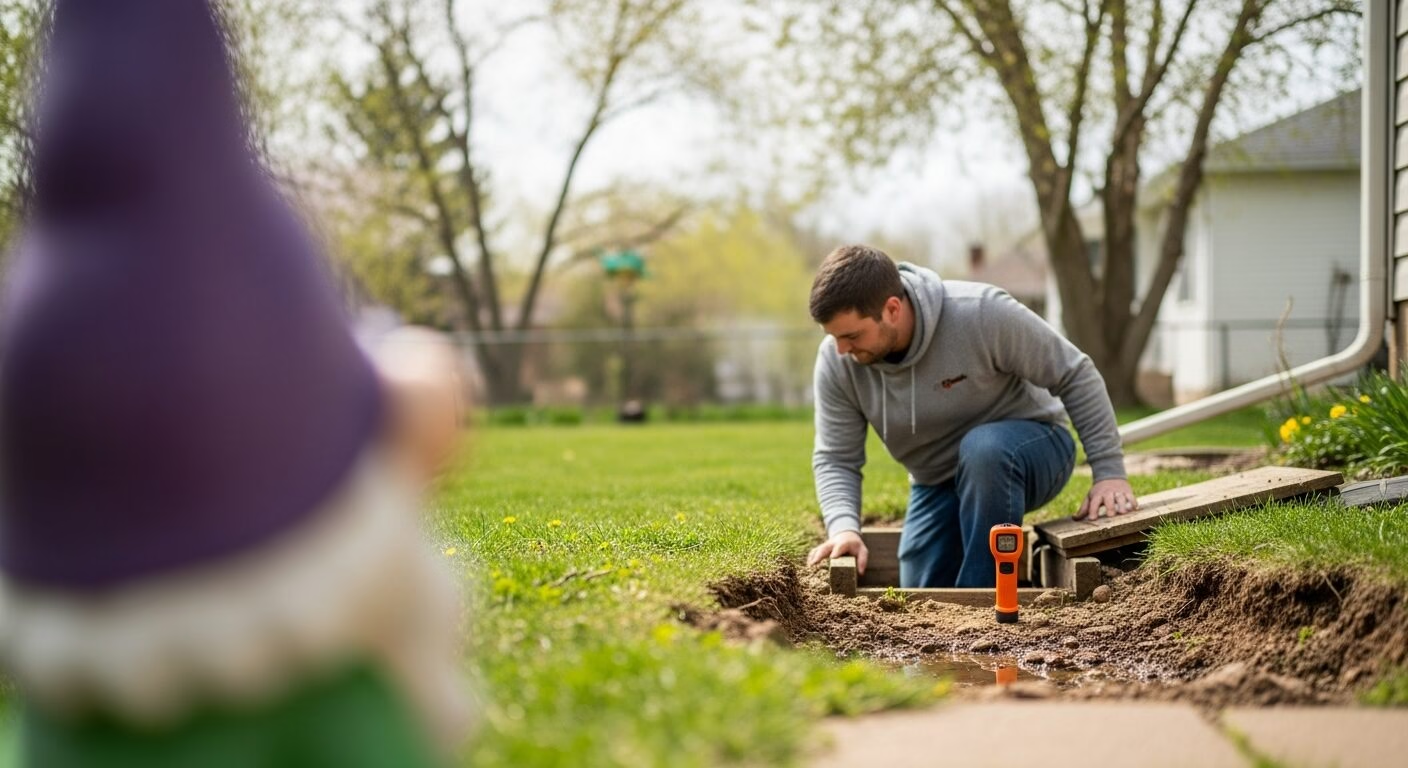
When spring temperatures hit neighborhoods like Harvester and Cottleville in St. Charles County, basement moisture becomes more than a comfort issue, it creates pathways for radon gas to enter your home. Air Sense Environmental serves St. Charles homes with radon and crawl-space concerns. The same foundation vulnerabilities that allow moisture intrusion create entry points for radioactive radon gas.
Where a test confirms elevated levels, Air Sense Environmental handles the radon mitigation for St. Charles and St. Louis homes as well as the moisture side.
What to Do About Spring Crawl Space Moisture in St. Charles
- Check your sump pump operation before March rains arrive, test it monthly during spring thaw season
- Install a continuous radon monitor in your basement to track how moisture affects radon levels
- Inspect foundation walls for new cracks after freeze-thaw cycles, particularly on north-facing walls
- Schedule professional radon testing if you notice increased basement humidity or musty odors
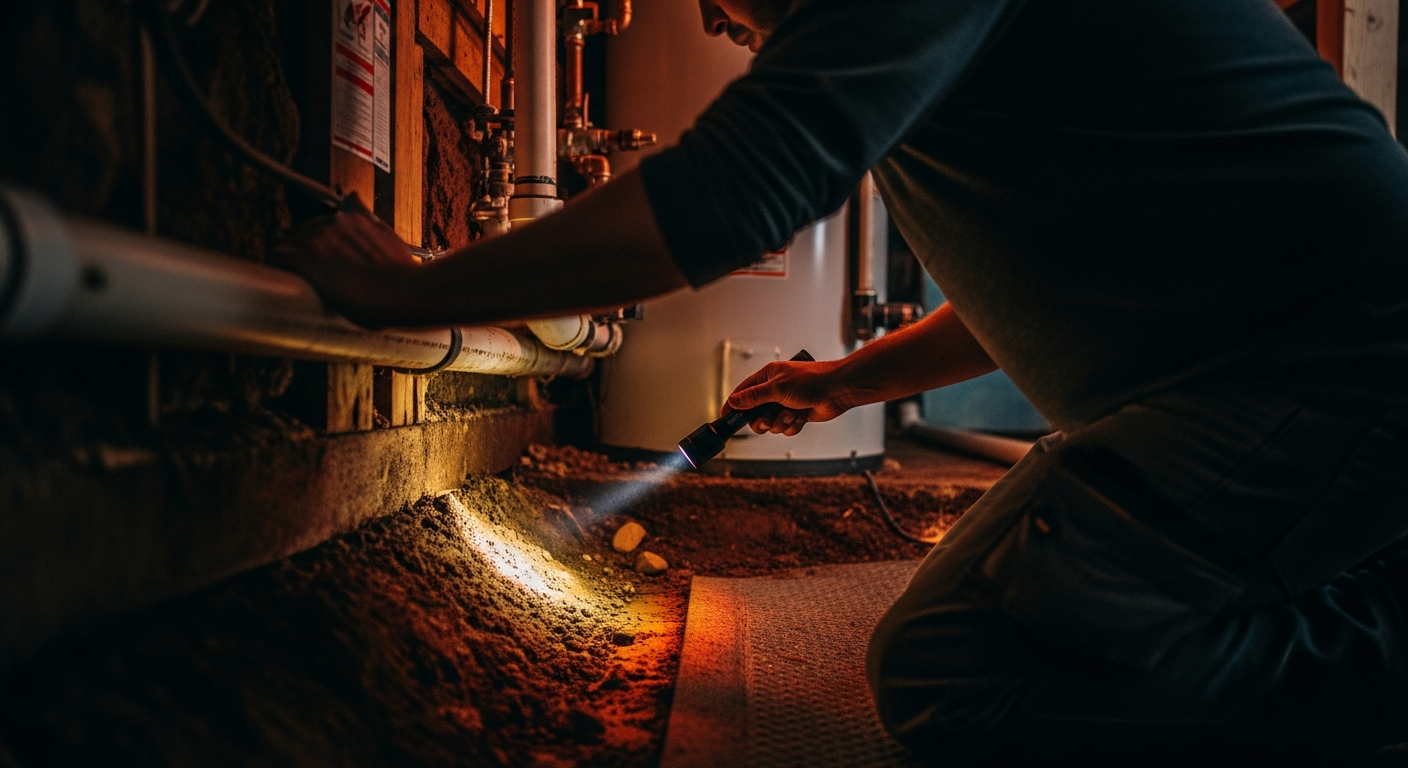
- Document moisture patterns with photos to track seasonal changes and identify problem areas
- Test your home’s indoor air quality beyond just radon, moisture enables mold spores and other contaminants
Spring Crawl Space Moisture Creates Radon Pathways
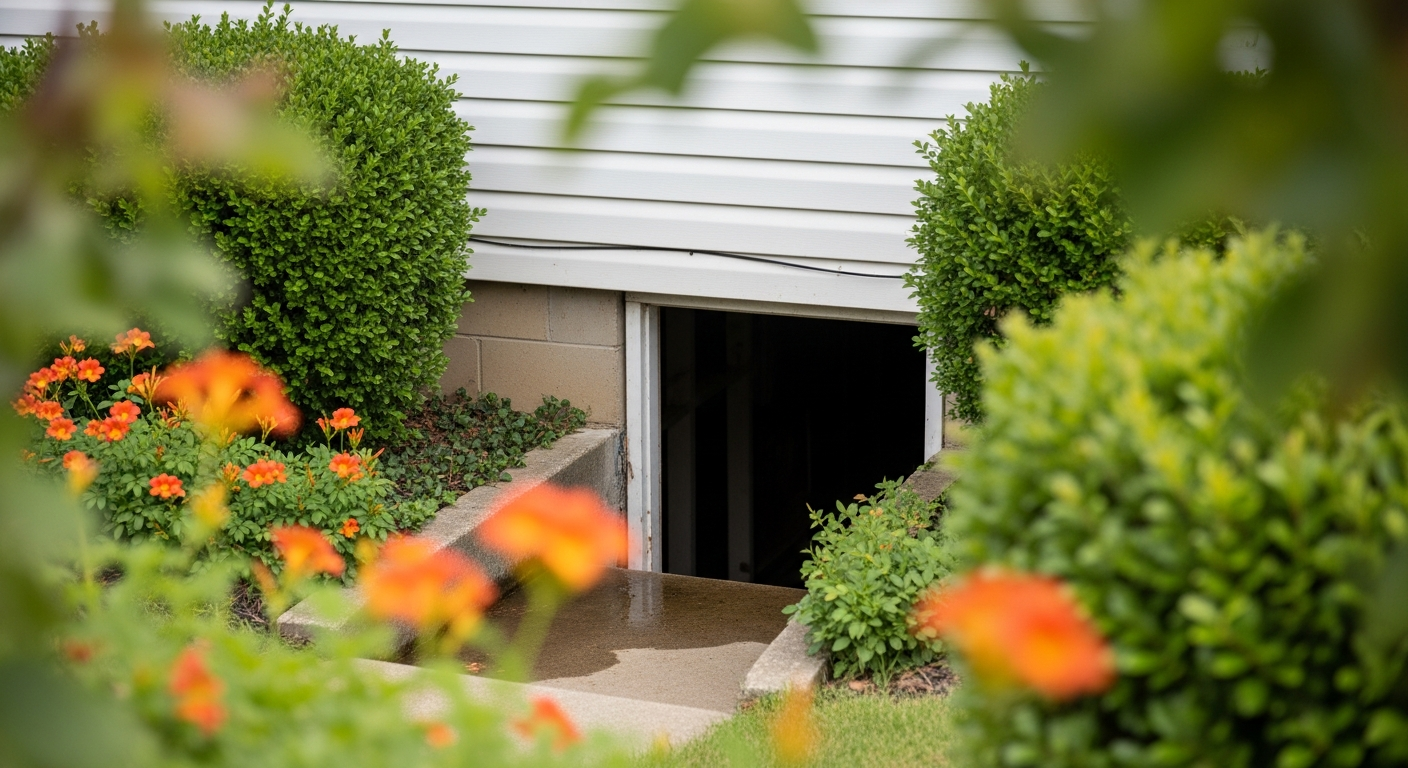
Foundation moisture and radon gas share the same entry points into St. Charles homes. When soil moisture increases during spring thaw, it creates hydrostatic pressure against foundation walls. This pressure forces water through existing cracks and simultaneously draws radon gas from the surrounding soil into your home’s lower levels.
Moisture Problems and Radon Test Results
EPA data shows that homes with moisture problems test 40% higher for radon on average compared to dry basements. The Missouri Department of Health estimates that 1 in 3 homes in St. Charles County have elevated radon levels above 4 pCi/L. Air Sense Environmental’s high-tech radon monitors track this correlation directly, homes with spring moisture spikes consistently show elevated radon readings during the same periods.
The Sponge Effect in Foundations
Think of your foundation like a sponge. When that sponge gets saturated from spring groundwater, it doesn’t just absorb water, it also pulls in whatever gases are dissolved in that groundwater, including radon.
St. Charles Clay Soil Amplifies Spring Moisture Problems
St. Charles County sits on Menfro silt loam and clay-heavy soils that expand significantly when saturated. USGS soil surveys show this soil type retains moisture 3-4 weeks longer than sandy soils, creating prolonged pressure against home foundations throughout April and May.
Missouri River Groundwater in Spring
The Missouri River’s proximity to communities like St. Peters, Cottleville, and Weldon Spring means groundwater tables rise 2-4 feet during spring runoff. This elevated groundwater doesn’t just affect homes near the river, it impacts the entire St. Charles basin through interconnected aquifer systems. When clay soil becomes saturated, it can shift and settle, creating new foundation cracks that serve as entry points for both moisture and radon.
1970s and 1980s Foundations in St. Charles
Historic neighborhoods in St. Charles proper, with homes built in the 1970s and 1980s, face additional challenges. These homes often have poured concrete foundations with construction joints that become vulnerable after 30-40 years of freeze-thaw cycles. The combination of aging foundations and expansive clay soil creates perfect conditions for spring moisture infiltration.
April and May Rainfall
Spring rainfall in St. Charles County averages 4.2 inches in April and 4.8 inches in May, according to NOAA climate data. This concentrated moisture input, combined with snowmelt from northern Missouri watersheds, saturates local soil systems beyond their drainage capacity.
Warning Signs of Spring Moisture and Radon Infiltration
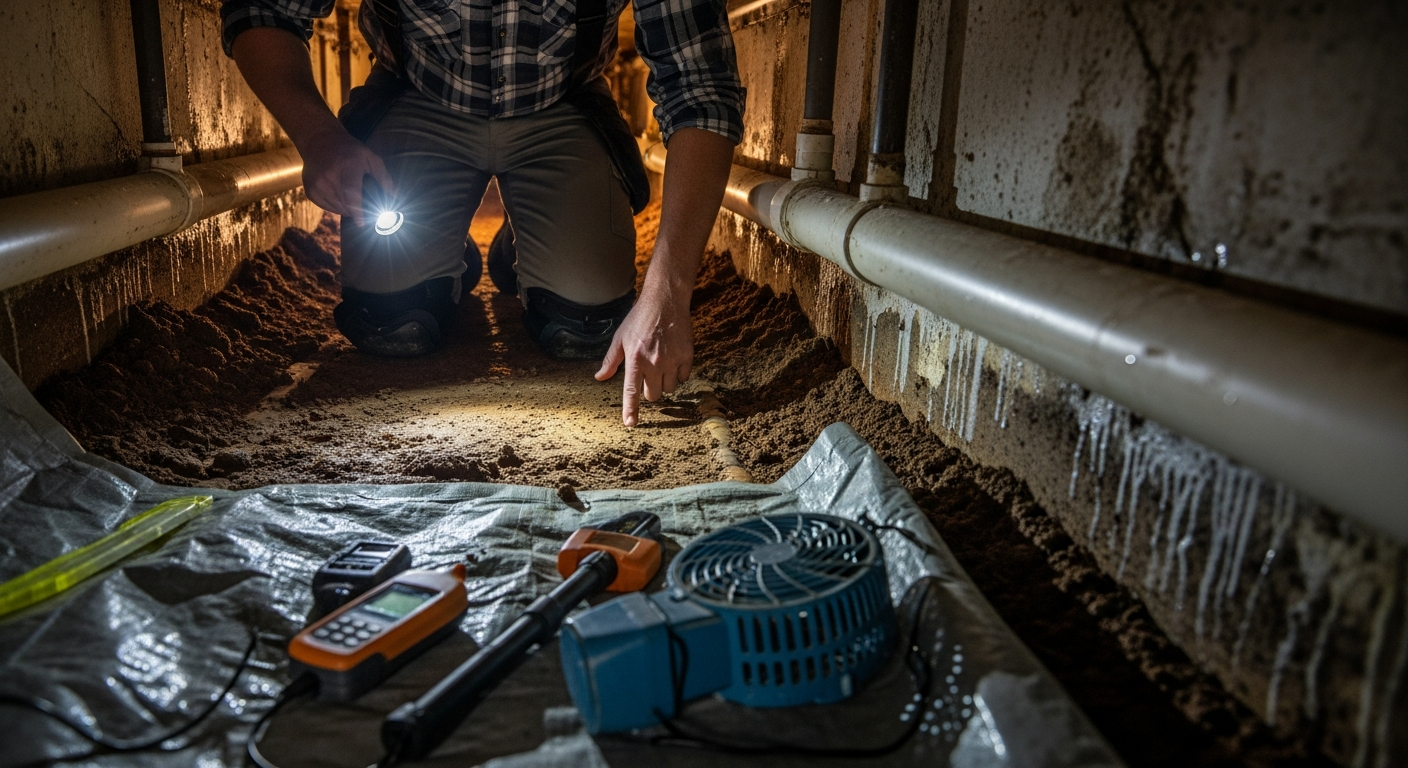
White mineral deposits on basement walls indicate active water movement through foundation materials. These efflorescence stains appear most commonly on east and north-facing walls in St. Charles homes, where freeze-thaw damage creates the most foundation stress. If you notice these deposits appearing or expanding during spring months, your foundation has developed new pathways for both water and radon.
Basement Humidity Above 60 Percent
Increased basement humidity readings above 60% during spring months signal foundation infiltration. Jake Lusby recommends homeowners in Harvester and O’Fallon track basement humidity with digital monitors, sudden spikes often correlate with elevated radon readings on Air Sense Environmental’s continuous monitoring equipment.
How Air Sense Environmental Addresses Crawl Space Moisture and Radon
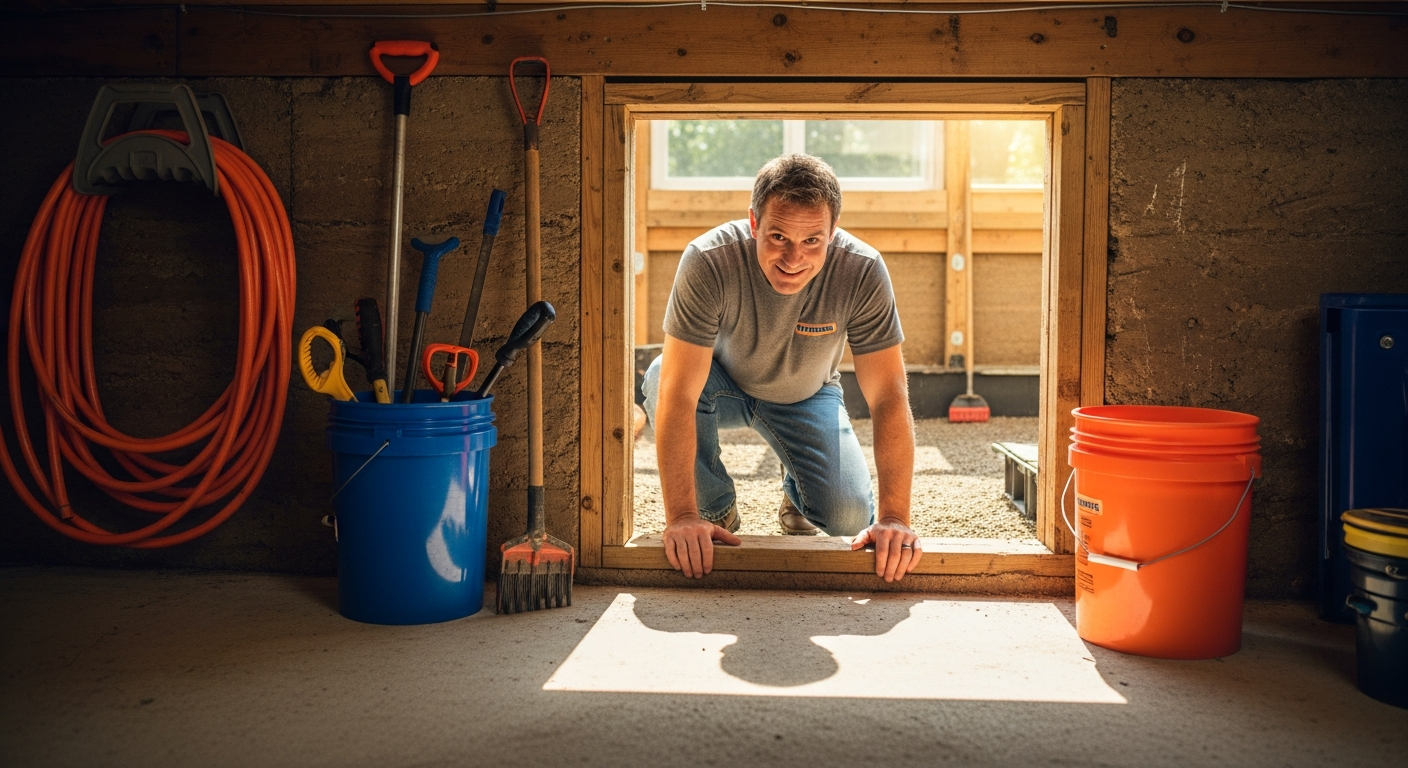
Air Sense Environmental’s approach starts with comprehensive indoor air quality testing that measures radon, humidity, particulates, and volatile organic compounds simultaneously. Their high-tech radon monitors provide hourly breakdowns of temperature, barometric pressure, and radon levels, allowing Jake and his team to identify exactly when moisture infiltration triggers radon spikes.
A St. Charles Customer Example
One St. Charles customer contacted Air Sense Environmental after noticing increased basement humidity and a musty odor during spring 2023. Jake’s testing revealed radon levels of 8.2 pCi/L, more than double the EPA action level. The team installed a sub-slab depressurization system and recommended crawl space encapsulation to address the moisture source. Six months later, radon levels measured 1.1 pCi/L and basement humidity stayed below 45% even during heavy spring rains.
Vapor Barriers and Integrated Radon Mitigation
Their crawl space encapsulation service includes vapor barriers specifically rated for Missouri’s clay soil conditions, along with integrated radon mitigation when testing indicates elevated levels. Jake’s IEMA certification means he can design custom solutions that address both immediate moisture problems and long-term radon exposure.
Energy Recovery Ventilation
Air Sense Environmental also installs Energy Recovery Ventilation systems that maintain proper air circulation while filtering incoming air. These ERV systems prevent the negative pressure that can actually increase radon infiltration when homes are sealed too tightly during moisture remediation.
Protecting Your St. Charles Home This Spring
Spring crawl space moisture in St. Charles County creates both immediate structural concerns and long-term radon exposure. The clay soils and river proximity that define this region require proactive monitoring rather than reactive repairs.
Schedule comprehensive indoor air quality testing before peak moisture season arrives. Air Sense Environmental’s free in-home consultations include radon screening, moisture assessment, and foundation inspection. Contact Jake Lusby’s team to protect your home from both visible moisture damage and invisible radon infiltration.
Frequently Asked Questions
How does spring moisture specifically increase radon levels in St. Charles homes?
Spring moisture creates hydrostatic pressure against foundation walls, forcing water through cracks and simultaneously drawing radon gas from saturated soil into your basement. St. Charles County’s clay-heavy Menfro silt loam retains moisture 3-4 weeks longer than other soil types, extending this pressure period throughout April and May. EPA studies show homes with active moisture infiltration test 40% higher for radon compared to dry basements.
When should I test for radon after spring moisture problems in my crawl space?
Test for radon immediately when you notice new moisture signs like efflorescence, increased humidity above 60%, or musty odors. Air Sense Environmental’s continuous monitors show radon levels often spike within 24-48 hours of moisture infiltration events. Spring testing between March and May provides the most accurate readings because this period represents your home’s highest-risk conditions for both moisture and radon infiltration.
What does crawl space encapsulation cost in St. Charles and does it reduce radon levels?
Crawl space encapsulation costs in St. Charles typically range from $3,000-$8,000 depending on square footage and soil conditions. Properly installed encapsulation reduces radon levels by 50-70% on average by eliminating soil gas pathways. Air Sense Environmental provides free estimates that include radon testing to determine if encapsulation alone will achieve safe levels or if additional mitigation systems are needed.