Last summer, Festus homeowners faced July temperatures that pushed air conditioning systems to their limits, with some residents in Crystal City and Herculaneum reporting monthly electric bills exceeding $300. Air Sense Environmental’s Jake Lusby, an NRPP-certified professional, has tracked how crawl space encapsulation delivers measurable cooling cost reductions across Jefferson County’s older housing stock. The company’s data shows that properly encapsulated crawl spaces can reduce summer AC runtime by 18-25% in typical Festus ranch homes and split-levels.
What to Do for Crawl Space Encapsulation Summer Energy Savings Festus MO
- Schedule a humidity assessment of your crawl space during peak summer months (July-August) to establish baseline moisture levels
- Calculate your current summer cooling costs by reviewing June through September electric bills from the past two years
- Inspect crawl space vents and foundation walls for air leaks that allow hot, humid outdoor air infiltration
- Document any existing ductwork in the crawl space and check for visible condensation or moisture damage
- Research local utility rebates through Ameren Missouri for energy efficiency improvements before scheduling encapsulation
- Get quotes from certified contractors who can provide before/after energy monitoring to verify actual savings
How Festus MO Crawl Space Humidity Drives Up Cooling Costs

Traditional vented crawl spaces in Festus create a hidden energy drain. When outdoor humidity levels reach 80-90% during typical Missouri summers, as recorded by the National Weather Service St. Louis office, unconditioned crawl spaces become moisture collectors. Air Sense Environmental’s continuous monitoring equipment shows that vented crawl spaces in Jefferson County consistently maintain relative humidity levels of 70-85% throughout summer months.
This excess moisture forces your air conditioning system to work double duty. The AC must not only cool incoming air but also remove the latent heat load created by humidity. According to ASHRAE research, removing moisture from air requires approximately 1,000 BTUs per pound of water vapor – energy that translates directly to higher electric bills. In a typical 1,200 square foot Festus ranch home, an unsealed crawl space can add 15-20% to summer cooling costs.
Jake Lusby explains that Festus homes built between 1960-1990 face particular challenges. These split-level and ranch designs often feature HVAC ductwork running through crawl spaces, where temperature differences between 85°F outdoor air and 75°F conditioned air create condensation on duct surfaces. This moisture not only wastes energy but can lead to the mold issues that Air Sense Environmental frequently addresses through their indoor air quality services.
Summer Pest Control Crawl Space Benefits in Jefferson County
Festus crawl space encapsulation delivers pest control advantages that compound energy savings throughout summer months. The Missouri Department of Conservation reports that Jefferson County’s clay-heavy soils retain moisture well into summer, creating ideal breeding conditions for termites, carpenter ants, and moisture-loving insects that infiltrate homes through crawl space gaps.
Unsealed crawl spaces provide entry points and nesting areas for pests that can damage HVAC ductwork and insulation. Air Sense Environmental’s Jason Jackson has documented cases in Crystal City and Herculaneum where rodents damaged flexible ductwork, creating air leaks that reduced AC efficiency by 30%. Proper encapsulation eliminates these access points while maintaining the dry conditions that deter pest establishment.
The pest control benefits extend beyond structural protection. Many Festus homeowners run air conditioning systems continuously during summer to combat humidity that attracts silverfish, centipedes, and other moisture-dependent insects. Encapsulated crawl spaces maintain relative humidity below 60%, which naturally reduces pest populations and allows homeowners to operate HVAC systems more efficiently.
AC Efficiency Crawl Space Festus: The Stack Effect Solution
Festus homes experience pronounced stack effect during summer months due to the area’s elevation changes and typical two-story construction patterns. Hot outdoor air enters through crawl space vents and rises through the home, pulling conditioned air from living spaces and forcing air conditioning systems to run longer cycles.
Air Sense Environmental’s monitoring data from Jefferson County homes shows that sealed crawl spaces reduce unwanted air exchange by 35-40% compared to traditional vented designs. This reduction directly improves AC efficiency by maintaining more stable indoor temperatures and reducing the infiltration of hot, humid outdoor air that the system must condition.
The energy savings become particularly pronounced in Festus ranch homes with crawl space ductwork. Department of Energy studies indicate that duct systems in unconditioned spaces can lose 20-30% of cooling capacity through conductive heat transfer and air leakage. Encapsulation brings the crawl space into the conditioned envelope, dramatically reducing these losses and allowing properly sized AC units to maintain comfort at lower runtime hours.
Warning Signs Your Festus Crawl Space Needs Encapsulation

High summer electric bills often signal crawl space problems that encapsulation can address. Festus homeowners should investigate if July and August utility costs exceed $0.12 per square foot of living space, indicating inefficient cooling operation. Air Sense Environmental frequently finds that homes with monthly summer bills above this threshold have significant crawl space air leakage.
Persistent musty odors during summer months indicate moisture problems that reduce AC efficiency. These odors often intensify when the air conditioning runs, as the system draws humid air from the crawl space into living areas. Jake Lusby notes that Jefferson County’s clay soils can create seasonal moisture issues that worsen during periods of high humidity and frequent summer storms.
Physical signs include condensation on crawl space ductwork, rust on metal HVAC components, or visible mold growth on wooden floor joists. These conditions not only waste energy but can lead to costly repairs if left untreated. Air Sense Environmental’s experience with water damage restoration shows that early intervention through encapsulation prevents more serious moisture-related problems.
How Air Sense Environmental Delivers Measurable Summer Savings
Air Sense Environmental’s approach to crawl space encapsulation focuses on creating measurable energy improvements rather than generic efficiency claims. Their IEMA-certified team uses continuous monitoring equipment to document humidity and temperature conditions before encapsulation, establishing baseline data that allows homeowners to track actual summer savings.
The company’s solution includes professional-grade vapor barriers, sealed vents, and strategically placed AprilAire dehumidifiers that maintain optimal humidity levels year-round. Jason Jackson explains that their dehumidification systems specifically target the 45-55% relative humidity range that maximizes both energy efficiency and indoor air quality. This controlled environment reduces the latent cooling load on HVAC systems while preventing the moisture conditions that support mold growth.
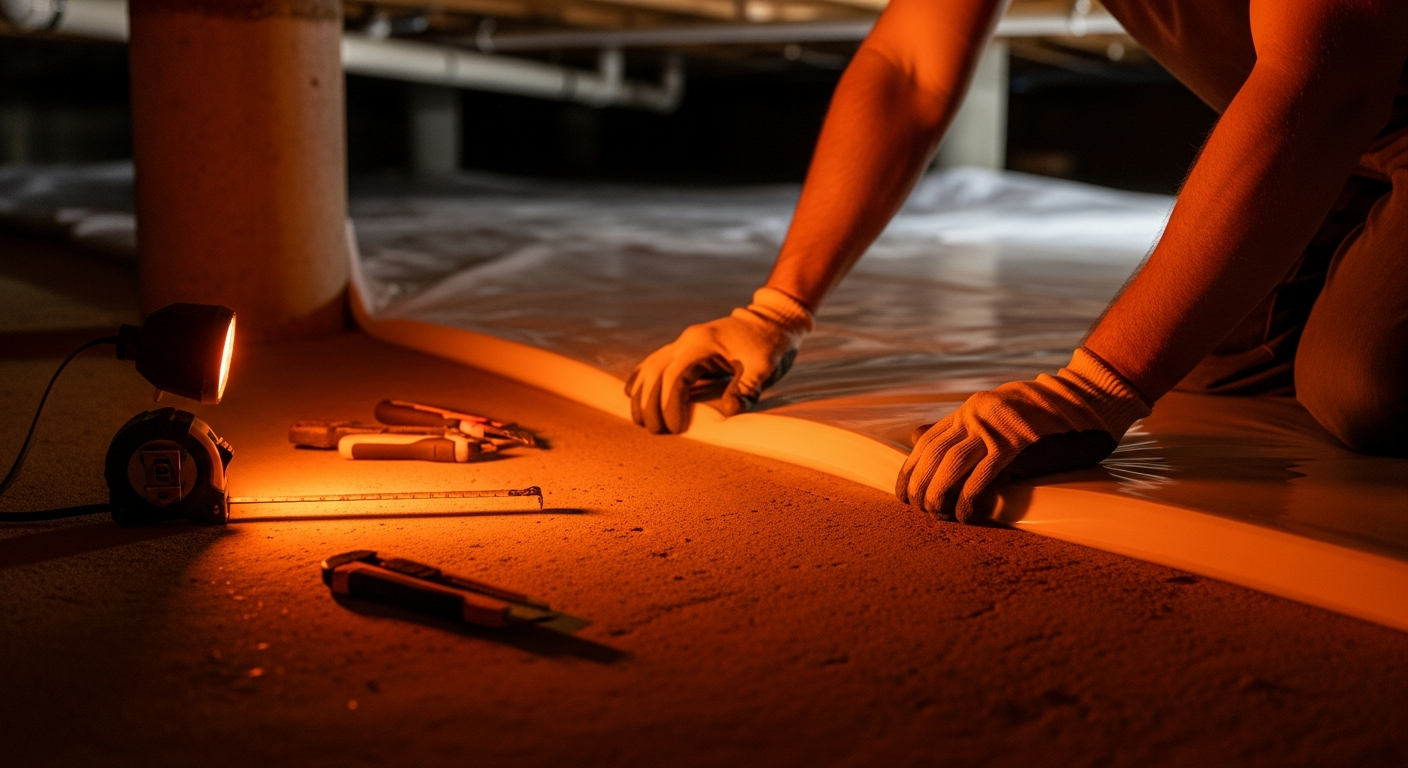
One recent Festus customer reported a 23% reduction in summer cooling costs after Air Sense Environmental completed encapsulation on their 1,800 square foot split-level home. The project included sealing 12 foundation vents, installing a 6-mil vapor barrier system, and adding an AprilAire E100 dehumidifier. Post-installation monitoring showed crawl space humidity dropped from an average of 78% to 52%, with corresponding improvements in upstairs comfort and AC runtime efficiency.
Air Sense Environmental’s scientific approach extends to long-term performance verification. Their team provides homeowners with humidity monitoring reports and energy usage tracking tools that document continued savings throughout multiple summer seasons. This data-driven methodology ensures that crawl space improvements deliver the promised energy benefits rather than temporary comfort improvements.
Festus homeowners considering crawl space encapsulation should focus on contractors who provide measurable results rather than general efficiency promises. Air Sense Environmental’s combination of certified expertise, quality AprilAire equipment, and ongoing performance monitoring delivers the documented summer energy savings that make encapsulation investments worthwhile. Contact their team for a detailed assessment of your home’s crawl space conditions and a customized energy savings projection based on your specific property characteristics.
For comprehensive moisture management, consider their indoor air quality testing services alongside encapsulation to address any existing mold or air quality concerns that may be impacting your home’s energy efficiency.
Frequently Asked Questions

How much can crawl space encapsulation reduce my summer AC bills in Festus?
Air Sense Environmental’s data from Jefferson County homes shows typical summer cooling cost reductions of 18-25% for properly encapsulated crawl spaces. A 1,500 square foot Festus ranch home averaging $250 monthly summer electric bills could expect savings of $45-60 per month during peak cooling season. Homes with crawl space ductwork often see higher savings percentages due to reduced conductive heat transfer and improved system efficiency.
When is the best time to encapsulate my crawl space for maximum summer energy savings?
Late spring (April-May) provides optimal timing for crawl space encapsulation in the Festus area. This schedule allows the vapor barrier and dehumidification systems to establish proper humidity control before Missouri’s peak summer heat arrives in July and August. Air Sense Environmental recommends avoiding encapsulation during active moisture issues – their team can assess current crawl space conditions and recommend the ideal installation timeline for your specific property.
Will crawl space encapsulation help with the musty smells that get worse when I run my air conditioning?
Encapsulation directly addresses the moisture conditions that create musty odors and reduce AC efficiency in Festus homes. Air Sense Environmental’s controlled humidity approach maintains crawl space conditions below 60% relative humidity, which prevents mold growth and eliminates the moisture sources that create odors. Their AprilAire dehumidification systems ensure consistent air quality while reducing the latent cooling load that forces air conditioning systems to work harder during humid Missouri summers.