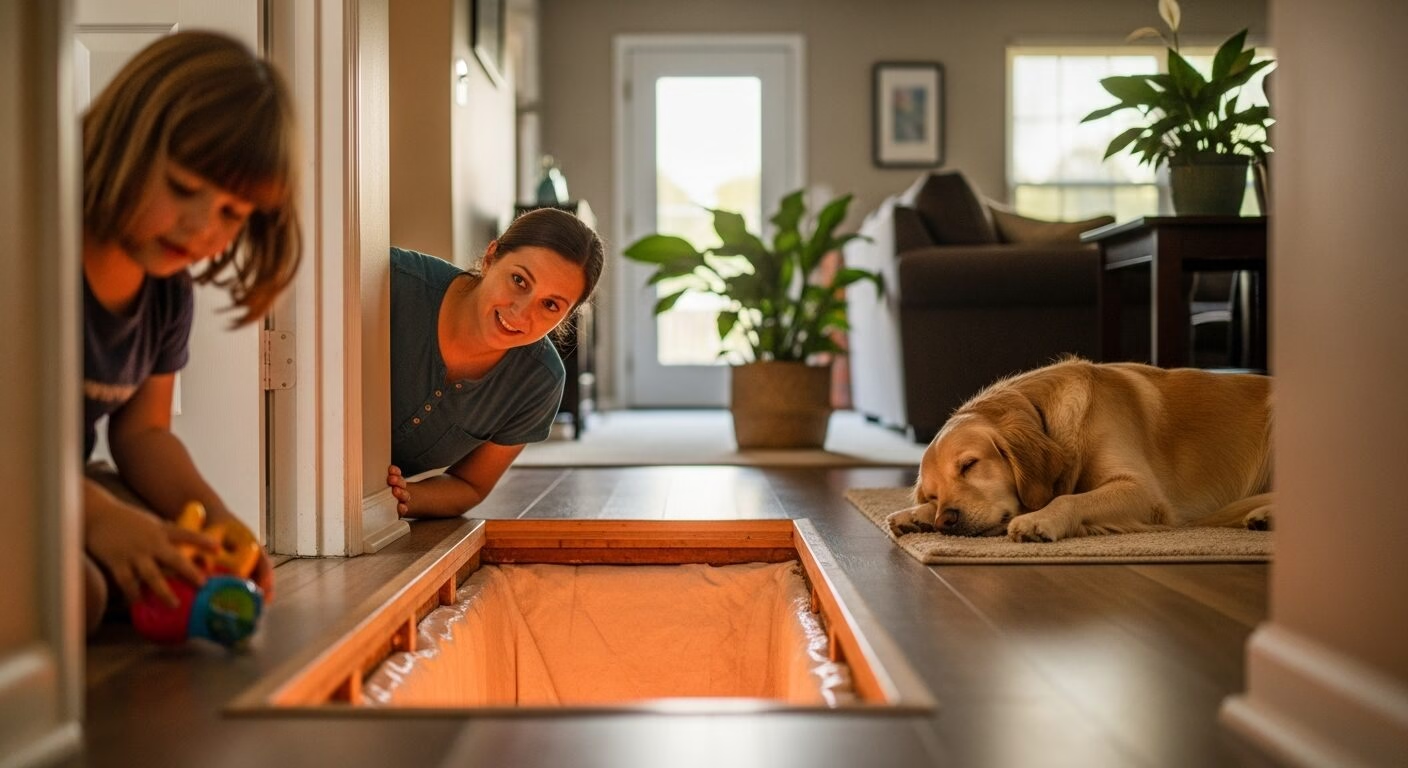
Ballwin homeowners face a unique challenge during St. Louis summers when humid air from unencapsulated crawl spaces drives up indoor humidity, triggers mold growth, and forces HVAC systems to work overtime. Jake Lusby owns Air Sense Environmental, which serves Ballwin homeowners with crawl-space moisture and indoor-air concerns. The company’s comprehensive approach combines crawl space encapsulation with air quality monitoring to address both immediate humidity concerns and long-term health impacts that worsen during Ballwin’s muggy summer months.
What to Do About Summer Crawl Space Humidity in Ballwin
- Check crawl space humidity levels with a hygrometer, anything above 60% during summer months indicates a problem
- Look for condensation on HVAC ducts, water pipes, or floor joists during July and August heat waves
- Schedule air quality testing if family members experience increased allergy symptoms or respiratory issues during summer
- Inspect for standing water after heavy spring storms that are common in the St. Louis region
- Monitor energy bills for unexplained spikes when your air conditioner runs constantly to combat excess humidity
- Document musty odors that become stronger during humid summer weather
Summer Heat Amplifies Crawl Space Air Quality Problems
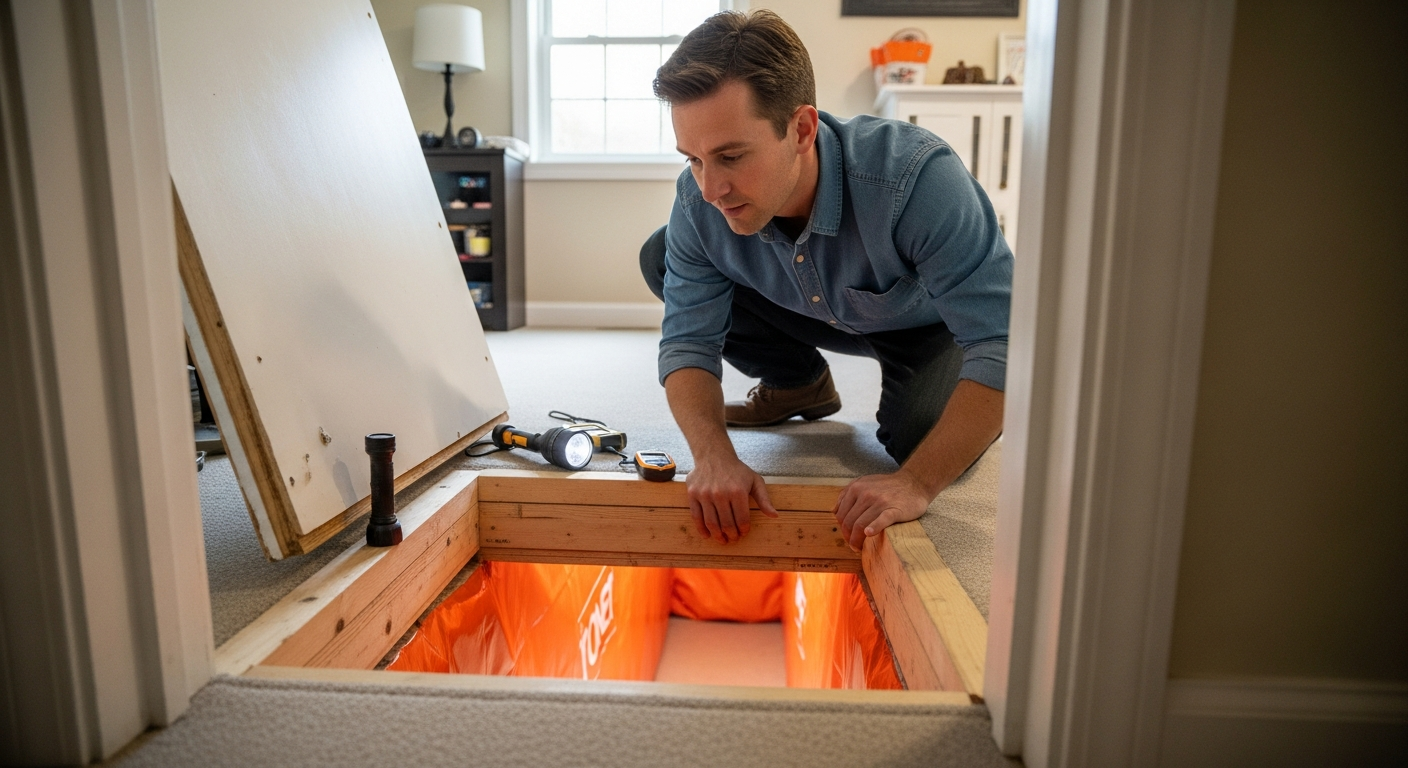
Ballwin’s summer climate creates a compounding effect for crawl space moisture problems that directly impacts indoor air quality. When outdoor temperatures reach 90-95°F with humidity levels above 70%, typical for St. Louis summers according to National Weather Service data, the temperature differential between cool crawl spaces and hot outdoor air accelerates the stack effect. This natural ventilation process pulls contaminated air from crawl spaces up through the home at a faster rate during summer months.
Clay Soil in Ballwin Holds Spring Moisture Into Summer
The clay-heavy soil common throughout Ballwin retains moisture from spring storms well into summer. USGS soil surveys show that St. Louis County’s Mexico silt loam and Winfield silt loam soils have poor drainage characteristics. When summer heat hits this moisture-laden soil, it creates a continuous source of water vapor that infiltrates crawl spaces through concrete block walls and unsealed foundation penetrations.
How Much Indoor Air Comes From the Crawl Space
Research from Lawrence Berkeley National Laboratory demonstrates that up to 40% of indoor air originates from crawl spaces during summer months when the stack effect is strongest. This means contaminated crawl space air, loaded with mold spores, dust mites, and volatile organic compounds that off-gas more rapidly in heat, becomes a major component of the air your family breathes.
Ballwin’s Housing Stock Creates Specific Summer Air Quality Risks
Ballwin’s predominantly post-1960 housing stock presents particular challenges for crawl space air quality during summer months. The ranch-style and split-level homes common in neighborhoods like Sulphur Springs, Ballwin Meadows, and Westchester feature crawl spaces with concrete block foundations that were rarely sealed during construction. Jake Lusby from Air Sense Environmental regularly finds unsealed block walls in these homes that allow ground moisture to continuously enter crawl spaces during humid summer weather.
Duct Condensation in 1970s and 1980s Ballwin Homes
Many Ballwin homes built in the 1970s and 1980s have HVAC ductwork running through crawl spaces without proper sealing. When summer humidity reaches 80-90%, common during July and August according to Missouri Climate Center data, this ductwork develops condensation that drips onto crawl space floors. The combination of warm temperatures and standing water creates ideal conditions for mold growth within 24-48 hours.
Higher Ground Moisture Near the Meramec River Valley
The Meramec River valley location of southern Ballwin neighborhoods like Green Trails and Westhampton contributes to higher ground moisture levels during summer. These areas experience what meteorologists call “nocturnal radiation fog” when cool nighttime temperatures meet warm, moist soil, a process that adds extra moisture to crawl spaces throughout the summer season. Homes in Kehrs Mill and New Ballwin, built on higher elevations, still face moisture challenges from the region’s 34 inches of annual precipitation that saturates clay soils.
Summer Humidity Readings in Ballwin Crawl Spaces
Air Sense Environmental’s testing in Ballwin homes consistently shows crawl space humidity levels between 70-85% during summer months, well above the 60% threshold where mold growth accelerates. Humidity at that level favors mold growth, which directly affects respiratory health.
Summer Warning Signs of Crawl Space Air Quality Problems
Watch for increased allergy symptoms or respiratory irritation that coincide with hot, humid weather in Ballwin. Many homeowners notice that asthma symptoms worsen during summer months when mold spores from humid crawl spaces circulate through their HVAC systems. The combination of higher pollen counts, St. Louis averages over 9.0 on the pollen scale during peak summer months according to Pollen.com data, and indoor mold spores creates a double burden on respiratory systems.
AC Runtime as a Humidity Warning Sign
Check your HVAC system’s runtime during summer heat waves. If your air conditioner runs constantly but struggles to maintain comfortable humidity levels below 50%, excess moisture from your crawl space likely overwhelms your system’s dehumidification capacity. Air Sense Environmental’s Jake Lusby sees this pattern frequently in Ballwin homes where unencapsulated crawl spaces add 20-30 gallons of moisture per day to indoor air during summer months.
Air Quality Testing for Crawl Spaces in Ballwin During Summer
Air Sense Environmental uses a systematic approach to diagnose summer air quality problems originating from crawl spaces in Ballwin homes. Jake Lusby begins with comprehensive moisture mapping using calibrated hygrometers to identify humidity levels throughout the crawl space, paying particular attention to areas near HVAC equipment and foundation walls where summer condensation typically occurs first. The company’s testing protocol includes air sampling for volatile organic compounds and particulate matter that increase during hot weather.
Multi-Day Monitoring With Airthings Monitors
The team deploys Air Things monitors, devices Air Sense Environmental serves as an authorized dealer for, to provide real-time data on humidity, temperature, and air quality parameters over several days during summer conditions. This monitoring approach captures the daily humidity cycles that occur when cool nighttime air meets warm crawl space surfaces, creating condensation that traditional single-point testing might miss. The monitors track radon levels simultaneously, since summer soil conditions and increased stack effect can elevate radon concentrations in crawl spaces.
A Westchester Neighborhood Example
A recent project in Ballwin’s Westchester neighborhood involved a family experiencing increased respiratory symptoms during summer months. Air Sense Environmental’s testing revealed crawl space humidity levels reaching 88% during July heat waves. The comprehensive air quality audit identified specific mold species including Chaetomium and Stachybotrys that thrive in persistently humid conditions. After implementing their encapsulation system with vapor barriers and dehumidification, follow-up testing showed humidity levels stabilized at 45%.
Health Benefits of Crawl Space Encapsulation for St. Louis Summers
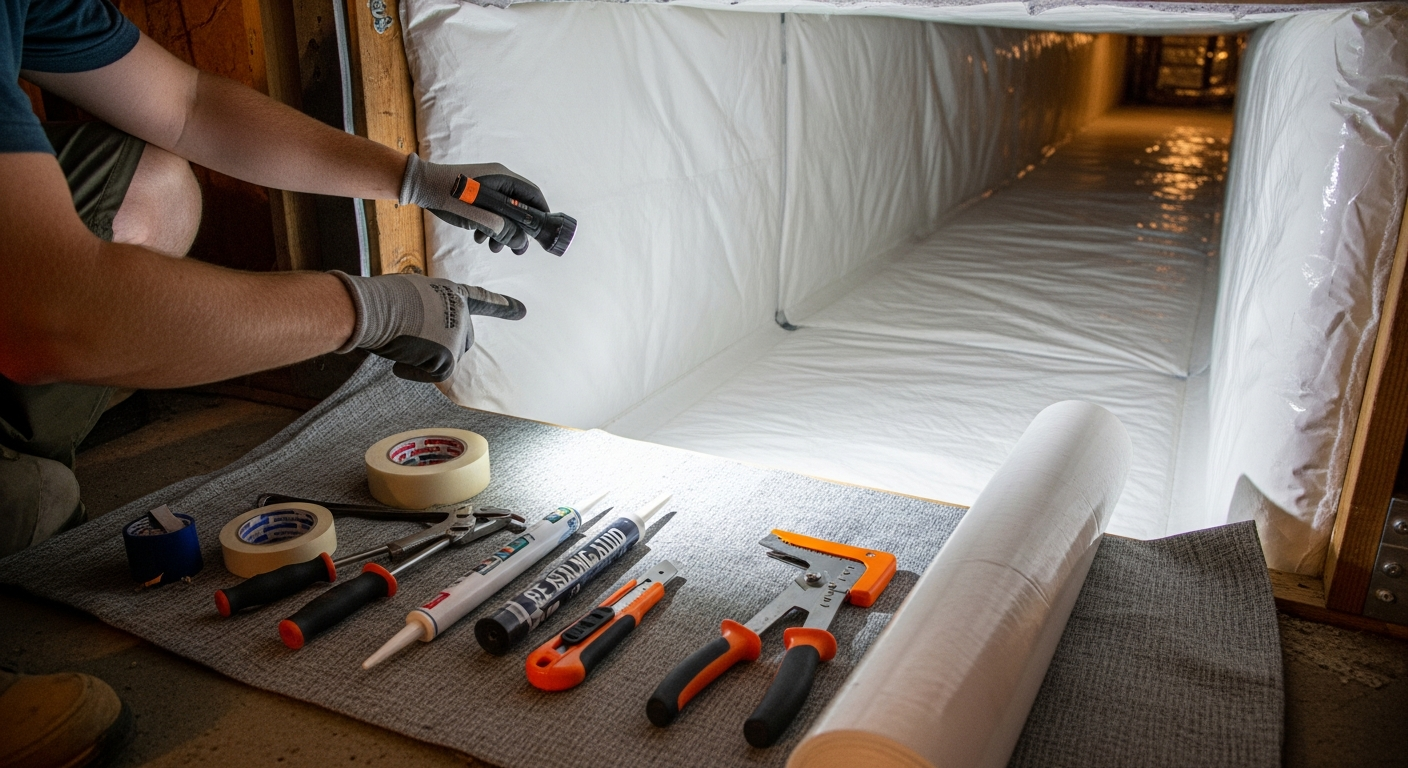
Properly executed crawl space encapsulation provides measurable health benefits during St. Louis’s challenging summer climate. The sealed system prevents moisture-laden outdoor air from entering the crawl space while controlling humidity levels that allow mold, dust mites, and other allergens to proliferate. Air Sense Environmental’s encapsulation approach includes installing vapor barriers, sealing all penetrations, and adding controlled dehumidification that maintains crawl space humidity between 30-50% even during the most humid summer weather.
Humidity Control and Respiratory Symptoms
The reduction in airborne contaminants translates to fewer respiratory symptoms for family members, particularly those with asthma or allergies. Clinical studies from the American Lung Association show that controlling indoor humidity below 60% significantly reduces dust mite populations and mold growth, both major triggers for respiratory problems. During summer months when windows stay closed and HVAC systems recirculate indoor air, the quality of air originating from crawl spaces becomes even more critical to overall health.
Follow-Up Monitoring After Encapsulation
Air Sense Environmental’s follow-up monitoring in encapsulated Ballwin homes shows consistent improvements in indoor air quality metrics during summer months. Homeowners report better sleep quality, reduced allergy medication usage, and fewer respiratory symptoms when indoor humidity stays controlled despite outdoor conditions. The company’s data tracking with Air Things monitors demonstrates that properly encapsulated crawl spaces maintain stable humidity levels even during extended periods of 90+ degree temperatures with high humidity that characterize St. Louis summers.
Free In-Home Estimates for Ballwin Homeowners
For Ballwin homeowners concerned about summer indoor air quality, Air Sense Environmental offers free in-home estimates and comprehensive crawl space encapsulation services designed specifically for the region’s climate challenges. The company evaluates moisture concerns and offers indoor-air-quality testing; the written scope should identify the services and deliverables for the property.
Frequently Asked Questions

How does summer heat affect radon levels in Ballwin crawl spaces?
Summer heat increases radon levels in crawl spaces through enhanced soil gas movement and stronger stack effect conditions. When soil temperatures rise above 80°F, radon gas becomes more mobile and moves more readily through the clay-heavy soils common in Ballwin. The temperature differential between cool crawl spaces and hot outdoor air creates stronger upward air currents that pull more radon into homes. Air Sense Environmental’s summer testing in Ballwin consistently shows radon levels 20-40% higher than winter measurements, making encapsulation with proper radon mitigation features essential for year-round protection.
What specific mold types grow in humid Ballwin crawl spaces during summer?
Ballwin’s summer climate promotes growth of Aspergillus, Penicillium, and Chaetomium mold species in humid crawl spaces. These molds thrive when humidity exceeds 70% and temperatures reach 75-85°F, conditions common in unencapsulated crawl spaces during July and August. Aspergillus produces mycotoxins that can trigger severe respiratory reactions, while Penicillium releases spores that worsen asthma symptoms. Chaetomium, often found on wet wood surfaces, produces a distinctive musty odor and can cause skin and nail infections. Air Sense Environmental’s air quality testing identifies these specific species and implements targeted remediation strategies.
How long does crawl space encapsulation take to improve summer air quality in Ballwin homes?
Properly executed crawl space encapsulation improves air quality within 24-48 hours during summer conditions in Ballwin homes. Air Sense Environmental’s sealed vapor barrier system immediately stops moisture intrusion, while integrated dehumidification equipment begins controlling humidity levels within hours of installation. However, complete mold spore reduction takes 2-4 weeks as existing contaminants clear from the home’s air circulation system. Jake Lusby recommends Air Things monitoring during the first month to document improvements and verify that humidity levels remain stable during summer heat waves and humidity spikes.