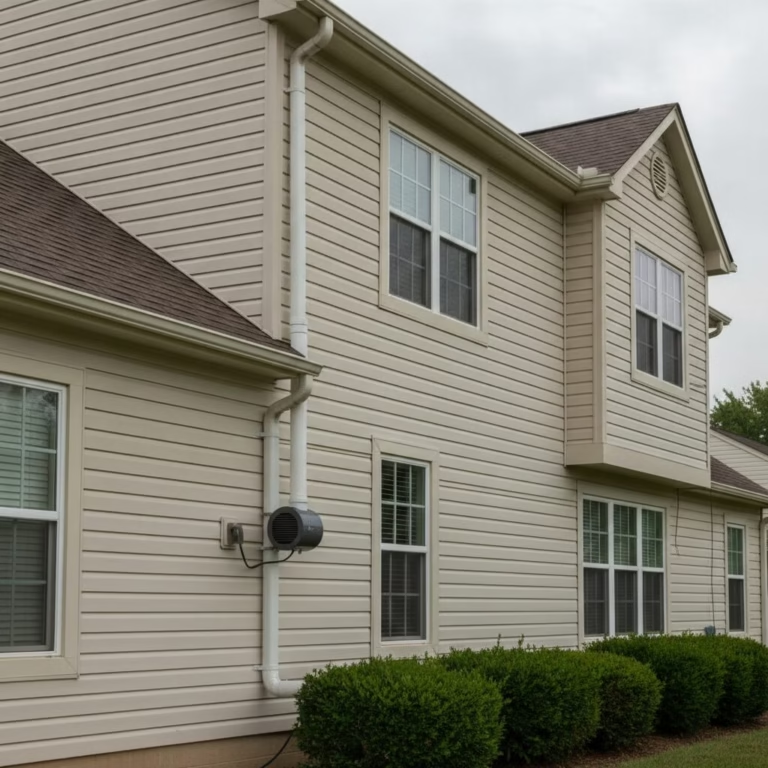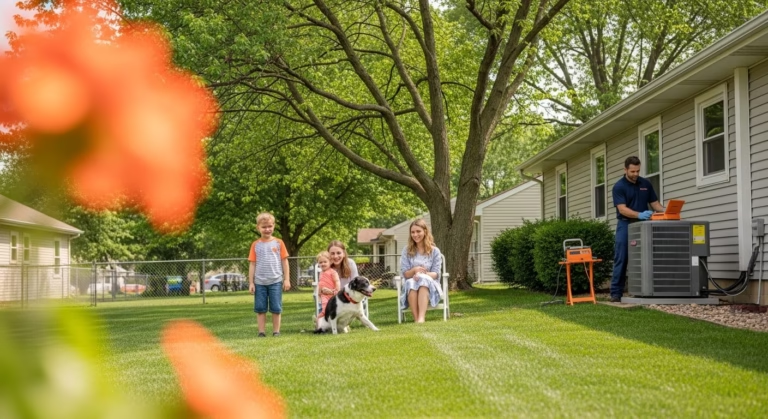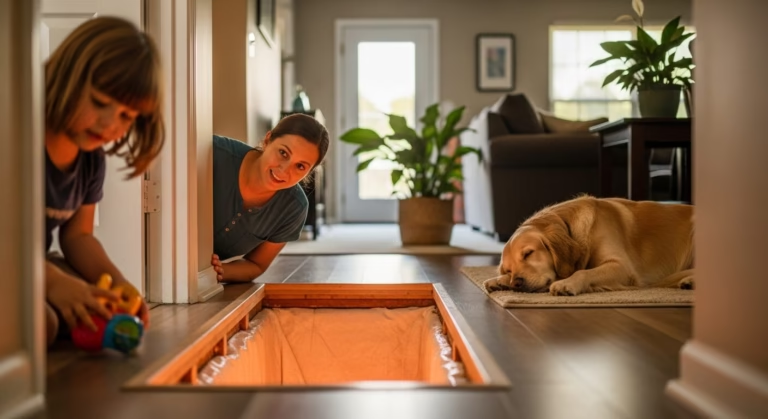
The most common types of radon mitigation systems are active sub-slab depressurization, sub-membrane depressurization, drain-tile or sump-hole suction, and block-wall depressurization. Each type of radon mitigation system uses soil depressurization, a fan and a sealed vent pipe that pull radon gas from beneath the foundation and vent it above the roofline, and each suits a different foundation. Across the St. Louis, MO metro, including St. Louis County and St. Charles County, the EPA recommends a radon mitigation system once a home tests at 4.0 pCi/L or higher. This guide compares the types of radon mitigation systems, the home each one fits, what it costs to run, and how to choose the right system for your property.
The Main Radon Mitigation Systems at a Glance
Most residential radon problems are solved by one of five system designs. The first four are all active soil-suction systems, meaning a fan and a sealed vent pipe create suction under the home and carry the gas safely above the roofline. The fifth, a passive system, moves gas the same way but without a fan.
| Radon mitigation system | Best for | How it reduces radon |
|---|---|---|
| Active sub-slab depressurization | Basements and slab-on-grade homes | A fan draws gas from beneath the poured concrete slab |
| Sub-membrane depressurization | Crawl space homes | A sealed plastic membrane over the soil is vented by a fan |
| Drain-tile or sump-hole suction | Homes with existing drain tile or a sump pit | Suction is applied to the existing drainage loop |
| Block-wall depressurization | Hollow concrete-block foundations | Gas is pulled from inside the hollow wall cavities |
| Passive (no fan) | New-construction rough-ins | The natural stack effect vents gas without a fan |
What every active system has in common
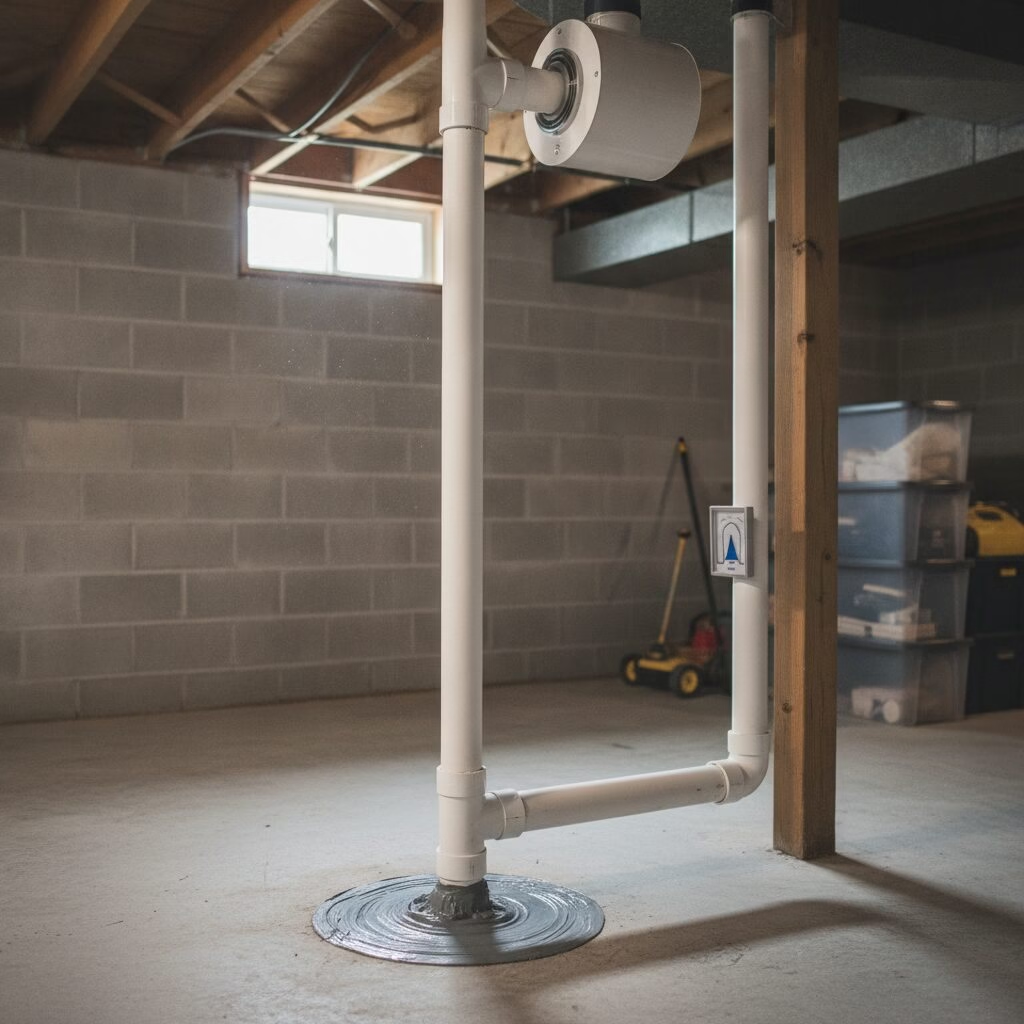
Whatever the foundation, an active radon mitigation system is built from the same three parts:
- A suction point, the sealed opening where the system draws soil gas from under or beside the home.
- An inline fan, which runs continuously to keep the soil under negative pressure.
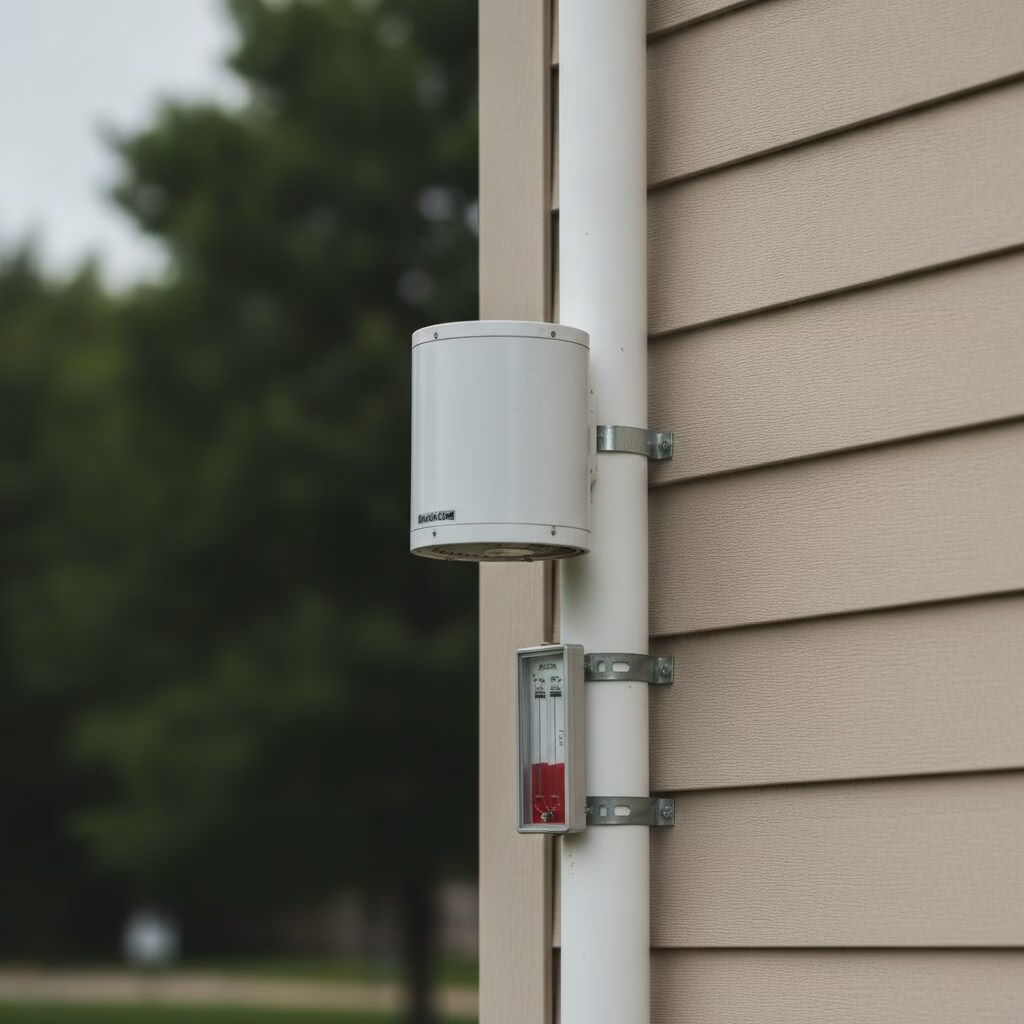
- A vent pipe, which carries the gas above the roofline where it disperses safely.
The EPA’s Consumer’s Guide to Radon Reduction reports that soil-suction systems, the category covering the first four designs, can lower indoor radon by up to 99 percent when they are designed and installed correctly. The sections below break down each system so you can match one to your foundation.
Active Sub-Slab Depressurization: The Most Common Radon Mitigation System
Active sub-slab depressurization, often shortened to ASD, is the most common radon mitigation system and the default choice for St. Louis-area homes built over a basement or a concrete slab. A technician cores a small hole through the slab, hollows out a suction pit in the gravel below, seals a PVC pipe into the opening, and connects it to an inline fan that vents above the roof.
- Best for: basements and slab-on-grade homes.
- How it works: the fan reverses the pressure under the slab, so soil gas flows out through the pipe instead of up through floor cracks.
- Operating cost: the fan draws less than 90 watts and adds roughly $15 to $30 a month to an electric bill while running continuously.
For a sealed basement or a slab home, a single well-placed suction point is often enough to bring a high reading down below the EPA action level of 4.0 pCi/L. Homes with separate foundation sections sometimes need more than one suction point, which is where the systems built for trickier substructures come in.
Sub-Membrane Depressurization for Crawl Space Homes
Sub-membrane depressurization is the right radon mitigation system for homes with a crawl space. Because a crawl space usually has exposed dirt rather than a poured slab, a technician lays a heavy polyethylene membrane across the entire floor, seals it to the foundation walls and any piers, and runs a vent pipe and fan that draw soil gas from beneath the sheeting.
- Best for: homes with a crawl space and exposed soil.
- How it works: the sealed membrane traps soil gas, and the fan vents it outside from underneath.
- Added benefit: the same membrane blocks ground moisture, which is why crawl space encapsulation and radon control so often go together.
A loose or torn membrane lets the fan pull conditioned air instead of soil gas, so the seal quality determines how well the system performs. Homes that already have an underground drainage system call for a different approach.
Drain-Tile and Sump-Hole Suction Systems
Drain-tile and sump-hole suction systems reduce radon by applying a fan to a home’s existing perimeter drain tile or sump pit. Many St. Louis-area basements were built with a loop of drain tile around the footing to manage groundwater, and that same loop makes an excellent path for collecting radon.
- Best for: homes with existing perimeter drain tile or a sump pit.
- How it works: suction piping connects to the drain tile, or an airtight lid with a vent pipe and fan caps the sump.
- Strength: because the tile already circles the foundation, one suction point can depressurize a wide area.
A sump system has to be sealed completely, since an open sump pit would let the fan draw basement air rather than soil gas. When a home has no drain tile but does have hollow block walls, the foundation itself can become the suction path.
Block-Wall Depressurization for Hollow-Block Foundations
Block-wall depressurization is a radon mitigation system designed for homes with hollow concrete-block foundation walls. The interconnected voids inside a block wall act as a hidden network that radon travels through, so a technician seals the top course of block and draws suction directly from the wall cavities.
- Best for: older homes with hollow concrete-block foundation walls.
- How it works: suction empties the connected voids inside the block, intercepting gas before it reaches the basement.
- Often paired with: a sub-slab suction point, so the two systems cover both the floor and the walls.
Block-wall suction is common in older homes, many of them across St. Louis County and the city’s established neighborhoods, where cinder-block foundations were standard. Whether a system uses a fan at all is the other major design decision a homeowner faces.
Passive vs. Active Radon Mitigation Systems: What Is the Difference?
The difference between passive and active radon mitigation systems is the fan. An active system uses an inline fan to create constant, reliable suction, while a passive system relies only on the natural rise of warm air through the vent pipe, an effect called the stack effect.
Active radon systems
Active systems are far more effective and consistent, which is why nearly every system installed to fix a confirmed radon problem uses a fan. The fan holds the soil under steady negative pressure regardless of the weather or the season.
Passive radon systems
Passive systems show up most often as a rough-in pipe installed when a house is built, and they can be upgraded to active performance simply by adding a fan to the existing pipe. Sealing foundation cracks is sometimes grouped in with these methods, but the EPA’s Consumer’s Guide to Radon Reduction is clear that sealing alone is not a reliable way to lower radon. Sealing supports a suction system by reducing air loss, yet it does not replace one. Knowing the system types is the groundwork for the question every homeowner actually wants answered.
How Do You Choose the Right Radon Mitigation System for Your Home?
You choose the right radon mitigation system based on three things: your tested radon level, your foundation type, and how your home’s substructure is laid out. Working through them in order keeps the decision simple.
Test your home first
Test before you commit to any design, because the reading sets the target. The EPA publishes clear thresholds for when to act:
- 4.0 pCi/L or higher: the EPA recommends installing a radon mitigation system.
- Between 2.0 and 4.0 pCi/L: the EPA suggests considering a system.
- A very high reading or a complex foundation: plan for multiple suction points rather than one.
Match the system to your foundation
Foundation type carries the most weight, because the physical design follows directly from how the house meets the ground:
- Basement or slab-on-grade: active sub-slab depressurization is almost always the answer.
- Crawl space: sub-membrane depressurization seals and vents the exposed soil.
- Existing drain tile or a sump pit: drain-tile or sump-hole suction reuses the drainage loop.
- Hollow block foundation walls: block-wall depressurization, often combined with a sub-slab point.
Factor in cost and operation
Cost follows the complexity of the design. A standard single-point residential system typically runs between $800 and $2,500 installed, with crawl space and multi-point systems landing toward the higher end, plus the modest monthly cost of running the fan. A certified contractor diagnoses which design fits during an on-site evaluation, which is the starting point for professional radon mitigation services in St. Louis.
Why Radon System Design Matters for St. Louis-Area Homes
Radon system design matters in the St. Louis area because the housing stock is so varied that no single system fits every home. A contractor who installs the same design on every house will get it wrong on a meaningful share of them. The metro spans three very different building eras and foundation styles:
- Older block-foundation homes in St. Louis County and the city.
- Newer slab-on-grade construction across St. Charles County.
- Crawl space and walk-out designs through Jefferson County and Franklin County.
Air Sense Environmental designs each system around the individual home and confirms the result with post-mitigation verification testing, so a homeowner knows the installed system actually brought levels below the EPA action level of 4.0 pCi/L rather than assuming it did. The company is licensed in Illinois under IEMA #RNM20232346 and is NRPP-certified, and from its base in Edwardsville, Illinois it installs and services systems across the metro, including O’Fallon, Illinois and O’Fallon, Missouri. Matching the right radon mitigation system to the right home is the entire job, which is why testing and diagnosis come before any pipe is cut.
Frequently Asked Questions About Radon Mitigation Systems
What is the best type of radon mitigation system?
For most homes, active sub-slab depressurization is the best type of radon mitigation system, because it is reliable, efficient, and well suited to the basement and slab foundations that dominate the St. Louis area. The best system for your specific home, though, is the one that matches your foundation, which is why crawl space and block-foundation homes use different designs.
How much does a radon mitigation system cost?
A standard single-point residential radon mitigation system typically costs between $800 and $2,500 installed. Crawl space sub-membrane systems and homes that need multiple suction points sit toward the higher end, and the fan adds roughly $15 to $30 a month in electricity. The EPA notes that most homes can be fixed for about the same cost as other common home repairs.
Do radon mitigation systems really work?
Yes, radon mitigation systems work when they are designed and installed correctly. The EPA’s Consumer’s Guide to Radon Reduction reports that soil-suction systems can reduce indoor radon by up to 99 percent. Post-mitigation testing is the way to confirm a specific system brought a home below the 4.0 pCi/L action level.
Can one radon mitigation system cover a whole house?
In most homes, one well-designed radon mitigation system covers the whole house, because a single suction point can depressurize the soil under an entire connected foundation. Homes with separated foundation sections, additions, or both a basement and a crawl space sometimes need more than one suction point or more than one system.
How do I know what radon level needs mitigation?
You know a home needs mitigation when a radon test reads 4.0 pCi/L or higher, which is the level at which the EPA recommends action. Because radon is invisible and odorless, testing is the only way to measure it, and the EPA estimates that radon is responsible for about 21,000 lung cancer deaths in the United States each year.
Get a Free In-Home Radon System Estimate
The right radon mitigation system starts with a look at your actual foundation and your test results, not a guess over the phone. Air Sense Environmental will evaluate your home, recommend the system design that fits it, and verify the outcome with post-mitigation testing. Schedule your free in-home estimate and get a clear, no-pressure plan for lowering the radon in your home.