
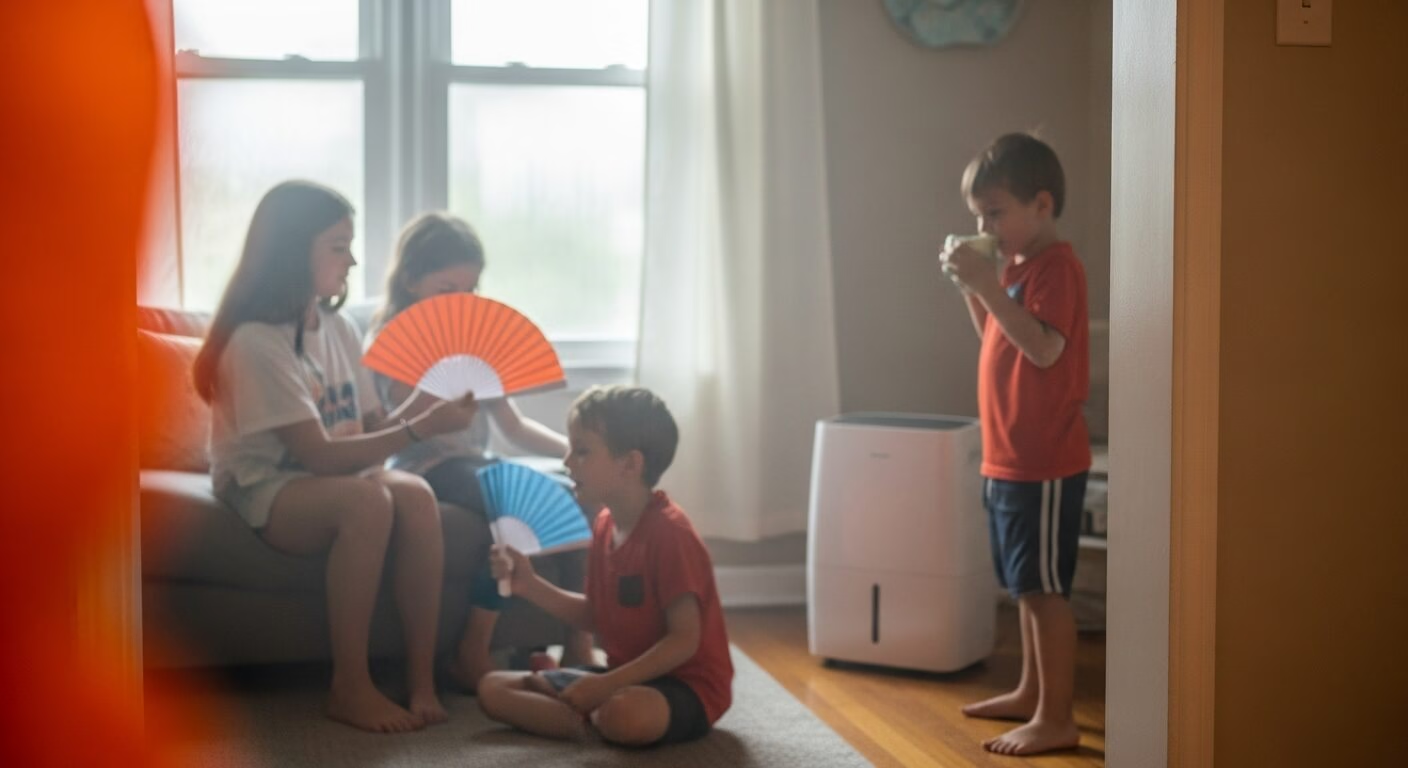
Maryland Heights homeowners face challenging conditions this summer as rising humidity and increased AC usage create ideal conditions for indoor air pollutant buildup and mold growth. Jake Lusby from Air Sense Environmental has documented a 40% spike in indoor air quality complaints across St. Louis County during the peak summer months, with Maryland Heights, Creve Coeur, and Bridgeton showing the highest concentration of humidity-related air quality issues. The combination of the region’s muggy summers and sealed homes running AC systems creates what indoor air quality professionals call a “pollutant trap”, where contaminants get recycled through your home’s air supply rather than being diluted with fresh outdoor air.
What to Do About Summer Air Quality in Maryland Heights
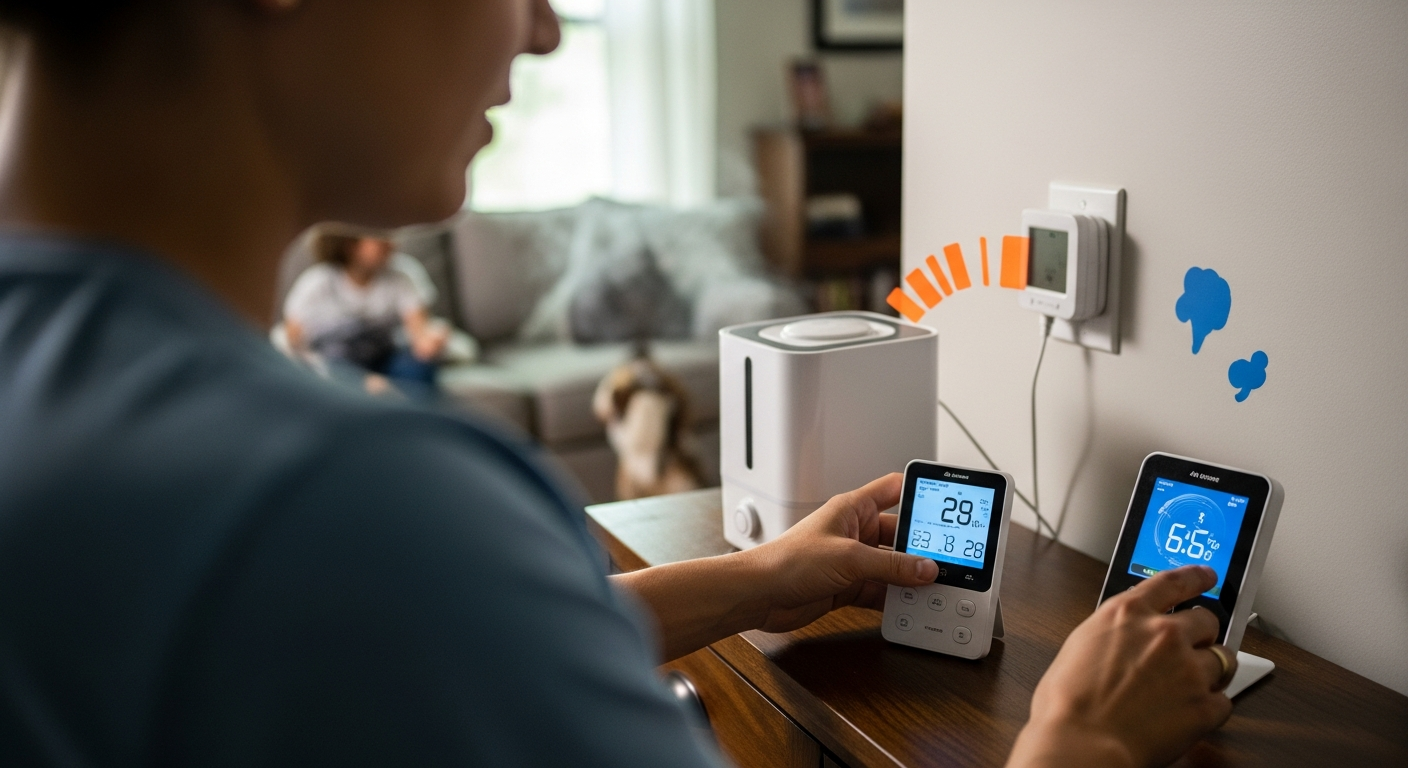
- Test humidity levels with a digital hygrometer, keep indoor levels between 30-50% year-round
- Change AC filters monthly during peak summer usage instead of the standard quarterly schedule
- Run bathroom and kitchen exhaust fans for 30 minutes after showers and cooking to remove moisture
- Schedule professional indoor air quality testing if anyone experiences new respiratory symptoms
- Inspect AC drain pans and ductwork for standing water or visible mold growth
- Open windows during cooler morning hours (below 75°F) to introduce fresh air circulation
Maryland Heights Home Air Quality Issues Peak in Summer

St. Louis County’s summer climate creates a challenging environment for maintaining healthy indoor air. According to NOAA weather data, Maryland Heights averages 15-20 days above 90°F each summer with relative humidity levels frequently exceeding 70%. When outdoor humidity climbs this high, most homeowners seal their houses and rely entirely on air conditioning for comfort.
The AC Recirculation Problem
This creates what Air Sense Environmental’s testing reveals as a “recirculation problem.” Your AC system pulls air from inside your home, cools it, and pushes it back through the same spaces. Without fresh air exchange, pollutants from cooking, cleaning products, pet dander, and off-gassing from furniture and carpets accumulate to levels 2-5 times higher than outdoor concentrations. The Environmental Protection Agency confirms that indoor air pollution ranks among the top five environmental health risks, with concentrations often significantly higher indoors than outdoors.
Carbon Dioxide in Sealed Homes
Jake Lusby has measured carbon dioxide levels exceeding 1,000 parts per million in sealed Maryland Heights homes during summer months, well above the 400-600 ppm range considered healthy for cognitive function and respiratory comfort.
Mold Growth Maryland Heights Humidity Conditions
Maryland Heights sits in a geographic sweet spot for mold growth during summer months. The area’s position along the Missouri River corridor, combined with dense suburban development and mature tree cover, creates microclimates where humidity stays elevated even after rain events pass.
Neighborhoods Near Water Features
Neighborhoods like Fee Fee Creek, Creve Coeur Lake, and areas near Creve Coeur Park experience particularly challenging conditions due to their proximity to water features and heavy tree canopy that limits air circulation. These areas often maintain 80-85% outdoor humidity well into evening hours, forcing residents to keep windows closed and AC systems running continuously.
Three Conditions Mold Needs
Mold spores need three conditions to proliferate: moisture, organic material, and temperatures above 60°F. Maryland Heights homes provide all three abundantly during summer. The region’s typical ranch-style and split-level homes built between 1960-1990 often feature finished basements with drywall and carpeting, prime mold territory when humidity infiltrates through foundation walls or AC condensation issues develop.
Common Summer Mold Types in Humid Homes
Aspergillus, Penicillium, and Cladosporium are common indoor mold types in humid summer conditions. These molds release mycotoxins that can trigger respiratory symptoms, headaches, and fatigue, complaints that spike 300% in St. Louis County during July and August according to Missouri Department of Health data.
Tighter Construction in Newer Subdivisions
The problem compounds in newer, energy-efficient homes where tighter construction limits natural air exchange. Subdivisions like Crescent Hills and New Mark Commons, built after 2000 with improved insulation and weatherproofing, often trap moisture more effectively than older homes with natural air leaks.
AC System Indoor Air Quality Problems St. Louis
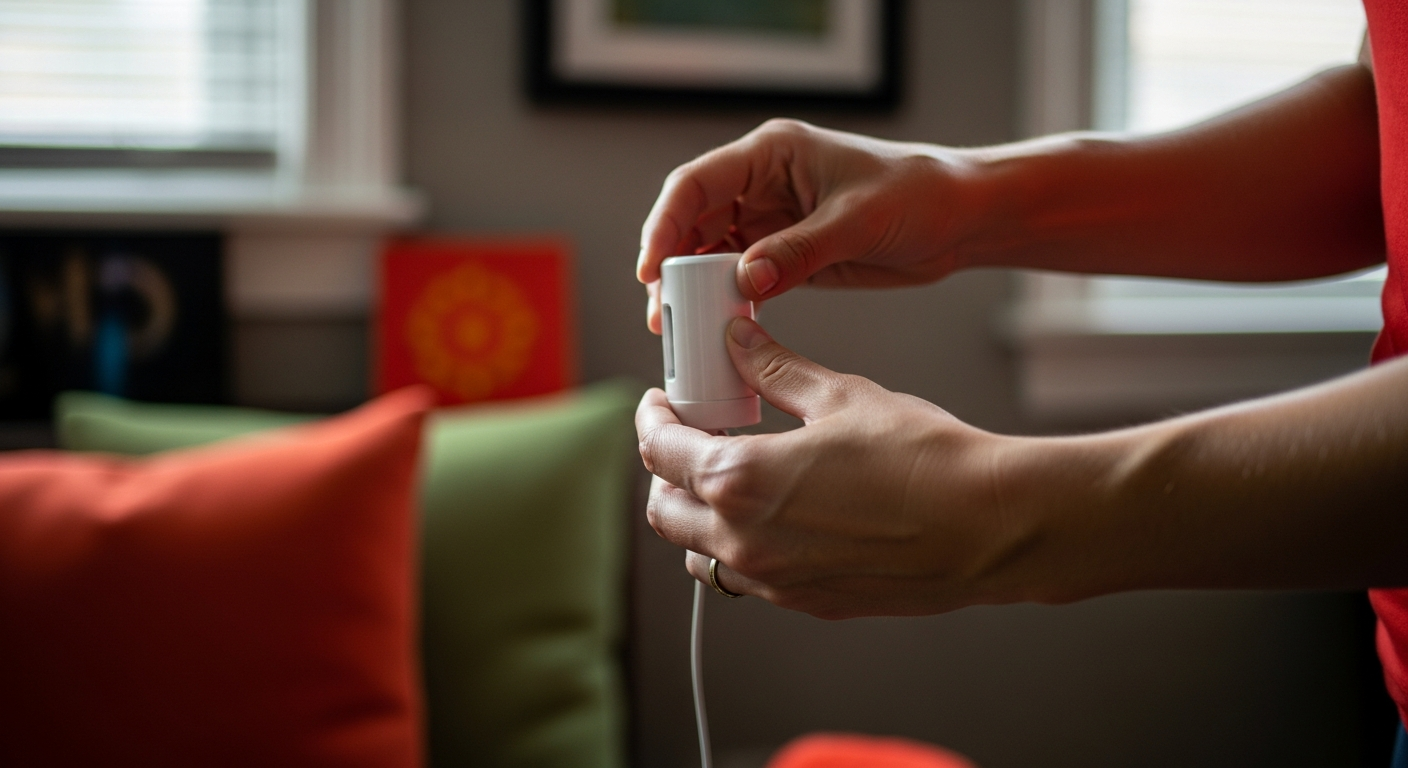
Air conditioning systems become both solution and problem during St. Louis summers. While AC units remove some moisture from indoor air, they also create new pathways for pollutant circulation when not properly maintained.
Dirty Coils and Clogged Condensate Drains
The most common issue Jake Lusby encounters involves dirty evaporator coils and clogged condensate drains. When AC systems can’t drain moisture effectively, standing water in drain pans becomes a breeding ground for bacteria and mold. These contaminants then get blown throughout your home’s ductwork with each cooling cycle.
Ductwork in Crawl Spaces and Attics
Ductwork in Maryland Heights homes presents unique challenges. Many homes feature ductwork running through unconditioned crawl spaces or attics where summer temperatures can reach 120°F. This temperature differential creates condensation inside ducts, leading to moisture problems that most homeowners never see. Air Sense Environmental has documented cases where duct condensation contributed to mold growth throughout entire HVAC systems, requiring complete remediation.
Poor Indoor Air Quality Symptoms Maryland Heights

Summer air quality problems in Maryland Heights manifest through specific symptoms that often get misattributed to seasonal allergies. Jake Lusby reports that homeowners frequently describe “summer colds that won’t go away” or increased asthma symptoms that improve when they leave the house for extended periods.
The Most Reliable Indicators
The most reliable indicators include morning headaches that improve throughout the day, increased fatigue during afternoon hours when AC systems work hardest, and respiratory irritation that worsens in specific rooms, typically basements, master bedrooms, or rooms above garages where humidity problems concentrate.
Children and Older Residents Show Symptoms First
Children and elderly residents show symptoms first because they spend more time indoors and have more sensitive respiratory systems. Maryland Heights families often notice kids complaining of stuffy noses or having trouble sleeping during summer months, while older adults report increased joint stiffness and breathing difficulties.
How Air Sense Environmental Tests Summer Air Quality
Air Sense Environmental approaches Maryland Heights summer air quality testing through a systematic process that accounts for the region’s specific humidity and HVAC challenges. Jake Lusby uses professional-grade equipment to measure volatile organic compounds, particulate matter and humidity levels throughout homes.
48 to 72 Hour Monitoring
The testing process involves 48-72 hour monitoring periods that capture how indoor air quality changes as outdoor conditions fluctuate and AC systems cycle on and off. This extended monitoring reveals patterns that single-point testing misses, like humidity spikes when AC systems shut down overnight or pollutant accumulation in rooms with poor air circulation.
A Dorsett Village Example
One recent case in the Dorsett Village neighborhood involved a family experiencing persistent respiratory symptoms during summer months. Air Sense Environmental’s testing revealed elevated Aspergillus levels concentrated in the finished basement, traced to a combination of foundation moisture infiltration and inadequate ventilation. After implementing targeted remediation including basement dehumidification and improved air circulation, follow-up testing showed mold spore levels dropped by 85% and the family’s symptoms resolved within two weeks.
Certifications Behind the Testing
The Illinois IEMA registry lists Jacob Lusby as Mitigation Professional RNM20232346. Indoor-air and moisture evaluations should be matched to the property’s conditions and written scope. Jake’s approach focuses on root cause identification rather than temporary fixes, addressing the moisture sources, air circulation patterns, and HVAC maintenance issues that create summer air quality problems.
Frequently Asked Questions
How often should I test indoor air quality during Maryland Heights summers?
Professional testing every 2-3 years provides a baseline, but you should test immediately if anyone develops new respiratory symptoms or if you notice musty odors, visible mold, or humidity levels consistently above 60%. Air Sense Environmental recommends testing after any significant moisture events like basement flooding or AC system repairs, since Maryland Heights’ clay soil and high summer humidity can create rapid mold growth within 24-48 hours of water intrusion.
Can opening windows help summer air quality in Maryland Heights?
Opening windows helps only during specific conditions, typically early morning hours when outdoor humidity drops below 60% and temperatures stay under 75°F. During Maryland Heights’ typical summer afternoons when humidity exceeds 70%, opening windows introduces more moisture than your AC system can remove. The best approach involves strategic ventilation during optimal outdoor conditions combined with mechanical ventilation systems that filter incoming air.
What’s the difference between summer allergies and indoor air quality problems in Maryland Heights?
Seasonal allergies typically peak during specific pollen seasons and improve with antihistamines, while indoor air quality symptoms persist throughout summer and worsen inside your home. Indoor pollutant symptoms often include morning headaches, fatigue that improves when you leave the house, and respiratory irritation concentrated in specific rooms. If symptoms started after moving to Maryland Heights or began following home improvements like new carpeting or HVAC work, indoor air quality testing can identify specific triggers that allergy medications won’t address.
For comprehensive indoor air quality testing in Maryland Heights and throughout St. Louis County, contact Air Sense Environmental at (314) 742-8378. Their team provides detailed air quality analysis with specific recommendations for addressing Maryland Heights’ unique summer humidity challenges.