Radon testing vs mitigation: you need radon testing first, and radon mitigation only if the test confirms a high level. Radon testing measures how much radon gas is in your home, and radon mitigation is the fan-and-pipe system that lowers a high radon level. Because radon mitigation is sized from a test reading, radon testing always comes first. Across the St. Louis, MO metro, including St. Louis County and St. Charles County, the EPA recommends radon mitigation once a home tests at 4.0 pCi/L or higher. This guide explains the difference between radon testing and radon mitigation and which one you need first.
Radon Testing vs. Radon Mitigation: What Is the Difference?
The difference between radon testing and radon mitigation is that radon testing measures the radon level in a home and radon mitigation reduces it. Radon testing is a diagnostic step that produces a number in picocuries per liter (pCi/L). Radon mitigation is a physical system, a fan and a sealed vent pipe, installed only when that number reaches the EPA action level of 4.0 pCi/L or higher.
| Radon testing | Radon mitigation | |
|---|---|---|
| What it is | A measurement of radon gas in the home | A system that lowers radon in the home |
| Purpose | Find out your radon level in pCi/L | Reduce a confirmed high level |
| When it happens | First, for every home | Only after a test reads 4.0 pCi/L or higher |
| What you get | A number, your radon reading | An active fan-and-pipe system |
| Relative cost | Low, a DIY kit or a professional test | Higher, a one-time installed system |
Testing answers the question “how much radon do I have,” and mitigation answers “how do I lower it.” Because the second question only matters once the first is answered, the order is never in doubt.
What Is Radon Testing?
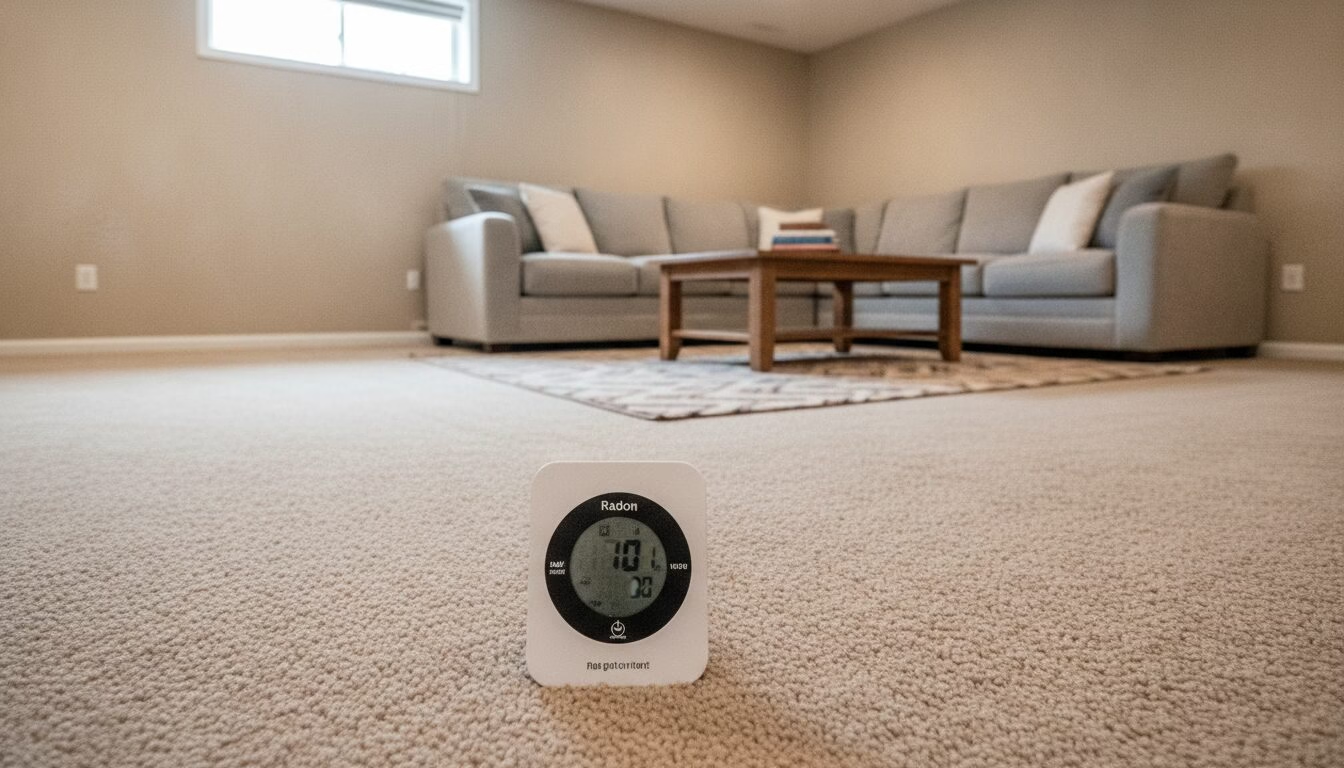
Radon testing is the measurement of how much radon gas has collected inside a building, reported in picocuries per liter (pCi/L). Radon is invisible, odorless, and tasteless, so a test is the only way to know your level. The EPA estimates that radon is responsible for about 21,000 lung cancer deaths in the United States each year, which is why testing is the recommended starting point for every home.
What does a radon test measure?
A radon test gives you three things that decide what happens next:
- A radon level in picocuries per liter (pCi/L).
- A comparison against the EPA action level of 4.0 pCi/L.
- A clear answer on whether mitigation is even needed.
Short-term vs. long-term radon tests
There are two broad ways to measure radon, plus a professional option:
- Short-term tests run from 2 to 90 days and give a fast snapshot, which makes them common during a home sale.
- Long-term tests run for more than 90 days and capture the seasonal swings a short test can miss.
- Professional continuous monitors record radon hour by hour and are the most accurate option, which is why a certified contractor uses one to confirm a reading.
Is a DIY radon test accurate enough?
A DIY kit is a reasonable first screen, but a high or borderline result should be confirmed with a professional measurement before money is spent on a system. The reading you get is the single fact that decides whether mitigation follows.
What Is Radon Mitigation?
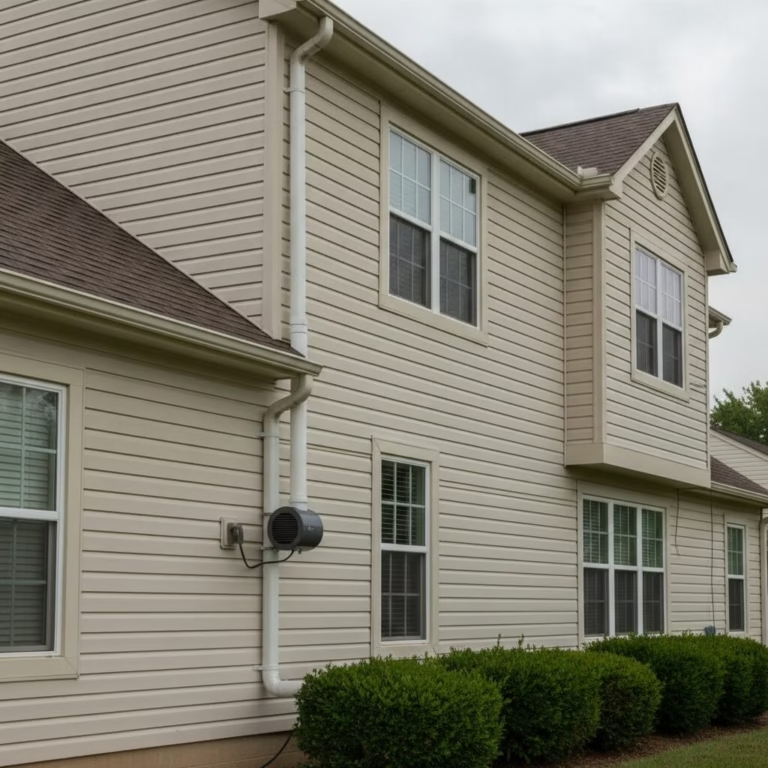
Radon mitigation is the installation of a system that lowers a home’s radon level after a test confirms it is too high. The most common design is active soil depressurization, a continuously running fan and a sealed vent pipe that pull radon gas from beneath the foundation and release it above the roofline. Mitigation is the action that follows a high test, not a precaution you install blindly.
What an active radon mitigation system includes
Whatever the foundation, an active radon mitigation system is built from the same three parts:
- A suction point, the sealed opening where the system draws soil gas from under the home.
- An inline fan, which runs continuously to keep the soil under negative pressure.
- A vent pipe, which carries the gas above the roofline where it disperses safely.
How well does radon mitigation work?
Radon mitigation works when it is designed and installed correctly. The EPA’s Consumer’s Guide to Radon Reduction reports that soil-suction systems can lower indoor radon by up to 99 percent. The right design depends on the foundation, so a professional matches the system to the home during an on-site evaluation, which is the starting point for professional radon mitigation in St. Louis. The pillar page covers the system types and what installation involves in detail.
Do You Need Radon Testing or Mitigation First?
You need radon testing first, always. Mitigation is never the starting point, because there is no way to size, justify, or even confirm the need for a system without a test result to act on. The test reading sets the entire course of action:
- 4.0 pCi/L or higher: the EPA recommends installing a radon mitigation system.
- Between 2.0 and 4.0 pCi/L: the EPA suggests considering a system, since no level of radon is risk-free.
- Below 2.0 pCi/L: no system is needed now; retest every few years and after any major renovation.
What about buying or selling a home?
Buying a home follows the same order. A radon test during the inspection period tells the buyer and seller whether mitigation belongs in the negotiation, long before anyone calls an installer. Testing first keeps the decision grounded in your home’s actual number rather than a guess.
When Does a Radon Test Lead to Mitigation?
A radon test leads to mitigation when the confirmed reading is 4.0 pCi/L or higher, the level at which the EPA recommends action. A single high reading is usually confirmed first: the EPA advises following a very high initial result with a second short-term test, then acting on the average of the two so a system is sized against a reliable number.

The testing-to-mitigation sequence
The process runs in a clear order, and a test bookends it on both sides:
- Initial test to measure the home’s radon level.
- Confirmation test when the first reading comes back high.
- System installation if the average is 4.0 pCi/L or higher.
- Post-mitigation verification test to confirm the system worked.
Post-mitigation verification testing is the second measurement taken after the fan has run, and it confirms the system actually brought the home below the 4.0 pCi/L action level rather than assuming it did. In other words, the process opens and closes with a test, and mitigation is the step in the middle that a high reading triggers.
Radon Testing and Mitigation in the St. Louis Area
In the St. Louis area, radon testing and mitigation work as one connected process because the region’s soil and varied housing stock produce a wide range of readings from home to home. A test on one block can come back well below 4.0 pCi/L while a similar house nearby reads several times higher, so the local pattern is to measure first and let the number decide.
Where Air Sense Environmental tests and mitigates
From its base in Edwardsville, Illinois, Air Sense Environmental tests and services homes across the metro, including:
- St. Louis City and St. Louis County
- St. Charles County
- Jefferson County and Franklin County
- O’Fallon, Illinois and O’Fallon, Missouri
Every installation closes with post-mitigation verification testing to confirm the result falls below the EPA action level of 4.0 pCi/L. The company is licensed in Illinois under IEMA #RNM20232346 and is NRPP-certified, so the same standards apply whether a home needs only a test or a full system.
Frequently Asked Questions About Radon Testing and Mitigation
Do I need a radon test before mitigation?
Yes, you need a radon test before mitigation. A test produces the reading in pCi/L that determines whether a system is warranted and how it should be designed, and the EPA only recommends a system once a confirmed result reaches 4.0 pCi/L or higher. Installing without testing means guessing at a problem you have not measured.
Should I test for radon or just install a mitigation system?
You should test for radon first rather than install a system blindly. Many homes test below the 4.0 pCi/L action level and need no system at all, so a test either saves you the cost of unnecessary work or gives you the confirmed number a proper system is built around.
What radon level requires mitigation?
A radon level of 4.0 pCi/L or higher is the level at which the EPA recommends mitigation. For readings between 2.0 and 4.0 pCi/L the EPA suggests considering a system, and below 2.0 pCi/L no action is needed beyond periodic retesting.
Do I need to test again after radon mitigation?
Yes, you should test again after radon mitigation. A post-mitigation verification test confirms the installed system actually lowered the home below the 4.0 pCi/L action level, which is the only way to know the work succeeded rather than assuming it did.
Can you test and mitigate radon at the same time?
No, testing and mitigation happen in sequence, not at the same time. The test has to produce a confirmed reading first, because that number decides whether a system is needed and how it is designed. Mitigation follows only when the result reaches the action level.
Start With a Radon Test in Your St. Louis Home
The right next step always begins with knowing your number, not guessing at it. Air Sense Environmental will test your home, explain exactly what the reading means, and recommend a system only if your result calls for one, then verify the outcome afterward. Schedule your free in-home consultation and get a clear, no-pressure plan built around your home’s actual radon level.