St. Louis’s unique climate, marked by significant summer humidity and frequent moisture intrusion in lower levels, creates an ideal breeding ground for indoor biological contaminants.
This guide provides you with the essential knowledge to navigate identifying, managing, and resolving mold issues within your Missouri property, focusing on the specific actions required for healthy outcomes. You will learn how environmental conditions dictate growth patterns, understand the rigorous, multi-step process professionals use from initial testing to final clearance, and gain clarity on the associated financial responsibilities, including average local remediation costs ranging from $1,200 to $3,500 for typical jobs. Furthermore, we detail the critical health markers to watch for, the specific disclosure laws governing real estate transactions in Missouri, and how proactive water intrusion management underpins all successful environmental recovery efforts.
Knowing how to protect your home environment starts with understanding these foundational elements of detection and structured removal.
Environmental Factors Driving Mold Growth in St. Louis
St. Louis homeowners face a "perfect storm" for fungal growth due to the unique Missouri climate. Our region’s dense humidity and aging housing stock create an ideal environment for spores to thrive.
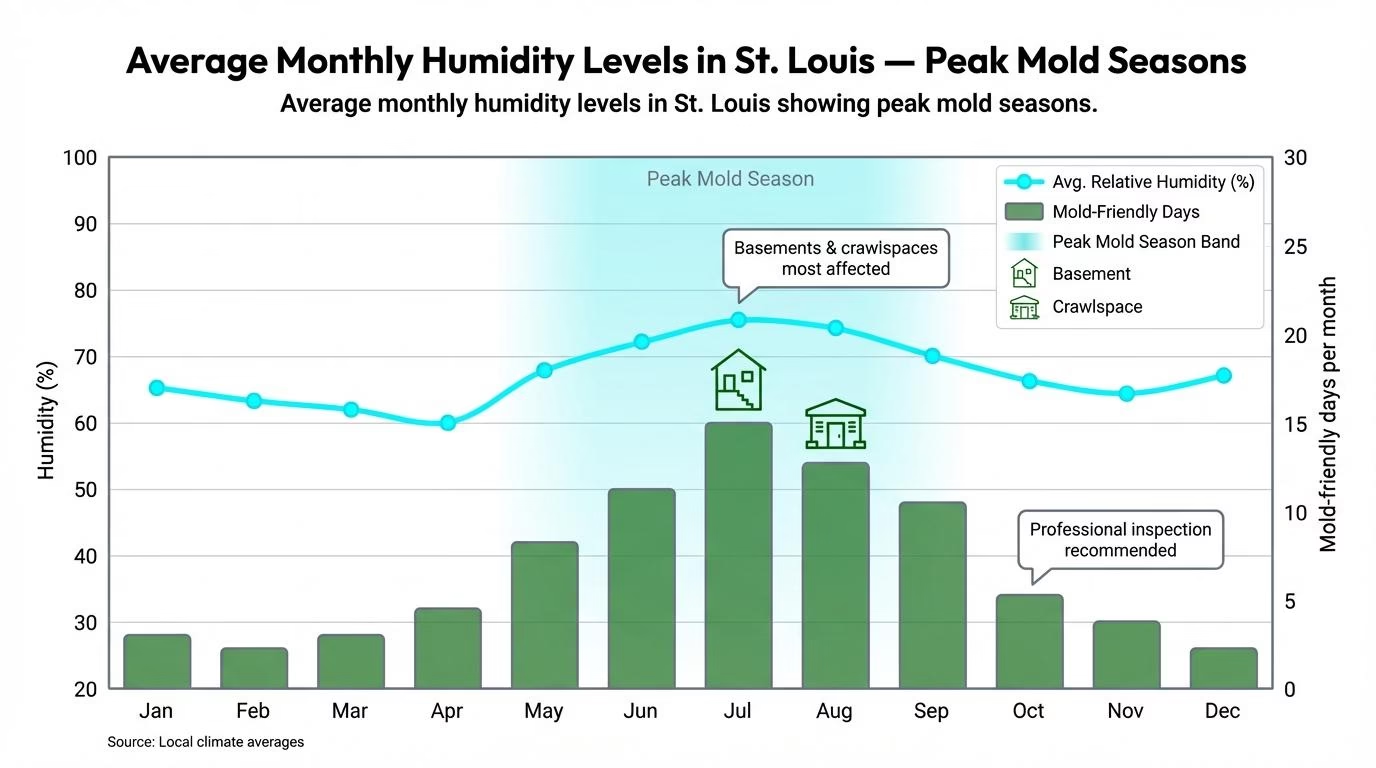
The Impact of Missouri Humidity and Wet Basements
High humidity is the primary catalyst for mold. In the Gateway City, outdoor humidity levels often exceed 60%, which is the critical threshold where mold begins to colonize indoor surfaces.
When this moisture enters a wet basement, it becomes trapped. Without proper ventilation, the combination of stagnant air and organic building materials like drywall or wood leads to rapid infestation.
Common Moisture Hotspots in Local Homes
St. Louis architecture, including historic brick bungalows and homes with limestone foundations, is particularly susceptible to seepage. These structures often lack modern vapor barriers, allowing moisture to wick through the walls.
Crawl spaces are another major concern. Often neglected by homeowners, these damp, dark areas allow moisture to rise into the living spaces above, carrying mold spores and musty odors into the main house.
Identifying Local Moisture Sources and Warning Signs
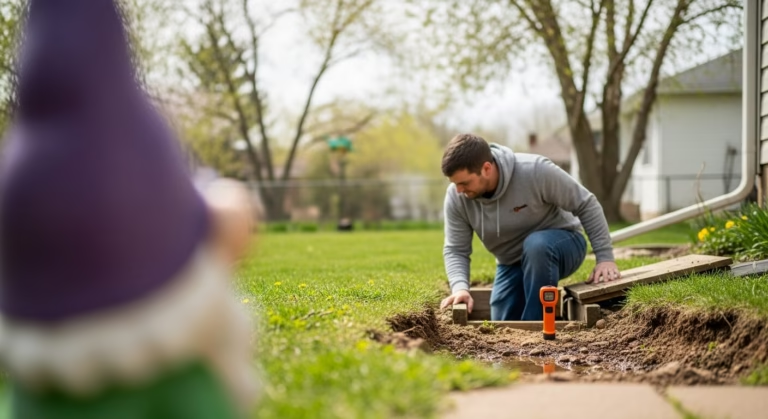
Effective (https://airsenseenvironmental.com/moldtesting/) often reveals that the source of an outbreak isn’t a single event like a flood, but rather a slow, consistent drip or structural flaw.
Identifying these sources early is the best way to prevent extensive property damage. In St. Louis, we frequently see the following moisture triggers:
- Hydrostatic pressure pushing groundwater through foundation cracks.
- Condensation on uninsulated cold water pipes in the summer.
- Failed or undersized sump pump systems during heavy Missouri rainstorms.
- Poor exterior grading that directs roof runoff toward the home.
- High humidity levels in unconditioned (https://airsenseenvironmental.com/crawl-space-encapsulation/).
Effective mold remediation begins with a precise diagnosis of these water sources.
The Professional Mold Remediation Process: From Inspection to Clearance
Professional mold remediation is a multi-step, technical process designed to restore your indoor air quality and structural integrity. At AirSense Environmental, we follow the industry-standard (https://www.epa.gov/mold/mold-remediation-schools-and-commercial-buildings-guide) to ensure every project in St. Louis meets the highest safety benchmarks.
Onsite Inspection and Air Quality Testing
The process begins with a comprehensive onsite inspection to identify the moisture source fueling the growth. Because mold is often hidden behind drywall or under flooring, we use thermal imaging and moisture meters to map the extent of the contamination. We also conduct air quality testing to establish a baseline of spore counts, comparing indoor levels to outdoor samples to determine the severity of the infestation.
Establishing Containment and HEPA Filtration
Before any mold is disturbed, we prioritize containment. This involves sealing off the work area with heavy-duty plastic sheeting and using "negative air pressure" to ensure no spores escape into unaffected rooms.
During this stage, we deploy high-efficiency particulate air (HEPA) filtration. HEPA filtration systems use specialized filters to trap 99.97% of tiny mold spores and particles, preventing them from spreading to other parts of your home during the cleaning process.
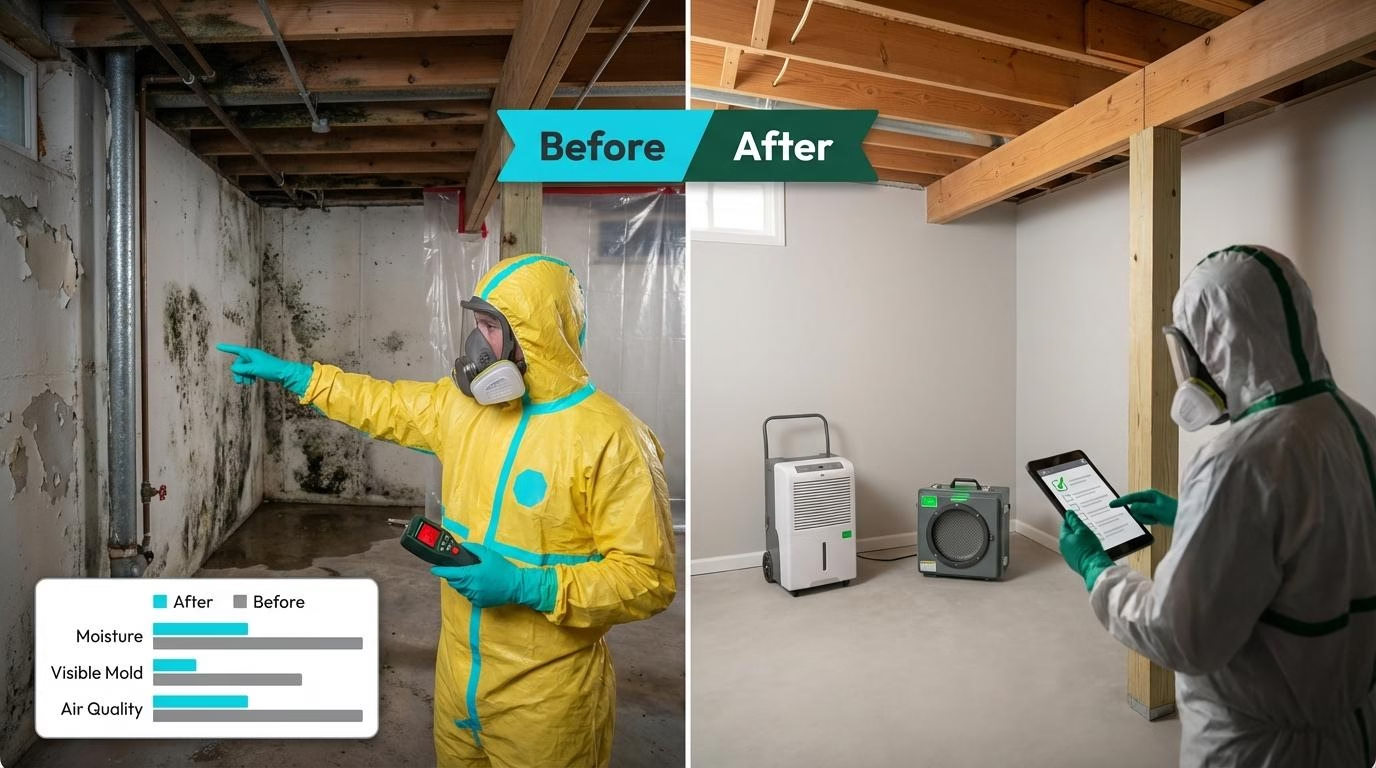
Removal of Affected Materials and Antimicrobial Treatments
Once the area is contained, the physical removal of affected materials begins. This is distinct from containment; while containment keeps the spores in one place, removal eliminates the source. Porous materials like saturated drywall, insulation, and carpeting that cannot be salvaged are safely bagged and discarded.
For non-porous surfaces, we perform detailed cleaning and apply EPA-registered antimicrobial treatments. These professional-grade solutions kill remaining mold roots and provide a protective barrier to inhibit future growth.
Final Clearance Testing and Verification
The job isn’t finished until we prove the environment is safe. Final clearance testing involves a secondary round of air and surface sampling conducted after the remediation is complete but before containment barriers are removed. This verification ensures that spore counts have returned to normal, "clean" levels, providing homeowners with documented peace of mind.
Professional Certifications to Look For
When hiring a contractor for mold remediation in St. Louis, it is vital to ensure they hold recognized industry credentials. These certifications guarantee the technicians follow the IICRC S520 Standard for professional mold remediation. Look for:
- IICRC (Institute of Inspection, Cleaning and Restoration Certification)
- ACAC (American Council for Accredited Certification)
- NAMRI (National Association of Mold Remediators and Inspectors)
Investing in professional mold removal offers significant long-term value for St. Louis property owners. Beyond the immediate health benefits, professional remediation protects your home’s resale value and structural longevity. By addressing the root cause—often linked to the same moisture issues that require water mitigation—we ensure your indoor environment remains dry, safe, and mold-free for years to come.
Understanding Remediation Costs and Insurance in Missouri
The cost of mold remediation in St. Louis typically ranges from $1,200 to $3,500 for standard residential projects. However, the final price depends heavily on the extent of the growth and the structural materials involved. For homeowners, understanding these costs upfront helps in planning for a safe and effective restoration.
Average Costs for St. Louis Mold Removal
In the St. Louis area, pricing is often dictated by the square footage of the affected area and the labor required for specialized containment.
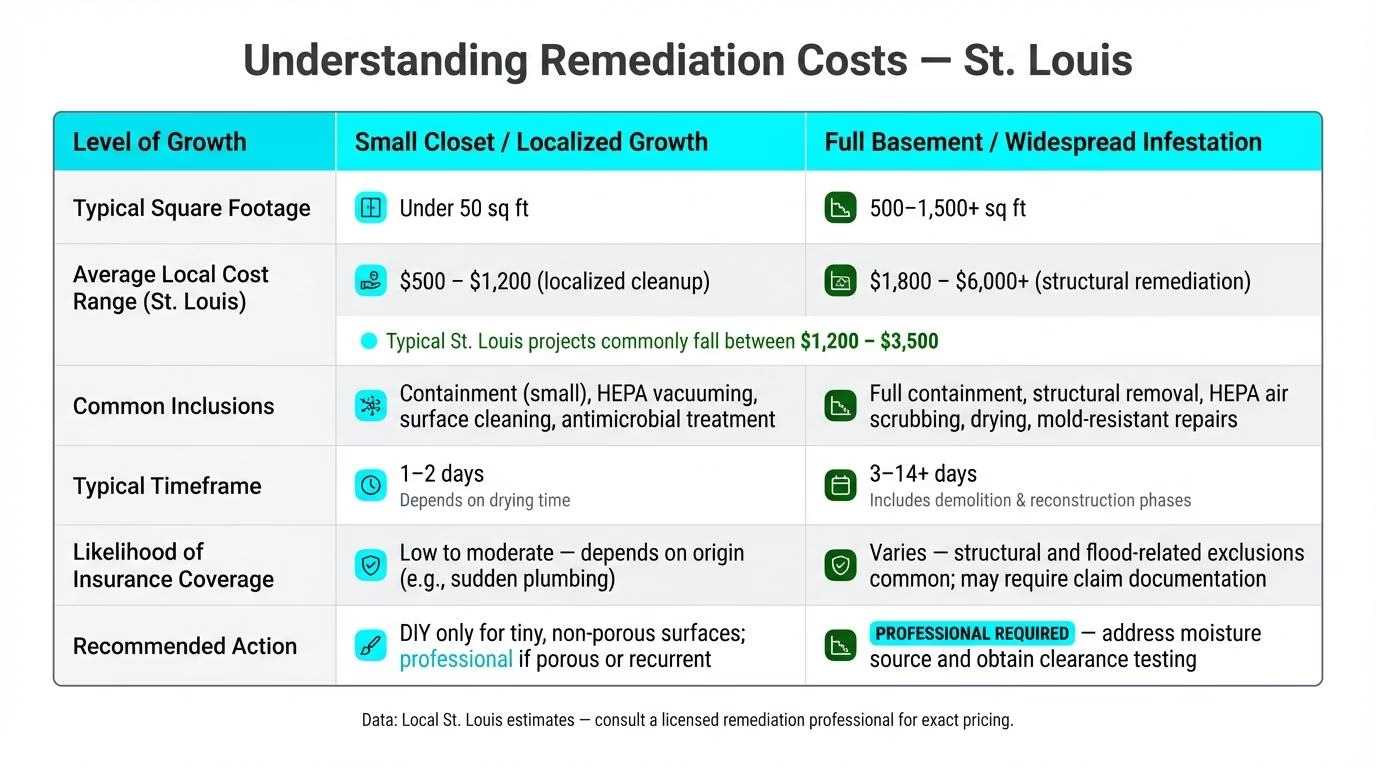
| Project Type | Growth Level | Estimated Cost Range |
| :— | :— | :— |
| Small Closet or Pantry | Minor (Surface mold) | $500 – $1,000 |
| Single Room / Bathroom | Moderate (Wall cavity involvement) | $1,200 – $2,500 |
| Full Basement or Crawlspace | Extensive (Heavy growth/structural) | $3,500 – $7,000+ |
| Attic Remediation | Variable (Ventilation/insulation issues) | $2,500 – $5,000 |
Factors affecting the final estimate:
- The size of the affected area: Costs scale with the square footage of mold coverage.
- Accessibility: Mold in difficult-to-reach areas like narrow crawlspaces or behind built-in cabinetry requires more labor.
- Material Type: Removing mold from porous materials like drywall or carpeting usually requires disposal and replacement, whereas non-porous surfaces like concrete can often be cleaned.
- Moisture Source: If the mold was caused by a water mitigation issue, such as a burst pipe, the plumbing repair costs are separate from the remediation.
Does Insurance Cover Mold Remediation?
Insurance coverage for mold in Missouri is often complex. Standard homeowners’ insurance policies typically cover mold remediation only if the mold resulted from a "covered peril," such as a sudden pipe burst or an accidental discharge of water.
If the mold is the result of long-term neglect, high humidity, or lack of maintenance, the claim is likely to be denied. Many St. Louis residents opt for a "Mold Endorsement" or rider on their policy, which provides a specific limit (often $5,000 to $10,000) for mold-related testing and cleanup regardless of the cause. We recommend reviewing your policy details before an emergency occurs.
Resident Safety: When to Evacuate During Removal
While most small-scale cleanups do not require you to leave your home, certain situations demand a temporary evacuation to ensure occupant safety. Professional remediation involves disturbing mold spores, which can temporarily increase the concentration of airborne contaminants.
You should consider evacuating if:
- The Mold Area is Extensive: If the mold covers more than 30 square feet, the containment area may block essential parts of the home.
- High-Risk Occupants are Present: Infants, the elderly, or individuals with compromised immune systems or chronic respiratory conditions (like asthma) should stay elsewhere until a final clearance test is passed.
- HVAC Involvement: If the mold has infiltrated your air ducts, the system must be shut down during cleaning, leaving the home without climate control.
- Heavy Chemicals or Demolition: The use of industrial-grade antimicrobials and the dust from removing drywall can be irritating to the lungs and eyes.
Safe remediation is about more than just cleaning surfaces; it is about protecting the structural integrity of your property and the health of your family. Once the financial and safety logistics are in place, the next step is understanding the specific technical steps our team takes to restore your home.
Health Risks: Identifying Black Mold and Toxicity Symptoms
Exposure to mold in St. Louis homes can lead to various health complications, particularly for children, the elderly, and those with compromised immune systems. Understanding the difference between common allergens and toxigenic strains is the first step in protecting your household.
Toxic Mold Strains: Black Mold and Aspergillus
While many molds exist, Stachybotrys chartarum (commonly known as "black mold") and Aspergillus are two of the most frequently discussed in remediation. Black mold is typically a greenish-black, slimy fungus that thrives in areas with excessive moisture, such as leaking pipes or flooded basements.
In contrast, Aspergillus is more common and can appear in various colors, including green, yellow, or white. While Aspergillus is often an allergen, certain species can cause more severe infections, such as aspergillosis, in vulnerable individuals. Both require professional mold testing to identify accurately.
Recognizing the Symptoms of Mold Exposure
Mold-related health issues are often mistaken for seasonal allergies or a lingering cold. According to the CDC, exposure to damp and moldy environments may cause a variety of health effects, or none at all, depending on individual sensitivity.
Common reactions include nasal stuffiness, throat irritation, coughing or wheezing, and eye irritation. However, prolonged exposure to molds that produce mycotoxins—often referred to as "toxic mold"—is a serious concern for residents dealing with chronic dampness or structural water damage.
Professional Remediation vs. Surface Cleanup
Wiping away visible mold with bleach is rarely a permanent solution because it fails to address the underlying spores and moisture source. Professional mold remediation in St. Louis involves specialized equipment like HEPA vacuums and air scrubbers to prevent cross-contamination during the cleaning process.
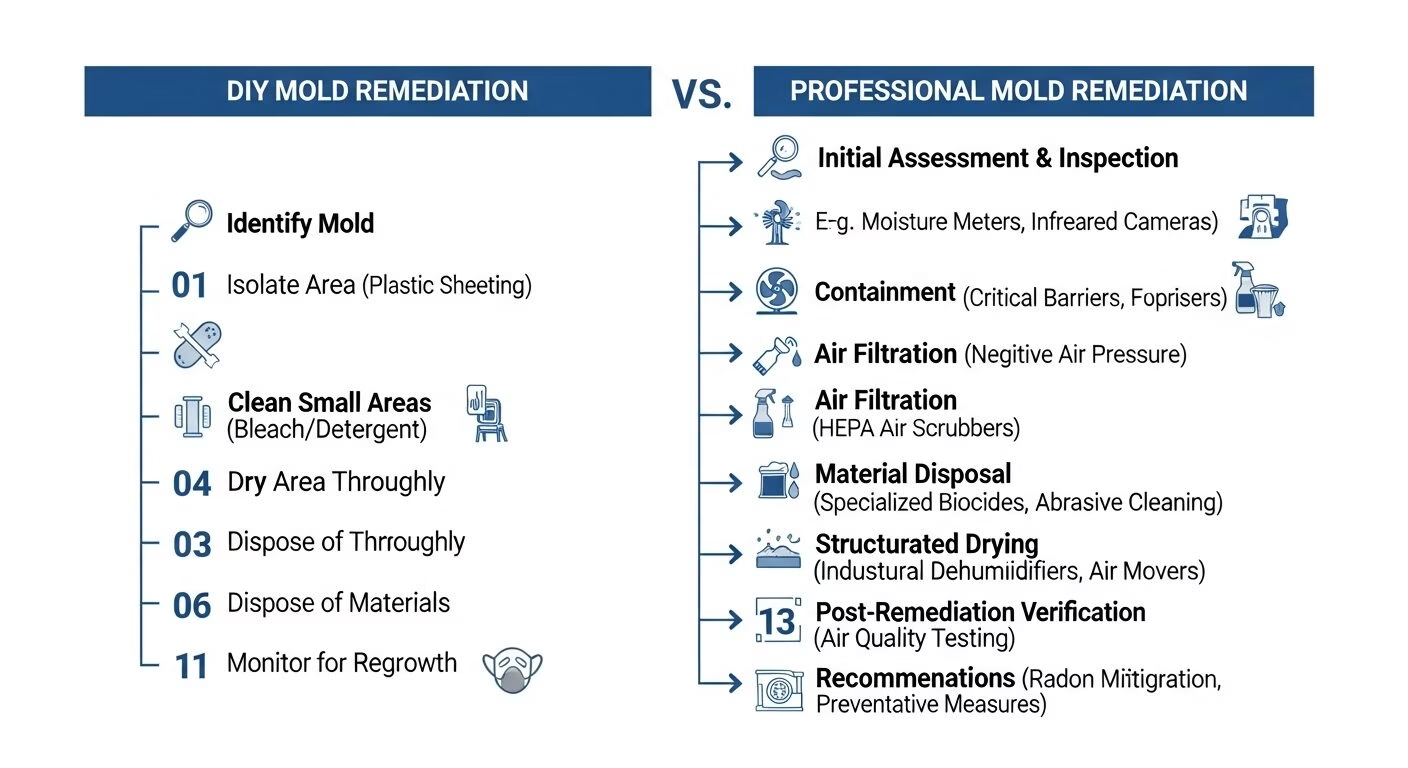
Surface cleaning often leaves the root system (hyphae) intact within porous materials like drywall or wood. Professional services ensure the environment is returned to a safe state by stabilizing indoor air quality and removing the moisture source that fuels growth.
The 10 Warning Signs of Mold Toxicity
If you suspect your home has a hidden infestation, look for these common indicators of mold-related health issues:
- Persistent Respiratory Issues: Chronic coughing, wheezing, or shortness of breath that worsens while indoors.
- Unexplained Fatigue: Feeling constantly drained or sluggish, even after a full night’s sleep.
- Chronic Sinus Congestion: Ongoing nasal blockage or sinus pressure that does not respond to typical allergy treatments.
- Cognitive "Brain Fog": Difficulty concentrating, memory lapses, or a feeling of mental confusion.
- Frequent Headaches: Recurring headaches that seem to trigger specifically when spending time in the property.
- Skin Irritation: Development of unexplained rashes, hives, or itchy skin that resolves when away from home.
- Watery or Itchy Eyes: Redness and irritation that mimics severe hay fever.
- Digestive Issues: Though less common, some reports link mold exposure to nausea or stomach discomfort.
- Heightened Sensitivity: A sudden increase in sensitivity to chemicals, perfumes, or other environmental smells.
- Musty Odor Presence: The physical smell of mold is often the first "sign" that toxicity levels are rising in the air.
In St. Louis, mold growth is not just a maintenance issue; it is a significant factor in tenant and property rights. Landlords are generally required to provide a habitable living environment, and evidence of "toxic" mold levels can lead to legal requirements for professional remediation. Protecting your health often starts with documenting these symptoms alongside a professional inspection.
Missouri Mold Laws: Disclosures and Tenant Protections
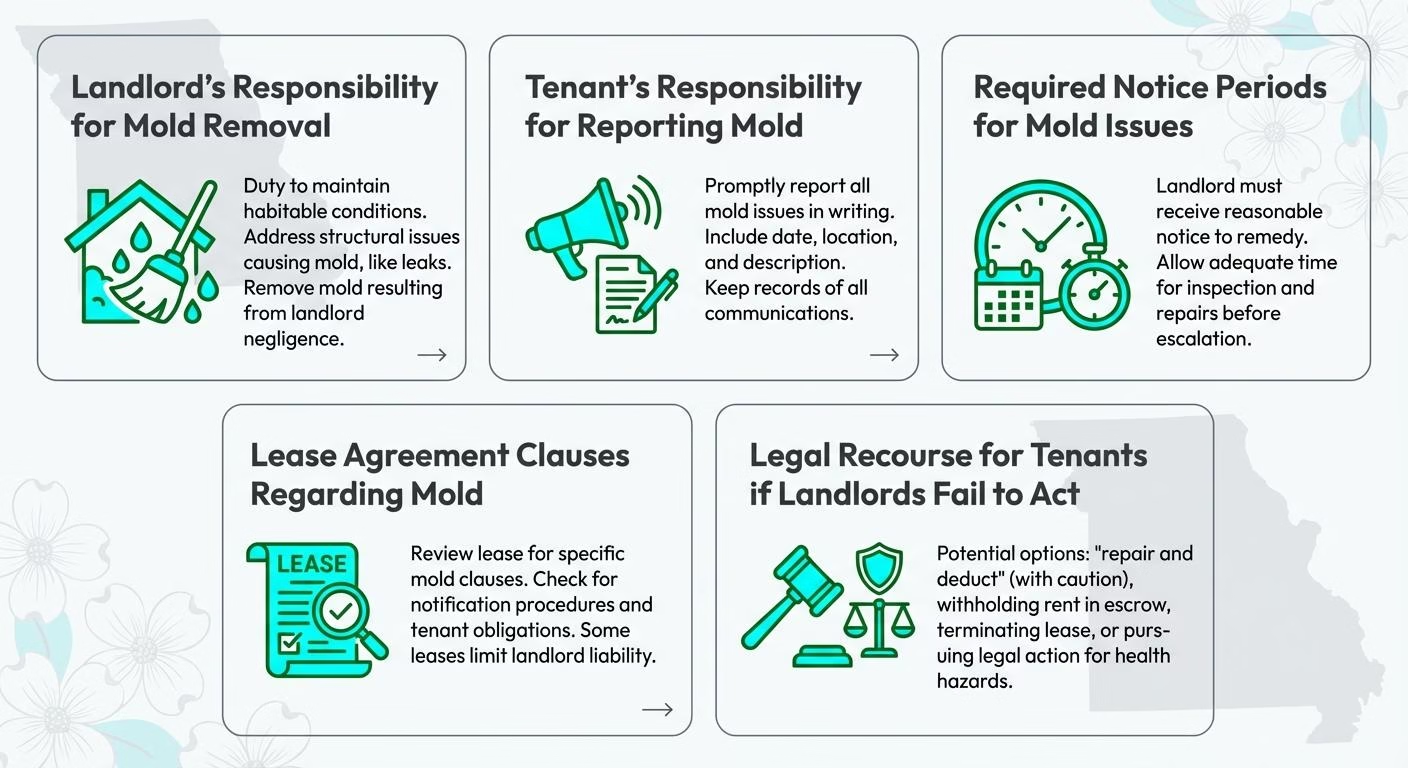
Navigating the legal landscape of property damage in Missouri requires an understanding of both state statutes and local ordinances. While Missouri does not have a specific "mold law" that mandates remediation levels, the state’s Implied Warranty of Habitability requires landlords to maintain safe, livable conditions for all tenants.
Real Estate Disclosures for Mold and Water Damage
In Missouri, property sellers and landlords have specific obligations regarding the transparency of a property’s history. Under the guidelines provided by the Missouri Real Estate Commission Disclosures, licensed real estate agents must ensure that known environmental hazards, including significant mold growth or past water intrusion, are disclosed to potential buyers.
Missouri generally follows the principle of "caveat emptor" (buyer beware), but sellers cannot actively hide known defects. For renters, failure to disclose a recurring mold issue that impacts health can be a breach of the lease agreement.
St. Louis Tenant Rights: Landlord Obligations and Repair Timelines
For residents in St. Louis City and County, local building codes offer additional layers of protection. Landlords are legally obligated to provide a premises that is free from moisture-related hazards that could promote toxic mold growth.
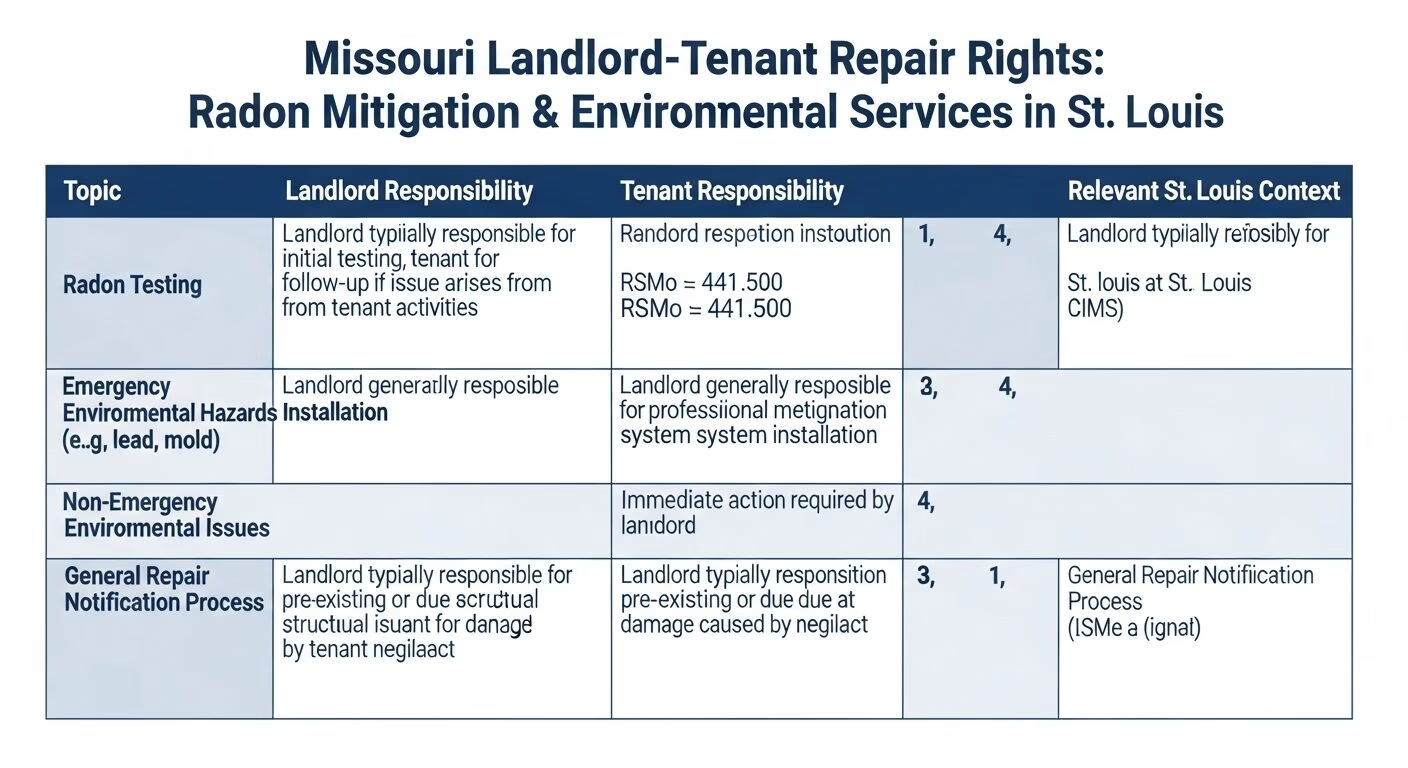
The repair timeline is a critical component of Missouri tenant law. Under RSMo 441.234, tenants may be eligible to "repair and deduct" costs from their rent if a condition violates local municipal codes or poses a significant health risk. In St. Louis, the standard procedure involves:
- Written Notice: The tenant must provide the landlord with written notice of the mold or water damage.
- 14-Day Window: For non-emergency repairs, the landlord typically has 14 days to initiate or complete the necessary remediation.
- Emergency Circumstances: If the mold is caused by an active plumbing leak or flooding that renders the home uninhabitable, the timeline for response is significantly shorter, often requiring immediate action within 24 to 48 hours.
Reporting Mold to Local Health Departments
If a landlord fails to act within the legal repair timeline, St. Louis tenants should contact the City of St. Louis Building Division or the St. Louis County Department of Public Health. These agencies can conduct inspections and issue citations if the property is found to be in violation of health and safety codes. Official documentation from a health department is often the strongest evidence a tenant can have in a legal dispute regarding mold remediation.
Environmental Safety and Home Wellness
Maintaining a safe home in the Greater St. Louis area goes beyond just managing moisture. Home environmental safety is a multi-faceted discipline that includes monitoring for "silent" threats like radon gas alongside visible issues like mold. Because mold growth is a direct symptom of excessive moisture, it often indicates a larger structural or ventilation issue that can impact the overall indoor air quality of the property. Addressing these concerns through professional inspection ensures that your living environment remains compliant with local safety standards and healthy for all occupants.
The Intersection of Water Intrusion and Environmental Health
Addressing mold is only one component of maintaining a healthy home. To achieve true environmental safety, homeowners must look at the building as a holistic system. At AirSense Environmental, our expertise lies in identifying how water intrusion, soil gases like radon, and microbial growth intersect to impact your family’s health.
How Water Mitigation Impacts Indoor Air Quality
Effective water mitigation serves as the primary defense for your home’s indoor air quality (IAQ). When water enters a structure—whether through a sudden flood or a slow foundation leak—it creates an immediate environmental imbalance. Beyond the visible damage, the resulting elevated humidity levels provide the ideal conditions for mold spores to colonize and release mycotoxins into the air.
By implementing professional water remediation, you are not just drying out floorboards; you are actively preventing the degradation of the air you breathe. A comprehensive approach to IAQ recognizes that hidden environmental dangers often stem from unresolved moisture issues. When mold is paired with other airborne contaminants like radon, the cumulative health risk to residents increases significantly, making moisture control the cornerstone of a safe living environment.
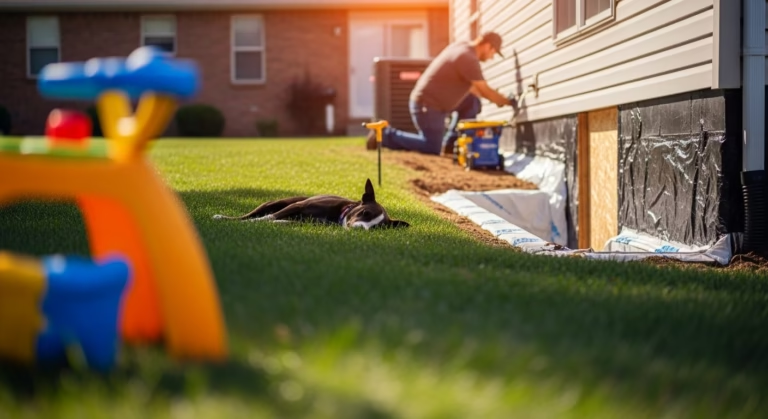
Managing Crawl Space Moisture for Long-Term Prevention
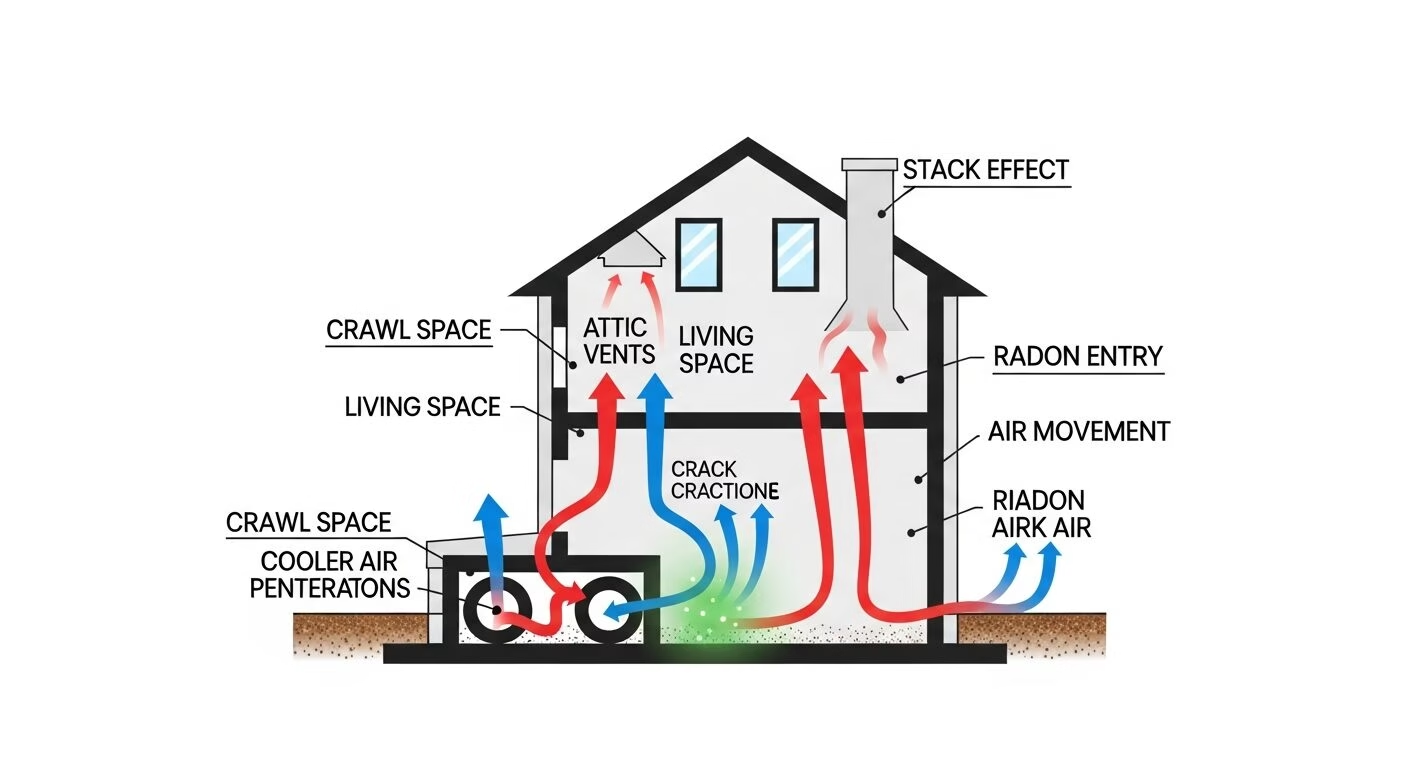
In many St. Louis homes, the crawl space is the "lungs" of the house. Due to the stack effect, air from the lowest levels of a home naturally rises into the living areas. If your crawl space is damp or unsealed, it becomes a staging ground for mold growth and a primary entry point for soil gases.
Managing this moisture requires more than just a dehumidifier; it requires structural solutions such as crawl space encapsulation. A high-quality vapor barrier not only prevents the wood rot and mold growth associated with water intrusion but also acts as a critical barrier in a holistic radon mitigation strategy. By sealing the earth off from the home’s interior, we address the root cause of both biological and chemical air pollutants simultaneously.
The Synergy of Moisture Control and Total Home Safety
True environmental safety is found at the synergy of moisture control, mold prevention, and gas mitigation. When you address mold remediation in St. Louis, you must also consider the underlying factors—such as foundation integrity and soil gas levels—that contribute to a home’s overall health profile. A home that is dry, well-ventilated, and properly sealed against the elements is a home that remains resilient against environmental threats.
Don’t wait for air quality issues to manifest as health symptoms. Schedule a comprehensive environmental home assessment in St. Louis today to address mold and water issues at their source.
Frequently Asked Questions About Mold Remediation
What are the 10 warning signs of mold toxicity?
Mold toxicity manifests through diverse physical and neurological symptoms that often mimic other chronic conditions. The 10 common warning signs include persistent respiratory distress, chronic fatigue, frequent headaches, brain fog or cognitive difficulties, skin rashes, joint pain, sinus congestion, light sensitivity, tingling sensations in the extremities, and unexplained mood changes. These symptoms typically worsen during extended periods spent indoors where spores are concentrated.
How many types of mold exist and which are most common in St. Louis?
While thousands of mold species exist worldwide, only a few dozen are commonly found in residential environments. In St. Louis, the most prevalent types include Cladosporium, Penicillium, and Aspergillus. Stachybotrys chartarum, frequently referred to as black mold, is also common in local properties that have suffered from significant water intrusion or chronic dampness. Each species requires a specific containment and removal strategy to prevent the spread of spores.
What conditions favor mold growth in Missouri homes?
Missouri homes are particularly susceptible to mold due to high outdoor humidity levels and significant seasonal temperature fluctuations. Conditions that favor growth include indoor humidity levels exceeding 50 percent, hydrostatic pressure causing groundwater seepage through foundation walls, and poor ventilation in attics or crawl spaces. Leaking pipes and improper grading around the home’s exterior also create the moisture rich environments where mold thrives.
Is mold dangerous to my health if it is only in the basement?
Mold in a basement poses a risk to the entire property because of the stack effect, where warm air rises and pulls air from the lower levels into the upper living spaces. Airborne spores and mycotoxins can easily travel through the HVAC system and small gaps in flooring. Maintaining a healthy environment in the basement is vital for protecting the indoor air quality throughout the rest of the house.
How long should you stay out of the house after professional mold remediation?
Most residents can safely return to their property within 24 to 48 hours after a remediation project is finalized. This period allows specialized HEPA air scrubbers to complete the filtration process and ensures that any antimicrobial sealants used during the cleanup have dried completely. A final clearance test is typically performed to verify that the air quality has returned to safe, natural levels.
Can I handle small areas of mold myself, or do we always need professional help?
The EPA indicates that homeowners might be able to manage mold patches smaller than 10 square feet on their own using proper protective gear and cleaning protocols. However, surface cleaning often fails to address the underlying moisture source or hidden growth behind walls and under flooring. Professional help is necessary for larger areas, structural damage, or when inhabitants are experiencing health issues related to the indoor environment. Understanding these nuances helps homeowners decide when to seek a detailed assessment of their property.
Schedule Your St. Louis Home Assessment
Addressing mold at its source requires a deep understanding of how the specific climate of Missouri impacts residential structures and indoor air quality. Expert intervention ensures that moisture intruders are identified and neutralized before they cause further structural or health complications. You can protect your property and ensure long term safety by scheduling professional mold remediation services to evaluate air quality and resolve hidden environmental risks today.