
Radon fan replacement cost is often $300 to $600 for a standard professional replacement, based on current national estimates. The exact price depends on the fan size, system design, access, electrical work, and whether any pipe or coupling repairs are needed. For homeowners in St. Louis, MO and St. Louis County, that range is a planning number, not a local flat rate. A qualified contractor should inspect the existing system before quoting the work.
Replacing only a failed fan usually costs much less than installing a complete radon mitigation system. The important question is whether the fan is the only problem. If the pipe, suction point, seals, and electrical connection are still sound, a properly sized replacement fan can restore the system without rebuilding it.
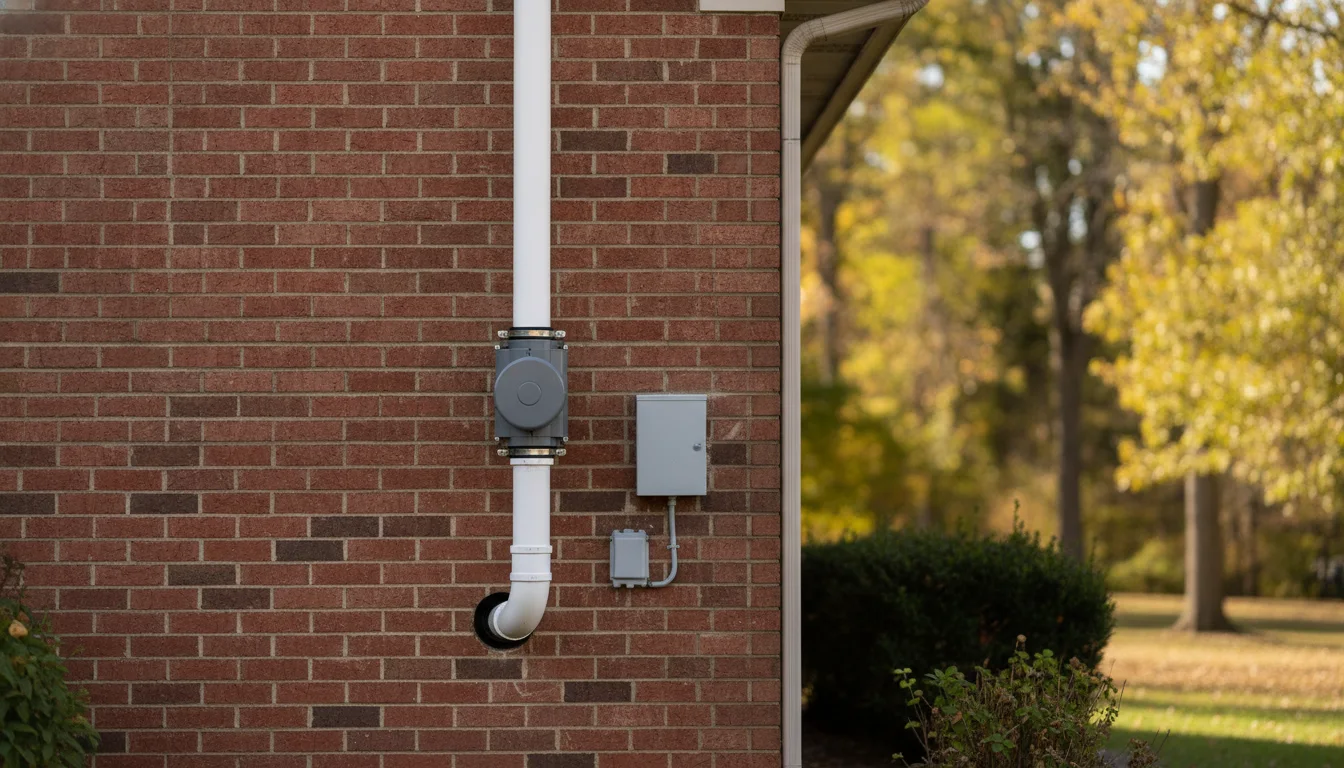
What Does Radon Fan Replacement Cost in 2026?
A typical professional radon fan replacement costs about $300 to $600 nationally in 2026. Current guides from Angi and Peerless Environmental land in that range, while the EPA’s December 2025 cost analysis used $476 in 2023 dollars as its baseline fan replacement input over a 10-year period.
| Cost item | Planning range or benchmark | What it means |
|---|---|---|
| Standard professional fan replacement | $300 to $600 | Common national range for a straightforward fan swap with labor |
| EPA planning benchmark | $476 in 2023 dollars | Baseline replacement input used in the EPA’s 2025 economic analysis |
| Fan unit by itself | Often $150 to $400 | Equipment only, before labor, diagnosis, fittings, electrical work, or testing |
| Complex replacement | Inspection required | Higher-suction fans, difficult access, damaged pipe, or electrical corrections change the quote |
These figures are useful for budgeting, but they do not establish Air Sense Environmental’s price for a specific home. A replacement quote should reflect the fan the system actually needs, not simply the least expensive unit that fits the pipe.
What Is Included in a Professional Radon Fan Replacement?
A professional replacement should include more than removing one fan and attaching another. The contractor first checks whether the old fan has failed and whether the rest of the mitigation system is still working as designed.
A standard visit may include:
- Inspecting the fan, couplings, vent pipe, electrical connection, and system monitor
- Confirming the pipe diameter and current fan model
- Checking the suction or pressure the system needs
- Selecting a compatible replacement fan
- Removing the failed unit and installing new couplings or clamps when needed
- Restoring power and confirming that the new fan is operating
- Recommending a follow-up radon test to verify the result
Airflow requirements vary from one foundation to another. A small fan that works well on a permeable gravel bed may not move enough air beneath dense soil or a complicated foundation. This is why a contractor should match the replacement to the system rather than treating every fan as interchangeable. Air Sense explains that sizing decision in its guide to the RadonAway RP145 radon fan.
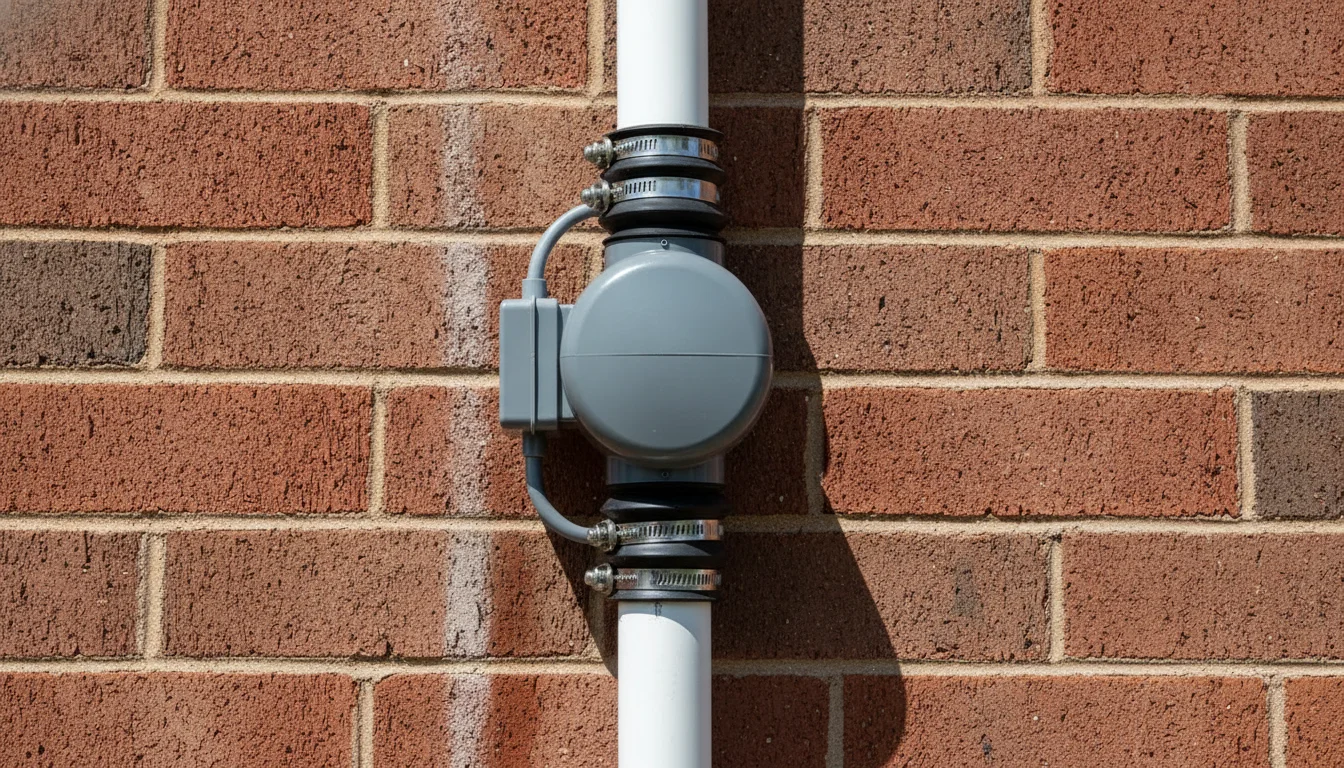
What Factors Change the Cost to Replace a Radon Fan?
The cost to replace a radon fan changes most with equipment, access, and the condition of the existing system. A direct swap on an accessible exterior pipe is simpler than a job that also needs pipe repair, electrical correction, or a different fan class.
The main price factors are:
- Fan size and performance. Higher-suction or higher-airflow models generally cost more than standard residential fans. The correct choice depends on the system, not the size of the house alone.
- Access. A fan mounted at ground level is easier to service than one placed high on an exterior wall, above a roof, or in a difficult attic location.
- Pipe and coupling condition. Brittle fittings, cracked PVC, worn rubber couplings, and corroded clamps may need replacement at the same time.
- Electrical condition. A safe weatherproof connection is part of a proper installation. Damaged wiring or a noncompliant disconnect can add work.
- System diagnosis. A fan that sounds unusual may not be the only issue. Blocked piping, water in the line, a changed pressure field, or an open seal can also reduce performance.
- Verification testing. A new fan should restore suction, but only a radon test confirms that indoor levels are back under control.
If the current fan has become loud, weak, or silent, Air Sense’s radon fan replacement service explains what a technician checks before recommending a model.
Is Replacing a Radon Fan Cheaper Than Replacing the Whole System?
Yes. Replacing a radon fan is usually cheaper than replacing the whole mitigation system when the existing pipe, suction point, seals, and electrical connection remain serviceable. The fan is a mechanical component with a finite life, while much of the installed system can last much longer.
A complete system repair may be needed when the issue goes beyond the fan. Examples include damaged vent piping, an unsealed sump, poor suction coverage, major foundation changes, or an original design that never reduced radon adequately. In those cases, installing a stronger fan without correcting the underlying problem may raise noise and energy use without solving the radon issue.
For homeowners comparing a repair with a larger update, the St. Louis radon mitigation service page outlines how systems are designed around the home.
Can You Replace a Radon Fan Yourself?
A homeowner can physically replace some radon fans, but a professional replacement is the safer choice when fan sizing, electrical work, system pressure, or code requirements are uncertain. A fan that fits the pipe is not automatically the right fan for the system.
Common DIY risks include:
- Choosing a fan with the wrong airflow or suction characteristics
- Reversing the airflow direction
- Leaving a leaking coupling or unsafe electrical connection
- Installing the fan in an inappropriate indoor location
- Assuming the repair worked without a follow-up radon test
Do not switch off a working radon fan to save electricity. Radon systems are designed to operate continuously. If operating cost is a concern, Air Sense has a separate explanation of how much electricity a radon mitigation fan uses.
How Do You Know a Radon Fan Needs Replacement?
A radon fan may need replacement when it stops running, becomes unusually noisy, cannot maintain normal system pressure, or is followed by a higher radon test. One symptom alone does not always prove the fan has failed, so diagnosis matters.
Look for these warning signs:
- The fan is silent and has no vibration when power is on
- Grinding, rattling, scraping, or a major increase in fan noise
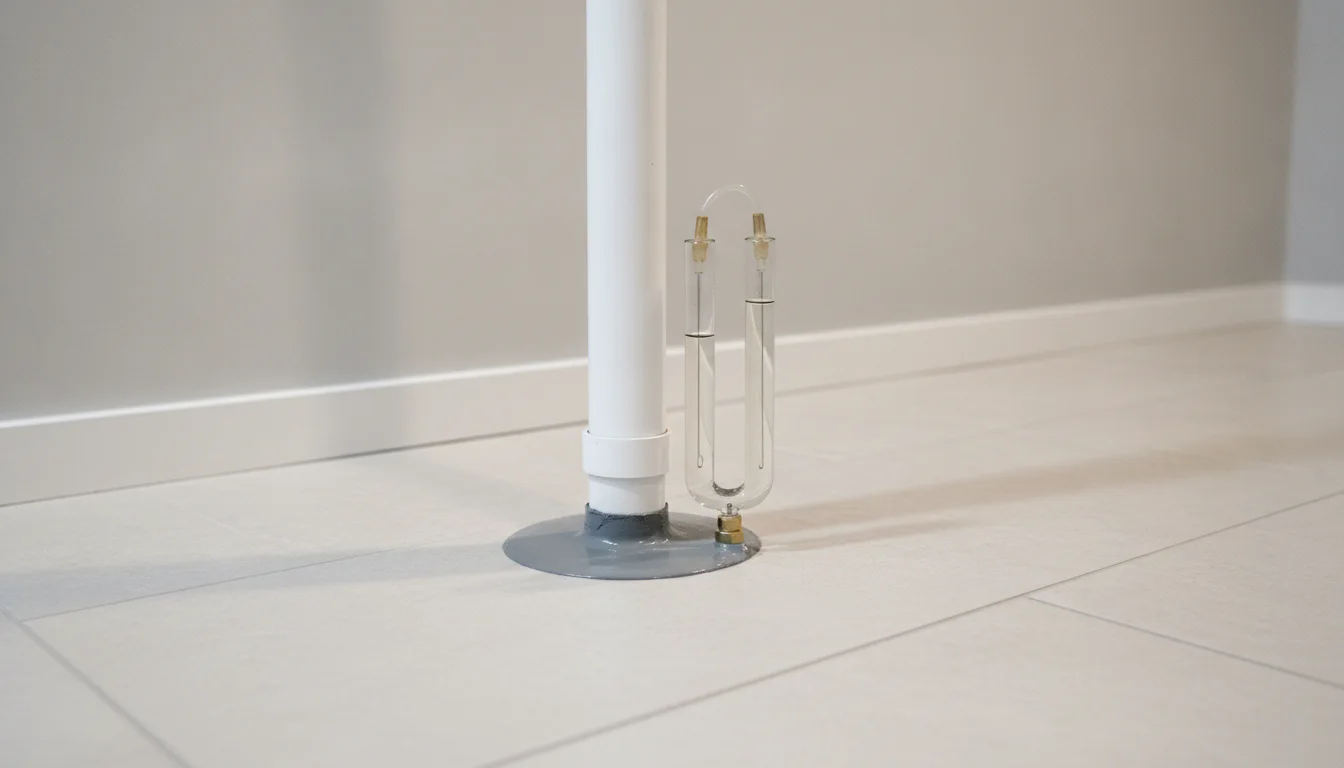
- The U-tube manometer no longer shows the usual difference between its liquid columns
- Visible cracks, water intrusion, or deteriorated couplings around the fan
- A follow-up radon result at or above the EPA action level of 4.0 pCi/L
The manometer shows that the system is creating pressure, not the radon concentration in the room. A normal-looking manometer cannot replace a radon test, and an unusual reading may point to a blockage, leak, or power issue instead of a dead fan. Routine checks are covered in Air Sense’s radon mitigation system maintenance guide.
Does a Radon Fan Replacement Require a New Radon Test?
Yes. A radon test after fan replacement confirms that the repaired system is reducing indoor radon below the EPA action level of 4.0 pCi/L. Seeing the fan run and seeing pressure on the manometer are useful checks, but neither measures radon in the air.
The EPA Consumer’s Guide to Radon Reduction recommends retesting a mitigated home at least every two years, and testing after system changes is a practical way to verify performance. Air Sense’s guide to post-mitigation radon testing explains when to measure and how to interpret the result.
If a replacement fan is operating but the new test remains at or above 4.0 pCi/L, the system needs further diagnosis. The fix could involve sealing, another suction point, pipe changes, or a different fan. The result should guide the next step.
How Long Does a Radon Fan Last?
The EPA says radon fans may last five years or more, and many carry manufacturer warranties of up to five years. Actual service life varies with the model, installation, weather exposure, moisture, electrical conditions, and how hard the fan has to work.
Age alone is not a reason to replace a working fan. Instead, watch the system monitor, listen for changes, and keep up with radon testing. A fan that is older but still maintains pressure and keeps test results low may continue operating. A newer fan with bearing noise, water damage, or a failed motor may need attention sooner.
How Do You Get a Radon Fan Replacement Quote in St. Louis?
Start with an inspection of the existing fan and system. A useful quote should identify the recommended fan, explain any additional pipe or electrical work, and state how the repair will be verified. It should also distinguish a fan-only replacement from a larger system correction.
Air Sense Environmental serves the St. Louis metro on both the Missouri and Illinois sides. Jake (Jacob) Lusby holds Illinois IEMA Mitigation Professional license RNM20232346, with the company listed as his employer. If your fan is silent, noisy, or showing an unusual manometer reading, request a radon fan replacement estimate before the system spends more time out of service.
Frequently Asked Questions About Radon Fan Replacement Cost
How much does it cost to replace a radon fan?
A standard professional radon fan replacement often costs $300 to $600 nationally. The final quote depends on the fan model, access, pipe and coupling condition, electrical work, and whether the existing system needs more than a direct fan swap.
Is a radon fan covered by homeowners insurance?
Homeowners insurance usually does not cover normal wear, age, or mechanical breakdown, but coverage varies by policy and cause of damage. Ask your insurer whether a specific covered event applies before assuming the replacement is included.
Can a radon fan be repaired instead of replaced?
Most sealed radon fan motors are replaced as a unit rather than rebuilt in the field. A technician should first rule out a power problem, loose coupling, blocked pipe, or water issue that can mimic fan failure.
How long can a radon system be off while the fan is replaced?
Keep the interruption as short as practical because an active radon system is designed to run continuously. Indoor radon can rise again when the fan is off, so schedule the repair promptly and verify the result with a radon test.
Should you retest after replacing a radon fan?
Yes. Retesting confirms that the replacement restored the system’s performance and reduced indoor radon below the EPA action level of 4.0 pCi/L. The manometer confirms pressure, but only a radon test measures radon.
Get a Radon Fan Replacement Estimate
Radon fan replacement cost depends on the fan your system needs and the condition of the installation around it. Air Sense Environmental can inspect the fan, identify the correct replacement, complete the work, and explain the follow-up test.
Request a free in-home estimate or call 314-664-9807 to schedule radon fan service in the St. Louis metro.