
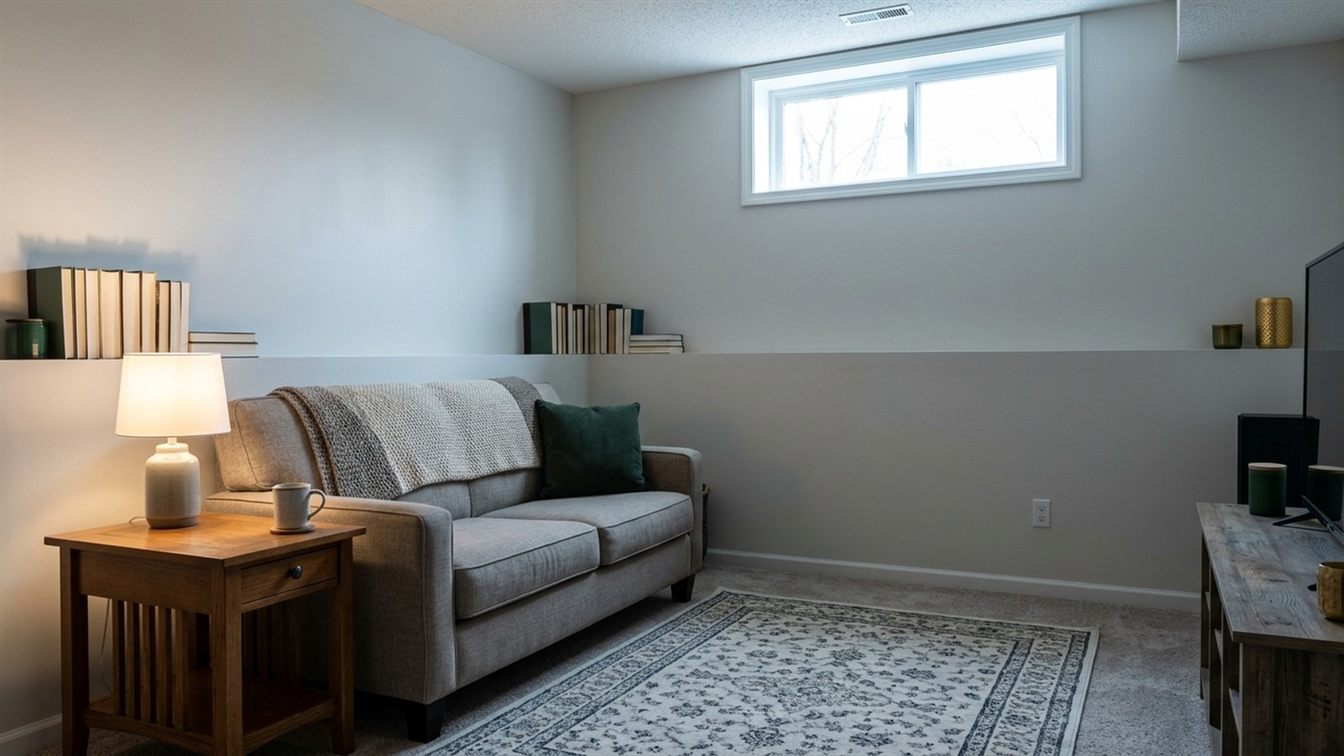
Radon has no symptoms you can feel. It does not cause headaches, nausea or fatigue, and its one established health effect is a higher long-term risk of lung cancer, so testing, not symptoms, is how you find it.
That answer surprises people, because many pages online list “radon symptoms” that the evidence does not support. For homeowners in St. Louis, MO, St. Louis County, St. Charles County, Jefferson County and across the river in Madison and St. Clair counties, it matters: a house can have elevated radon for years without anyone noticing anything.
This guide covers what the EPA, the National Cancer Institute, the World Health Organization and the federal Agency for Toxic Substances and Disease Registry (ATSDR), which publishes through the CDC, actually say: what radon does and does not do to health, how long-term risk works, how to check your house, and what to do if you are worried. It explains the evidence. It is not medical advice, and questions about your own lungs belong with your doctor.
Does radon exposure cause symptoms?
Radon exposure does not cause symptoms. The EPA states it directly on its radon health effects page: “There are no immediate symptoms from exposures to radon.”
The same page sets out what the evidence does show:
- Lung cancer is the only health effect “definitively linked with radon exposure.”
- It appears years later. Lung cancer “would usually occur years (5-25) after exposure.”
- The scale is national, not personal. Radon in indoor air is estimated to cause about 21,000 lung cancer deaths a year in the United States, as of the EPA page updated in August 2026.
Radon cannot be seen, smelled or tasted. The WHO radon fact sheet describes it as a gas “that has no smell, colour or taste.” No sensation tells you it is there, and no feeling tells you it has gone.
What are the first signs of radon poisoning?
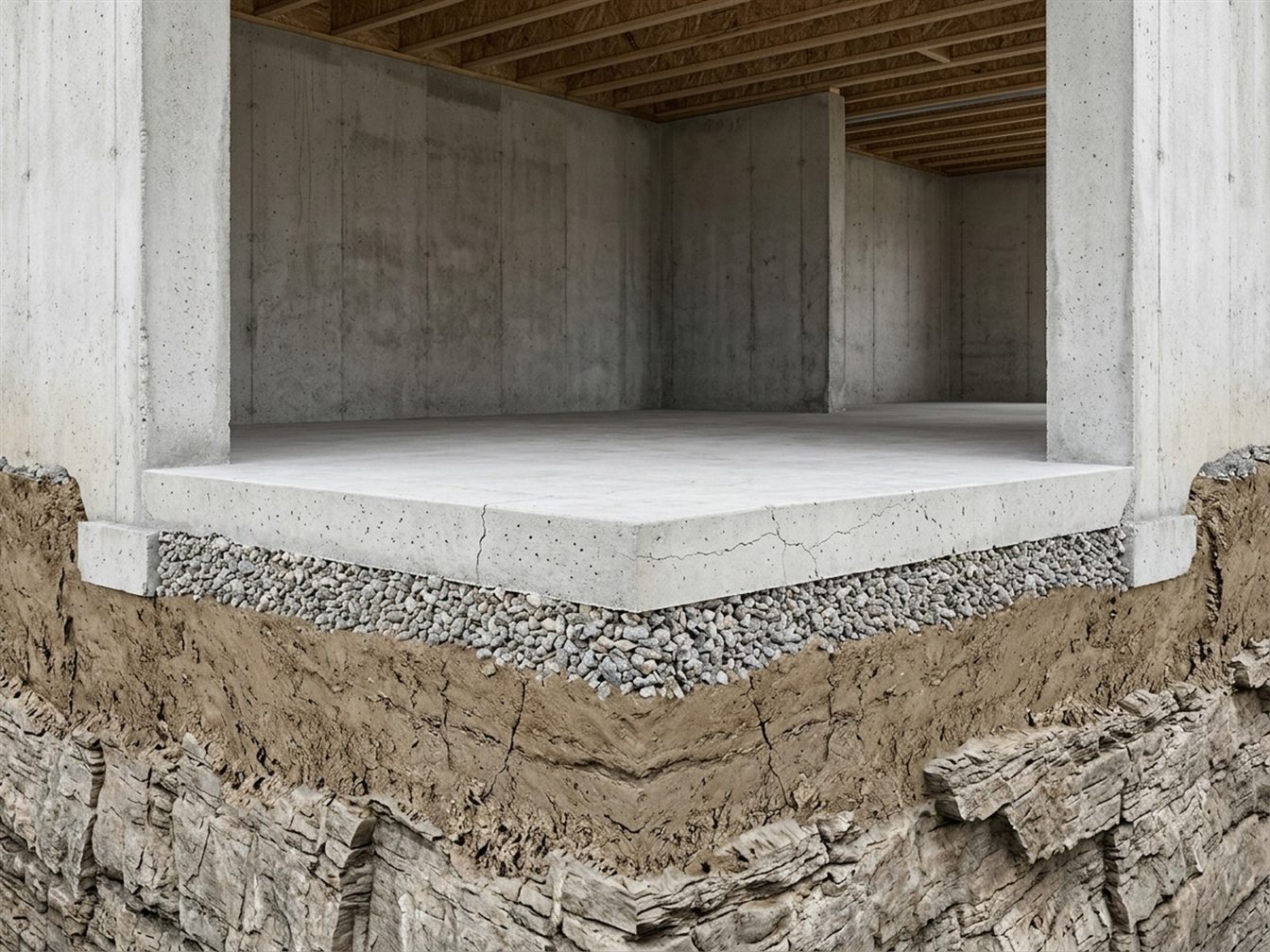
There are no first signs of radon poisoning, because household radon does not poison people in the way the phrase suggests. “Radon poisoning” is a common search term, but it describes something radon does not do at the levels found in homes.
The harm works through radiation, not toxicity. The NCI radon fact sheet explains that radon “decays quickly, giving off tiny radioactive particles,” and that when inhaled, “these radioactive particles can damage the cells that line the lung.” The WHO adds that the particles deposit on the cells lining the airways, “where they can damage DNA and potentially cause lung cancer.”
That process is silent and slow. It produces no reaction at the time of exposure, which is why searching for early warning signs leads nowhere. The useful question is not “what does radon feel like?” but “what is the radon level in my home?”
Can radon cause headaches, fatigue or a cough?
Radon does not cause headaches, fatigue or a cough at the time of exposure. None of the four agencies below lists any of them as a radon effect, and the WHO states that apart from lung cancer, “no other cancer risks or other health effects have been established to date.”
| Commonly searched “symptom” | What the evidence says | Source |
|---|---|---|
| Headaches | Not a radon effect. Radon has “no immediate symptoms” | EPA |
| Fatigue or tiredness | Not a radon effect. No health effect other than lung cancer has been established | WHO |
| Nausea or dizziness | Not a radon effect. Radon has “no immediate symptoms” | EPA |
| Nosebleeds or skin rash | Not a radon effect. No health effect other than lung cancer has been established | WHO |
| Asthma | “No evidence” that asthma or other respiratory diseases are caused by radon | EPA |
| COPD | Falls within EPA’s “other respiratory diseases,” for which there is no evidence of a radon cause | EPA |
| Lung cancer | The one established effect, usually 5 to 25 years after exposure | EPA, NCI, WHO |
A cough, breathlessness or tiredness that worries you is a reason to see a doctor, whatever your radon level. A radon test cannot explain a symptom, and a low result does not rule anything out.
What health problems does radon actually cause?
Radon causes lung cancer, and that is the only health problem firmly linked to it. The EPA’s health risk of radon page calls radon the second leading cause of lung cancer overall and the leading cause among people who have never smoked, responsible for about 21,000 deaths a year, about 2,900 of them among never-smokers.
The other agencies give consistent estimates in their own framing:
- National Cancer Institute: scientists estimate that “15,000 to 22,000 lung cancer deaths in the United States each year are related to radon,” and that more than 10 percent of radon-related cancer deaths occur among nonsmokers.
- World Health Organization: radon is estimated to cause “between 3% to 14% of all lung cancers in a country,” depending on the national average radon level and smoking rates.
- ATSDR: the ATSDR ToxFAQs for radon notes that the Department of Health and Human Services, the International Agency for Research on Cancer and the EPA all “consider radon to be a human carcinogen.”
Why smoking changes the picture
Smoking and radon multiply each other’s risk. The WHO estimates that “smokers are estimated to be 25 times more at risk from radon than non-smokers,” and the NCI notes that the combination “creates a greater risk of lung cancer than exposure to either factor alone.” These are population estimates. They describe groups of people, not what will happen to any one person.
How long does radon exposure take to become dangerous?
There is no number of years after which radon exposure becomes dangerous. Risk builds with both the radon level and the length of time spent breathing it, so no agency publishes a “safe” number of years.
The WHO describes the relationship as linear: lung cancer risk “increases by about 16% per 100 Bq/m3 increase in long time average radon concentration” (100 Bq/m3 is about 2.7 pCi/L). The EPA’s lifetime risk chart, reproduced on its health risk page from A Citizen’s Guide to Radon, puts the same idea in plain numbers:
| Lifetime radon level | Never smoked: about how many of 1,000 could get lung cancer | Smokers: about how many of 1,000 could get lung cancer |
|---|---|---|
| 4 pCi/L (EPA action level) | 7 | 62 |
| 2 pCi/L | 4 | 32 |
| 1.3 pCi/L (U.S. indoor average) | 2 | 20 |
The EPA recommends fixing a home at 4.0 pCi/L or higher and considering a fix between 2.0 and 4.0 pCi/L. The chart describes lifetime exposure across large groups, and the EPA notes that former smokers’ risk may differ. Our guide to what radon level is dangerous walks through how to read a result at each level.
How do you know if your house has radon?
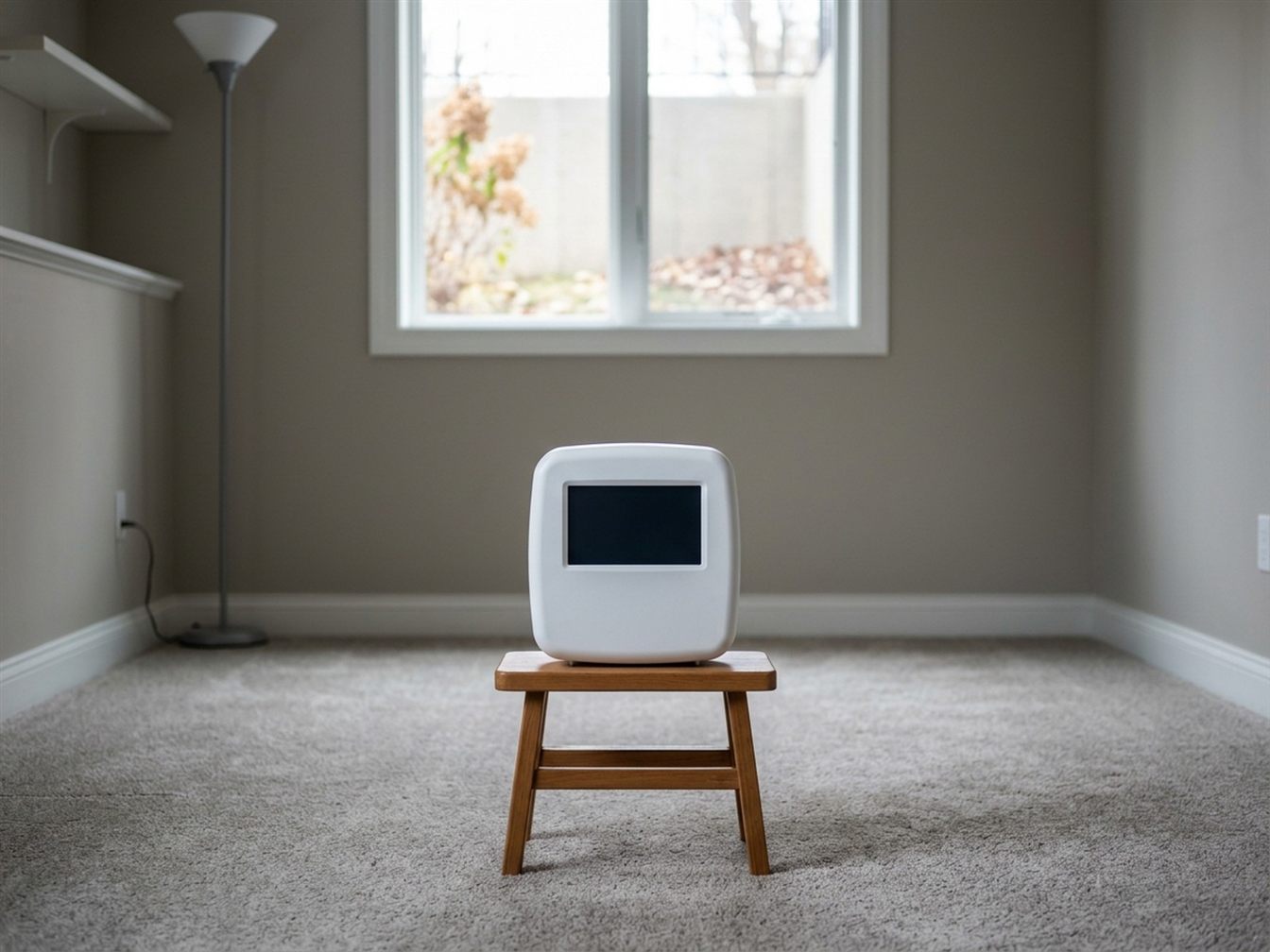
Testing is the only way to know if your house has radon. The NCI states it plainly: “Testing is the only way to know if a person’s home has elevated radon levels.”
Three findings from the NCI fact sheet explain why a test beats any guess:
- Neighbours differ. Homes next door to each other can have different indoor radon levels, “making a neighbor’s test result a poor predictor.”
- Levels move. Rain, snow, barometric pressure and other influences can shift radon “from month to month or day to day.”
- Test length matters. Short-term detectors measure for 2 to 90 days; long-term tests average more than 90 days and are “a better indicator of the average radon level.”
The NCI also estimates that about 1 in 15 U.S. homes has radon at or above the EPA action level of 4.0 pCi/L. The properties of radon gas, from where it comes from to how it enters, explain why it collects in basements and lower floors.
What should you do if you are worried about radon exposure?
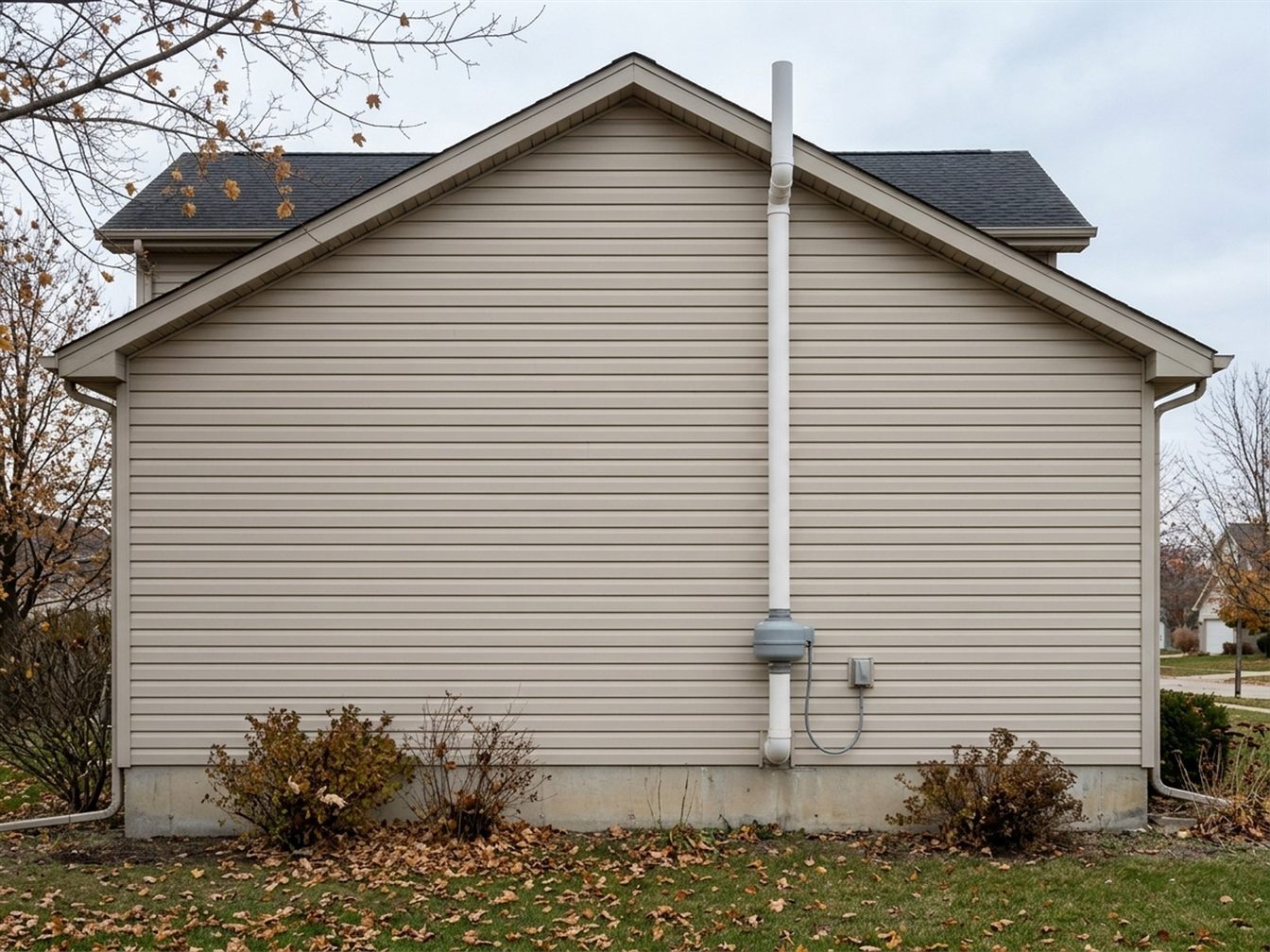
If you are worried about radon exposure, test your home first, because a result turns a vague worry into a number you can act on. From there, the steps follow the agencies’ guidance:
- Test the lowest lived-in level. Use a short-term test for a quick answer or a long-term test for a year-round average. Professional radon testing in St. Louis uses professional-grade continuous monitors that log hourly readings, the device used for real estate testing.
- Act on the number. At 4.0 pCi/L or above, the EPA recommends fixing the home. Between 2.0 and 4.0 pCi/L, it recommends considering a fix.
- Talk to your doctor about lung health. This matters especially if you smoke or used to. The ATSDR notes that radon in body tissue “is not detectable by routine medical testing,” and that radon exposure “is estimated by measuring radon levels in the air.”
- Retest after any fix. A follow-up test confirms the level came down.
Lowering radon reduces exposure, which is what the agencies’ risk estimates are based on. The NCI estimates that lowering radon in U.S. homes above the action level could reduce lung cancer deaths by 2 to 4 percent, or about 5,000 deaths. That is a population figure, and no one can promise what a lower reading means for one person’s health. Air Sense Environmental tests homes across the bi-state metro and designs radon mitigation systems for St. Louis homes when a result calls for one.
Frequently asked questions
Can radon make you sick right away?
No. The EPA states that “there are no immediate symptoms from exposures to radon.” Its one established health effect, lung cancer, usually appears 5 to 25 years after exposure.
Does radon cause COPD or asthma?
No established evidence links radon to COPD or asthma. The EPA states there is “no evidence that other respiratory diseases, such as asthma, are caused by radon exposure.”
Can you smell or see radon?
No. Radon is a gas with no smell, colour or taste, according to the WHO, so a test is the only way to detect it in a home.
Are children more at risk from radon?
The EPA states there is “no evidence that children are at any greater risk of radon induced lung cancer than adults.” The ATSDR notes that children’s smaller lungs and faster breathing may mean a higher lung dose, but limited data have not shown greater susceptibility.
Should I see a doctor about radon exposure?
Yes, if you have concerns about your lungs, and especially if you smoke or used to. A doctor cannot measure past radon exposure, though: the ATSDR notes routine medical tests do not detect it, so a home test is still how to find out what you have been breathing.
Is radon more dangerous for smokers?
Yes. The WHO estimates that smokers are about 25 times more at risk from radon than non-smokers, and the EPA chart puts the lifetime figure at about 62 in 1,000 smokers at 4 pCi/L, against about 7 in 1,000 people who never smoked.
Find out what your home’s radon level is
Symptoms will never tell you, but a test will, usually within a few days. Air Sense Environmental provides radon testing in St. Louis and the Metro East from our Edwardsville base, and explains the result in plain terms, whatever it shows.
Call 314-664-9807 or request a free estimate.