Granite City homeowners dealing with the region’s notorious expansive clay soils and seasonal moisture cycles face a direct threat to their home’s structural integrity. Jake Lusby from Air Sense Environmental, an IEMA-certified radon professional serving Madison and St. Clair counties, sees how Illinois clay soil can shift and retain moisture against foundations, creating conditions that compromise floor joists, support beams, and subflooring within just a few seasons.
What to Do About Crawl Space Structural Protection in Granite City
- Schedule a structural moisture assessment before summer humidity peaks in July and August
- Inspect floor joists for early signs of moisture damage or fungal growth
- Test crawl space humidity levels using a calibrated hygrometer (target below 50%)
- Document any foundation settling or cracking patterns related to clay soil movement
- Remove organic debris and standing water from crawl space areas immediately
- Install temporary dehumidification if relative humidity exceeds 60% consistently
Illinois Clay Soil Foundation Issues Drive Structural Damage
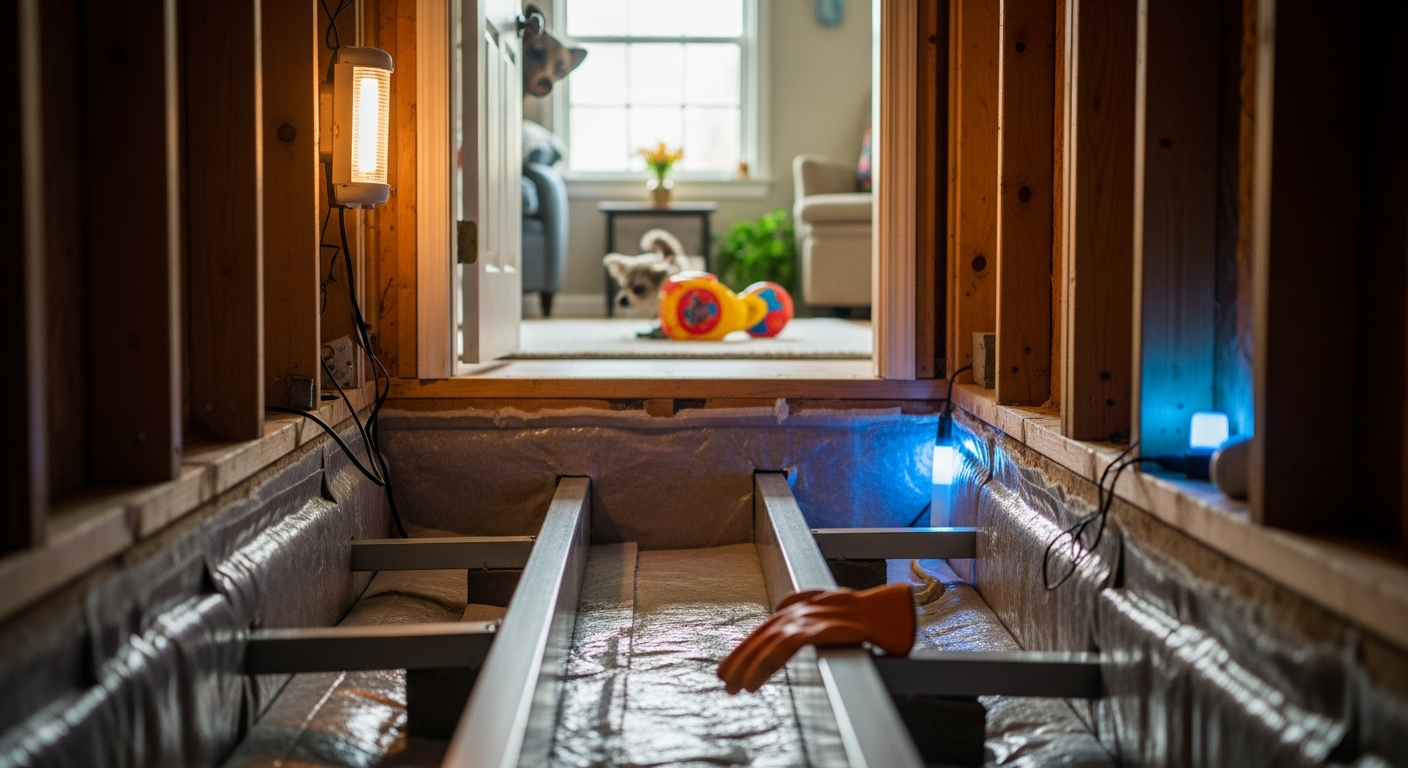
Granite City sits on Menfro silt loam and similar clay-rich soils that expand when wet and contract during dry periods. According to USGS soil survey data, this soil type exerts lateral pressures exceeding 4,000 pounds per square foot against foundation walls during expansion cycles. The structural engineering principle involves hydrostatic pressure combined with differential settlement – as clay soils shift, they create uneven loading on foundation elements and allow moisture pathways that directly attack wooden structural components.
Wood moisture content above 19% triggers fungal decay in floor joists and support beams. The Illinois Department of Public Health notes that untreated moisture infiltration reduces load-bearing capacity of structural lumber by 30-50% within two years. Crawl space encapsulation becomes essential because it addresses both the moisture source and creates a controlled environment that maintains wood moisture content below the decay threshold.
Summer Humidity Crawl Space Damage Patterns
St. Louis metro area summers average 75% relative humidity, with Granite City experiencing similar conditions due to its proximity to the Mississippi River. NOAA climate data shows July dewpoints regularly reach 70-72°F, creating ideal conditions for condensation in cool crawl spaces. This summer humidity crawl space damage follows predictable patterns: morning condensation on metal ductwork drips onto wooden subflooring, afternoon thermal cycling drives moisture into floor joist connections, and evening temperature drops create sustained high humidity that prevents drying.
The structural damage sequence starts with surface moisture on wood members, progresses to fiber saturation, and culminates in fungal colonization that breaks down lignin and cellulose. Engineering studies show that floor systems lose 15% of their stiffness when wood moisture content rises from 12% to 19%. In Granite City’s clay soil conditions, this moisture infiltration happens faster because hydrostatic pressure forces groundwater through foundation cracks and joints.
Jake Lusby encounters this progression regularly in Edwardsville, Glen Carbon, and surrounding Madison County communities where similar soil and climate conditions exist. The Granite City crawl space moisture solutions his team implements create vapor barriers that interrupt this moisture cycle at the source.
Warning Signs of Crawl Space Structural Compromise
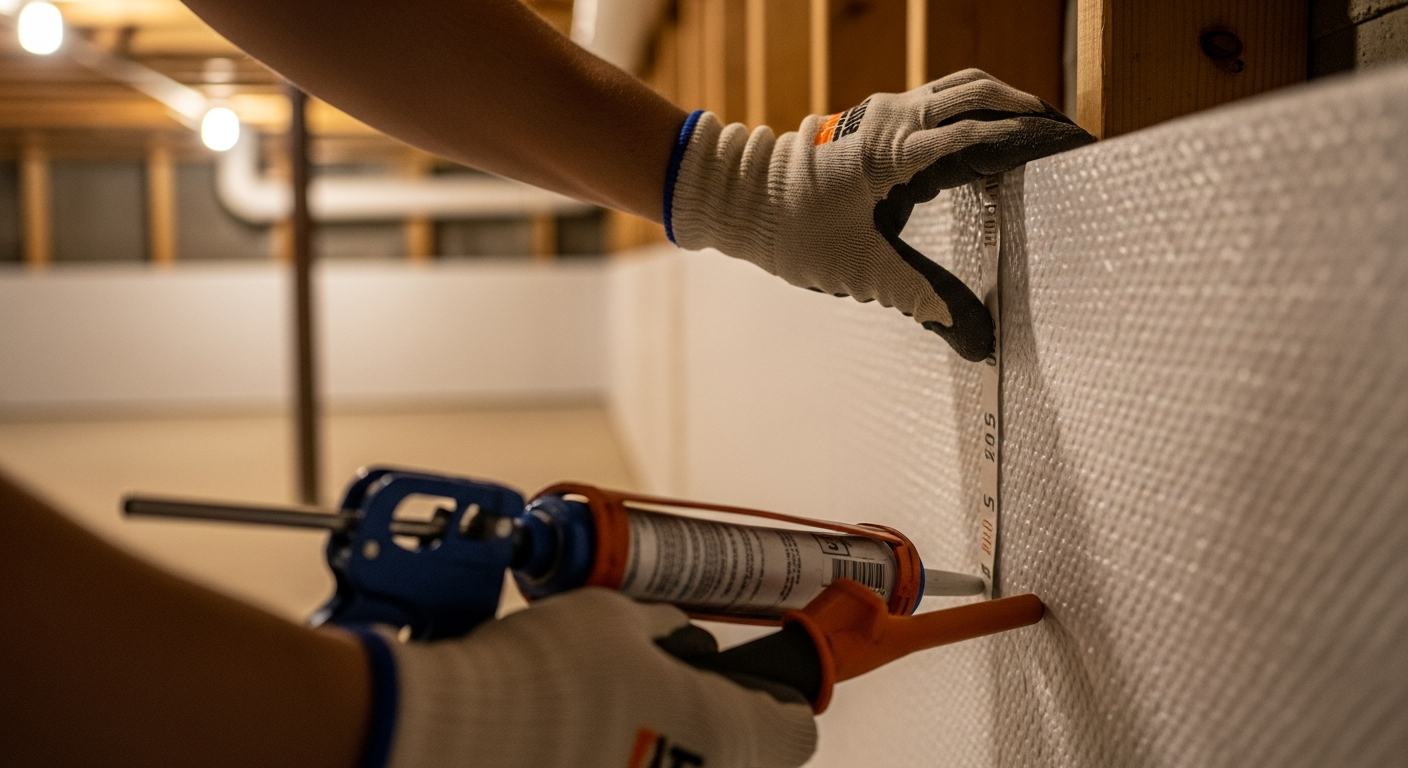
Floor deflection when walking across rooms indicates potential joist weakening from moisture exposure. You’ll notice soft spots in hardwood flooring, particularly near exterior walls where foundation moisture infiltration occurs first. Musty odors rising through floor gaps signal active fungal growth on structural wood members – a clear indicator that load-bearing capacity may be compromised.
Visual inspection reveals white fungal growth on floor joists, dark staining on subflooring edges, and rust on metal joist hangers. Foundation settling creates new cracks in basement or crawl space walls, often following mortar joints in block construction typical of Granite City area homes built between 1950-1980. These homes used dimensional lumber floor systems that are particularly vulnerable to moisture-related structural degradation.
Proactive Crawl Space Repair Granite City Process
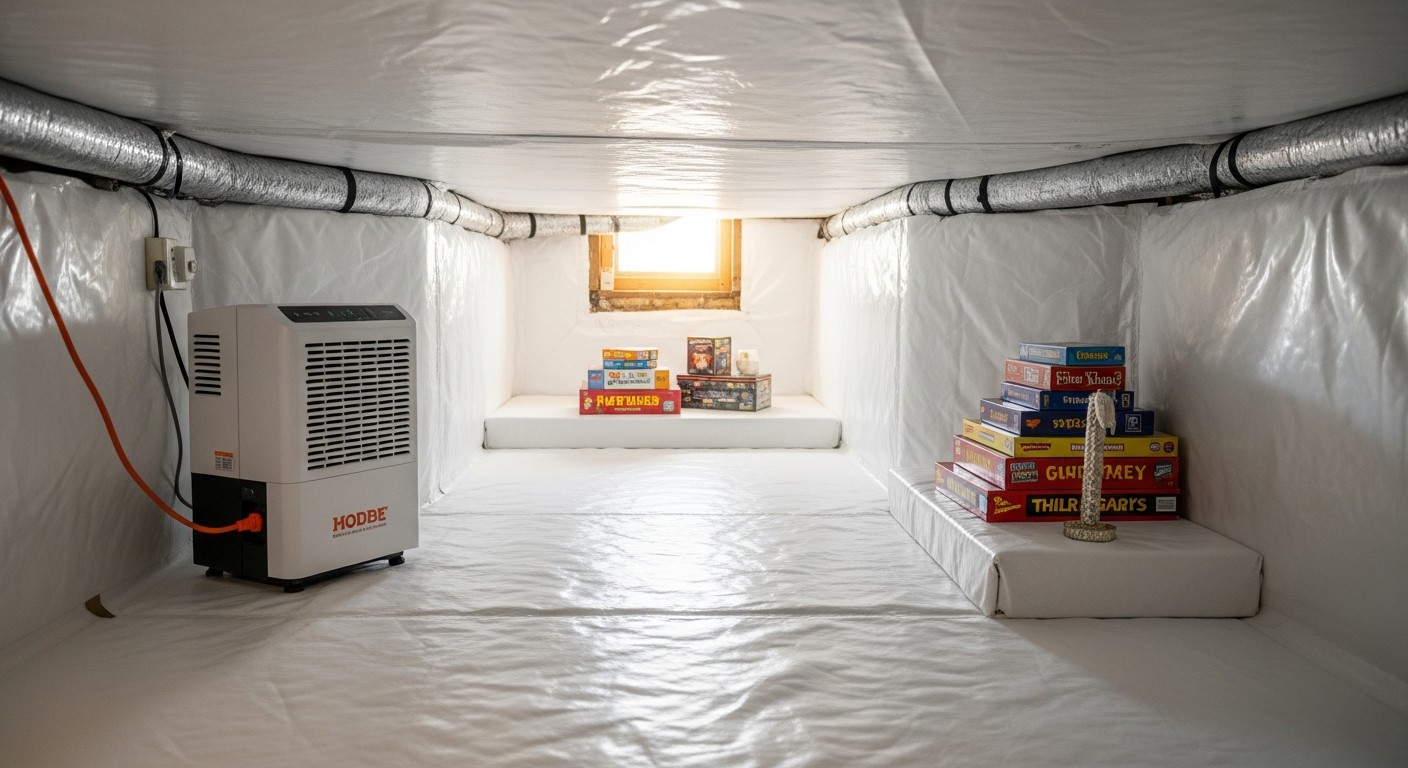
Air Sense Environmental’s approach to crawl space encapsulation structural protection starts with structural moisture mapping using calibrated hygrometers and infrared thermal imaging to identify active moisture sources. Jake Lusby’s NRPP certification and IEMA licensing provide the technical expertise to assess both immediate structural risks and long-term environmental factors that threaten foundation integrity.
Their encapsulation process involves installing 12-mil polyethylene vapor barriers across crawl space floors and walls, sealed at all penetrations with polyurethane adhesive. Aprilaire dehumidification systems maintain relative humidity below 50% year-round, preventing the moisture conditions that enable wood decay fungi. Strategic ventilation modifications eliminate thermal cycling that drives condensation while maintaining the controlled environment necessary for structural preservation.
One Granite City homeowner Jake worked with had floor joists showing early fungal staining after just three years in a home built on expansive clay. The encapsulation system reduced crawl space humidity from 78% to 42% within 48 hours of installation, halting the decay process and preserving the floor system’s structural integrity. Post-installation monitoring showed wood moisture content stabilized at 14% – well below the 19% threshold for fungal activity.
Wood Rot Prevention Crawl Space Illinois Standards
Illinois building codes don’t specifically mandate crawl space moisture control, but structural engineers recognize that wood moisture content above 19% violates the load-bearing assumptions used in residential design. The International Residential Code requires wood structural members to remain below fiber saturation to maintain rated load capacity.
Wood rot prevention crawl space Illinois strategies must account for the state’s clay soil conditions and humid continental climate. Engineering analysis shows that encapsulated crawl spaces maintain wood moisture content 3-5 percentage points lower than vented spaces, providing a critical safety margin that preserves structural integrity over decades rather than years.
Air Sense Environmental’s approach integrates with their broader indoor air quality expertise, addressing the interconnected relationship between moisture control, structural preservation, and radon mitigation. Their work in Madison County communities demonstrates how proper encapsulation prevents both immediate structural damage and long-term foundation settlement issues.
The cost-benefit analysis for structural preservation shows dramatic savings. Foundation repair contractors in the St. Louis metro typically charge $15,000-25,000 for joist replacement and foundation stabilization. Professional proactive crawl space repair Granite City through encapsulation costs $3,000-6,000 but prevents the structural damage that requires these major repairs.
For Granite City homeowners, crawl space encapsulation represents essential structural insurance against Illinois clay soil movement and seasonal moisture cycles. Air Sense Environmental’s comprehensive approach addresses both immediate moisture threats and long-term structural preservation, backed by Jake Lusby’s technical expertise and their proven track record across Madison and St. Clair counties.
Contact Air Sense Environmental for a structural moisture assessment that evaluates your crawl space’s current condition and develops a customized protection strategy. Their water remediation expertise ensures comprehensive moisture control that preserves your home’s structural integrity for decades.
Frequently Asked Questions
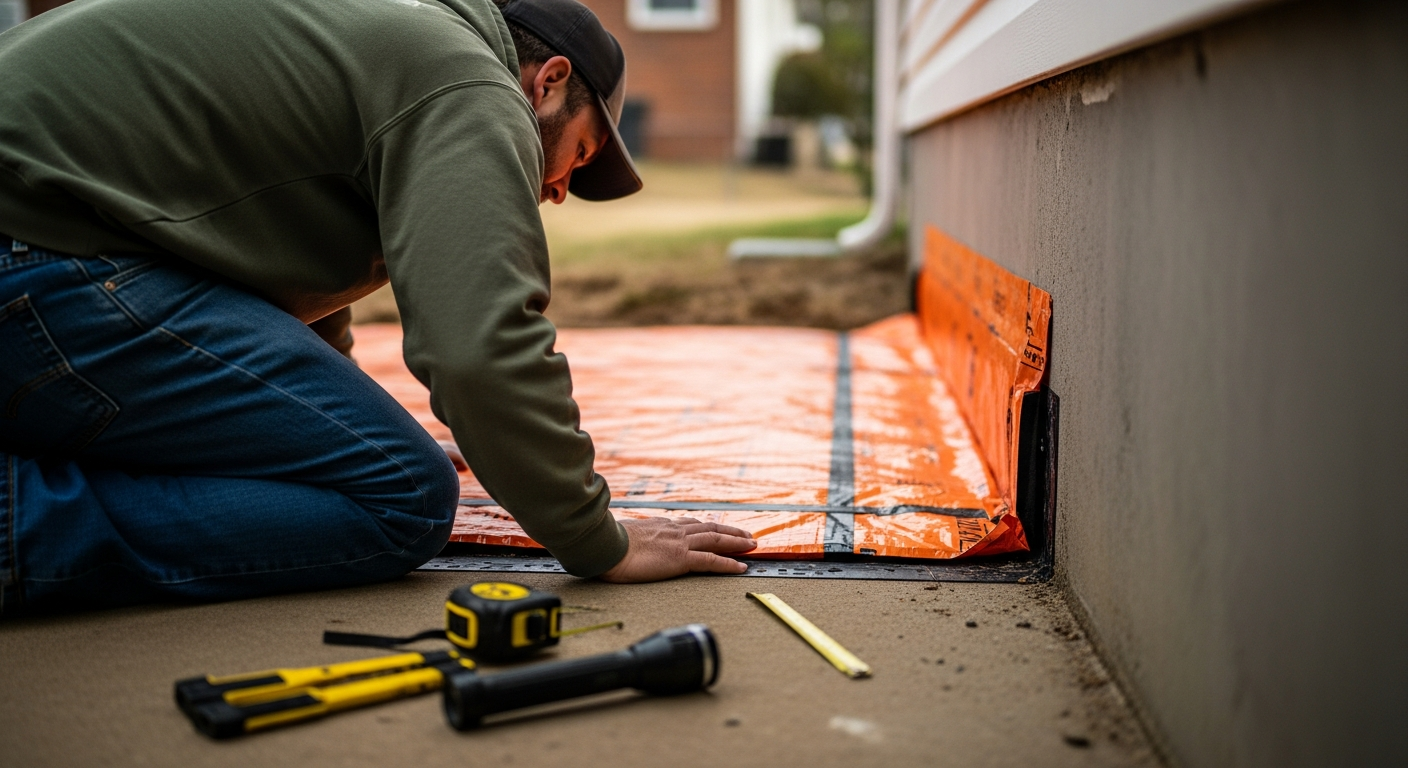
How does crawl space encapsulation specifically protect against structural damage in Granite City’s clay soil conditions?
Encapsulation creates a moisture barrier that prevents hydrostatic pressure from clay soil expansion from driving water into wooden structural members. By maintaining wood moisture content below 19%, encapsulation prevents fungal decay that can reduce floor joist load-bearing capacity by 30-50% within two years. The controlled environment eliminates the wet-dry cycles that cause Illinois clay soils to shift against foundations.
What structural warranty coverage does Air Sense Environmental provide with crawl space encapsulation?
Air Sense Environmental backs their encapsulation work with performance guarantees that maintain crawl space humidity below 50% relative humidity. While they don’t provide structural engineering warranties, their moisture control systems preserve the conditions necessary for wooden structural members to maintain their rated load capacity according to International Residential Code standards.
How much can proper crawl space encapsulation save compared to major structural repairs in the Granite City area?
Foundation contractors in Madison County typically charge $15,000-25,000 for floor joist replacement and foundation stabilization caused by moisture damage. Professional crawl space encapsulation costs $3,000-6,000, providing an 80% cost savings while preventing the structural deterioration that requires these expensive repairs. The investment pays for itself by preserving the home’s load-bearing systems.