
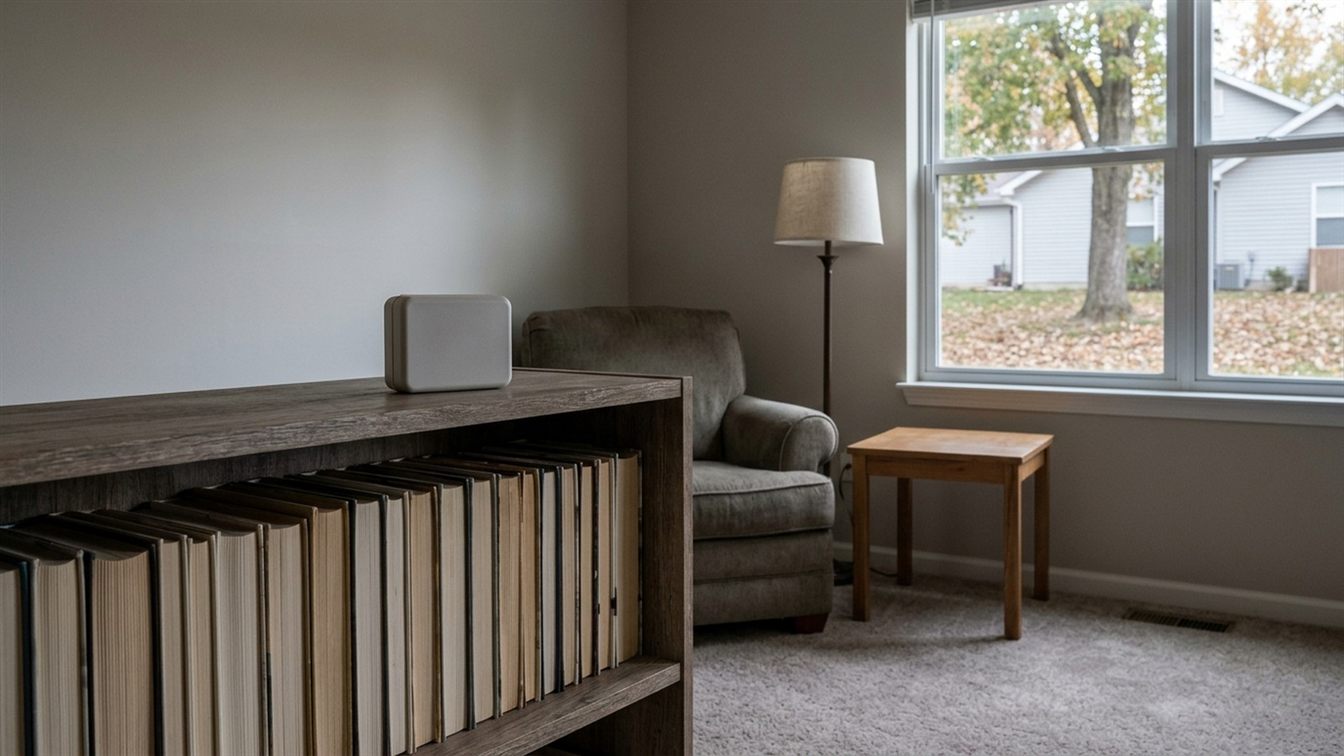
The EPA recommends retesting your home for radon at least every two years, and sooner than that any time the building changes, the heating system changes, or you start spending time on a lower floor. One test is a snapshot. Radon is a moving number, and the things that move it are the same things homeowners do all the time.
If you live in St. Louis, MO, or anywhere across St. Louis County, St. Charles County, Jefferson County, or the Madison and St. Clair County side of the river, this matters more than it does in most of the country. Much of the bi-state metro sits in the EPA’s higher radon-potential zones, and a result that was fine in 2022 tells you very little about the house you are living in now.
This guide covers the baseline schedule, the seven events that should trigger a retest regardless of the calendar, what changes once you have a mitigation system, and how to keep a record that is actually useful when you sell.
How often does the EPA say to test for radon?
At least every two years. That is the standing recommendation in A Citizen’s Guide to Radon, and the EPA repeats it for homes that already have a mitigation system: “it is a good idea to retest your home at least every two years to be sure radon levels remain low.”
The action level has not moved. The EPA recommends fixing a home at 4 pCi/L or higher, and considering a fix between 2 and 4 pCi/L, because there is no known safe level of radon exposure. For scale, the EPA puts the average indoor level at about 1.3 pCi/L and the average outdoor level at about 0.4 pCi/L.
Two years is the floor, not the ceiling. It exists because radon concentrations drift with soil moisture, frost depth, barometric pressure, how tight the house is, and how the mechanical systems move air. None of those hold still for two years in a Missouri or Illinois climate.
What should the testing schedule actually look like?
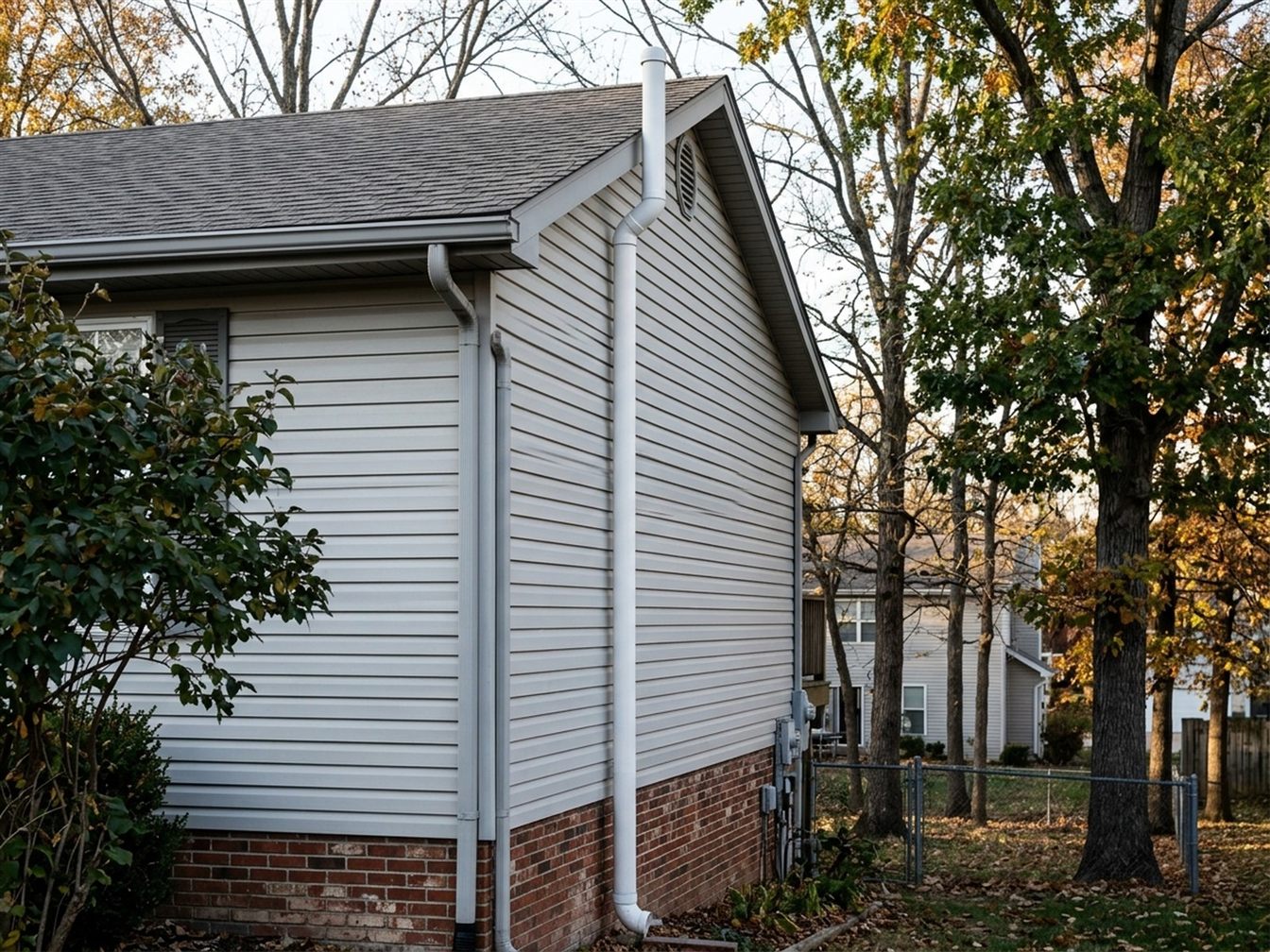
| Situation | When to test | Which test |
|---|---|---|
| Never tested | Now, this heating season | Short-term test, then follow up per EPA’s three-step protocol |
| Last result below 4.0 pCi/L | At least every two years | Short-term or long-term |
| Last result between 2.0 and 4.0 pCi/L | Every two years, and consider a long-term test for a year-round average | Long-term preferred |
| Mitigation system installed | Within 30 days of install, then at least every two years | Short-term, two to seven days |
| Finished a basement or added a room | After construction, in the lowest lived-in area | Short-term |
| Replaced the furnace, added a whole-house fan, or air-sealed the house | After the work, during heating season | Short-term |
| Started sleeping or working on a lower floor | On that level, before you settle in | Short-term, then long-term |
| Listing the home | Before you list, so you control the timing | Short-term, and keep the report |
What events should trigger a retest before two years are up?
Seven, and most of them are ordinary home-improvement decisions rather than emergencies.
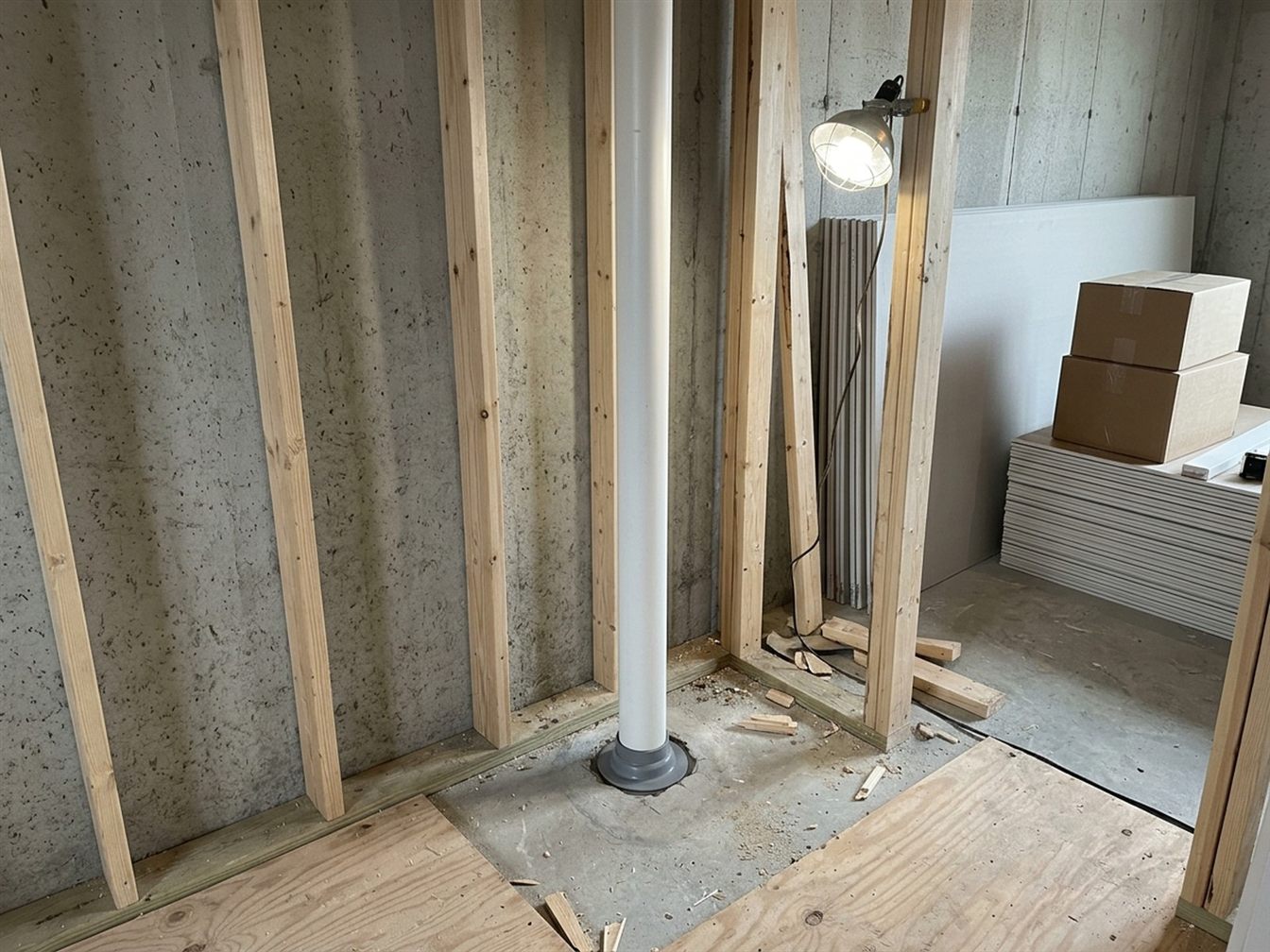
You finished a basement or added living space. The EPA is explicit about this in A Consumer’s Guide to Radon Reduction: after you remodel, retest in the lowest lived-in area to make sure the construction did not reduce the effectiveness of an existing radon reduction system. Cutting a slab, moving a sump, or adding a foundation for an addition can all change how soil gas moves.
You changed the heating or ventilation system. A new furnace, a new water heater, a bath or kitchen exhaust upgrade, a whole-house fan, or a sealed combustion swap all change the pressure relationship between the house and the ground underneath it. More depressurization means more soil gas drawn in.
You air-sealed or insulated. Weatherization is worth doing. It also reduces the natural air exchange that used to dilute whatever radon was entering, so a house that measured 3.2 pCi/L before new windows and attic insulation is not guaranteed to measure 3.2 pCi/L after.
Your living patterns moved downward. The EPA’s guidance is direct here: if you begin occupying a lower level of your home, such as a basement, retest on that level. A teenager moving into a basement bedroom or a home office relocating to the lower level changes who is exposed and for how long.
The foundation moved or cracked. New settlement cracks, a repaired or replaced sump pit, or foundation waterproofing work all open or close entry routes. Our overview of how foundation cracks let radon into St. Louis homes covers why sealing alone is not a fix.
There was flooding or major soil disturbance nearby. Excavation next door, utility trenching, or a season of saturated ground can change the path of least resistance for soil gas.
You are buying or selling. A buyer may reasonably ask for a new test if the last one is not recent, if the home has been altered since, or if they plan to live on a lower level than the one tested. That is the EPA’s own list of conditions in the Home Buyer’s and Seller’s Guide, summarized on its retest guidance page.
Does a radon mitigation system mean you can stop testing?
No. A mitigation system reduces radon. Testing is how you confirm it is still doing so.
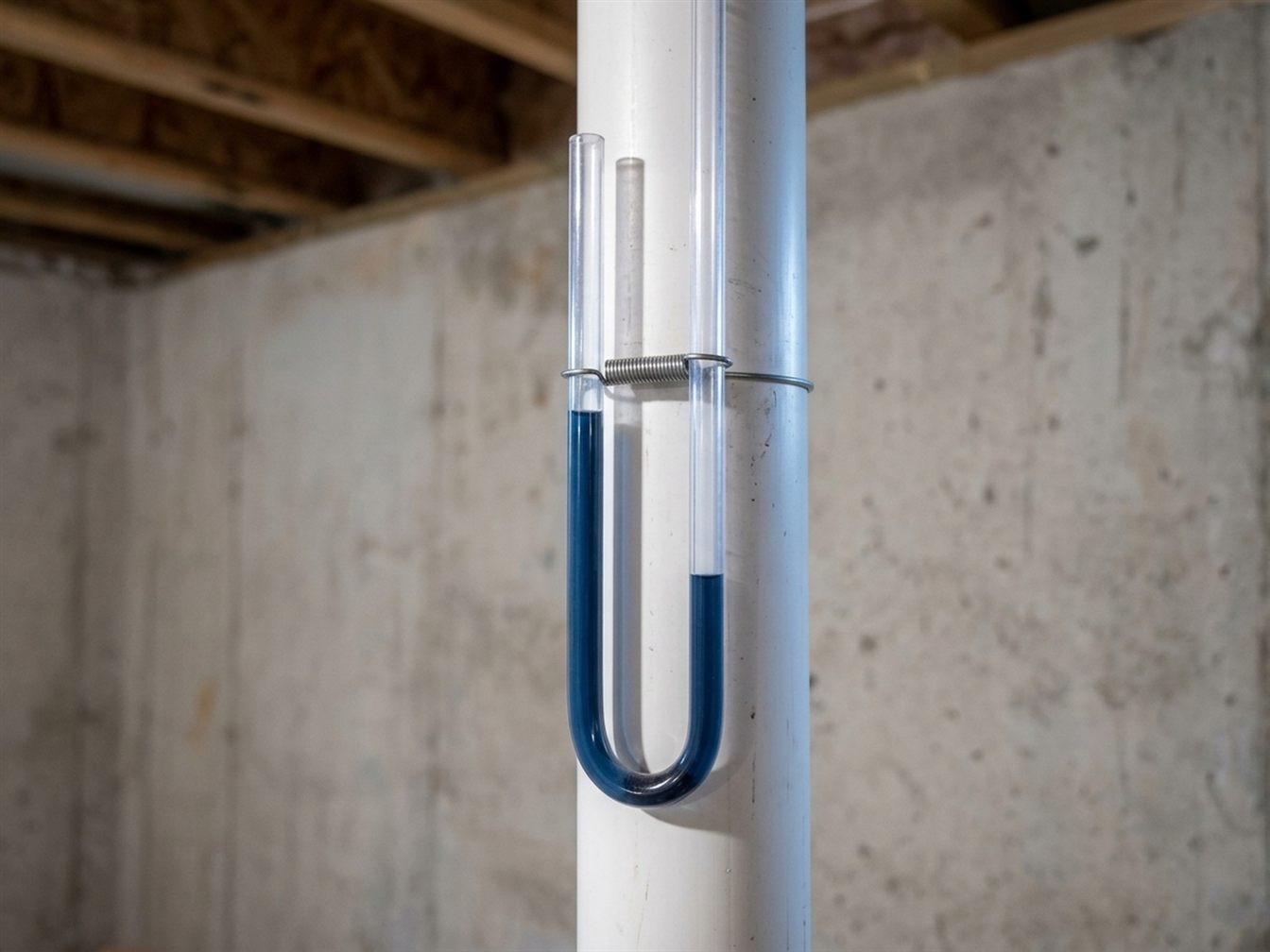
An active soil-suction system depends on a fan running continuously, a sealed suction point, and an unobstructed vent path. Any of those can degrade quietly. The manometer on the pipe tells you the fan is moving air, but it does not tell you the concentration inside the house has stayed below 4.0 pCi/L. Only a test does that.
The EPA’s schedule for a mitigated home is a post-mitigation test within 30 days of installation, done no sooner than 24 hours after the fan starts, then a retest at least every two years. Our guide to post-mitigation radon testing walks through the measurement conditions and what to check between tests.
No mitigation contractor can promise a specific post-installation number. What a properly designed and verified system does is bring levels down and keep them down, and the retest is the evidence.
Is winter the right time to test?
Heating season is when a short-term test is most likely to show the worst case, which is exactly what you want to know. Cold outdoor air, a running furnace, and a closed house all strengthen the stack effect that draws soil gas through the slab.
That does not mean a summer test is useless. It means a summer result near the action level deserves a winter confirmation. We cover the seasonal swing in detail in radon levels: winter vs. summer.
Test conditions matter more than the month. For a short-term test of two or three days, the EPA says close windows and outside doors at least 12 hours before the test begins and keep them closed through it, and avoid running the test during unusually severe storms or unusually high winds.
What kind of test should you use each time?
| Test type | Duration | Best for | Limitation |
|---|---|---|---|
| Short-term (charcoal or alpha track) | 2 to 7 days | First screen, post-mitigation check, real estate timelines | Single snapshot, sensitive to weather and closed-house compliance |
| Long-term | 90 days or more | Year-round average, borderline results between 2 and 4 pCi/L | Too slow for a transaction |
| Continuous monitor, professional grade | 48 hours plus | Real estate testing, tamper detection, hourly detail | Requires a licensed or certified measurement professional |
| Consumer digital monitor | Continuous | Ongoing awareness between formal tests | Not a substitute for a lab-analysed or professional test |
The EPA’s three-step protocol is worth following on a first test: take a short-term test, and if the result is 4 pCi/L or higher, follow up with either a long-term test or a second short-term test before deciding. Our breakdown of how long you should test for radon explains when each duration is the right call.
Where can Missouri and Illinois homeowners get a test kit?
Both states run their own radon programs, and both make testing inexpensive.
Missouri residents can request a free radon test kit, limited to one per household, through the Missouri Department of Health and Senior Services radon program. DHSS states plainly that if the result is above 4.0 pCi/L, take action to lower the concentration.
Illinois homeowners can use the IEMA-OHS radon program, which publishes a low-cost test kit list, an interactive radon map by county and zip code, and the public list of licensed measurement and mitigation professionals. IEMA-OHS is direct about the map’s limits: elevated levels have been found throughout Illinois, and all homes should be tested regardless of location.
For a real estate transaction, or any result you need to stand up to scrutiny, use a professional. The EPA points homeowners to the two private national proficiency programs, NRPP and NRSB, and Illinois additionally requires a state licence to perform measurement or mitigation for a fee.
Frequently asked questions
How often should you test for radon?
At least every two years, per the EPA, and sooner after any remodel, HVAC change, foundation work, or move to a lower living level. A home that has never been tested should be tested now.
Do you have to test for radon every year?
No. Annual testing is not required, though it is reasonable if a previous result sat close to the 4.0 pCi/L EPA action level or if the house has an active mitigation system you want to watch closely.
Should you retest for radon after finishing a basement?
Yes. Finishing a basement changes both the construction and where people spend time, and the EPA specifically advises retesting in the lowest lived-in area after remodeling.
Does a new furnace change radon levels?
It can. Any change to how the house moves air alters the pressure difference between the interior and the soil beneath it, which is the force that pulls radon in. Retest during the first heating season after the work.
How long after mitigation should you retest?
Within 30 days of installation, and no sooner than 24 hours after the fan begins running, then at least every two years afterward.
Is one high radon test enough to justify mitigation?
Not usually on its own. The EPA recommends confirming a short-term result of 4 pCi/L or higher with a follow-up test, unless the first result is more than twice the action level, in which case a second short-term test should be done immediately.
Schedule your next radon test
If it has been more than two years, or if your house has changed since the last one, the test is the cheap part. Air Sense Environmental provides radon testing and radon mitigation across the greater St. Louis metro, on both sides of the river, from our Edwardsville base.
Call 314-664-9807 or request a free estimate and we will get you on the schedule before the heating season is fully underway.