
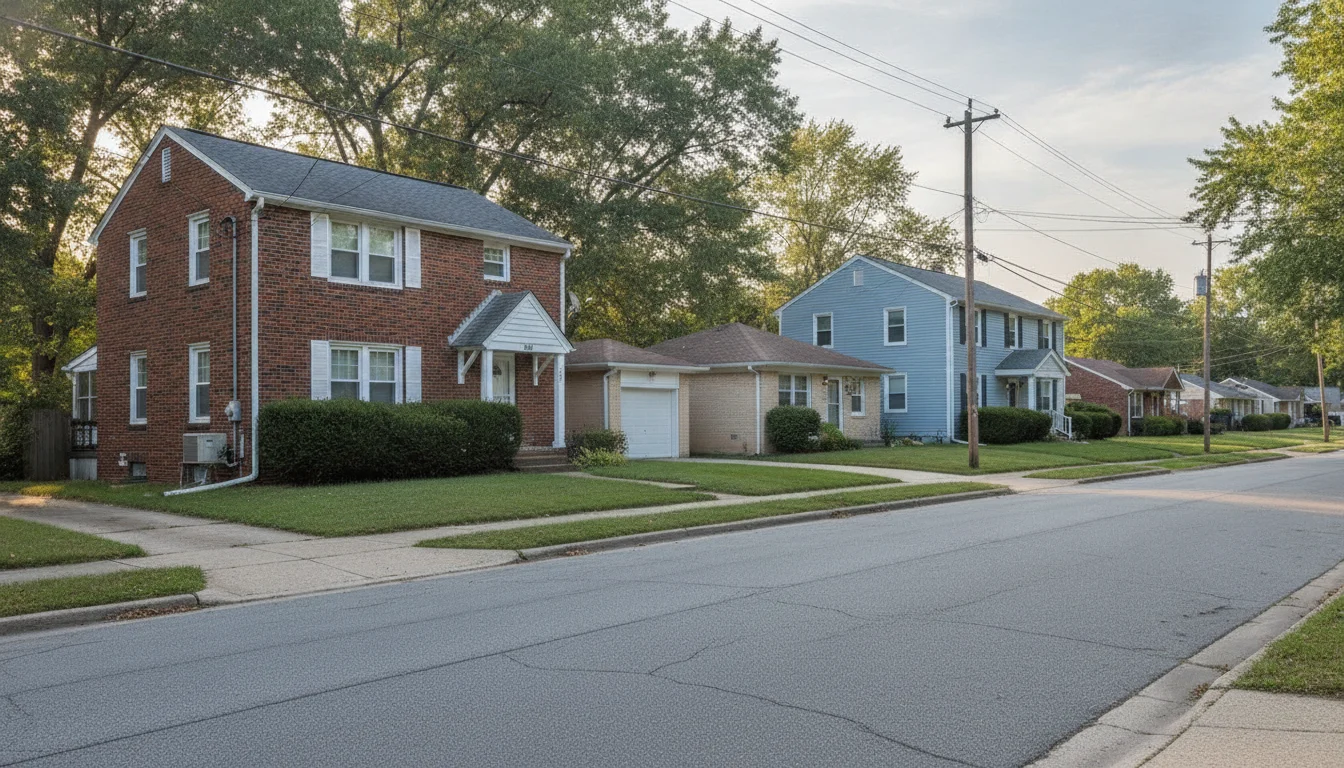
Which types of homes are more likely to have radon? Homes built over uranium-bearing soil have more radon, regardless of the home’s age, size, or foundation. Basement homes, slab homes, and crawl space homes all appear among high-radon homes. In the St. Louis metro roughly 4 in 10 homes test above 4.0 pCi/L, so the types of homes that have radon here include most kinds of homes. Certain features raise the odds, including a basement in daily use, an open sump pit, and exposed crawl space soil, but none of them rules a home out.
Do older homes have more radon than newer ones?
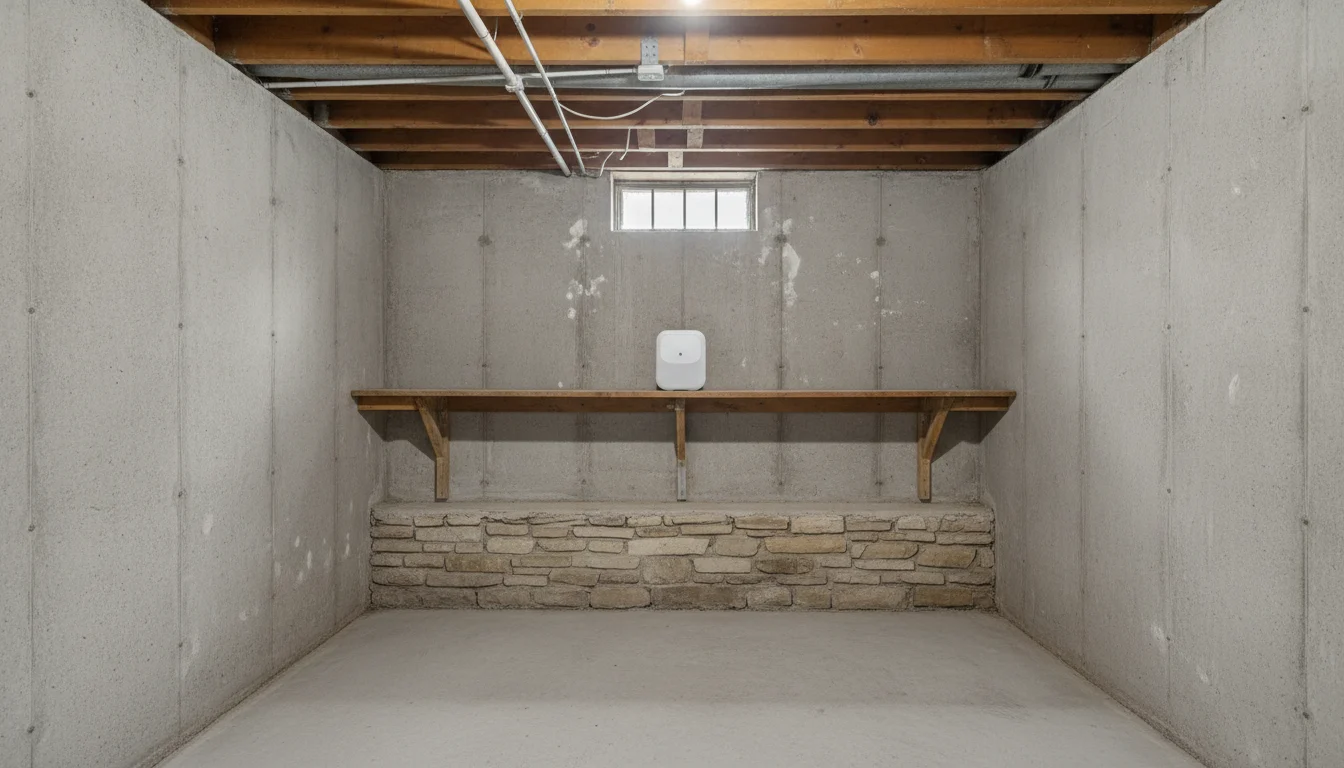
Older homes do not automatically have more radon than newer ones, and age is one of the weakest predictors there is. An older house may have more settlement cracks and more gaps around service pipes, which are common entry points, but entry points alone do not create radon. The gas has to be in the soil first.
New construction has its own considerations. Tighter building envelopes hold conditioned air in, and they can hold radon in along with it. Passive radon systems roughed into new builds are also sometimes left unfinished, so the pipe is there but nothing is actively pulling soil gas away from the house.
Our look at radon in modern construction covers this in more depth. A home built last year and one built in 1955 need the same thing: a measurement.
Does foundation type matter: basement, slab, or crawl space?
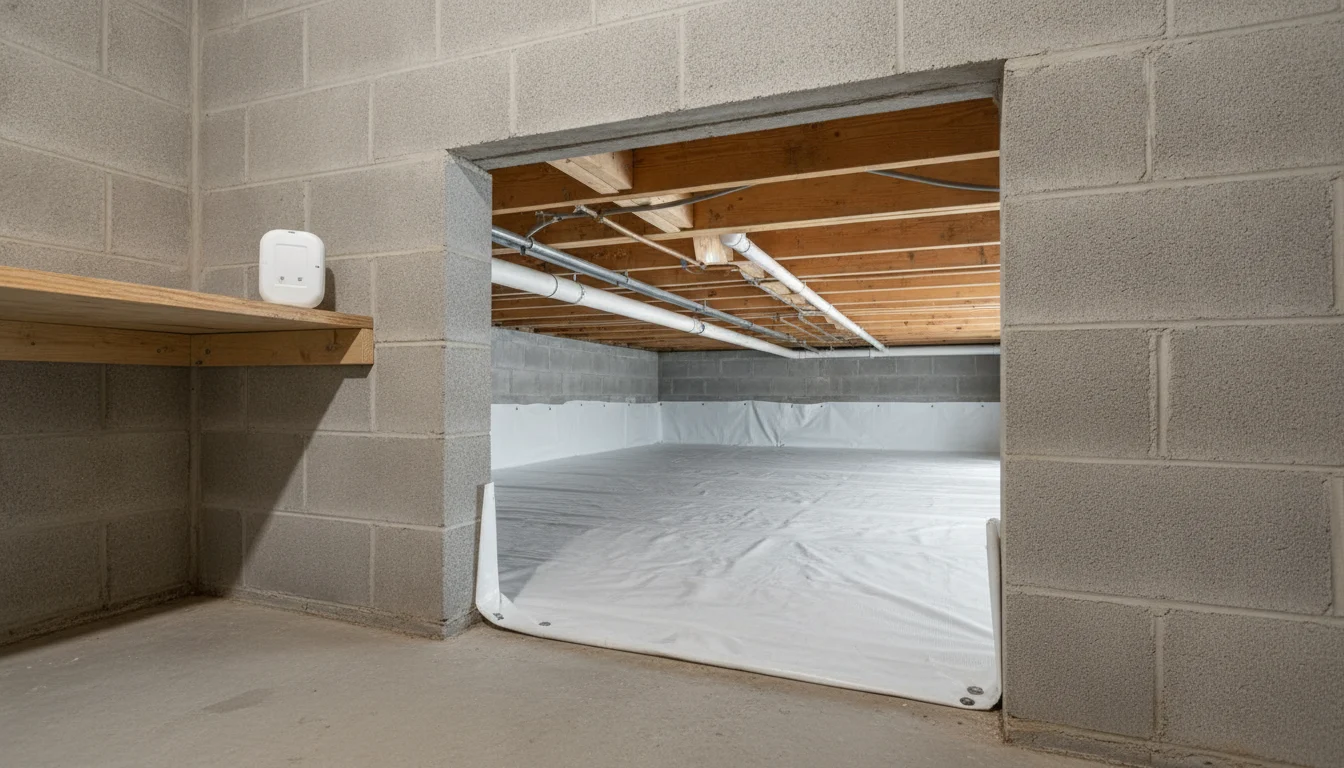
Foundation type changes how radon gets in and where it collects, but it does not decide whether radon is present. Every foundation style in the St. Louis area sits directly on soil, and every one of them has openings.
- Basements have the most surface area in contact with soil, plus slab cracks, the floor-to-wall joint, open sump pits, and gaps around service pipes. Elevated readings here are common, and a basement radon mitigation system is the usual fix.
- Slab-on-grade homes have no basement to collect gas, which leads many owners to assume they are safe. Radon still enters through cracks and pipe penetrations, and it enters directly into living space rather than into a level below it.
- Crawl spaces often have exposed soil, which is the most direct path of all. Sealing and crawl space encapsulation is frequently part of the solution.
Foundation type tells us how to design a system, not whether you need one.
Does a well sealed or energy efficient home have more radon?
A well sealed home can hold radon at higher concentrations, though it does not produce any more of it. When a house exchanges less air with the outdoors, whatever soil gas enters has fewer ways to dilute or leave.
This is part of why readings usually run higher in winter, when the house is closed up and heating creates pressure differences that draw soil gas upward. Levels can change noticeably between seasons, so timing matters when you read a result.
Does my neighbor’s radon test tell me anything about my house?
Your neighbor’s result tells you almost nothing about your own home. Soil composition, moisture, and rock content vary over short distances, and so do foundation condition and how the HVAC system moves air.
Several things differ from one lot to the next:
- Soil composition, including how much uranium-bearing rock sits beneath each lot
- Soil moisture, which shifts with the season and with drainage
- Foundation condition, including settlement cracks and the floor-to-wall joint
- Whether a sump pit is open or sealed
- How the heating and cooling system moves air through the house
Two houses built by the same builder in the same year can test far apart. A low reading next door is not a reason to skip testing, and a high reading next door is not proof that you have a problem.
Which St. Louis area homes are most at risk?
All of them carry meaningful odds, because the St. Louis metro sits in the EPA’s highest-risk radon zone on both the Missouri and Illinois sides of the river. Roughly 4 in 10 homes in this area test above the EPA action level of 4.0 pCi/L.
These factors raise the odds, though none of them rules a home in or out:
- A basement or lowest level that gets used regularly
- An open sump pit, floor drain, or visible slab cracks
- A crawl space with exposed soil
- A tightly sealed building envelope that holds gas inside
- A previous reading above 2.0 pCi/L, or no test on record at all
That is a regional soil and geology story, not a neighborhood story. You can read more about how location factors into exposure in our overview of regional radon risks, and about what different readings mean in our explanation of a dangerous radon level in pCi/L.
Can any home be ruled out for radon without testing?
No home can be ruled out without a test, and that is the single most useful thing to know about this topic. Radon has no smell, no color, and no taste, so nothing about how a house looks, smells, or feels indicates the level inside it.
Here is how the common assumptions compare with what is actually true.
| Factor | Common assumption | What is actually true |
|---|---|---|
| House age | Old homes have radon, new homes do not | Age does not determine radon. New homes can hold it in more tightly, and passive systems are sometimes left unfinished. |
| Foundation type | Only homes with basements are affected | Slab and crawl space homes test high regularly. Foundation type shapes the system design, not the risk. |
| Neighbor’s result | A low reading next door means my home is fine | Soil varies house to house. Identical homes side by side can test very differently. |
| Energy efficiency | A tight, modern home keeps radon out | A tight envelope reduces air exchange, so radon that enters can concentrate rather than dilute. |
| Finished basement | Finishing work seals the floor | Finishes cover entry points without closing them. Cracks, joints, and sump pits stay open behind the drywall. |
Frequently Asked Questions About Which Homes Get Radon
These are the questions homeowners ask most often about which homes get radon, covering house age, foundation type, neighboring results, and whether any home can be ruled out.
Do all homes have radon?
Nearly all homes have radon at some measurable level, because radon is produced naturally in soil everywhere. What separates homes is concentration: some homes have radon well below 2.0 pCi/L while other homes have radon above the 4.0 pCi/L action level, and only a test tells you which kind of home you own.
Does the age of a house affect radon levels?
House age is not a reliable indicator of radon levels. Older homes may have more cracks and pipe gaps, while newer homes have tighter envelopes that hold soil gas inside. Homes of every age in this area test both above and below the action level.
Can a home without a basement have high radon?
Yes, slab-on-grade and crawl space homes can and do test above the action level. Radon enters through slab cracks, the floor-to-wall joint, gaps around service pipes, and exposed crawl space soil. In a home with no basement, that gas enters occupied space directly.
How do I find out if my specific home has radon?
A radon test is the only way to know. Professional radon testing measures the actual level in your home, and if the result comes back at or above 4.0 pCi/L, radon mitigation reduces it. No inspection of the house itself can substitute for a measurement.
Find Out Whether Your Home Has Radon
The only way to find out whether your home has radon is to test it, because no home type can be ruled out from the outside. Air Sense Environmental tests homes across the St. Louis metro on both the Missouri and Illinois sides.
Air Sense Environmental provides radon testing, radon mitigation, and indoor air quality work across the St. Louis metro on both the Missouri and Illinois sides. Jake (Jacob) Lusby holds Illinois IEMA Mitigation Professional license RNM20232346, with the company listed as his employer.
Request a free in-home estimate or call 314-664-9807. Testing is the only real answer to whether your home has radon.