
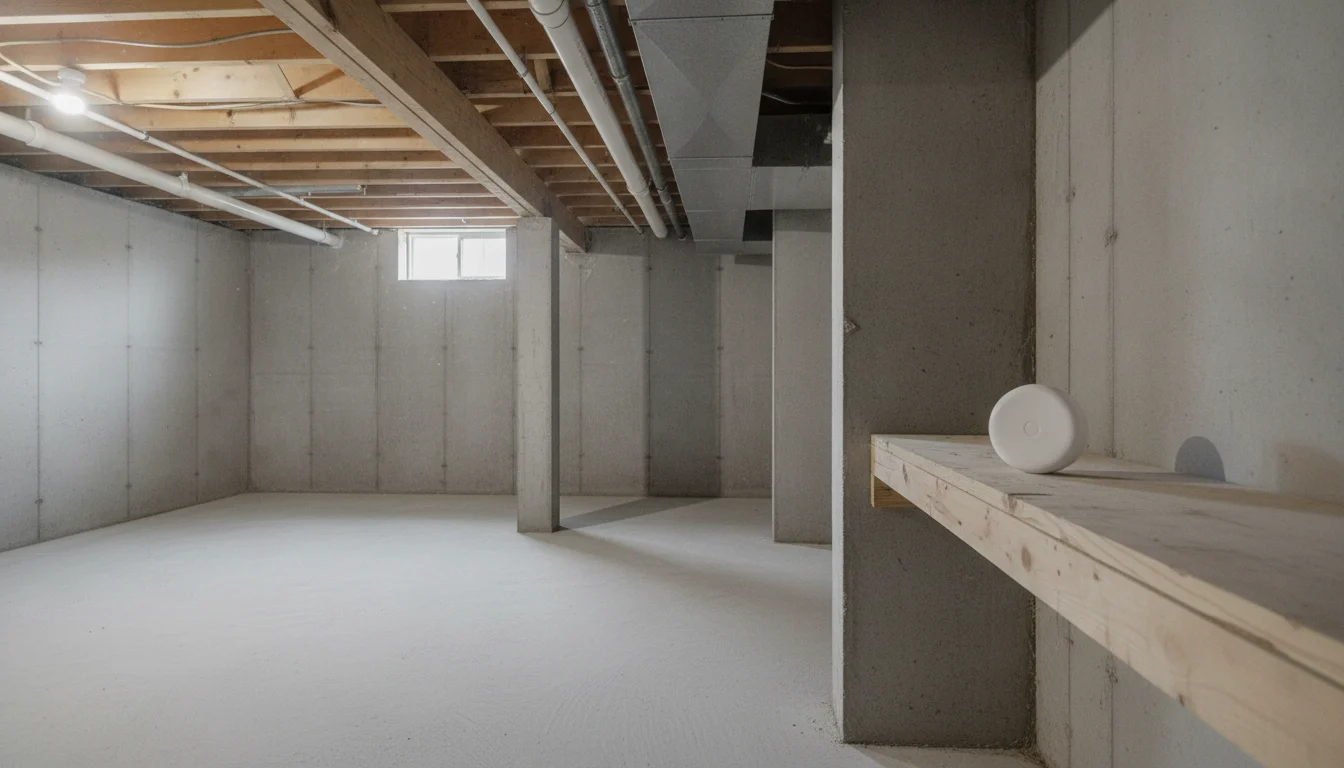
Is radon mitigation necessary? It is necessary when your home tests at or above 4.0 pCi/L, the EPA action level, and it is not necessary below 2.0 pCi/L. Between those two numbers, radon mitigation is a judgment call rather than a requirement. That threshold is the honest answer, and it is worth knowing before anyone quotes you a price: a test result should decide whether radon mitigation is necessary, not a salesperson. This guide covers when mitigation is genuinely required, when it is optional, and when retesting is the better next step.
When Is Radon Mitigation Actually Necessary?
Radon mitigation is actually necessary at 4.0 pCi/L and above, the level at which the EPA recommends action. Below 2.0 pCi/L radon mitigation is not necessary. Between those numbers, whether radon mitigation is necessary is a judgment call rather than a requirement, and the reading itself should make the decision.
Mitigation is necessary in these situations:
- A confirmed test on the lowest lived-in level reads 4.0 pCi/L or higher
- A short-term result well above 4.0 pCi/L has been backed up by a second test
- A real estate contract lists mitigation as an agreed repair item
- An existing system has stopped holding the home below 4.0 pCi/L
Below 4.0 pCi/L, no agency requires you to install anything. Between 2.0 and 4.0 the EPA suggests you consider action.
If you have not tested yet, radon testing is the only way to know your level. If a result already came back elevated, our guide on what to do when a radon test comes back high covers the next steps.
| Radon Level | What It Means | Recommended Action |
|---|---|---|
| Below 2.0 pCi/L | Low, close to outdoor air. | No mitigation needed. Retest every few years or after major renovations. |
| 2.0 to 3.9 pCi/L | Moderate, below the action level. | Optional. Consider mitigation if the lower level is used daily, or run a long-term test first. |
| 4.0 pCi/L and above | At or above the EPA action level. | Mitigation recommended. Confirm a short-term result, then install a system. |
Is Radon Mitigation Necessary Between 2 and 4 pCi/L?
Between 2.0 and 3.9 pCi/L, mitigation is optional and worth considering rather than required. The EPA suggests homeowners in this range think about action, which is deliberately softer language than it uses at 4.0.
A few things reasonably push a result in this range toward mitigation:
- Someone spends several hours a day in the lower level.
- The reading sat near 3.5 rather than near 2.1.
- The test was taken in warm weather, when levels tend to read lower.
- You plan to stay in the home for many years.
Radon risk comes from cumulative long-term exposure, not any single day, so time spent in the home is the variable that matters most. For context, see our breakdown of what counts as a dangerous radon level.
Is Radon Mitigation Necessary If Nobody Uses the Basement?
It is still necessary if the lowest lived-in level tests at or above 4.0 pCi/L, because radon does not stay where it enters. Air moves upward through a house, so radon coming in at the slab travels into rooms above it.
Levels usually read highest at the lowest level, so an unfinished basement result of 4.5 pCi/L may be a smaller number on the main floor. If your basement is sealed off and never occupied, ask for a test on the floor above before deciding. That extra data point may show you do not need the work.
If you do need a system, active sub-slab depressurization reduces radon by up to 99% and runs continuously, which is why radon mitigation systems lower whole-house levels, not just basement readings.
Is Radon Mitigation Required by Law, or Only Recommended?
In Missouri and Illinois, mitigation is recommended rather than legally required for an existing home. No state law forces a homeowner to install a system based on a test result.
What is regulated is who performs the work. Illinois licenses mitigation contractors through IEMA, and Owner Jake (Jacob) Lusby holds Illinois IEMA Mitigation Professional license RNM20232346, with Air Sense Environmental listed as his employer.
Real estate contracts and some local jurisdictions add their own requirements, so a pending sale can create obligations that state law does not.
Can I Wait on Radon Mitigation, or Should I Retest Instead?
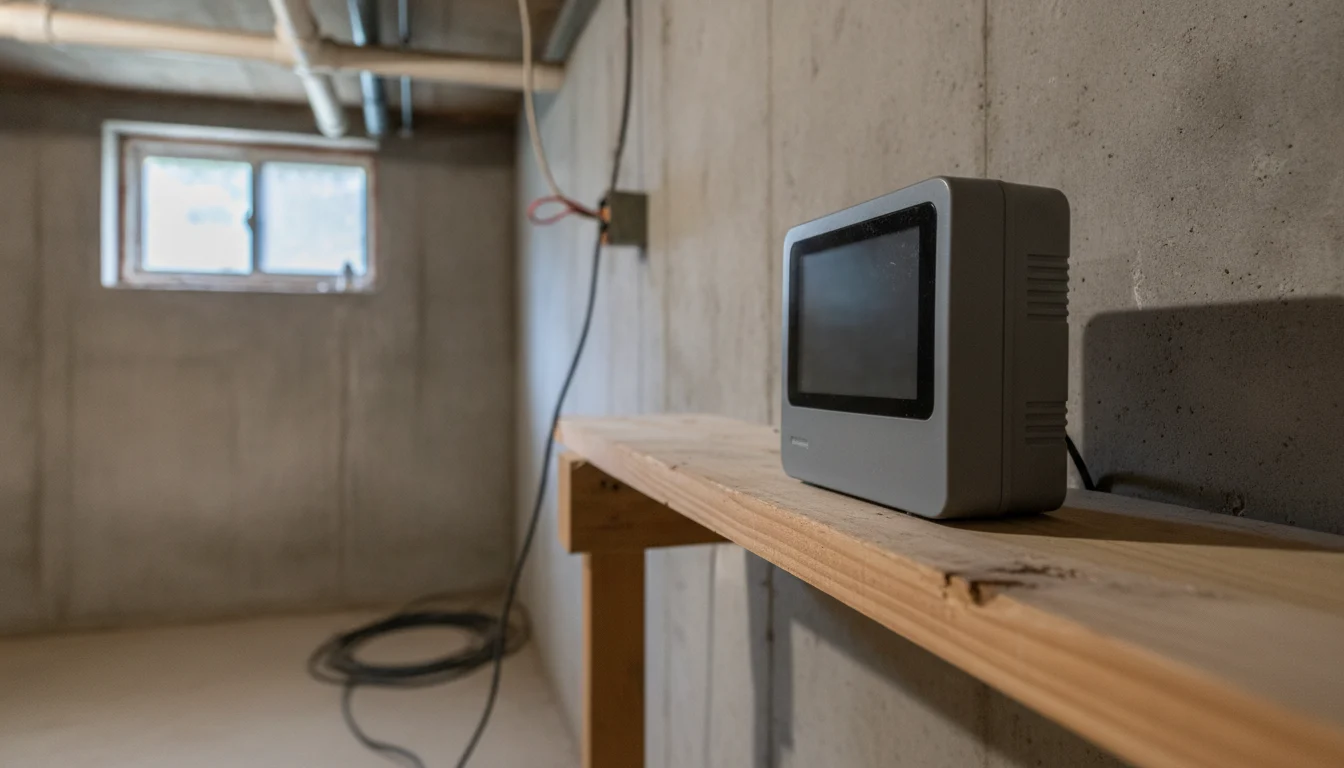
You can wait on radon mitigation and retest instead when the first reading is uncertain. Retesting rather than mitigating makes sense when the radon result came from a short-term test that landed close to 4.0 pCi/L, because a 48-hour test captures a narrow window and radon levels shift with weather, season, and how closed up the house was.
Retesting first makes sense when:
- The first reading came from a short-term test that landed close to 4.0 pCi/L
- The test ran during unusual weather, such as a storm or a hard freeze
- The house was not kept closed up for the full measurement window
- The device sat on a level nobody actually lives on
Readings usually run higher in winter when homes stay closed up, so a summer result of 3.8 pCi/L may look different in January. Our comparison of radon levels in winter versus summer explains why.
Waiting is also reasonable because radon is a long-term exposure risk, not an acute emergency. A few months spent confirming a borderline result is fine. Sitting on a confirmed 8.0 pCi/L for years is a different situation.
Is Radon Mitigation Necessary Before Selling or Buying a Home?
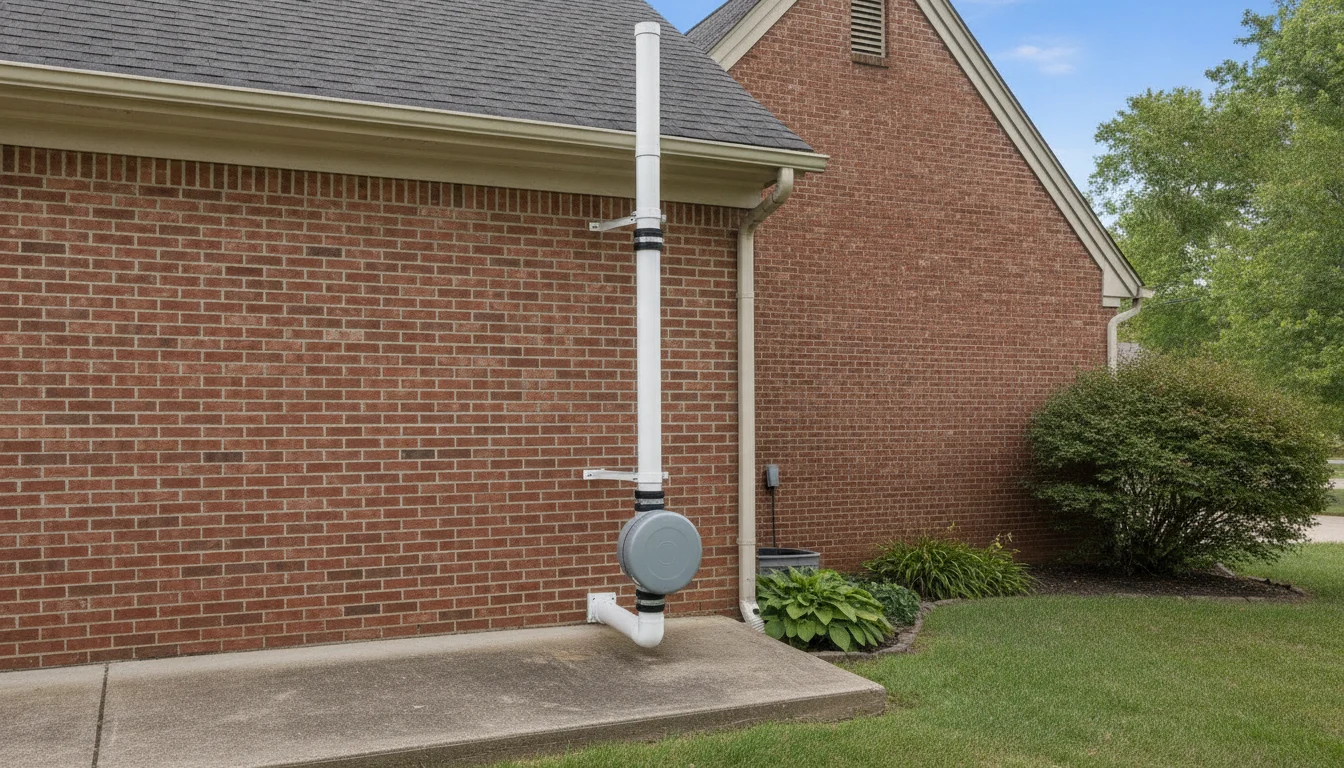
It is not legally necessary, but it often becomes practically necessary once a buyer has a result. Buyers commonly test during inspection, and a number at or above 4.0 pCi/L usually turns into a repair request or a price negotiation.
Sellers in the St. Louis metro run into this more often than most. The area sits in the EPA’s highest-risk radon zone, and roughly 4 in 10 homes here test above the action level.
Handling it before listing gives you control over the contractor and the schedule. Our radon mitigation page explains what an install involves, and our guide to the cost of radon mitigation in St. Louis lets you weigh the price against a likely buyer concession.
Frequently Asked Questions About Whether Radon Mitigation Is Necessary
These are the questions homeowners ask most often about whether radon mitigation is necessary, covering borderline readings, legal requirements, and retesting.
Is radon mitigation really necessary, or is it an upsell?
It is genuinely necessary at or above 4.0 pCi/L, and genuinely optional below 2.0 pCi/L. The honest check is whether the recommendation traces back to a documented test result you can see. If a contractor cannot show you the number, ask for a test before agreeing to any work.
Do I need radon mitigation at 3.5 pCi/L?
You are not required to mitigate at 3.5 pCi/L, because it falls below the 4.0 action level. It is close enough that a long-term retest is worth running, particularly if the first test was short-term or taken in warm weather. Some homeowners in that range choose to mitigate and some reasonably do not.
Is radon mitigation worth it?
It is worth it when your confirmed level is at or above 4.0 pCi/L, because the reduction is large and holds for as long as the system runs. Between 2.0 and 3.9 pCi/L the value depends on how many hours your household spends on the lower level. Below 2.0 pCi/L there is not enough to reduce for the work to pay off.
How do I know my radon result is accurate?
Longer tests give a better picture, so a 90-day measurement is more reliable than a 48-hour one. Placement matters too, since the device should sit on the lowest lived-in level, away from drafts, exterior walls, and vents. If a result surprises you, running a second test before committing to anything is reasonable.
Want an Honest Read on Whether Radon Mitigation Is Necessary?
For an honest read on whether radon mitigation is necessary in your home, Air Sense Environmental provides free in-home estimates across the St. Louis metro. We will tell you plainly if your radon numbers do not call for a system. Schedule your free in-home estimate or call 314-664-9807.