
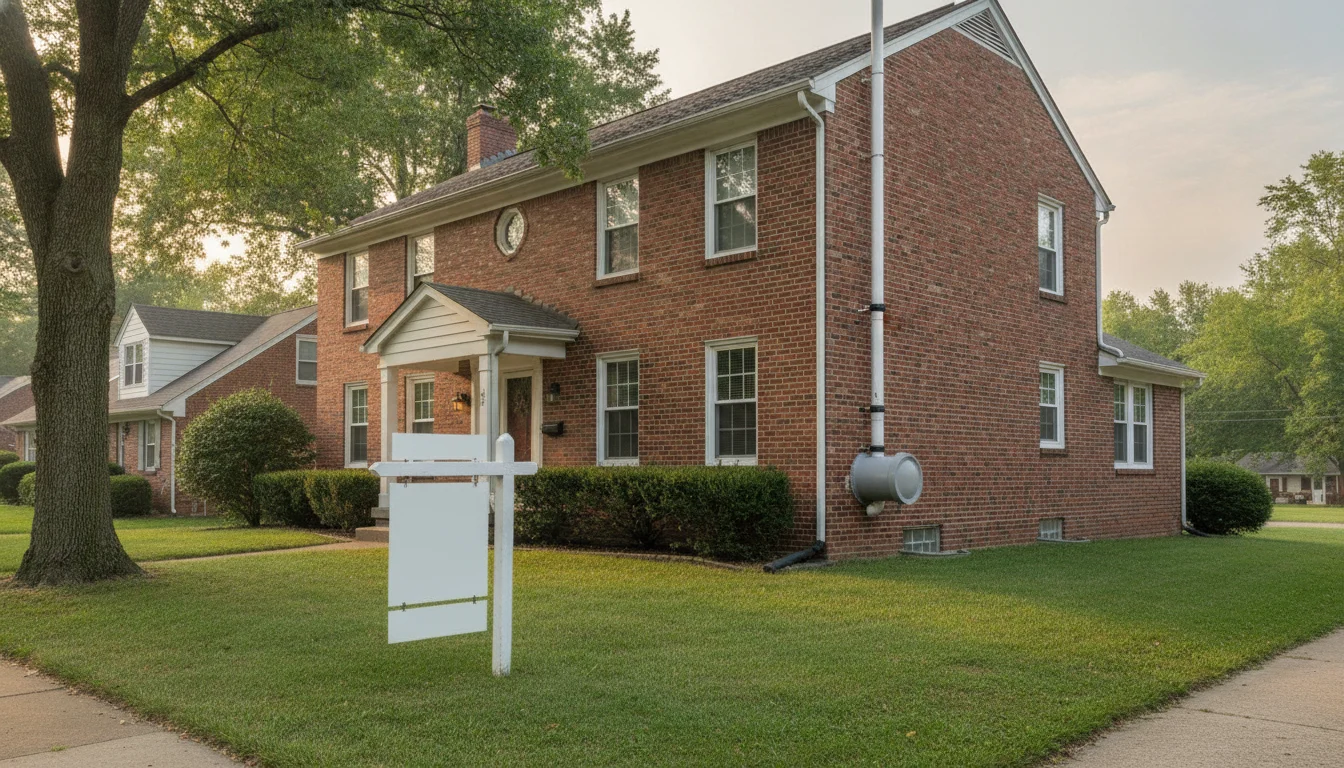
Can you sell a house with radon? Yes, and selling a house with radon is routine in the St. Louis metro, where roughly 4 in 10 houses test above 4.0 pCi/L. Radon is treated as a standard repair item when selling a house, similar to a roof or HVAC finding. The seller who tests for radon before listing controls the radon fix, the contractor, and the timeline.
Key Takeaways: Selling a House With Radon
- Radon rarely stops a sale because it has a standard, proven remedy.
- Testing before listing turns an unknown into a number you can plan around.
- Mitigating before listing gives the seller control over contractor, timing and cost.
- Keep test results, contractor paperwork and the post-mitigation test ready to share with buyers.
Does radon make a house harder to sell?
Radon rarely makes a house harder to sell, because it has a standard remedy that can be completed quickly. Buyers are generally less concerned about the presence of radon than about whether it has been addressed and documented.
The St. Louis metro sits in the EPA’s highest-risk radon zone, and roughly 4 in 10 homes in the area test above the EPA action level of 4.0 pCi/L. A high result is common here, and the local market treats it that way.
What strains a deal is uncertainty: a wide credit request, a repair demand with no clear price, or a delay while everyone waits on scheduling. A completed radon mitigation system with a passing follow-up test removes that.
Should you test for radon before you list?
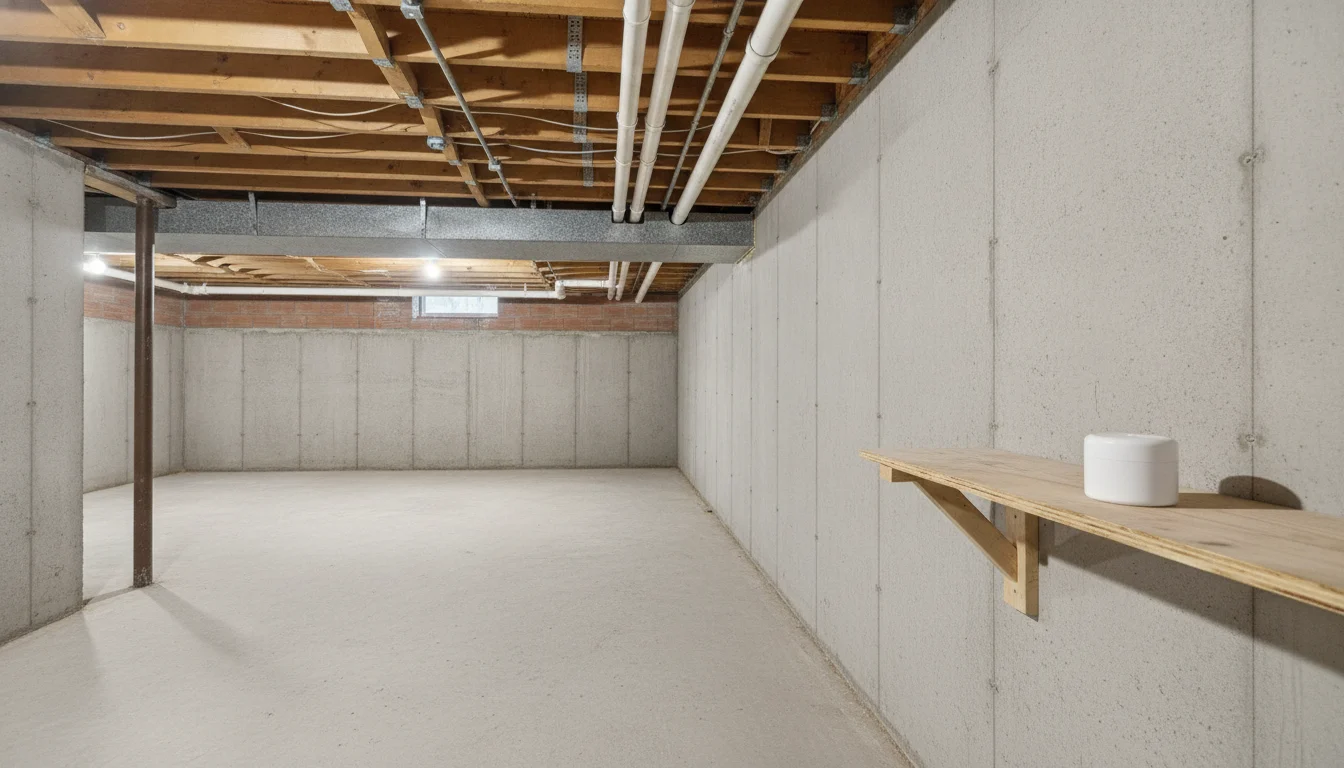
Testing before you list is the cheapest way to learn whether radon will be part of your negotiation at all. It turns an unknown into a number you can plan around before offers arrive.
Both outcomes are useful:
- Below 4.0 pCi/L: you have documentation to share and no work to schedule.
- At or above 4.0 pCi/L: you have weeks to decide what to do instead of days.
To understand what a specific number means, see our guide to radon levels in pCi/L. If a pre-listing test comes back elevated, our walkthrough on what to do when a radon test comes back high covers the next steps in order.
Air Sense Environmental performs radon testing throughout the St. Louis metro.
Should you mitigate before listing or wait for the buyer’s inspection?
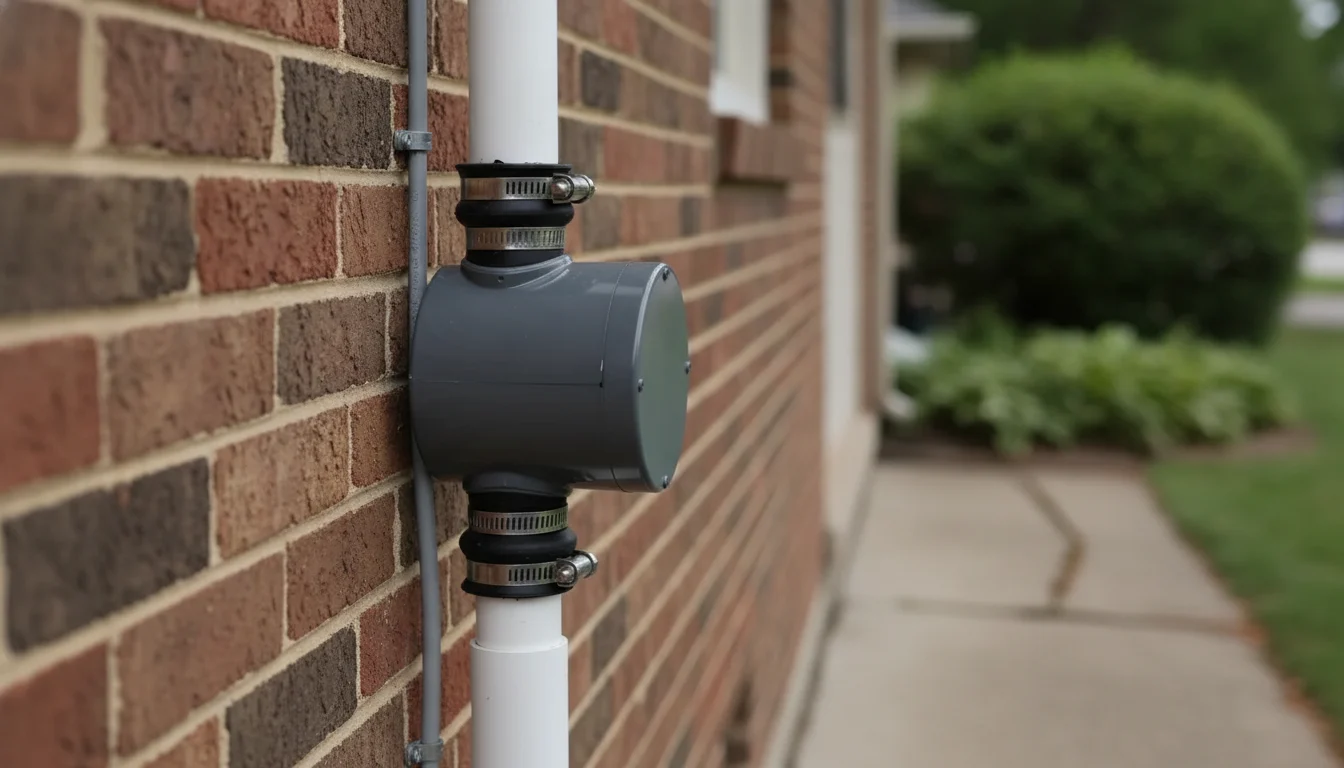
Mitigating before listing gives you more control, and waiting gives you the option of never spending the money at all. Both are defensible; the difference is who sets the terms.
Handle it in advance and you pick the contractor, the date, and know the final cost before a buyer is involved. Wait, and the conversation happens under a contract deadline, with the buyer weighing in on who does the work and how fast.
| Factor | Mitigate before listing | Wait for the buyer’s inspection |
|---|---|---|
| Who chooses the contractor | You do | Often negotiated, and the buyer may name a preference |
| Who controls the timeline | You do, scheduled at your convenience | Driven by the inspection period and closing date |
| Likely effect on negotiation | Radon is settled and documented before offers | Opens a repair or credit request during the deal |
| Cost certainty | Known before you list | Unknown until the request is made and priced |
| How it reads to buyers | A completed improvement | A defect being corrected |
What happens if the buyer’s radon test comes back high?
If the buyer’s test comes back at or above 4.0 pCi/L, the usual outcome is that both parties agree to have a system installed before closing. Credit requests happen too, and credits tend to run higher than the job itself because the buyer is pricing in their own uncertainty.
Scheduling is less of an obstacle than sellers expect. Installation is usually completed in a single day, most commonly 3 to 5 hours. Levels begin dropping within about 24 hours, and a confirming post-mitigation test runs 2 to 7 days.
That sequence often fits inside a standard inspection resolution window. Our page on how long radon mitigation takes breaks down each stage against a closing date.
Do you have to disclose radon when selling?
Disclosure rules vary by state, by transaction type, and by the forms your brokerage uses, so confirm your current obligations with your real estate agent or attorney in Missouri or Illinois. This article is not legal advice.
As a practical matter, documenting is easier than explaining. Keep and be ready to share:
- Any radon test results you have, including the dates and the reported levels.
- The mitigation contractor’s paperwork, including the system description.
- The post-mitigation test result confirming the level after the system was running.
That last item matters most. A system with no verification behind it raises questions; one with a passing follow-up test usually ends the conversation.
Does a mitigation system lower your sale price?
A properly installed mitigation system is generally viewed as a resolved item, not a discount trigger. Buyers here are often advised to look for one, and many treat an existing system as one fewer thing to negotiate.
Active sub-slab depressurization reduces radon by up to 99% and runs continuously, so it keeps working for the next owner. We cover the other side of the table in should I buy a house with a radon mitigation system.
Compared with most inspection-driven repairs, the numbers are modest. See the cost of radon mitigation in St. Louis for current local pricing, and how effective radon mitigation systems are for the results you can document.
Frequently Asked Questions About Selling a House With Radon
These are the questions sellers ask most often about selling a house with radon, covering disclosure, timing, price impact, and who chooses the contractor.
How long does radon mitigation take if I am already under contract?
Installation is usually completed in a single day, most commonly 3 to 5 hours. Levels begin dropping within about 24 hours, and a confirming post-mitigation test runs 2 to 7 days. That sequence often fits inside a standard inspection resolution period.
Can I give the buyer a credit instead of installing a system?
Credits are common, but they often cost more than the work itself because the buyer is estimating a price they do not know yet. Completing the installation gives both sides a fixed number and a documented result. Your agent can advise on which approach fits your specific contract.
Do I need to retest after the system is installed?
Yes, a post-mitigation test is what proves the system is doing its job. Air Sense Environmental verifies every install with post-mitigation testing, and that result is the document buyers and agents ask to see. It typically runs 2 to 7 days after the system is turned on.
What radon level means I need to act before selling?
The EPA action level is 4.0 pCi/L, and results at or above that number are where mitigation is recommended. Roughly 4 in 10 homes in the St. Louis metro test above it, so an elevated reading is not unusual here. A test is the only way to know your home’s number.
Handle Radon Before Selling Your House, Not During
Handling radon before selling your house keeps the radon conversation on your terms. Air Sense Environmental tests and mitigates across the St. Louis metro on both the Missouri and Illinois sides, and verifies every installation with a post-mitigation radon test.
Estimates are free and done in your home. If you are already under contract, tell us your closing date when you call: closing timelines can often be accommodated.
Call 314-664-9807 or request a free in-home estimate.