
Category: Radon Mitigation
-
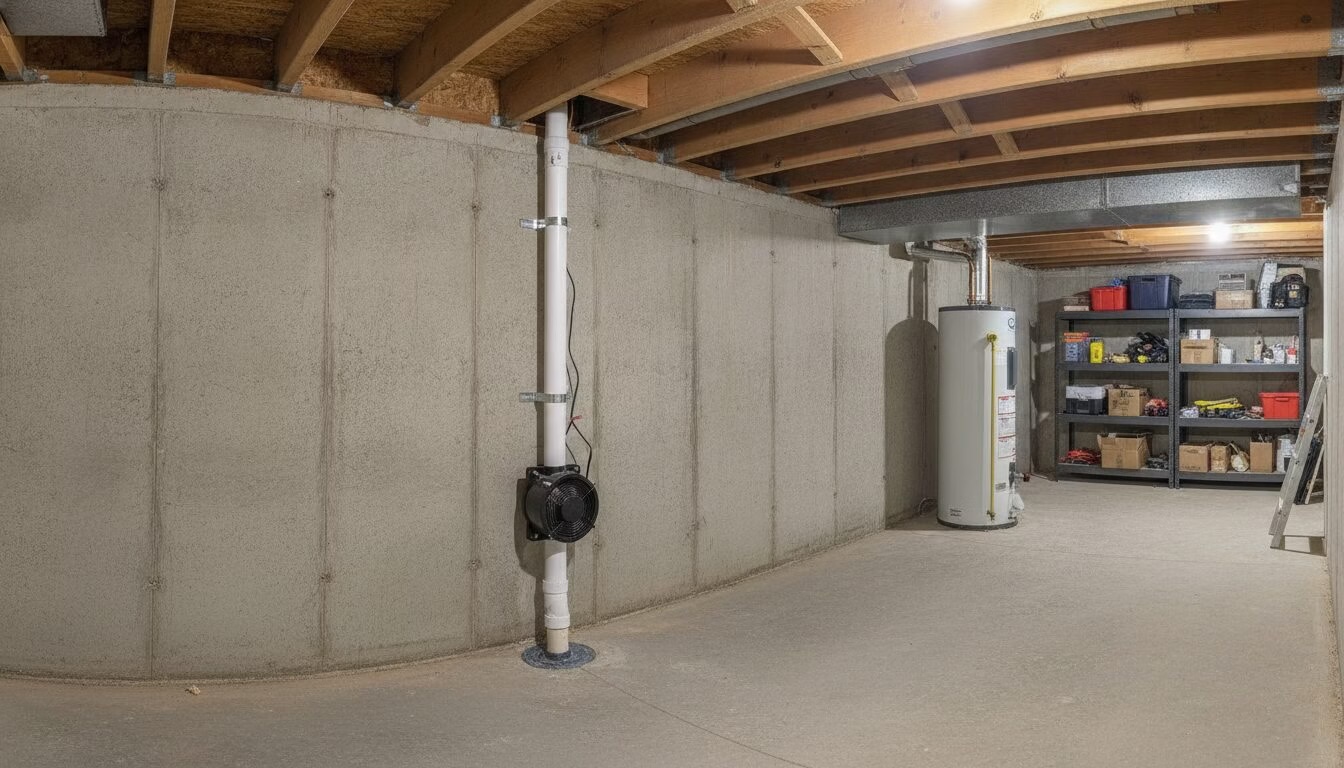
How to Get Rid of Radon in Your House
How to get rid of radon in your home: a radon mitigation system is the only reliable radon removal method. Radon is a radioactive…
-
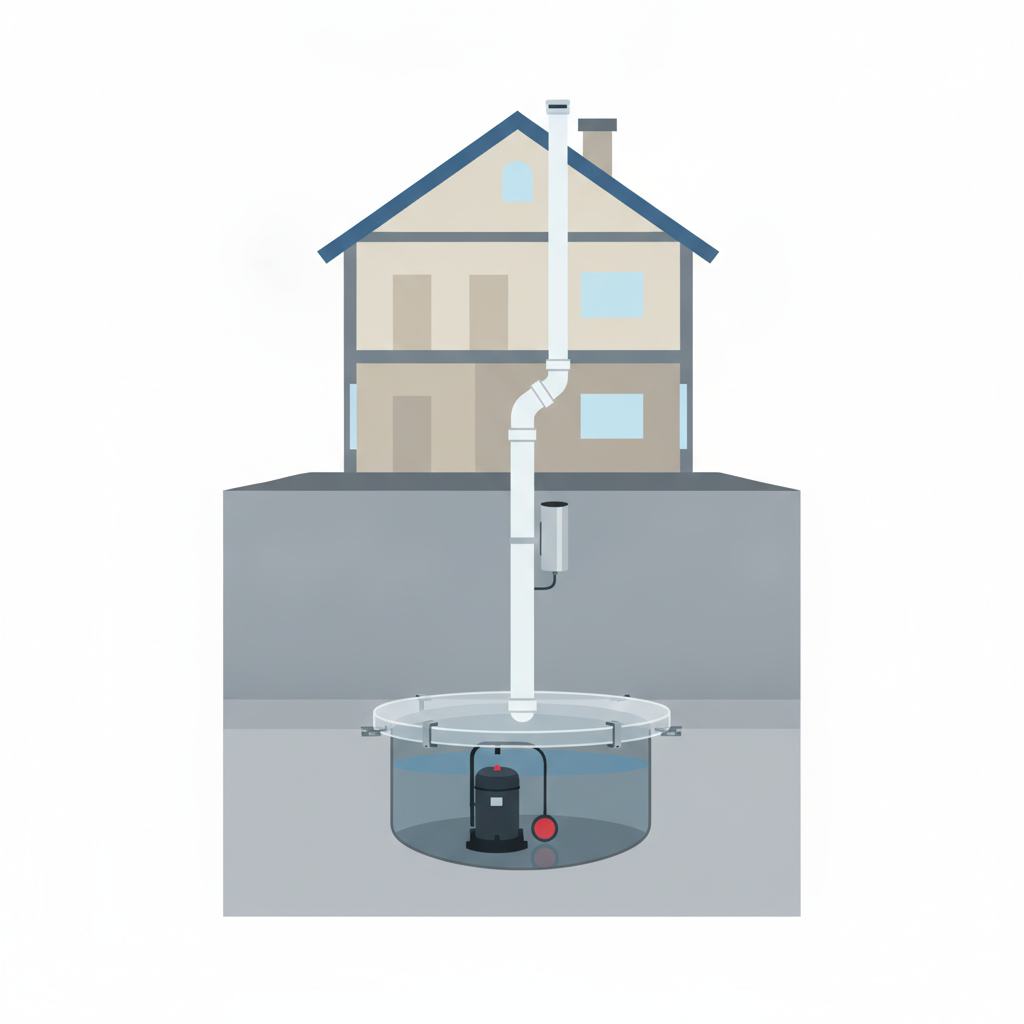
Sump Pump Radon Mitigation
Sump pump radon mitigation uses the sump pit your home already has as the suction point for a radon reduction system. Because the pit…
-
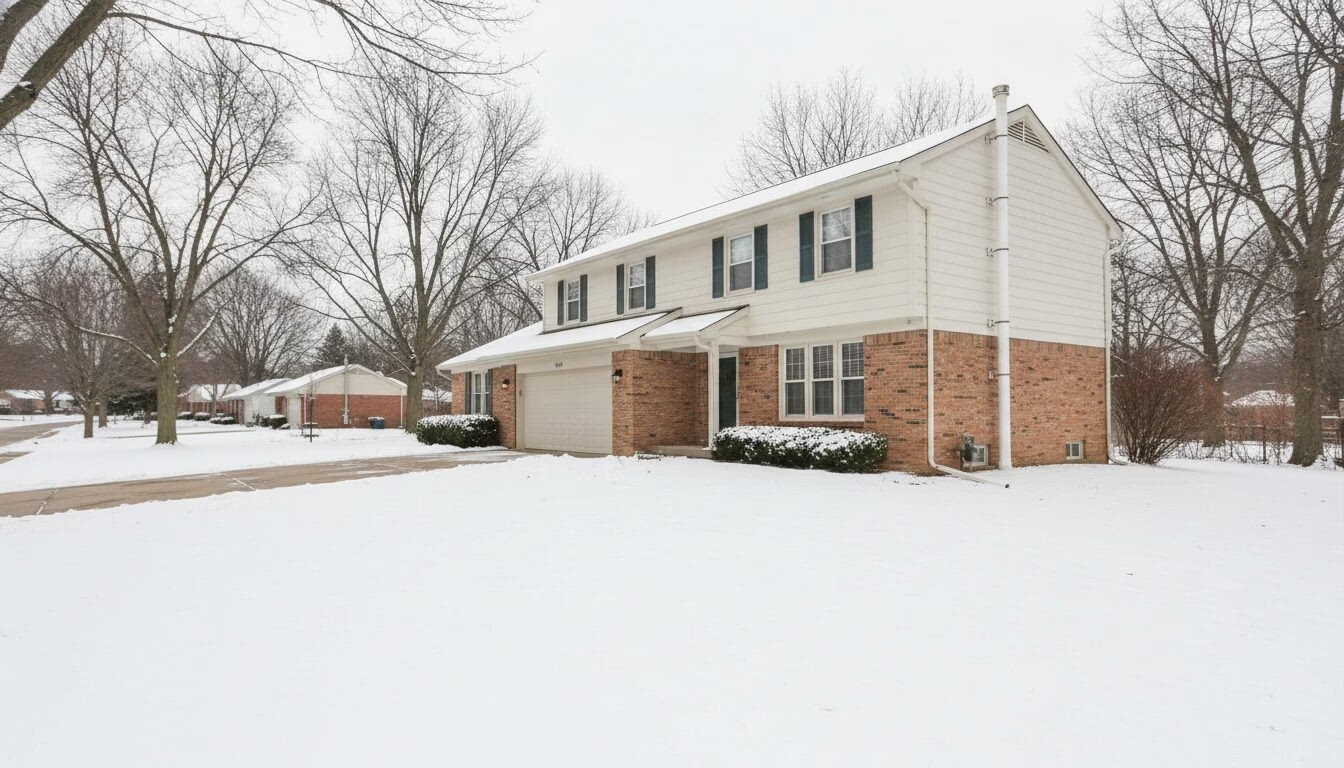
Radon Levels: Winter vs. Summer and Why Testing Timing Matters
Radon levels are usually higher in winter than summer. Here is why, how it changes radon test timing, and how a mitigation system keeps…
-
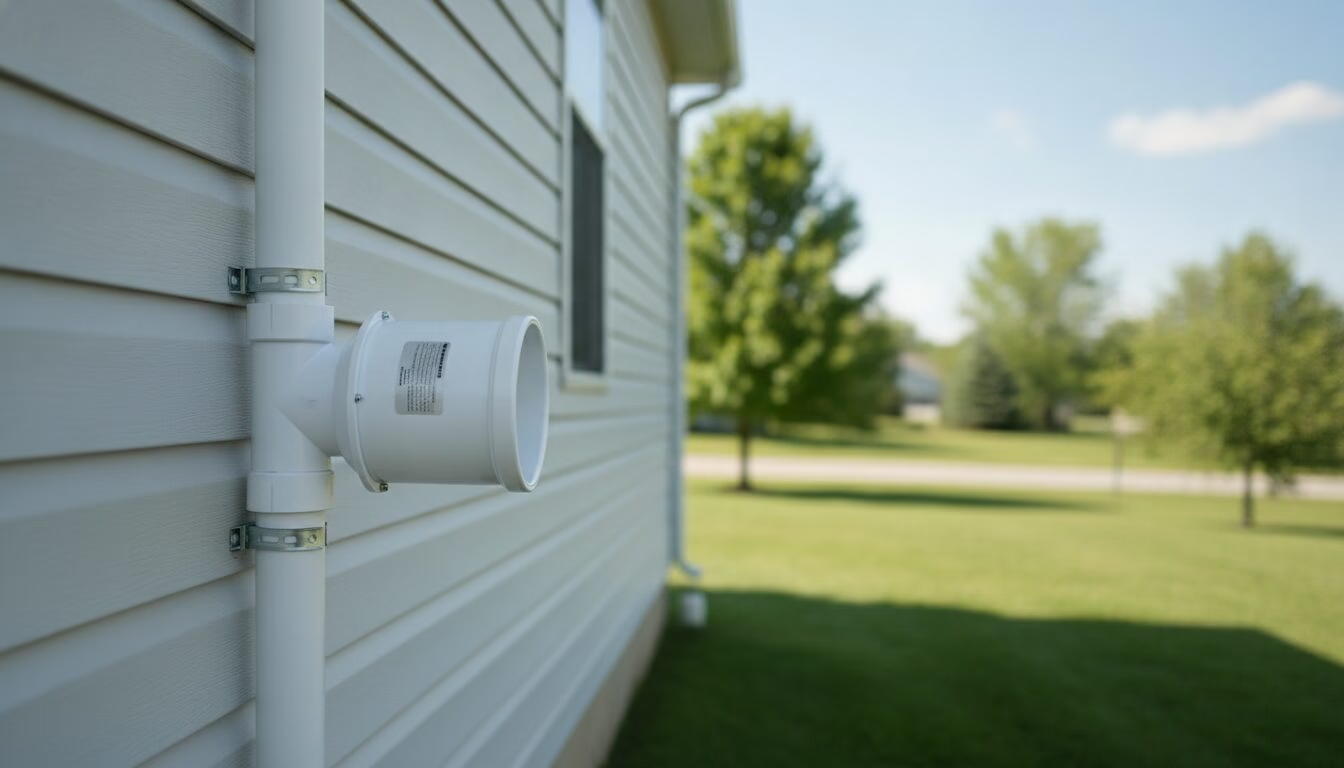
Does a Radon Mitigation Fan Use a Lot of Electricity?
A radon mitigation fan does not use a lot of electricity. The fan is the only powered part of a radon system, it draws…
-
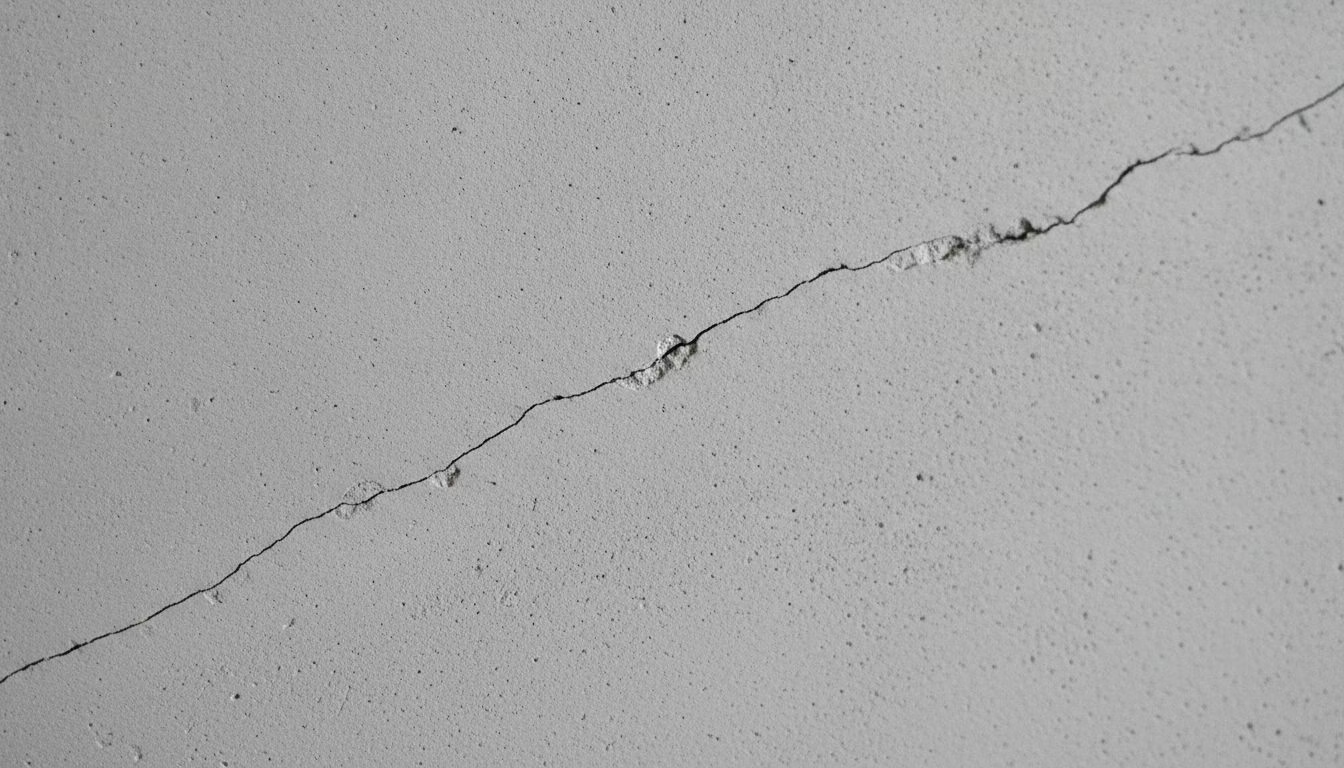
Foundation Cracks and Radon: How the Gas Enters St. Louis Homes
How foundation cracks and radon entry points let the gas into St. Louis homes, why sealing alone falls short, and how it pairs with…
-
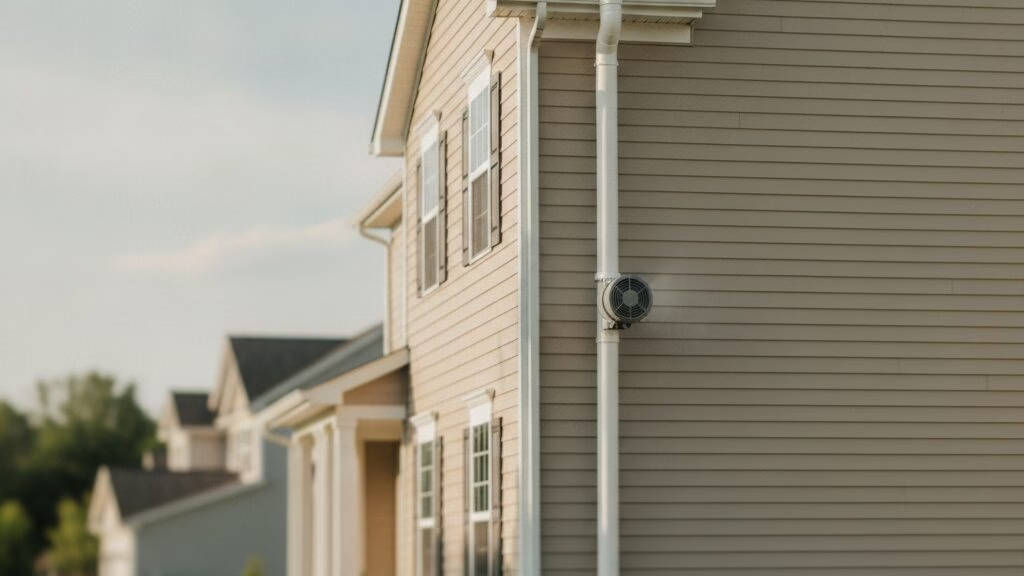
Post-Mitigation Radon Testing: How to Confirm Your System Works
Post-mitigation radon testing is the follow-up radon measurement you run after a radon system is installed, and its only job is to prove the…
-

Are DIY Radon Test Kits Accurate? What St. Louis Homeowners Should Know
DIY radon test kits can be accurate, but only when used correctly. Here is how charcoal and electronic kits compare to professional testing, and…
-

How Long Should You Test for Radon? Short-Term vs. Long-Term Testing
How long you should test for radon depends on the type of test: a short-term radon test should run for 2 to 7 days,…
-

What to Do If Your Radon Test Comes Back High
If your radon test came back high, the most important first step is also the calmest one: do not panic, and do not rush.…
-

What Is a Dangerous Radon Level? Understanding Your pCi/L Results
A dangerous radon level is any reading at or above the EPA’s 4.0 pCi/L action level. Here is how to read your pCi/L radon…