
Service Area · Troy, IL
Radon Mitigation in Troy, IL
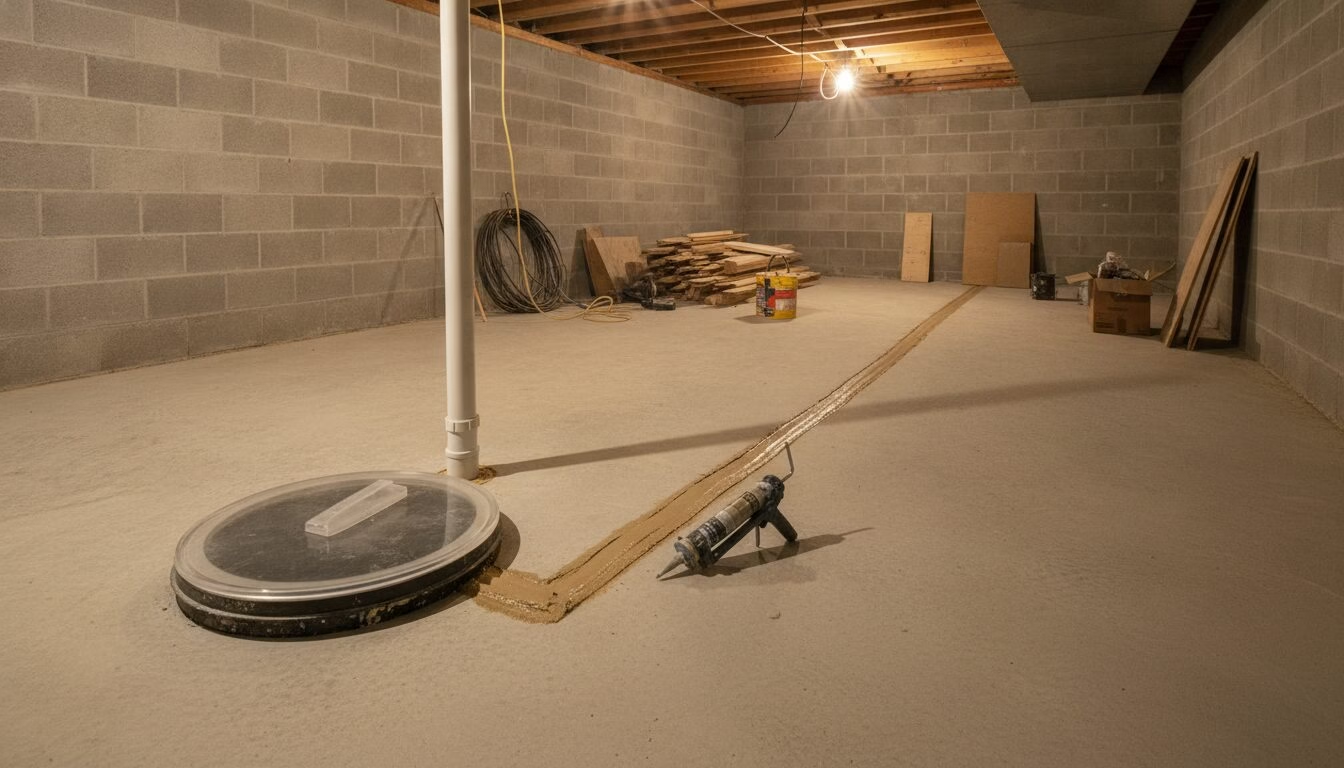
A radon mitigation system in Troy, IL is a sealed pipe and a continuously running fan that pull radon from under the house and release it outdoors, bringing the home below the EPA action level of 4.0 pCi/L. Air Sense Environmental, whose owner Jake (Jacob) Lusby holds Illinois IEMA Mitigation Professional license RNM20232346, designs each Troy system around the foundation in front of it.
Does a Troy home need radon mitigation?
The trigger is the test result: at or above 4.0 pCi/L the EPA recommends fixing a Troy home, and between 2 and 4 pCi/L it suggests considering it. Madison County is in EPA Radon Zone 2, where the predicted average indoor radon level is 2 to 4 pCi/L, and individual Troy homes routinely test well above the 4.0 pCi/L action level. The Illinois Department of Public Health reports that about 41 percent of Illinois homes tested have come back at or above 4.0 pCi/L, and Illinois requires radon professionals to hold an IEMA license.
Troy sits where Interstates 55, 70 and 270 meet, and it has grown fast since the 1990s, so most of its homes are newer construction on poured basements. If the home has not been tested yet, start with the St. Louis radon testing page.
Which radon mitigation system fits a Troy home?
The system follows the foundation:
- Basement slab: sub-slab depressurization, the most common system in Troy
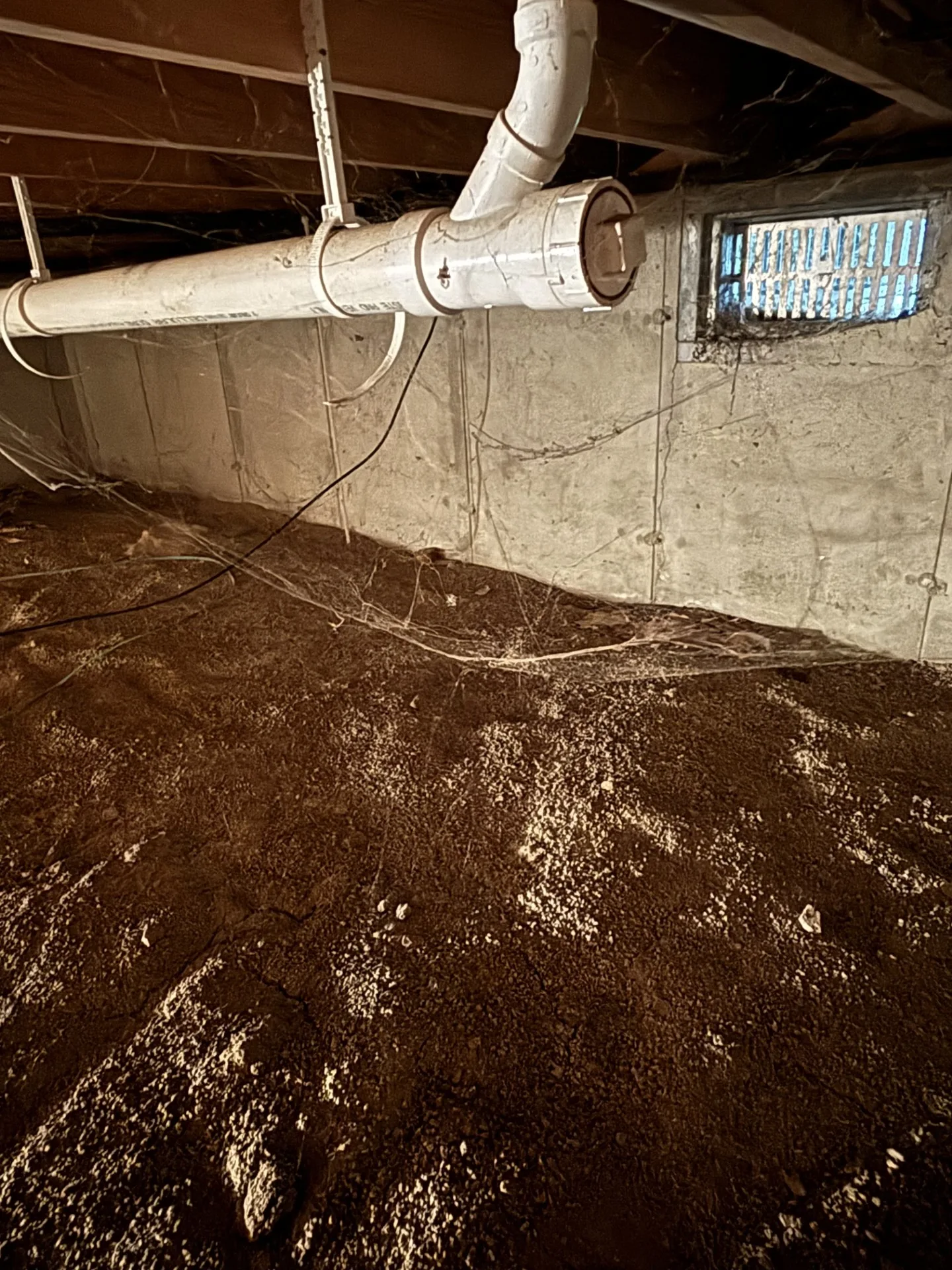
- Crawl space: sub-membrane depressurization under a sealed vapor barrier
- Sump pit: a sealed sump lid tied into the system, covered in the sump pump radon mitigation guide
- Slab-on-grade: a suction point routed through a garage, closet or exterior wall
- Mixed foundations: multiple suction points balanced on one fan
The Troy homes Air Sense Environmental mitigates most often:
- 1990s to 2010s subdivision homes on poured basements
- Older homes near downtown Troy with block basements
- Homes with finished lower levels
- Rural homes on acreage east of town
How is a radon mitigation system installed in Troy?
- Assessment and diagnostics. The foundation, sump, cracks and pipe route are checked during a free in-home estimate.
- Suction point. A core hole through the slab, or a sealed membrane in a crawl space, gives the fan something to pull from.
- Pipe and fan. PVC pipe runs to a fan mounted outside the living space, in the attic, garage or on an exterior wall, and vents above the roofline.
- Sealing. Cracks, the sump lid and other openings are sealed so the fan can hold suction.
- Manometer and verification. A U-tube manometer shows the system is running, and a post-mitigation test proves the result.
Most Troy installations are completed in a single day. The full walk-through is on the radon mitigation system installation page.
How much does radon mitigation cost in Troy, IL?
Foundation type, suction points and fan size set the price of a Troy system, which is why quotes follow a free in-home assessment. The St. Louis radon mitigation cost guide lists the current ranges by system type.
How do you know the radon mitigation system worked?
A post-mitigation radon test is the only proof. Air Sense Environmental includes it, designs Troy systems to a target well below the 4.0 pCi/L action level, and recommends retesting every two years. When a fan eventually wears out, radon fan replacement restores the system.
Troy neighborhoods and nearby communities
Air Sense Environmental works across Troy, IL, including downtown Troy, the subdivisions along Route 162 and the neighborhoods near Tri-Township Park, in ZIP code 62294. Nearby communities with their own service pages:
- Radon mitigation and testing in Maryville, IL
- Radon mitigation and testing in Glen Carbon, IL
- Radon mitigation and testing in Edwardsville, IL
- Radon mitigation and testing in Highland, IL
- All Air Sense Environmental service areas
From Our Work

Explore More From Air Sense
Get Your Number
Radon under control. Air you can trust.
Free in-home estimate, custom-designed system, 24-hour availability.