
Category: Radon Testing
-
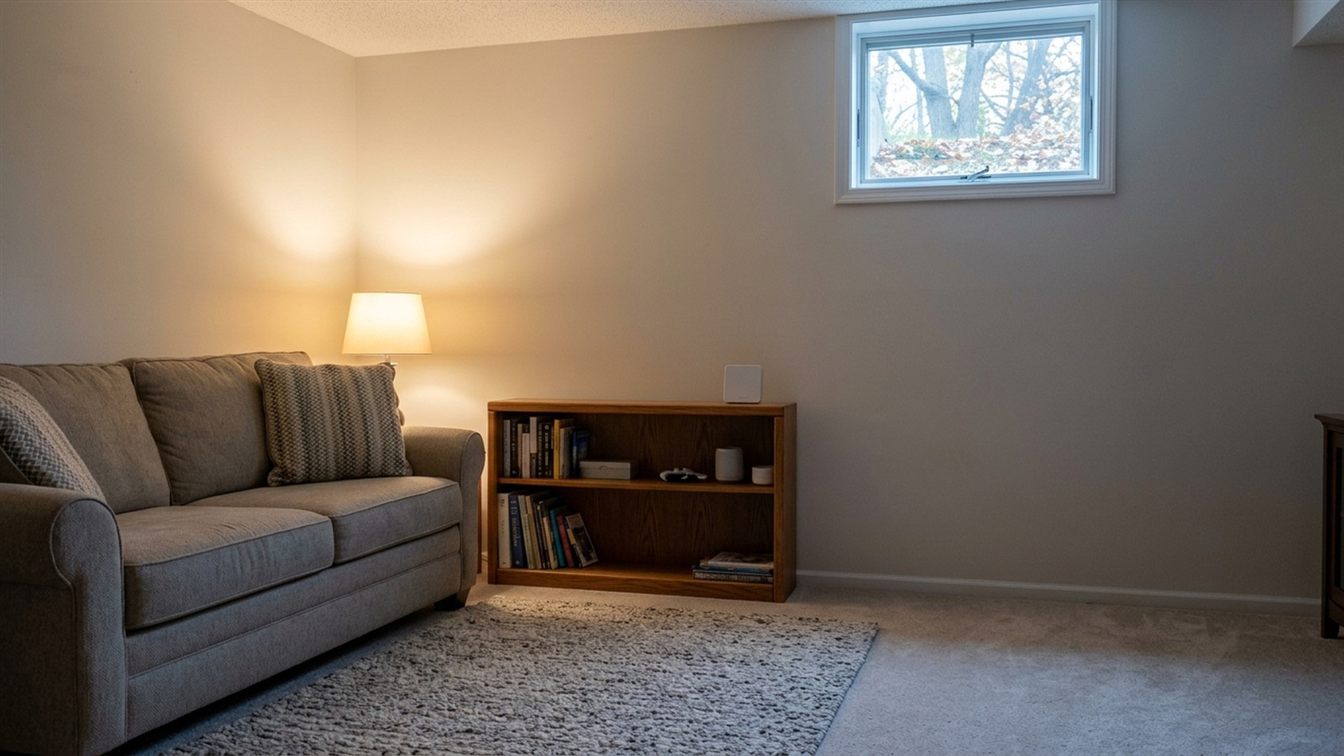
Where Should You Put a Radon Detector in Your House?
Put the detector in the lowest lived-in level of the home, in a room you actually use, at least 20 inches above the floor,…
-
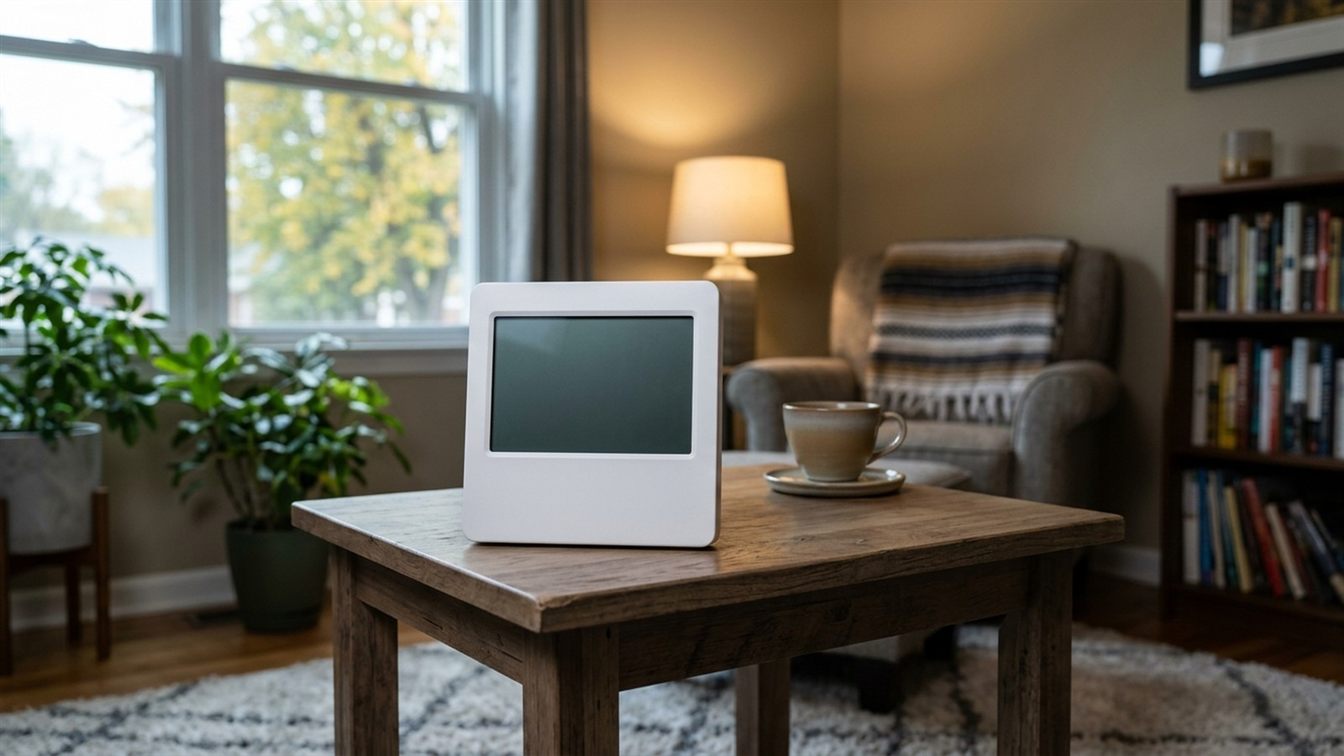
Are Radon Detectors Accurate? Continuous Monitors vs. Lab Tests
Consumer radon detectors are accurate enough to tell you whether your home has a radon problem, and not accurate enough to settle a real…
-
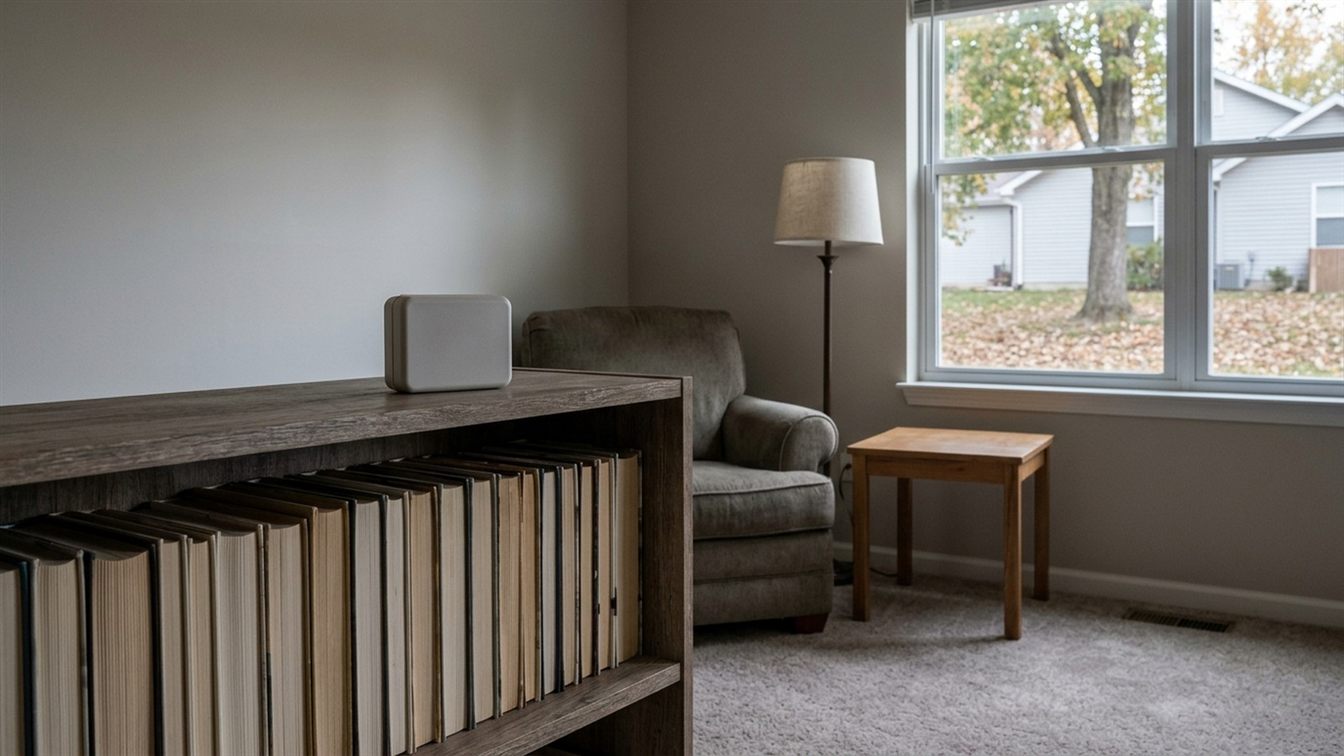
How Often Should You Test for Radon?
The EPA recommends retesting your home for radon at least every two years, and sooner than that any time the building changes, the heating…
-
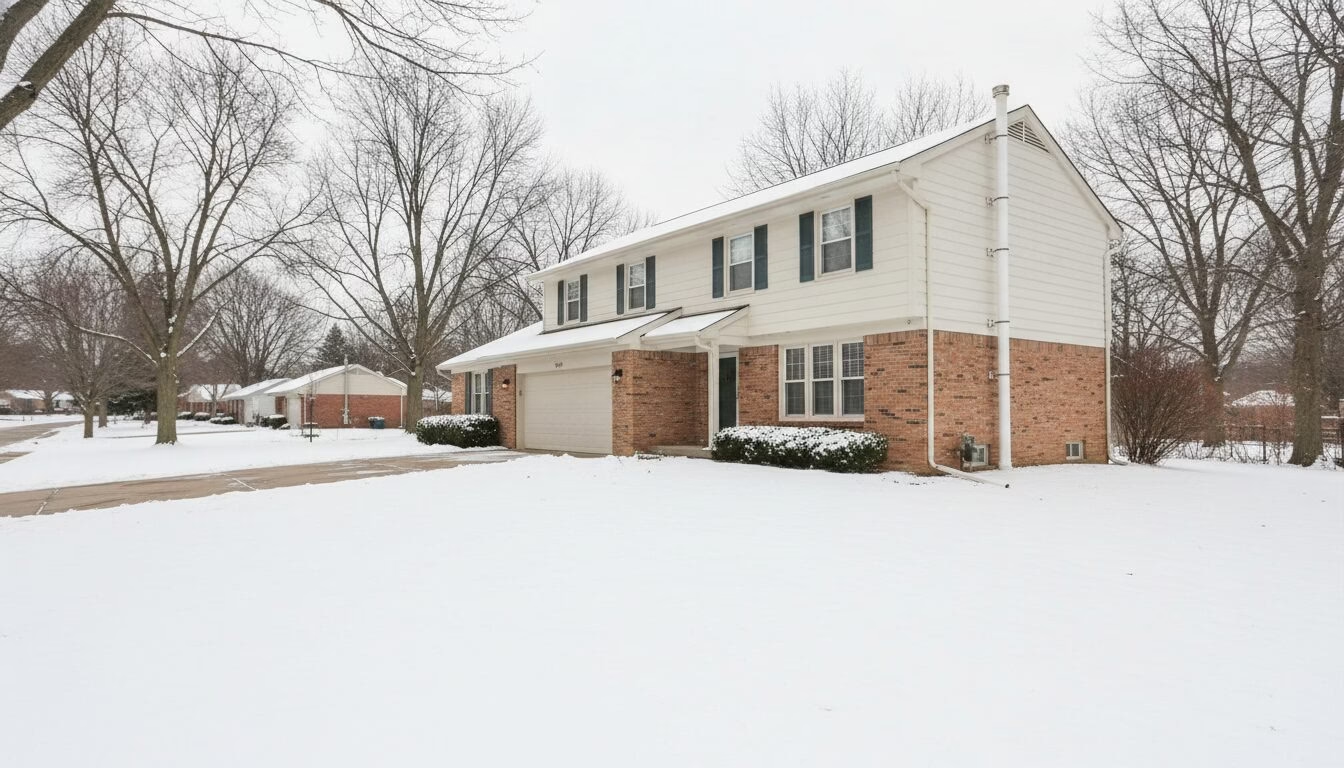
Radon Levels: Winter vs. Summer and Why Testing Timing Matters
Radon levels are usually higher in winter than summer. Here is why, how it changes radon test timing, and how a mitigation system keeps…
-
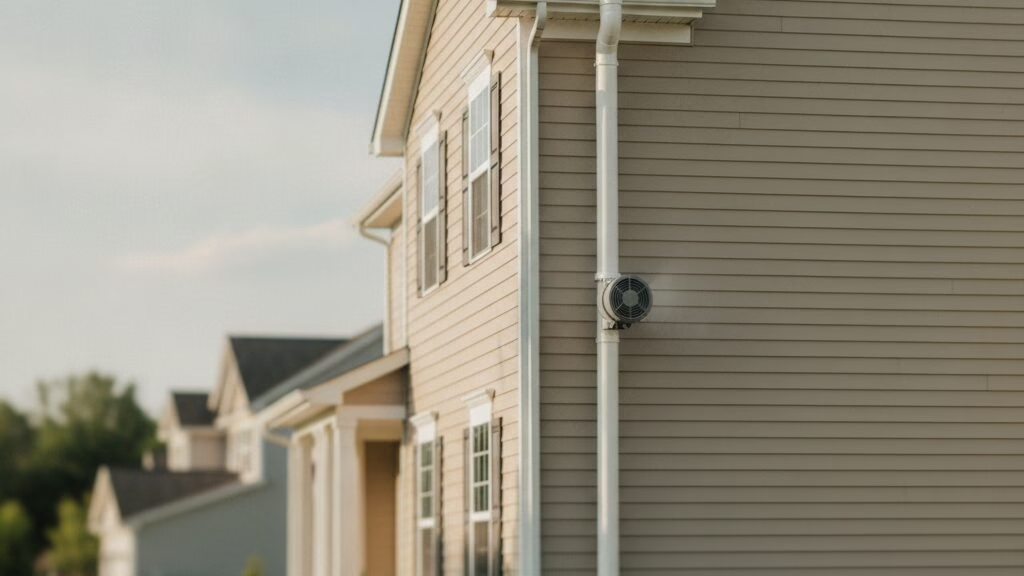
Post-Mitigation Radon Testing: How to Confirm Your System Works
Post-mitigation radon testing is the follow-up radon measurement you run after a radon system is installed, and its only job is to prove the…
-

Are DIY Radon Test Kits Accurate? What St. Louis Homeowners Should Know
DIY radon test kits can be accurate, but only when used correctly. Here is how charcoal and electronic kits compare to professional testing, and…
-
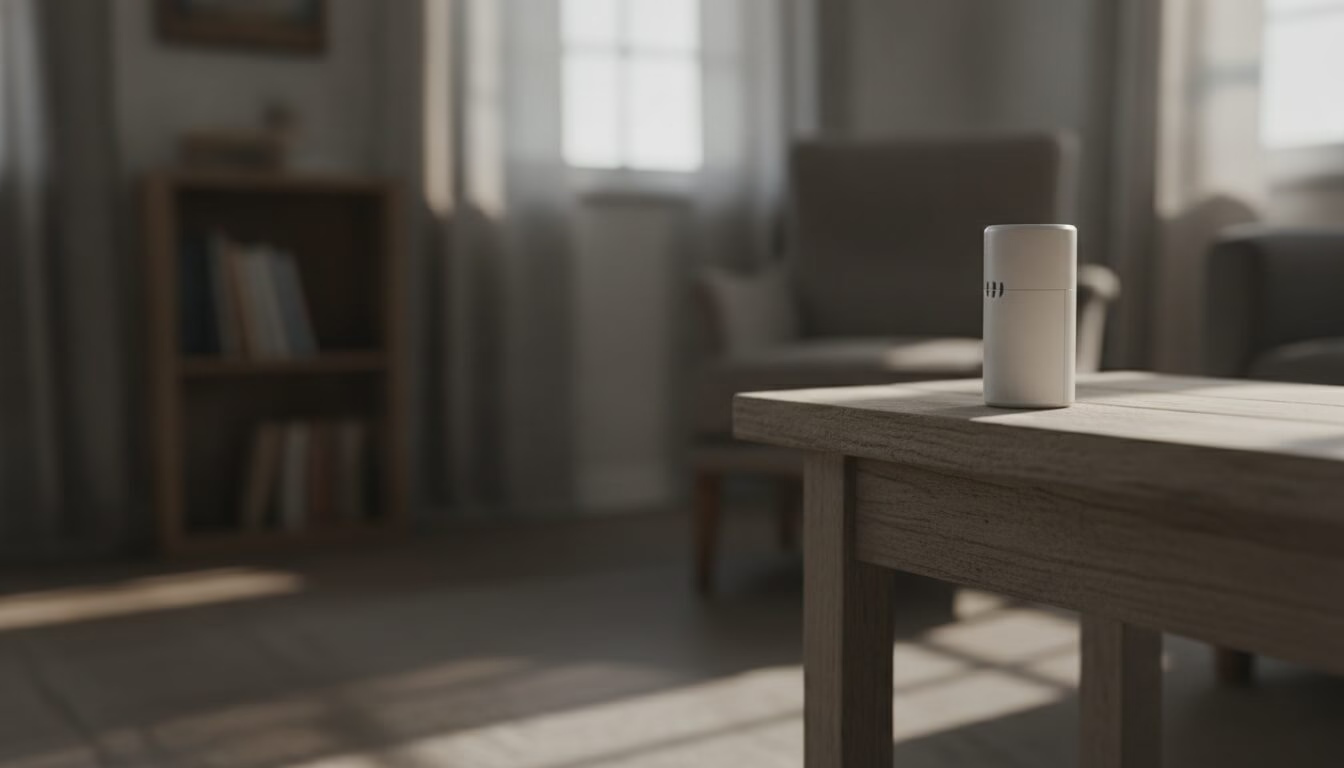
How Long Should You Test for Radon? Short-Term vs. Long-Term Testing
How long you should test for radon depends on the type of test: a short-term radon test should run for 2 to 7 days,…
-

What to Do If Your Radon Test Comes Back High
If your radon test came back high, the most important first step is also the calmest one: do not panic, and do not rush.…
-
What Is a Dangerous Radon Level? Understanding Your pCi/L Results
A dangerous radon level is any reading at or above the EPA’s 4.0 pCi/L action level. Here is how to read your pCi/L radon…
-
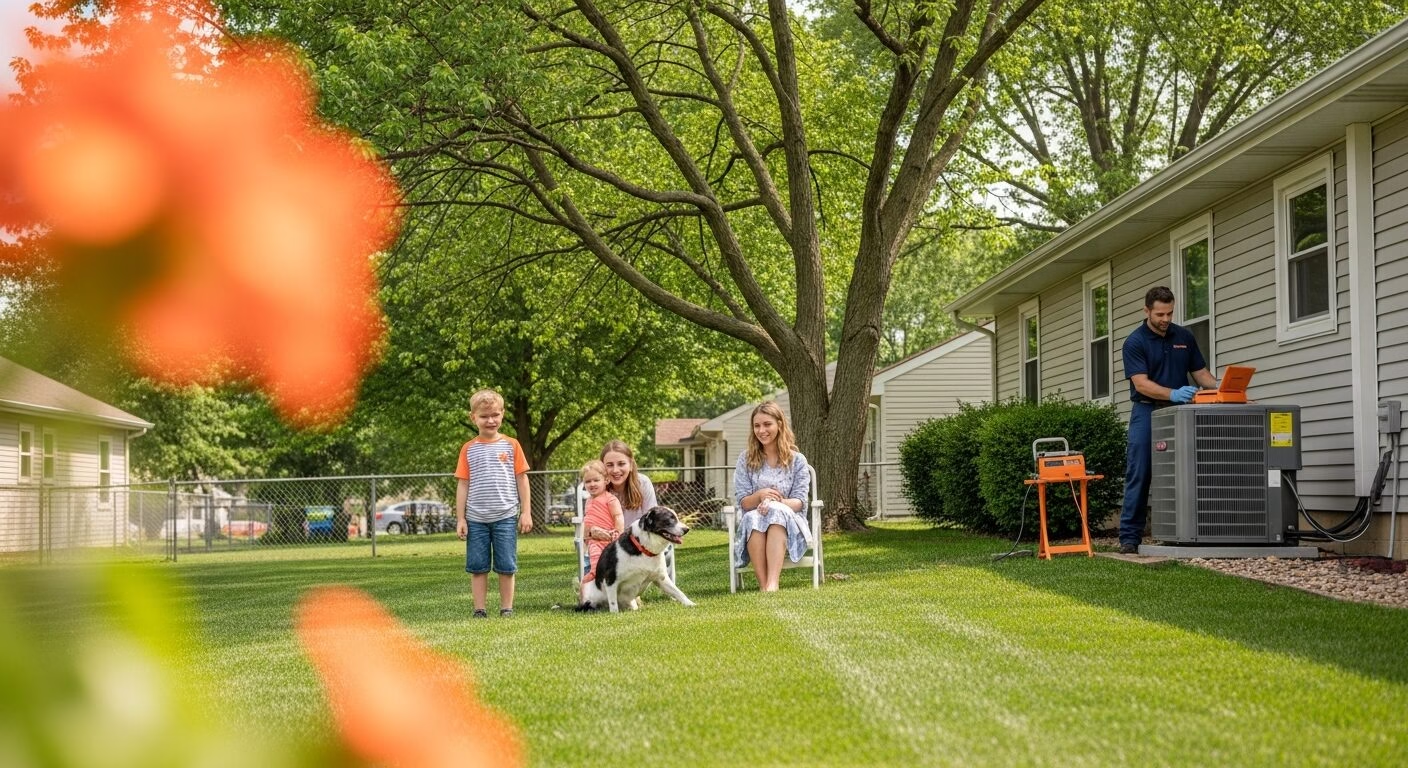
St. Peters, MO: The Summer AC Effect, How Closed Homes Elevate Radon Risk and When to Test
Summer air conditioning creates a hidden radon risk in St. Peters homes that most residents don’t consider. When AC units run constantly during Missouri’s